Key takeaways
- Grubhub announced ten additional US campuses for autonomous delivery in the 2026-2027 school year on September 23, 2026.
- Active campus deployments on the platform passed twenty nationwide under a three-year extension.
- Public materials cite strong order growth at Loyola Marymount University after rollout.
- One large Midwest campus reported more than 25,000 completed robot deliveries in the program.
- Vendor-neutral integrators help non-campus operators adapt sidewalk and indoor delivery lessons safely.
Why campus delivery crossed twenty active sites
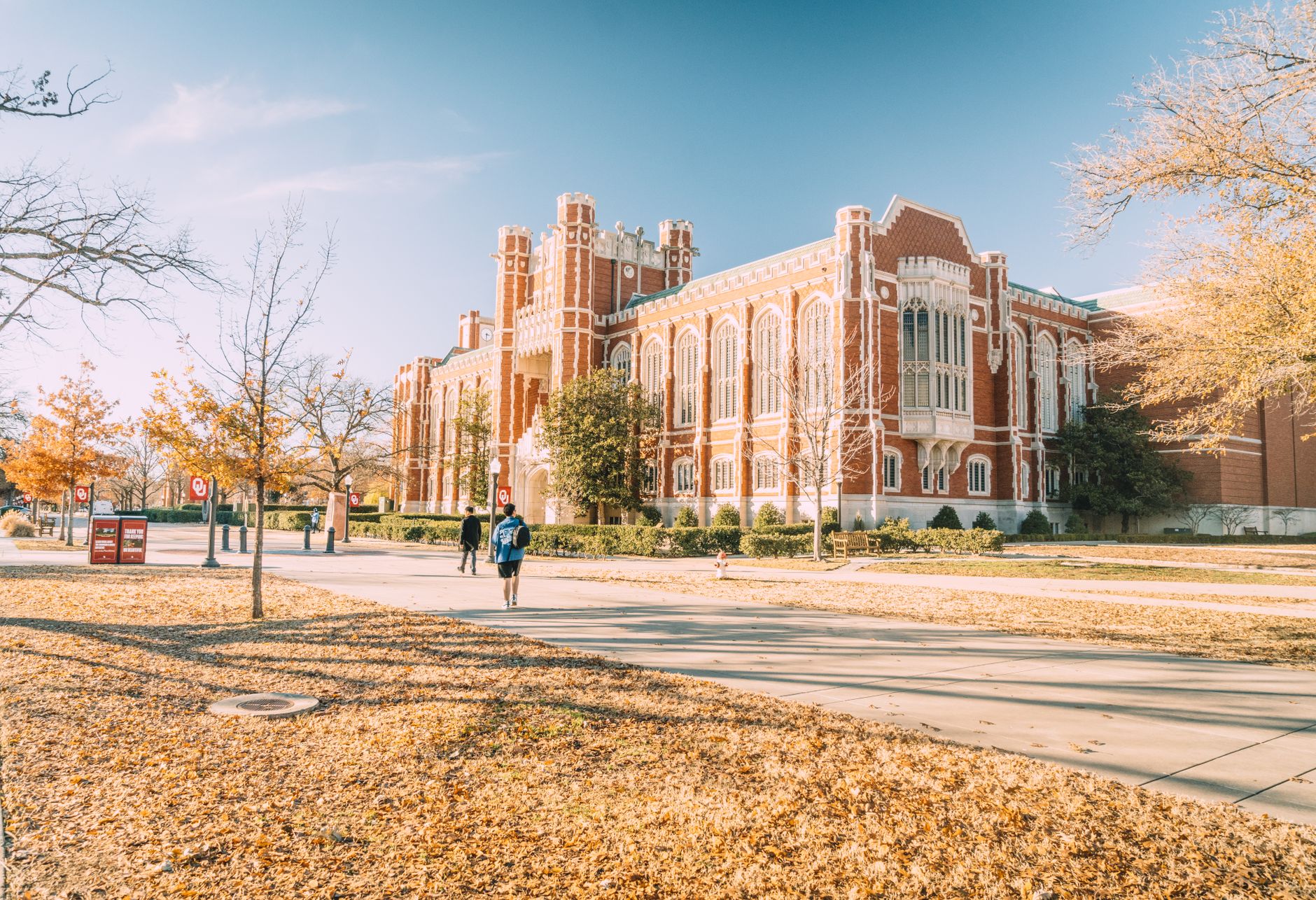
On September 23, 2026, Grubhub announced autonomous delivery coming to ten additional US campuses for the 2026-2027 academic year. The expansion sits under a three-year extension and pushes active campus deployments on the platform above twenty nationwide.
Campus dining is an ideal petri dish: predictable meal peaks, dense foot traffic, and students willing to try mobile ordering. Operators off campus should watch because the same sidewalk robots and locker handoffs are migrating to hospitals, tech parks, and stadium districts.
The announcement is not a hobby project. It signals that last-mile meal robots survived enough winters, curb cuts, and elevator gaps to earn another contract cycle.
What changes for dining services leaders
Dining directors still own food safety and brand standards. Robots absorb the walk from kitchen to pickup point, not the recipe or the line cook schedule.
You need a clear rule for who opens robot compartments, how long food sits in a locked bay, and what happens when a student never picks up an order. Those policies matter more than the paint color on the robot.
Integrate ordering screens with your existing POS and meal plan systems before you promise sub-fifteen-minute delivery. A fast robot with a slow kitchen still earns bad reviews.
Utilization signals from early campuses
Materials tied to the September announcement highlight Loyola Marymount University, where order volume grew nearly seventy percent and active users rose nearly thirty percent in the first quarter after deployment compared with the prior quarter.
Another campus in the Midwest reported more than twenty-five thousand completed robot deliveries under the program, showing that volume can accumulate quickly once students trust the handoff.
Treat those figures as directional, not a guarantee for your zip code. Climate, hill grade, and building spacing change the math.
Weather, hills, and sidewalk reality

Campus robots run in rain and snow in several publicized deployments. That does not mean your hospital loop will work on the first map.
Durango-style grades and Denver-style curb cuts are different problems. Survey every cross slope, brick paver section, and loading zone where a robot must pause.
Build a weather playbook: who pauses service, who salts walkways, and how you communicate outages in the ordering app.
Lessons for hospitals and corporate campuses
Hospital meal delivery cares about infection control and quiet hours. Campus lessons transfer on routing discipline, not on copying student marketing.
Corporate lunch peaks look like campus lunch peaks with suits instead of backpacks. The same compartment hygiene and elevator permissions apply.
Start with one building pair, measure trips per day, and only then add a second zone.
Security, privacy, and camera policies
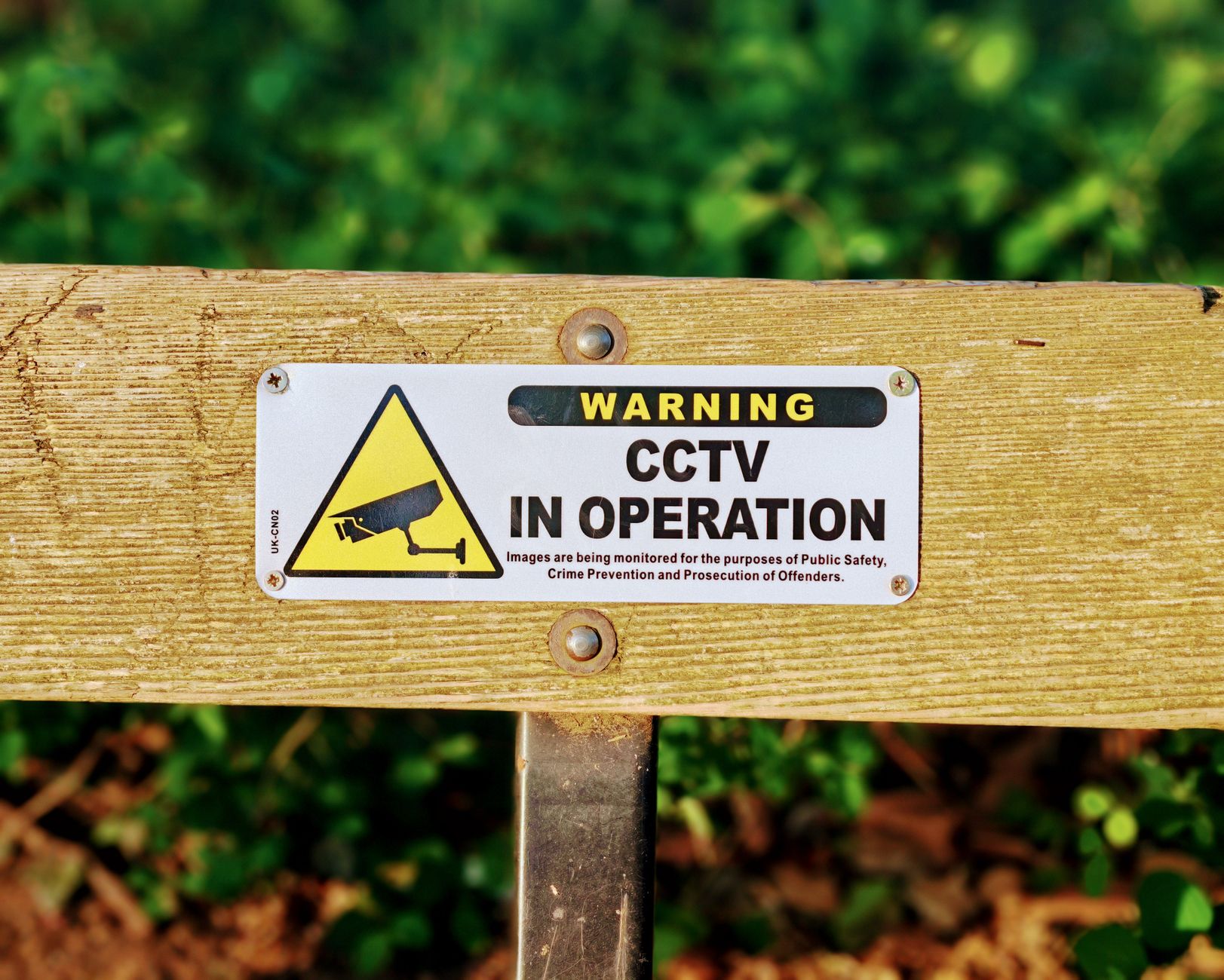
Delivery robots carry cameras for navigation. Legal and IT need a stance on retention, access, and signage before students or patients see the first unit.
Work with campus police or corporate security on suspicious package protocols. A robot is not a mailroom clerk.
Document data flows between the ordering app, the robot fleet dashboard, and your help desk.
Financing and vendor-neutral deployment
Universities often fund pilots from auxiliary services budgets while private operators look to robot rental monthly structures. Service Robot Co. models both and stays OEM-neutral so hardware fits your doors and elevators.
We finance, deploy, train, and service through a nationwide engineer network. One partner owns the escalation path when a unit faults during finals week or a holiday rush.
Spare-unit coverage belongs in the contract before you advertise robot delivery in orientation materials.
Pilot checklist borrowed from campus rollouts
Map every outdoor segment and indoor segment separately. Transition points cause most stalls.
Run a soft launch with staff meals before you market to students or employees.
Measure average handoff time, failed deliveries, and human rescues per hundred trips.
Only expand routes when those metrics stay flat for four consecutive weeks.
- Signage at pickup bays with compartment IDs
- Rain and snow pause rules in the dining handbook
- Nightly battery and sanitation checks with logged sign-offs
- Escalation tree for stuck robots during peak lunch
- Monthly review with facilities on sidewalk wear and curb damage
What to watch through 2027
If Grubhub passes thirty active campuses without major safety headlines, expect corporate and healthcare pilots to accelerate.
Watch whether dining unions and city councils push new sidewalk rules. Regulation can spread faster than hardware.
Operators who treat robots as a logistics line item, not a gimmick, will be the ones still running routes after the first vendor swap.
Frequently asked questions
Sources
Service Robot Co. is not affiliated with, sponsored by, or endorsed by the companies mentioned in this article.