Key takeaways
- Doubling fleet size only works when playbooks, not heroics, carry each new terminal online.
- Utilization logs matter more than robot count when executives ask for proof.
- Airport diversity forces flexible floor-care mixes, not one scrubber template per gate.
- Local technicians plus remote triage beat flying integrators for every fault.
- Passenger-facing cleanliness still needs humans for detail work robots cannot own.
What changed when the fleet doubled?
On August 27, 2026, Flagship Aviation Services reported that its autonomous floor-care program had grown from about 100 cleaning robots at 15 airport locations to more than 200 robots across 25 locations in under two years, according to the company announcement. The same release said the fleet passed 100,000 operating hours, was approaching 500 million square feet cleaned, and averaged nearly one million square feet per day.
That jump is the lesson for any multi-site operator. Scale is not a linear copy-paste of the first pilot. It is a test of whether your standards, spares, training, and dashboards survived contact with a new concourse layout, a new union rule, and a new security checkpoint rhythm.
If you manage three hotels or twelve grocery stores, the square footage is smaller, but the pattern matches. Growth exposes weak documentation faster than it exposes weak batteries.
Why do airports break generic deployment templates?
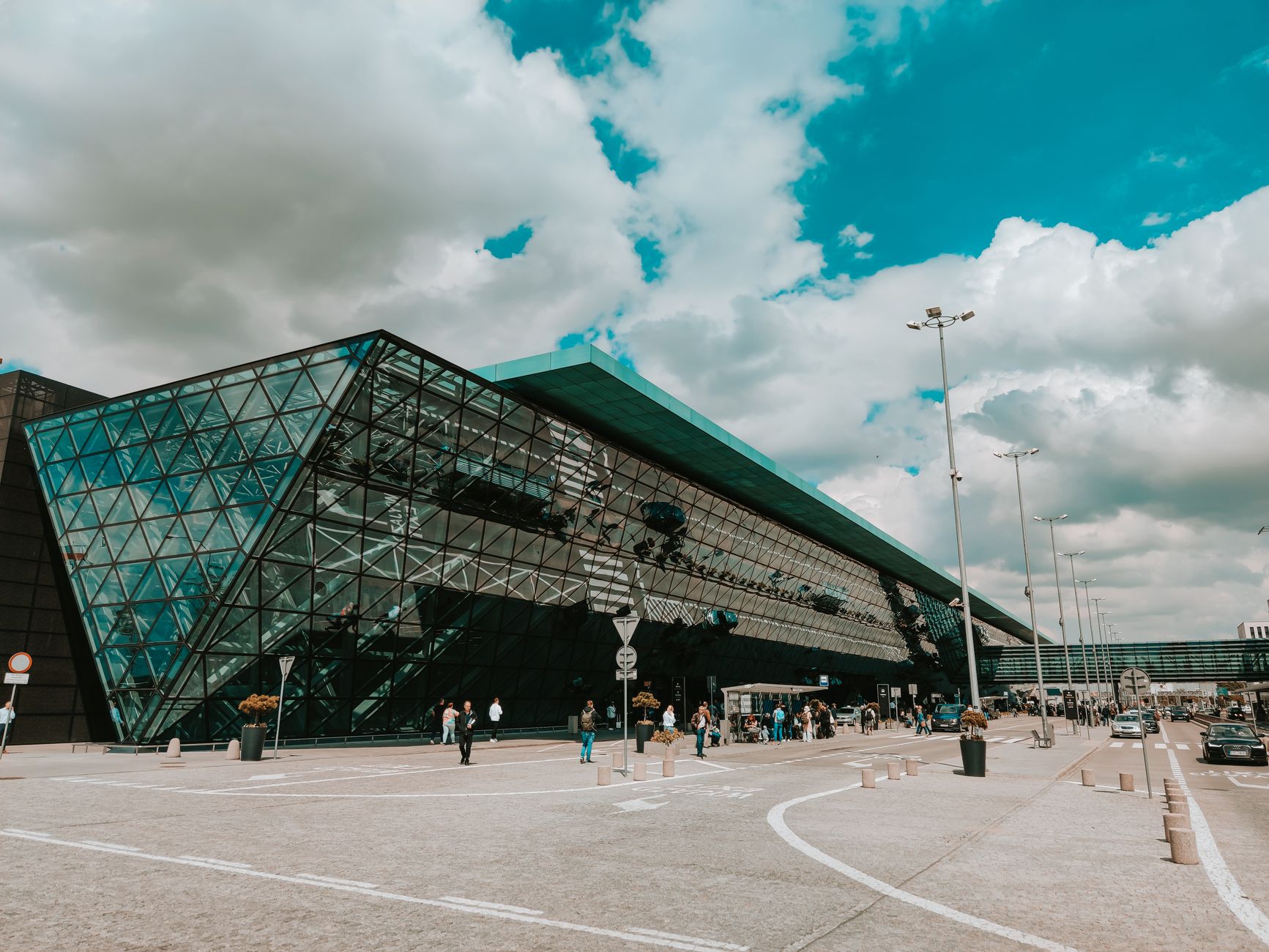
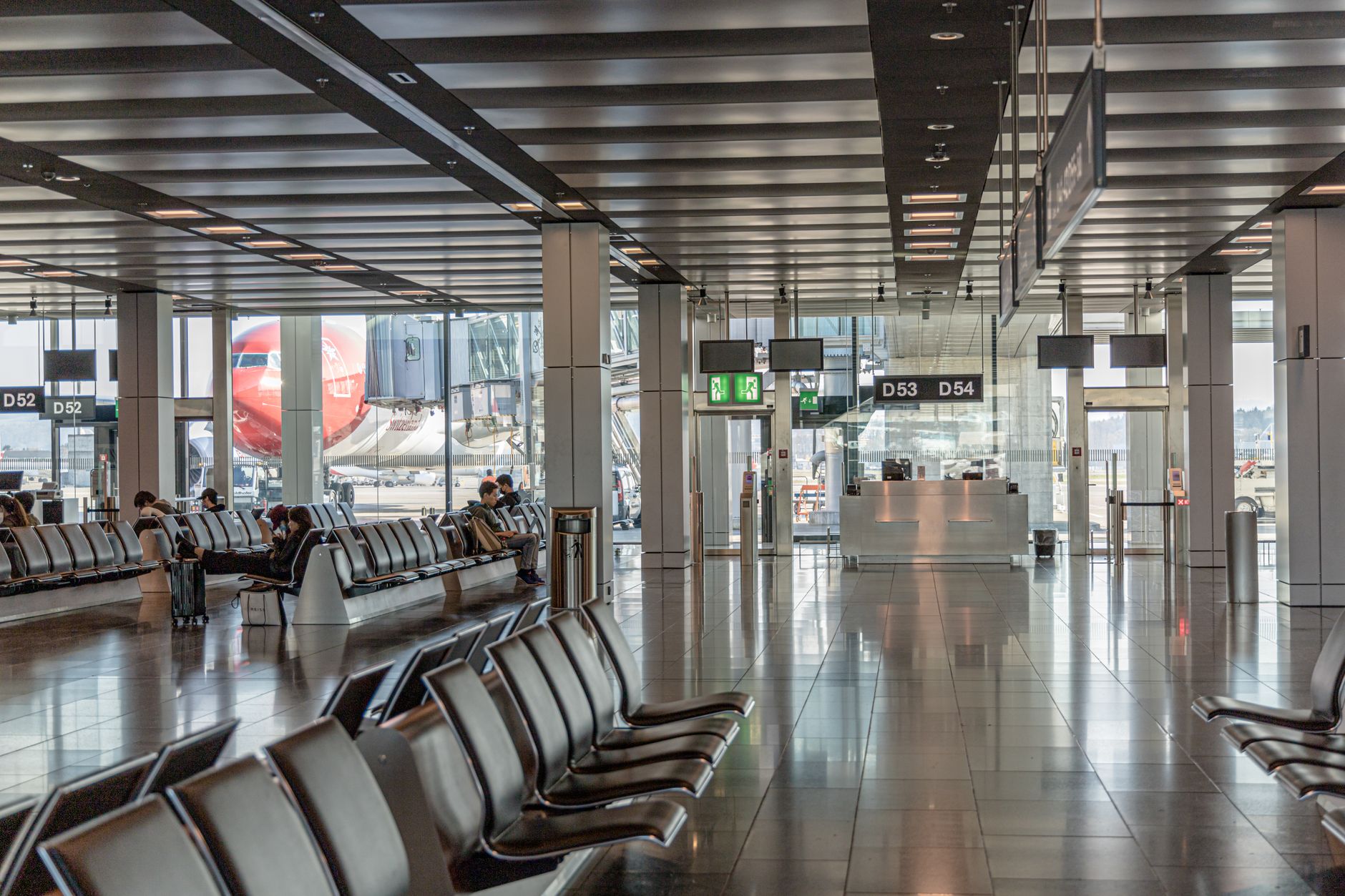
Terminals mix terrazzo, carpet pockets, jet bridges, and food courts that close for thirty minutes. Cleaning windows shrink when passenger volume spikes, so robots must run while gates stay active without becoming trip hazards.
Flagship’s public materials describe sweeping, scrubbing, mopping, and vacuuming across mega, large, and medium hubs. That variety is normal. A single model cannot own every surface, so multi-site programs standardize outcomes and workflows while allowing different machine types behind the scenes.
Your site survey should classify traffic patterns, not only square feet. A medium airport with tight connectors can be harder than a large hub with wide loops.
Which operating benchmarks should executives see weekly?
Leadership teams that only see robot count get surprised when utilization sags. Export hours on task, square feet cleaned per day, charge time, and exception minutes per unit. Flagship cited a ninefold increase in operating hours alongside the fleet doubling, which shows leadership was tracking time on floor, not only capital deployed.
Compare sites on coverage per labor hour, not vanity acres. Two terminals with identical footage can diverge if one keeps closing lanes for manual waxing while the other lets autonomous scrubbers run overnight.
Publish a short exception taxonomy: stuck squeegee, blocked aisle, elevator deny, fluid fault. Without shared labels, one airport will call every pause a breakdown while another logs it as training.
How do you standardize without crushing local judgment?
Corporate janitorial teams need one SOP binder for start-up checks, chemical dilution, cordon placement, and handoff to day staff. Local managers still need authority to delay a run when TSA lines spill into a scrubber path.
Flagship quoted its chief operating officer saying autonomous cleaning is a tool that frees teams for passenger-facing work. That framing matters for labor relations. Standard work describes what robots own, what humans own, and where both overlap during irregular operations.
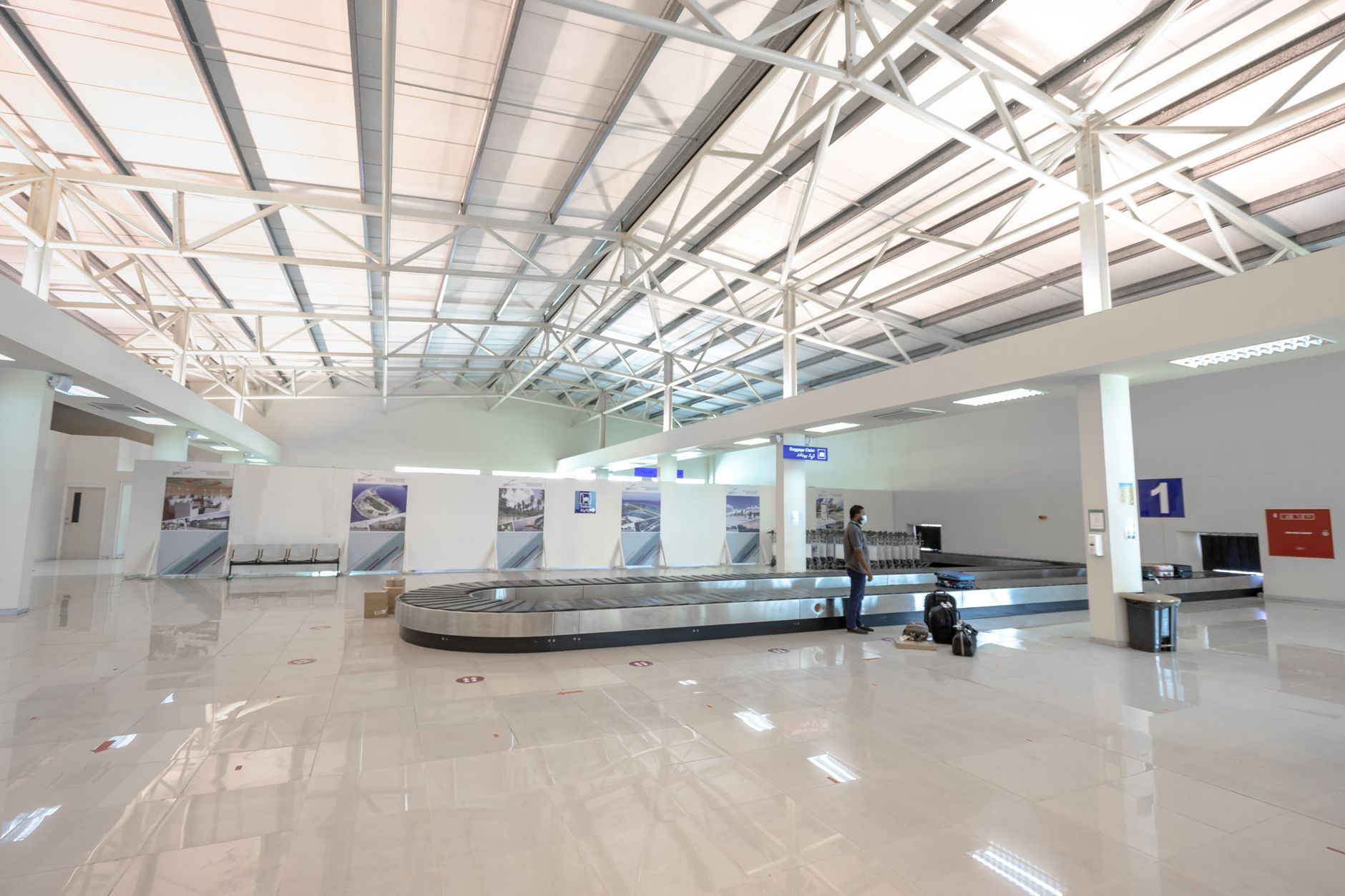
Run quarterly calibration calls where site leads share photos of problem transitions: escalator landings, moving walkways, and baggage claim islands. Those photos become update packets for maps faster than another corporate memo.
What does local support look like at twenty-five sites?
National contracts fail when the nearest technician is a flight away. Pair each airport with a regional depot for batteries, squeegees, and loaner units. Remote triage should clear software faults before someone boards a plane with a toolbox.
Spare robots matter at scale. One dead unit at a fifteen-robot hub is annoying. One dead unit on a holiday weekend at a hub with two units is a passenger complaint waiting for social media.
Vendor-neutral integrators can keep OEM parts on one purchase order while still routing on-site help through a nationwide engineer network. Service Robot Co. uses that model so facility leaders dial one number even when a fleet mixes scrubbers and vacuums from different factories.
How should utilization data drive the next expansion?
Before you add site twenty-six, rank existing sites by idle chargers, queue time, and unfinished routes. Expansion should chase bottlenecked labor savings, not a map pin in a new state.
Approaching five hundred million square feet cleaned is a marketing milestone, but operators should care about repeatable daily million-square-foot averages. That average proves the program still runs on a Tuesday thunderstorm delay, not only during a photo-ready demo week.
Robot rental monthly structures help here. They let you park two extra units at the busiest hub during snow season, then redeploy them south in spring without writing off capital.
What outcomes stay stubbornly human?
Autonomous scrubbers excel at wide, repetitive hard floor. They do not replace detail work on stainless, glass, or seating crevices passengers touch. Flagship’s messaging keeps people at the center, which is the right expectation setting for any airport authority reviewing a contract.
Inspection readiness still needs supervisors who can answer questions when a robot pauses near a security lane. Train those leads on pause-resume steps and on when to pull a unit offline without panic.
Passengers read cleanliness as care. Robots visible on the concourse signal standards, but only if the surrounding clutter, spills, and restrooms still receive human attention.
Which lessons transfer outside aviation?
Hospital campuses, convention centers, and regional mall portfolios face the same scaling curve: diverse flooring, thin night windows, and public scrutiny. The playbook is identical even when the square footage is smaller.
Start with one building wing, document exceptions honestly, and freeze a standard kit list before you clone. Doubling fleet size without doubling discipline just doubles noise in the maintenance inbox.
How can a neutral integrator help you copy the pattern?
Service Robot Co. runs free site assessments that score travel, queue risk, and charger placement before you sign a month to month lease. We finance, deploy, and service mixed fleets so your team does not juggle six OEM portals when site seven goes live.
If your data shows underused docks or chronic exceptions at one property, we resize the fleet instead of pushing more hardware. Scale should raise quality per square foot, not only raise robot count on a slide.
Frequently asked questions
Sources
Service Robot Co. is not affiliated with, sponsored by, or endorsed by the companies mentioned in this article.