Key takeaways
- A three-year, up to $4 million tiling pact shows contractors buying capacity, not just hardware.
- AGC's September 2026 survey ties 42% of construction delays to worker shortages.
- Tyler robots target field tiling while crews keep detail work that needs judgment.
- New floors still need overnight scrubbers, delivery loops, and AMRs once tenants move in.
- OEM-neutral integrators align finish-out robotics with post-opening service robots.
Why did a flooring contractor sign a multi-year robot deal?
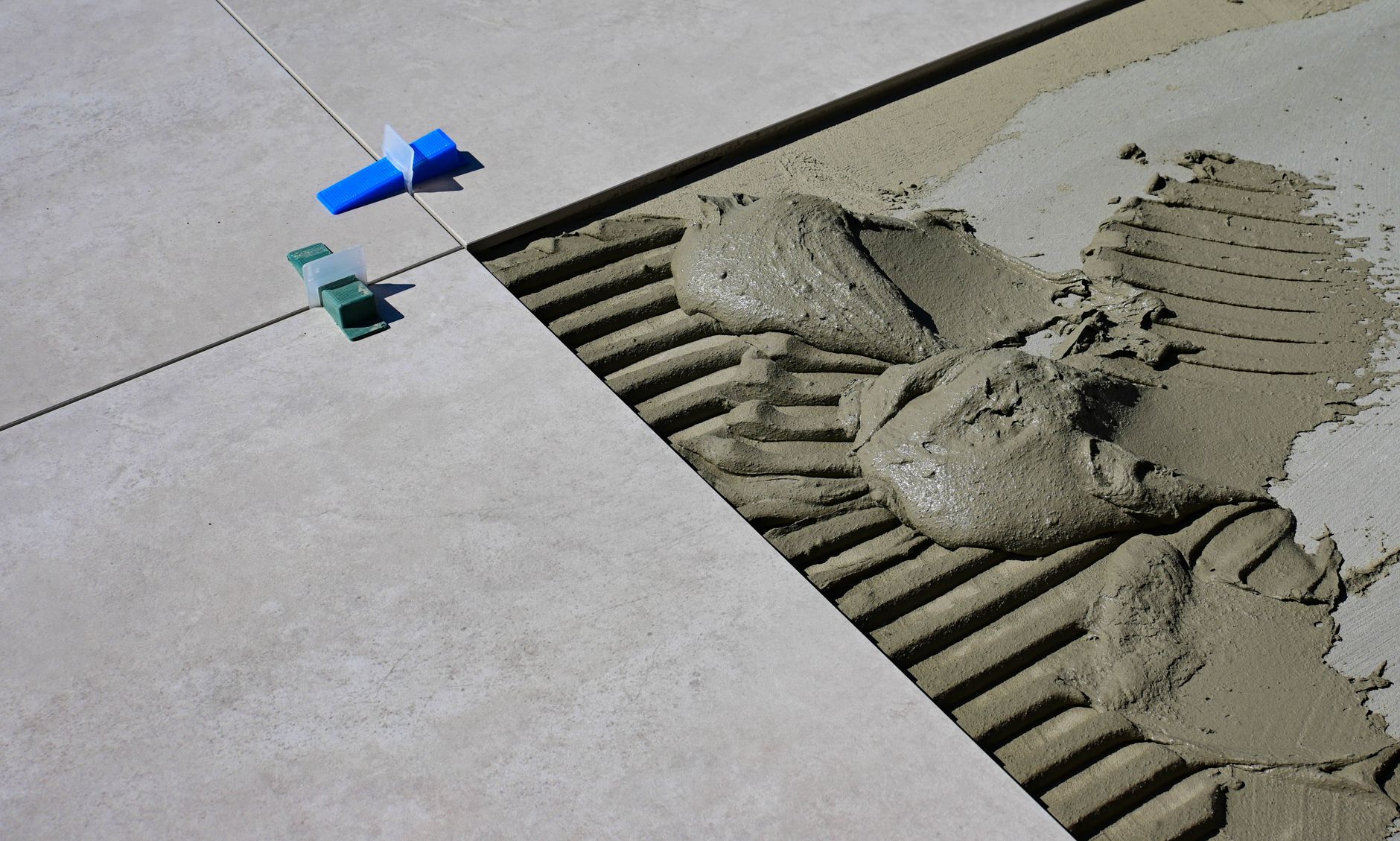
On October 6, 2026 Human Friendly Robotics announced a three-year robotic tiling contract worth up to $4 million with Flooring Concepts of NJ, a Manalapan-based commercial flooring subcontractor. The company said Tyler robots would work alongside installers across New York, New Jersey, Pennsylvania, and the greater New York City metro.
The headline number matters because it is capacity, not a one-off demo. Human Friendly Robotics said the purchased installation volume represents at least 15% to 40% of Flooring Concepts' luxury vinyl tile work over the next three years. President John Pilot told ROI-NJ that paying per square foot of install let him expand scheduling without a large capital purchase up front.
For facility owners and developers, that structure is the signal. Finish-out trades are locking in robotic assistance the way logistics firms reserve AMR fleets. The question is no longer whether robots touch commercial interiors, but which phases of a build they touch first.
What does Tyler actually do on a commercial floor?
Human Friendly Robotics describes Tyler as a robotic flooring assistant that handles repetitive placement across the main field of a layout. Skilled installers still own cuts, transitions, and work that demands on-site judgment, according to Floor Covering News coverage from September 2026.
The robot is built to ride along with an existing crew rather than replace it. That split matters for owners who worry about warranty callbacks on high-visibility lobbies and retail pads. Field automation targets the repetitive square footage. Human expertise stays on the details guests notice.
Human Friendly Robotics also reports deployments at dozens of job sites in the New York metro and Puerto Rico, including schools, malls, and government buildings. Flooring Concepts turns that track record into a sustained share of its LVT pipeline, not a pilot tucked into one flagship store.
How tight is construction labor right now?
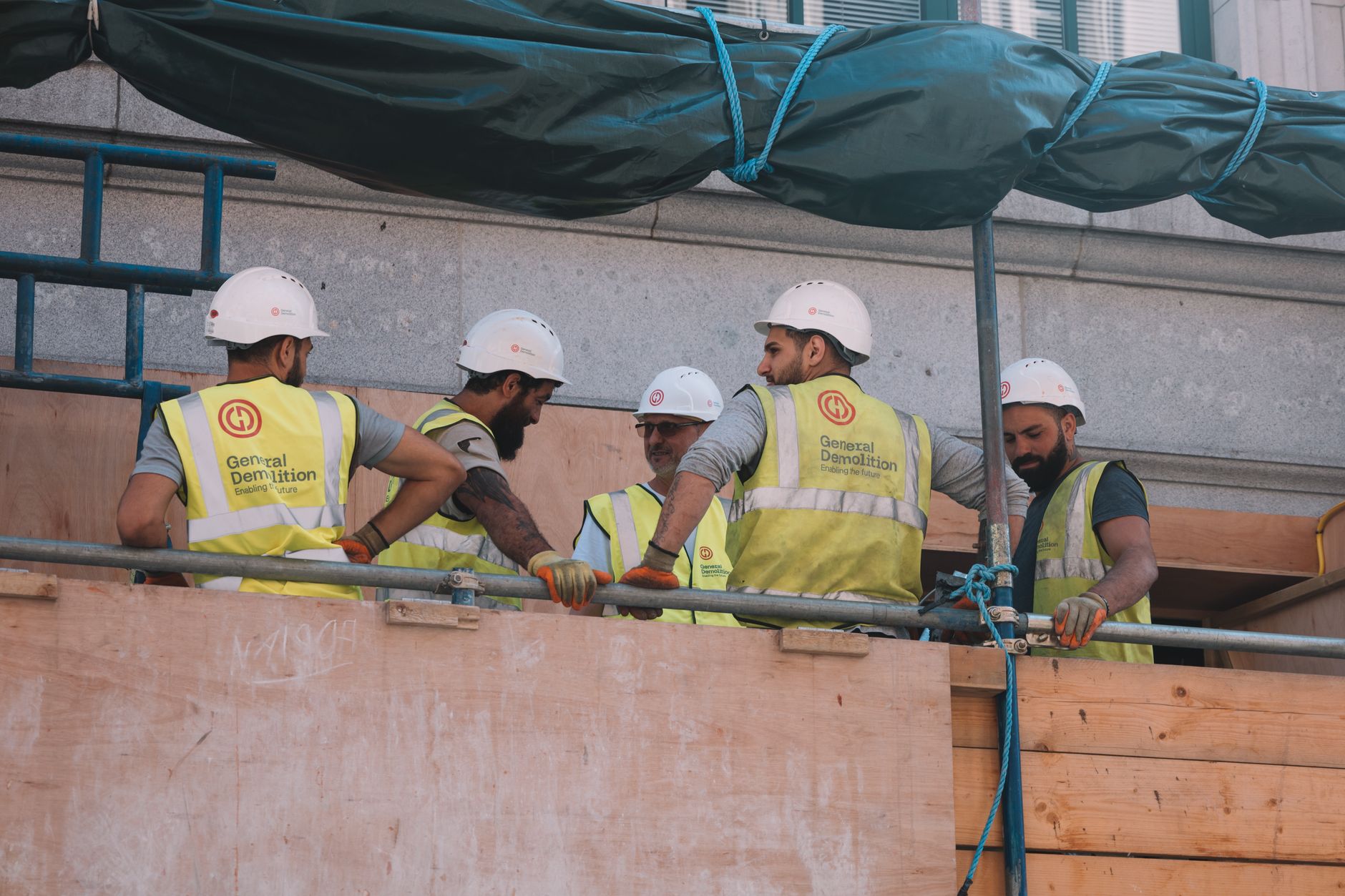
Finish-out automation lands in a market where schedules already slip for human reasons. The Associated General Contractors of America and NCCER reported in September 2026 that 42% of surveyed firms saw project delays because of shortages among their own workers or subcontractors' workers. That was the most common delay cause in the survey.
Overall, 74% of respondents said they experienced at least one significant project delay in the prior year. Electrical equipment lead times, owner redesigns, and permit backlogs also showed up, but workforce gaps still topped the list.
Flooring sits in the middle of that squeeze. Contractors bid aggressive opening dates, then compete for the same tile crews data center builds and hospital expansions also need. A robot that multiplies crew output on LVT fields is one way to protect the handoff date owners actually care about.
Does per-square-foot pricing change how owners should budget?
Flooring Concepts framed the Tyler arrangement as paying per installed square foot instead of buying equipment outright. Human Friendly Robotics told trade press it designs the robotic portion of installation to cost less than $2 per square foot, with actual costs varying by material, labor market, and site conditions.
That operating-expense mindset parallels how many businesses already think about service robots after opening. Leasing through financing spreads hardware cost across monthly payments while deployment and training happen in parallel with construction.
Service Robot Co. uses the same lifecycle view for scrubbers, delivery units, patrol robots, and warehouse AMRs once a building is live. Select the right OEM-neutral unit, finance a buy or lease, map the space, train staff, and keep RoboCare service on one number. Finish-out robotics and operating robots are different tools, but the buying logic rhymes.
What should owners plan once the tile is down?
A faster LVT install does not remove overnight cleaning load. Retail, medical, and education footprints still track in grit from day one. Autonomous scrubbers can run after close on hard surfaces while vacuums handle carpet transitions in mixed-use corridors.
Hospitals and clinics that accelerated flooring schedules still need internal transport between pharmacy, lab, and patient units. Delivery robots on mapped routes carry specimens and supplies so nurses stay at the bedside.
Distribution and light industrial pads tied to new construction often open with a thin warehouse team. AMRs and tug units steady cart moves between dock and pick faces while hiring catches up. Planning those robots during commissioning avoids a month of manual workaround after the certificate of occupancy.
Where do security and patrol robots fit new campuses?
Greenfield sites frequently ship with fence lines, loading docks, and parking fields before permanent security staffing reaches full strength. Mobile patrol units add scheduled loops where fixed cameras leave blind spots.
That is especially true on multi-building medical campuses and big-box pads where summer storms push debris into lots faster than a roving guard can circle on foot. Patrol schedules can align with scrubber runs so one integrator coordinates maps, chargers, and service visits.
Security robotics rarely replace human guards on high-touch entries. They extend coverage on predictable exterior loops while front desks focus on visitors and vendors.
How should facility leaders sequence robots across a build?
Treat finish-out automation and operating robots as one roadmap with two clocks. Construction robots compress the schedule to turnover. Service robots stabilize labor cost and consistency after move-in.
Start with a site assessment that lists square footage by surface type, interior travel distances, and hours when public areas can close. Match scrubber size and tank capacity to aisle widths. Match delivery robots to elevator banks and door widths that will exist on day one, not just on paper.
Phased deployment avoids a grand opening week where every system trains at once. Many hospital integrators quote eight to twelve weeks for a delivery robot program including mapping and IT coordination, per vendor disclosures on recent Florida deployments. Scrubbers and AMRs can follow floor by floor as certificates of occupancy roll out.
What is the bottom line for 2026 facility programs?
The Flooring Concepts pact is a datapoint, not a fad. A regional contractor bet a meaningful slice of LVT volume on robotic field work because schedules and bodies did not line up.
Owners who only watch construction tech miss the longer operating play. Floors that go in faster still need disciplined nightly care, internal logistics, and yard coverage.
An OEM-neutral integrator can align those post-opening systems with the same financing and service relationship, even when the tiling robot comes from a specialized trades vendor. The win is one coherent automation story from certificate of occupancy through year two of operations.
Frequently asked questions
Sources
Service Robot Co. is not affiliated with, sponsored by, or endorsed by the companies mentioned in this article.