
Key takeaways
- A three day demo shows a robot can move; it does not show how that robot copes with weeks of congestion.
- The Osaka Police Hospital run from March 16 to 18, 2026 was reported by the vendor and described as a precursor to a fuller trial.
- A 2026 study of 122 non urgent medication missions ties delivery reliability to elevator congestion.
- Shift changes are the part of a hospital day that a short trial is least likely to sample.
- Ask for mission logs, elevator wait data and intervention counts before you agree to a pilot.
What does a three day demo actually prove?
A three day demo proves that a robot can complete a set of routes under conditions the vendor chose. It shows the machine can move through a corridor, read its surroundings and reach a destination. That is real information, and it is worth seeing in person.
It does not prove what happens after weeks of traffic, elevator waits, locked doors and shift changes. Those conditions decide if a hospital team keeps trusting a robot or quietly stops calling it. A demo window is too short to sample them.
The clearest recent example is Osaka Police Hospital, which hosted a three day run of an autonomous transport robot from March 16 to 18, 2026. The company said the run confirmed the robot's effectiveness and identified issues to address for task shifting and efficiency gains. Treat that as the vendor's account, not an independent result.
What did the Osaka Police Hospital run cover?
According to the company release summary published in April 2026, the demonstration focused on how the robot handled the hospital's complex environment and on operational safety. Earthtrek Robotics ran it as part of an Osaka Chamber of Commerce and Industry support project and described it as a precursor to a full scale trial.
The public record stops there. I found no trip counts, no performance metrics and no dates for a next stage. The hospital side and the vendor also describe the run differently, with the hospital framing it as preparation for introduction and the company framing it as a demonstration. A clinical operations lead should ask which description the hospital itself stands behind.
Why do elevator waits break a hallway run?
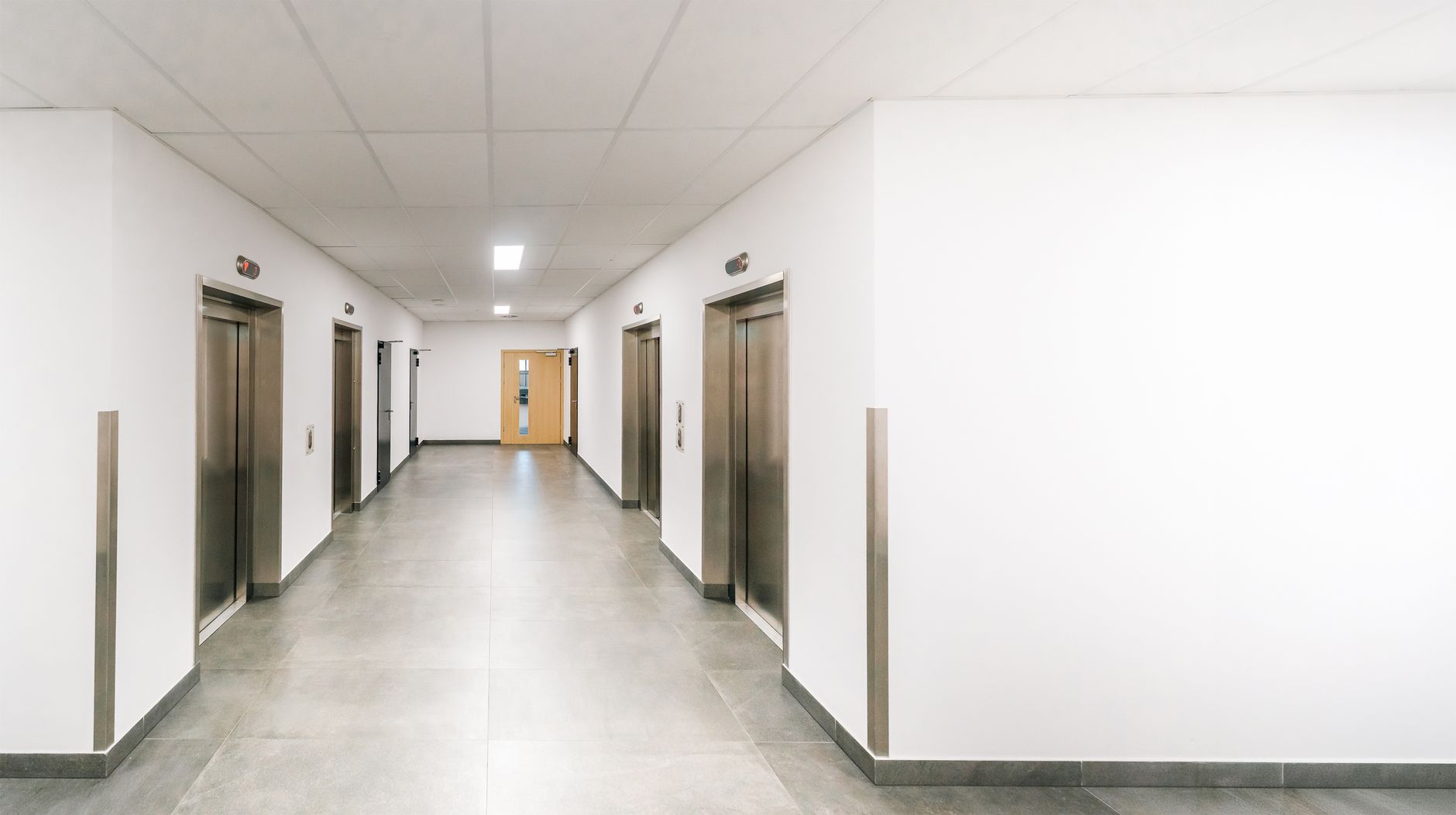
Elevators are where a hallway demo stops being representative. A 2026 prospective study at a tertiary hospital tested an autonomous medication delivery robot in a shared use elevator setting. The authors analyzed 122 non urgent missions run from June 18 to 29, 2025, covering weekdays and weekends.
They combined elevator operating rate, waiting time data and simulation to estimate delivery failure probabilities at different congestion levels. Their conclusion was that robotic medication delivery should be scheduled when congestion sits below critical thresholds, which protects reliability and limits staff burden. The study appears in Digital Health (2026, DOI 10.1177/20552076261437181).
The lesson for a demo is simple. A clean run at a quiet hour says little about a busy morning at the elevator bank. Ask for the same timing data the study used: elevator wait by hour and failure rates by congestion level.
Do short trials sample shift changes?
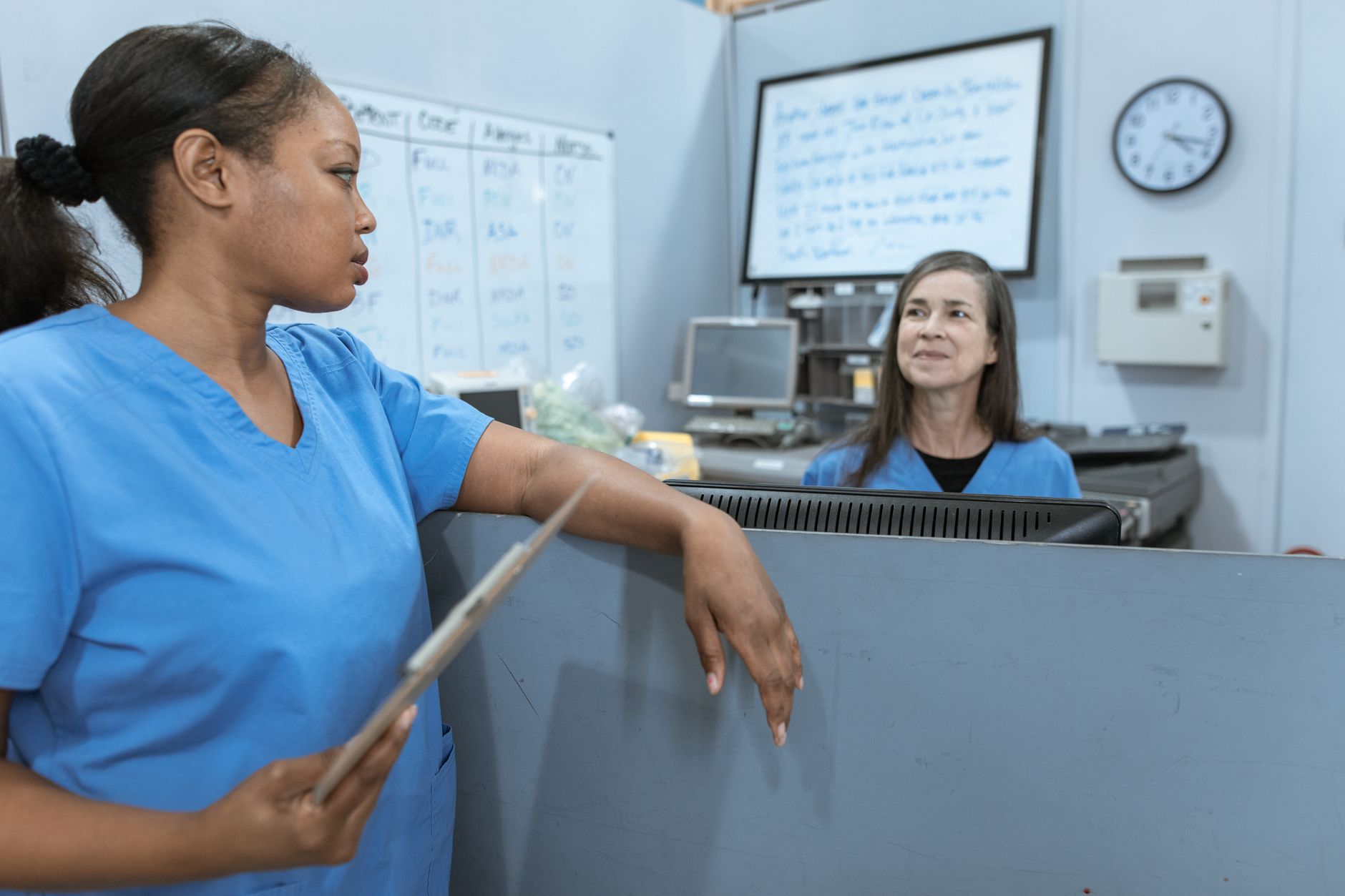
Usually not. A three day window rarely contains a full cycle of shift handoffs, and the work changes at those handoffs. Incoming staff bring new priorities and new habits around the robot, and a trial that ends before the next handoff never sees them.
I found no published source that measured robot performance across shift changes, and the elevator study does not address them either. That is a gap in the evidence, not proof that shift changes are harmless. Treat it as an open question and write it into the pilot plan.
What should a vendor prove before a pilot starts?
Ask for proof a hospital can audit. A brochure figure or a demo video does not count. Request these items before any pilot begins:
- Mission logs from a sustained window that covers weekdays, weekends and at least one shift change, with each trip's start, stop and elapsed time.
- Elevator wait data by hour, and failure rates at each congestion level, in the form the Digital Health study used.
- Counts of manual interventions, blocked doors and failed deliveries, with the cause recorded for each one.
- Staff touch time per delivery, measured during the run, so claimed walking hours can be checked against your own baseline.
- Remote fault response and on site recovery times, with the service coverage that backs them.
- Written exit criteria, with the accountable person named for each one, agreed before go live.
How long should a pilot run before you decide?
Length matters more than the demo itself. The elevator study covered June 18 to 29, 2025 and still framed its result as a threshold question, not a simple yes or no. A pilot should run long enough to see several congestion cycles, including a weekend and a shift change.
Set the decision rule before the robot arrives. Decide which failure rate, wait time or intervention count would stop the pilot, and who signs off on that number. Without that rule, a pilot tends to end on the impression left by its last good week.
Where does a robot lease fit the pilot?
Service Robot Co. is an OEM neutral integrator for US businesses. We pick the right robots across manufacturers, then finance, deploy, integrate, train and service every unit through a nationwide US engineer network. We lease robots only, on a three year lease with one fixed lease payment quoted after a site assessment.
For a hospital delivery robot lease, the site assessment is where the baseline a demo never records gets written down: corridor layout, elevator banks, delivery volume and staffing patterns. A robot pilot program that starts from that baseline has something to measure against. A three year term also means the evidence should predict years of operation, not one good week.
Frequently asked questions
Want a robot working for you?
Tell us the job and the site. We will recommend the robot, quote the lease, and keep it serviced.
Sources
Service Robot Co. is not affiliated with, sponsored by, or endorsed by the companies mentioned in this article.