Key takeaways
- A three-year term signals the task is repeatable enough to underwrite, not just demo-ready.
- Three months of included onboarding is the new baseline for complex restroom scope.
- Single-unit leases still demand spare coverage, consumables planning, and audit proof.
- Public-sector traffic forces clear validation methods before finance signs year two.
- US operators should copy the contract questions, not the geography.
What does a three-year restroom robot lease actually tell you?
When a supplier signs a three-year lease for one autonomous restroom cleaning robot at a high-traffic public-sector building, with deployment due by May 31, 2026, the headline is not the robot. The headline is confidence that the task can repeat on a calendar.
According to Globe Newswire reporting on May 15, 2026, the agreement includes a three-month onboarding window with installation, setup, and operator training at no added charge before the full lease clock starts. That structure says restroom automation is still a deployment project, not a box drop.
For US facility leaders, the lesson is simple. A multi-year lease is a bet on scope clarity. If you cannot define fixtures, chemicals, touchpoints, and inspection evidence, three years is just a long pilot with better paperwork.
Why does restroom automation need a longer runway than floor scrubbing?
Restroom work mixes touch surfaces, confined layouts, water and chemical control, and public sightlines. A corridor scrubber can miss a corner and few guests notice. A missed stall touchpoint shows up in complaints and audit photos.
The Singapore public-sector site described in May 2026 announcements is high traffic, which is the hard case. Peak hour resets, supply checks, and odor control stack on top of floor care. Buyers who succeed treat the robot as one layer in a restroom SOP, not the whole program.
Task maturity shows up when the same route runs on Monday peak and Sunday lull with similar completion logs. Until you see that variance narrow, keep the contract term shorter and the exit clause explicit.
Which cleaning scope items belong in the lease appendix?
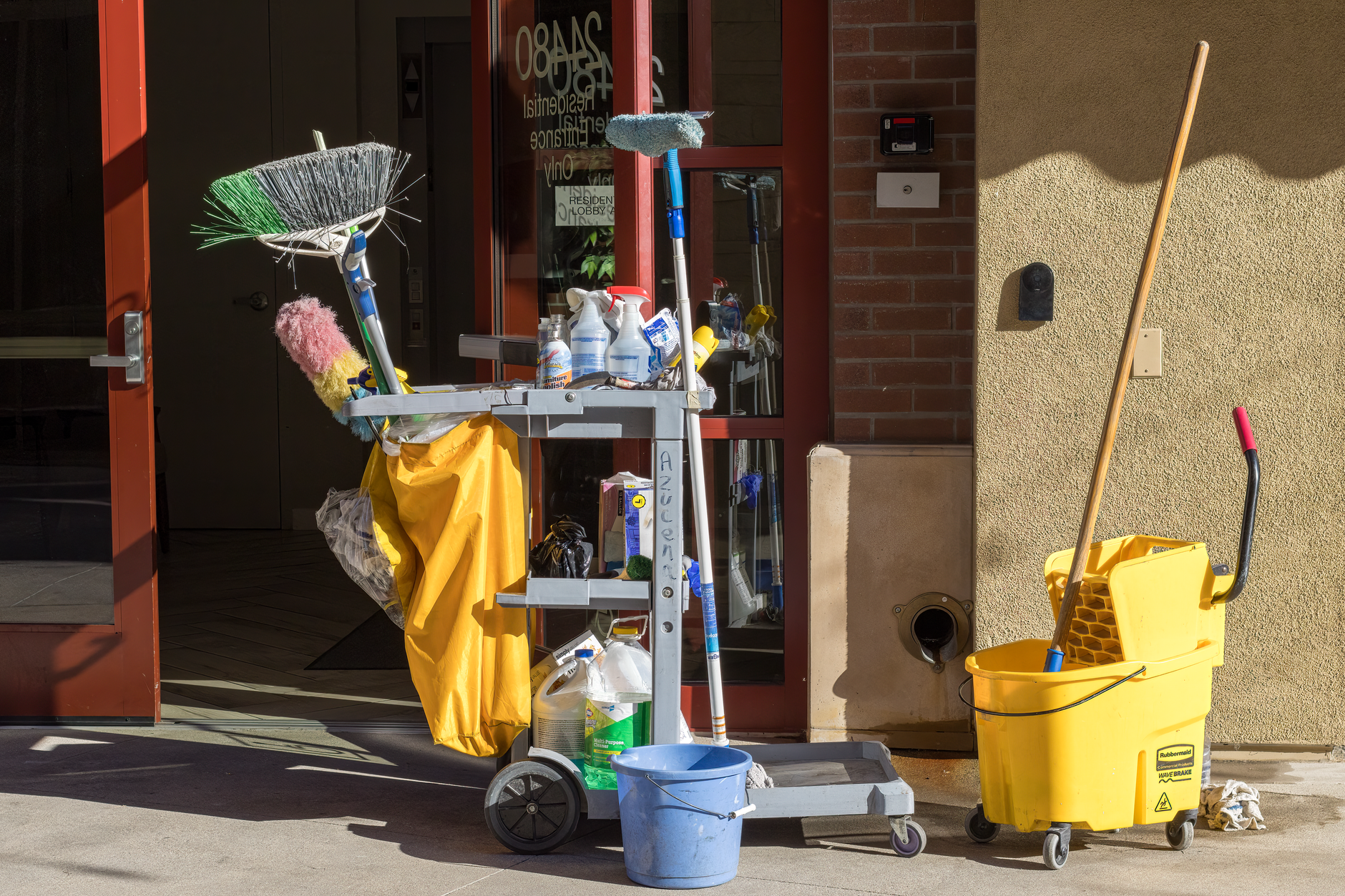
List every fixture class the robot must service: toilets, urinals, sinks, mirrors, partitions, and floors. Note which tasks stay human-only for regulatory or customer-experience reasons.
Define frequency by daypart, not by vague shifts. Public buildings need midday refreshes as well as overnight deep cleans. If the lease only prices overnight runs, you will pay change orders for lunch rush touch-ups.
Attach photos of the worst restroom on site, not the training bathroom. Service robot rental contracts that omit ugly geometry become disputes in month four.
- Fixture list with pass or fail criteria per item
- Chemical brands approved for the robot and for your floors
- Supply restock responsibility for paper and soap
- Guest-present versus closed-door operating rules
- Escalation when odor or slip complaints spike
How should you budget consumables and downtime?
Restroom robots burn brushes, pads, and fluids faster than open-aisle scrubbers. A three-year lease should state who stocks consumables, how often kits ship, and what happens when a part is backordered.
According to the May 2026 announcement, revenue recognition tied to deployment by May 31, 2026. Your version should tie payment to verified runs, not dock delivery alone.
Model one week per quarter where the unit is down for deep maintenance. If the lease lacks loaner language, you are renting optimism.
What validation should finance require before year two?
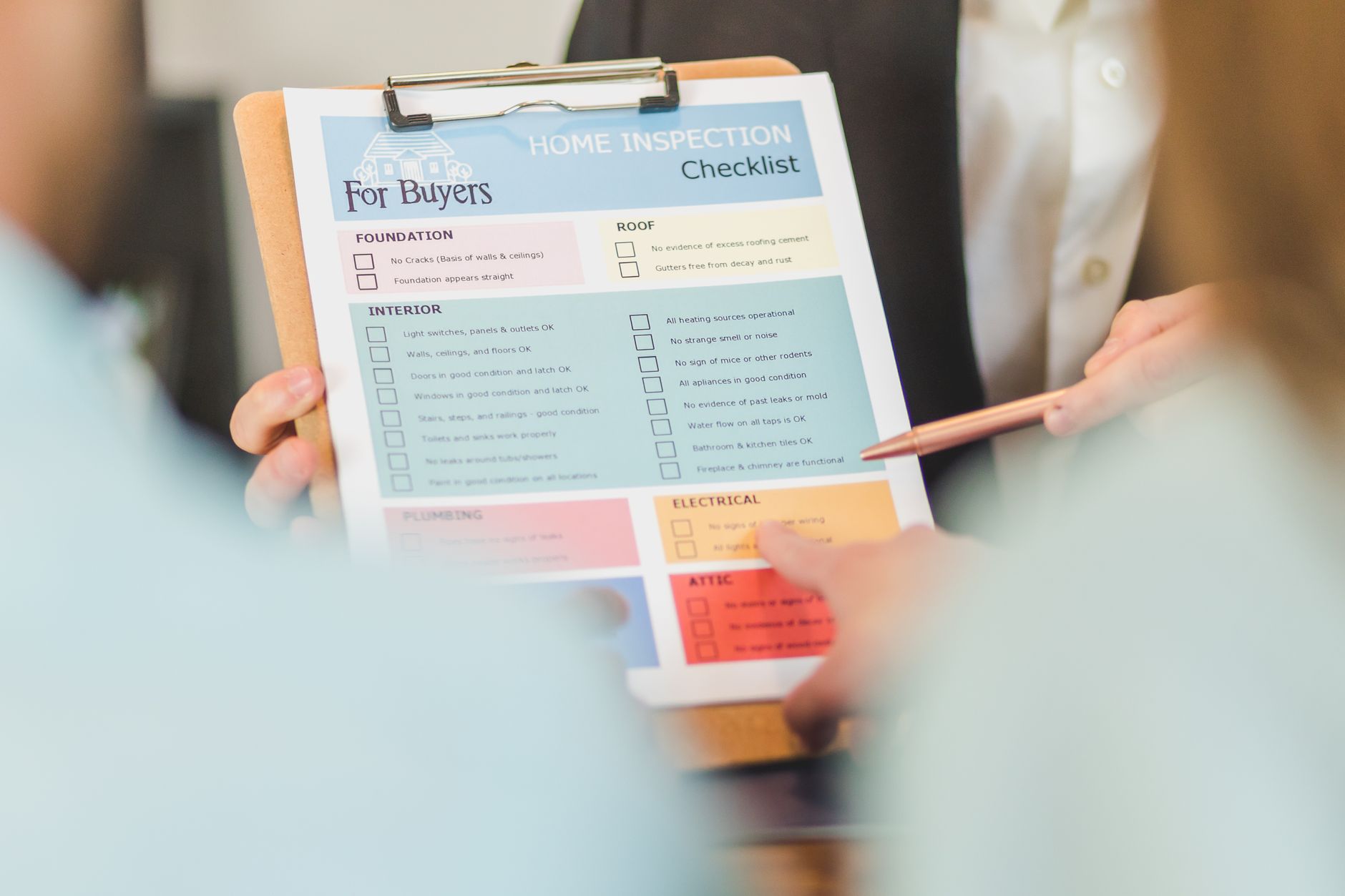
ATP swabs, manager walk-throughs, and guest complaint trends each tell a different story. Pick at least two methods and log them in the same portal your auditors already read.
Public-sector restrooms often face unannounced inspections. Robotic cleaning only helps if you can produce timestamps, route maps, and completion photos on demand.
Set a quarterly review with operations, infection prevention if applicable, and finance. If validation scores drift, the contract should allow scope resets without a full rewrite.
Which service terms separate a lease from a science project?
The May 2026 deal bundles onboarding, training, and setup before recurring billing. Mirror that: spell out remote triage response, on-site dispatch windows, and whether travel is included for three years.
Ask who owns firmware updates that change chemical dosing or stall timing. If only the OEM can roll back a bad update, you do not control recovery time.
Maintenance included sounds friendly until you read exclusions for abuse, vandalism, or water damage. Public restrooms see all three.
What lease guarantees matter for a single unit?
One robot at a flagship site is a single point of failure. Guarantees should cover uptime percentage, loaner delivery time, and credits when runs miss contracted counts.
Cap annual price escalations and software fees. Multi-year robot leasing for business fails when year-two SaaS doubles while headcount budgets flatline.
Define buyout, return, and refresh options at year three. Restroom layouts change when partitions move or accessibility upgrades land.
How do US operators translate a Singapore reference?
You are not buying Singapore humidity or procurement law. You are borrowing the questions that made a three-year term bankable: scope, onboarding, validation, and service.
Airports, schools, stadiums, and civic centers in the US face similar traffic spikes. The robot category differs by building age, plumbing, and union rules, but the contract skeleton repeats.
Run a robot pilot program on one restroom bank with the same onboarding length the announcement describes, then compare manual audit scores before you match the three-year shape.
Where does a vendor-neutral integrator fit?
Restroom robots sit at the edge of janitorial, infection control, and capital planning. Most teams need a partner who can compare autonomous restroom units against compact scrubbers and staffed routes on one scorecard.
Service Robot Co. selects hardware across manufacturers, structures commercial robot rental or lease paths, and backs units with a nationwide network of regional service engineers. That matters when your first restroom lease must survive a remodel and a vendor roadmap change in the same year.
Use the integrator to negotiate onboarding credits, validation reporting, and backup robot program clauses before you sign. The three-year headline is only smart if the footnotes are readable.
What should your checklist look like this quarter?
Pull your last six months of restroom complaints and cleaning audits. Mark which items a robot could own versus which still need human judgment.
Walk each candidate restroom with facilities, safety, and IT. Note water, power, storage, and cellular or Wi-Fi paths.
Draft a lease appendix with scope, consumables, validation, and uptime credits. Compare it to month-to-month robot rental as a hedge while you prove the routes.
Frequently asked questions
Sources
Service Robot Co. is not affiliated with, sponsored by, or endorsed by the companies mentioned in this article.