Key takeaways
- Open stores need traffic rules, not warehouse speed settings.
- Cart handoffs define whether associates save time or lose it.
- One neighborhood site proves feasibility, not chain ROI.
- Safety exceptions belong in writing before the first customer hour.
- Expansion needs minutes saved per case, not demo applause.
What is Foodcellar testing in Long Island City?
Foodcellar Market, a neighborhood grocery in Long Island City, Queens, began operating an in-store autonomous mobile robot in August 2026, according to public announcements tied to the deployment. The unit moves loaded carts from the back room to the sales floor to support shelf replenishment rather than running in a closed warehouse.
The operator described the goal as cutting repetitive hauling so associates can spend more time stocking, merchandising, and helping shoppers. That is a different success metric than cases per hour in a distribution center.
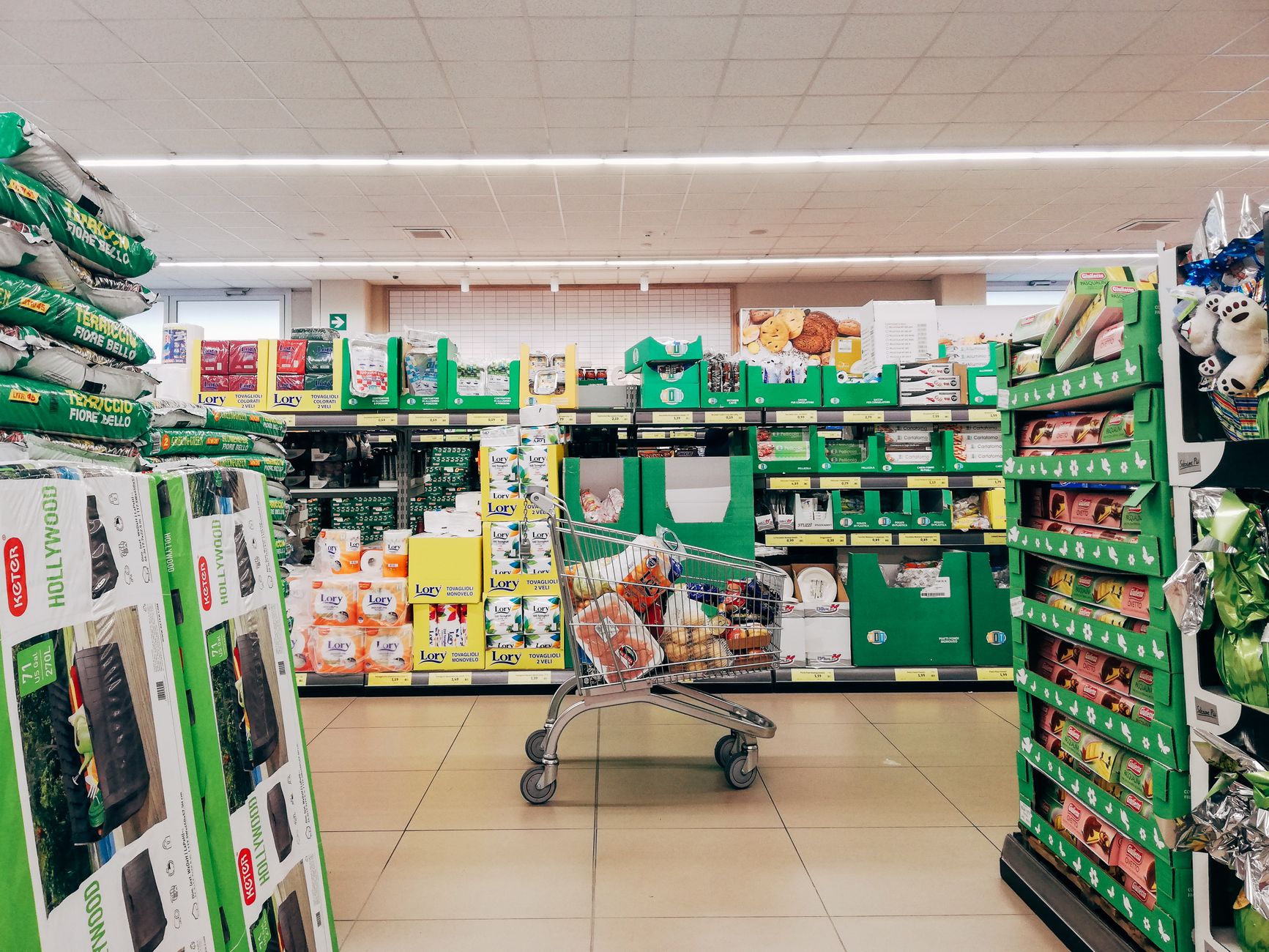
For other grocers, the pilot is a live lab for questions warehouse AMR vendors rarely face: customers in the aisle, narrow peak hours, and music-level distractions on a 12,000 square foot floor.
Why is an open store harder than a backroom lane?
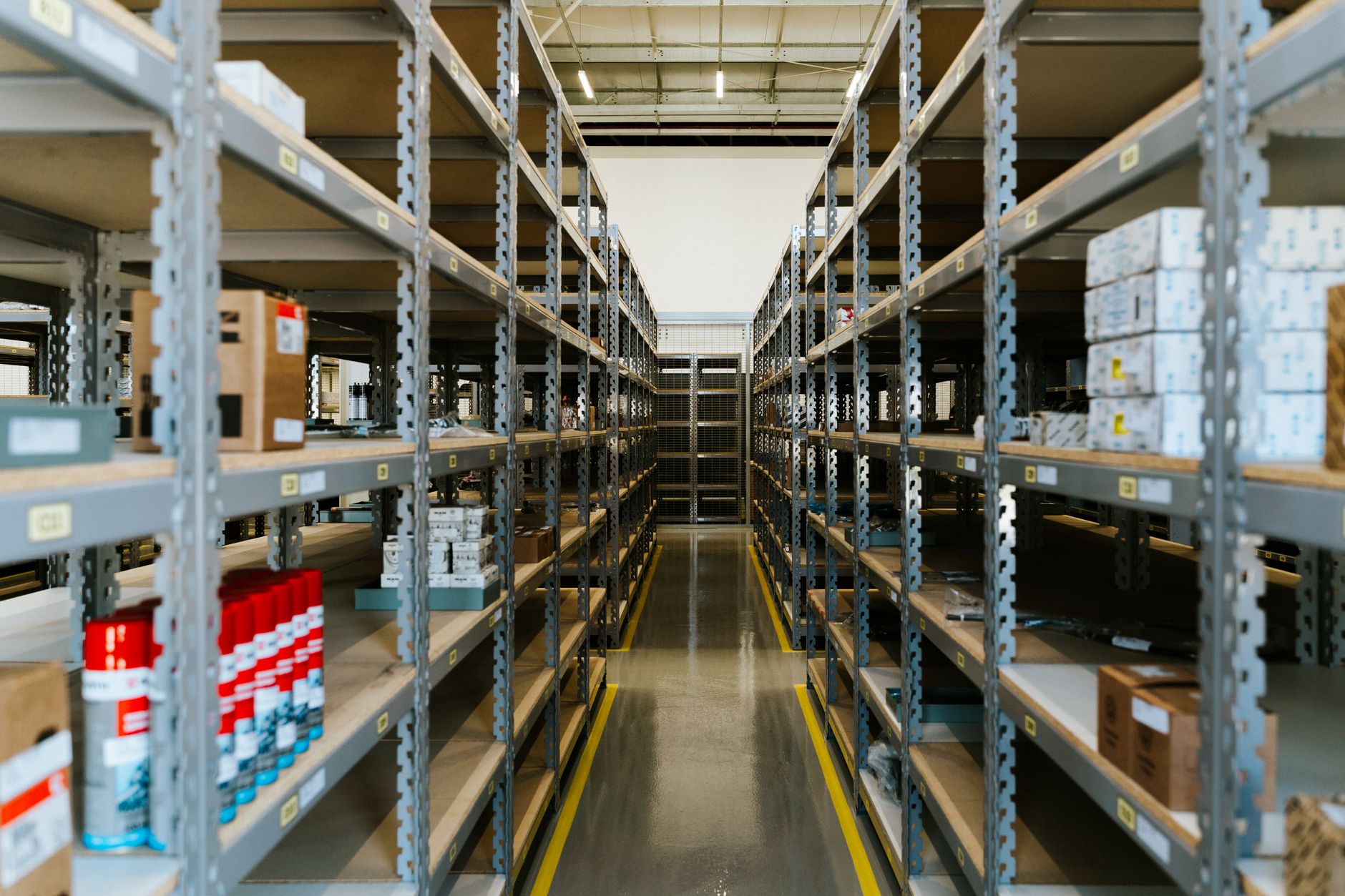
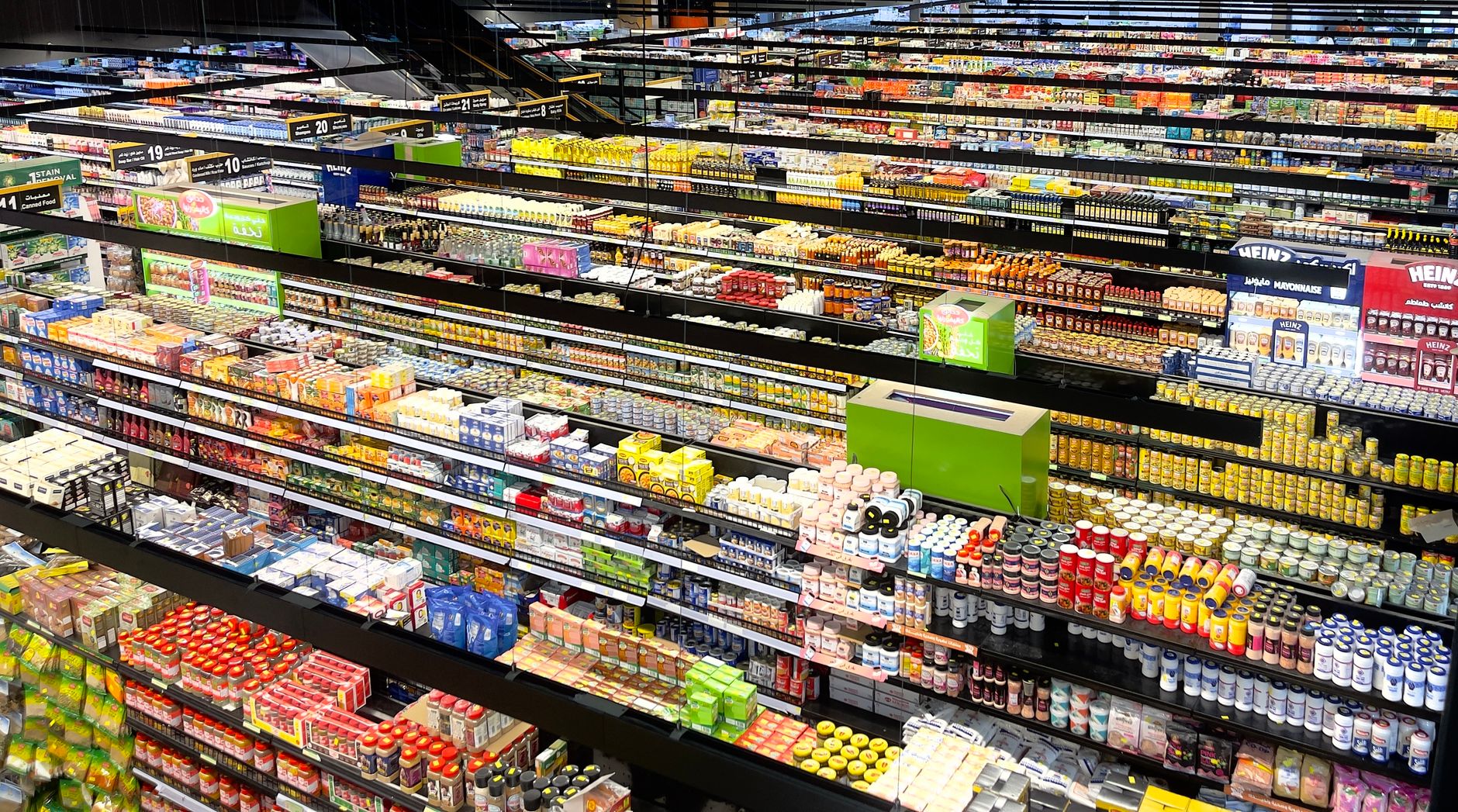
Warehouse AMRs assume fenced zones and forklift rules. A grocery floor mixes strollers, delivery pickers, and promo stacks that move daily. Speed limits that feel fine at 6 a.m. may be reckless at 5 p.m.
Lidar and cameras must handle reflective freezer doors, produce mist, and temporary pallet drops for weekend displays. A pilot should log near-misses and full stops, not only completed trips.
If the robot cannot yield gracefully at narrow endcaps, associates will push it offline to keep peace with regulars.
How should associate handoffs work?
The valuable minute is often at the handoff: who unloads the cart, who faces the shelf, who returns empties. If the robot drops stock in a crowded aisle and walks away, you have not removed labor, you have shifted complaints.
Write a standard work sequence: receive, verify count, escort if needed, break down, face, return cart. Train every shift lead, not only the enthusiast who volunteered on day one.
Union and scheduling rules may define whether an AMR replaces a runner role or creates a new monitor role. Budget both.
What customer traffic patterns matter most?
Measure trips by hour band. Back-to-school Sunday traffic is the stress test, not Tuesday reordering.
Define customer-facing behavior: audible signals, lighting, and whether the unit pauses when a cart blocks the lane. Shoppers forgive technology once; they do not forgive blocked access to milk twice.
Capture comment cards or manager notes. Sentiment is part of the ROI when you sell a neighborhood store experience.
When does aisle blockage cancel the benefit?
If the robot waits behind a floor stack for three minutes, a human runner might have been faster. Log blockage reason codes: promo build, cart abandonment, spill cleanup, photo shoot.
Some grocers will schedule robot moves only before open or after close for heavy cases, using daytime autonomy for lighter totes. Pilots should test both modes instead of assuming 24-hour loops.
Aisle width and corner geometry matter as much as software. One store layout does not certify a banner.
How do you measure replenishment speed fairly?
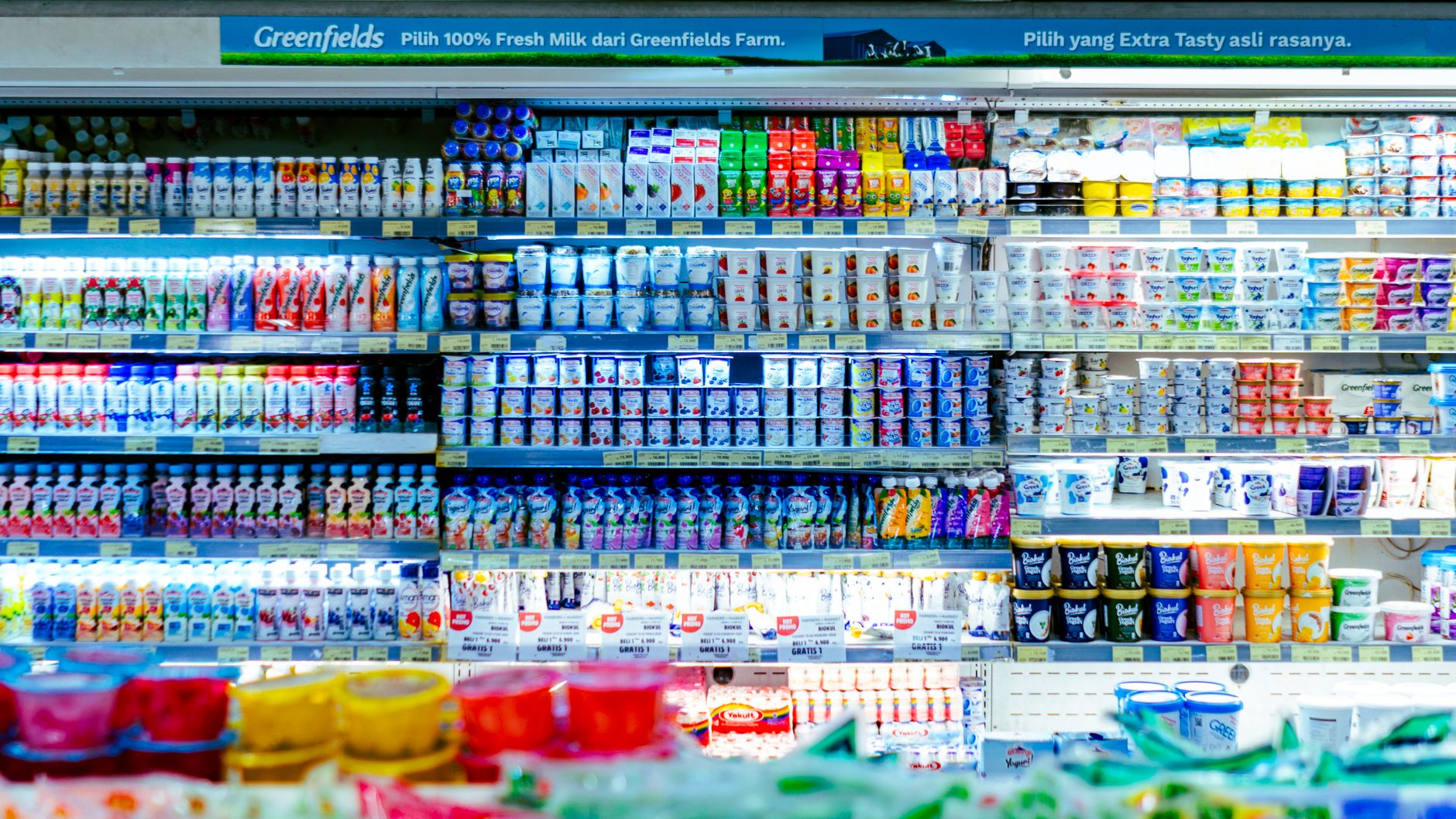
Compare like periods: same SKU list, same associate pairing, with and without the AMR leg. Include time to stage the cart in the back room.
Track cases per labor hour for the replenishment team, not only robot trips completed. A fast robot with a slow shelf stocker still misses the goal.
Publish a simple dashboard store managers can read without a robotics engineer on speed dial.
What safety exceptions must be scripted?
Spills, shattered jars, and active forklift deliveries in the receiving door zone need estop and reroute rules. Associates must know who may restart the unit.
Children interacting with moving carts are a real scenario in neighborhood stores. Define standoff distance and when to pause until a parent passes.
Fire drills and power glitches should appear in the playbook before inspectors ask.
What evidence should gate expansion beyond one store?
Demand four to eight weeks of continuous operation data, injury-free, with documented handoffs and customer feedback trends.
Require proof that labor hours moved to customer-facing tasks, not hidden in extra meetings about the robot.
Insist on a service model with loaner units and on-site response times that match dairy delivery windows.
How does this differ from warehouse AMR programs?
DC projects optimize pallet miles behind doors. Store pilots optimize perception, etiquette, and peak-hour yield on a public floor.
Integrators who deploy cleaning and delivery robots in grocery backrooms can reuse mapping discipline, but public aisles need new training films and new insurance riders.
Service Robot Co. helps banners compare warehouse automation with in-store pilots so capital does not fund the wrong copy-paste.
What should a grocer ask the vendor before store two?
Ask for reference stores with similar square footage and foot traffic, not only trade-show footage.
Request blockage analytics, handoff time distributions, and spare-unit policy in writing.
Treat Foodcellar as an early signal that in-store transport is leaving the demo phase, not as proof your banner is ready without your own numbers.
- Hourly traffic bands in the test plan
- Written handoff and estop roles
- Blockage reason logging
- Cases per labor hour, not trip count alone
- Expansion gate tied to weeks of live data
Frequently asked questions
Sources
Service Robot Co. is not affiliated with, sponsored by, or endorsed by the companies mentioned in this article.