Key takeaways
- Aldi began automated fresh produce handling at Bardon in 2026 after the site opened in May.
- The DC uses separate temperature zones for chilled produce and specialty rooms such as bananas.
- Public statements cite more than 500 million pounds invested in the Bardon site alone.
- US regional grocers should automate one temperature lane before they replatform a whole DC.
- Vendor-neutral integrators help match AMRs and shuttles to real dock and rack layouts.
What did Aldi automate at Bardon?
In 2026, Aldi started fresh produce operations at its Bardon distribution center in Leicestershire, UK, using automated handling for pallets moving through chilled storage and dispatch, according to trade coverage of the deployment. The site had opened broader operations in May 2026 as part of a major investment push across Britain.
The produce flow spans three dedicated temperature-controlled areas, including chilled storage for items such as apples and carrots and a specialized banana room. Automated shuttles move pallets into high-bay storage and retrieve them for outbound loads when stores need replenishment.
Why fresh produce automation is harder than dry grocery
Dry grocery tolerates wider temperature swings and longer dwell times. Produce does not. A single hour in the wrong zone shows up as shrink on the store floor the next morning. Aldi's layout keeps different products in environments matched to shelf life, which is the part US operators should study first.
Automation here is less about flashy robots on a trade-show aisle and more about repeatable pallet moves without breaking the cold chain. That is why the story matters for US regional chains that still depend on forklift loops and manual rack putaway in produce rooms.
Scale signals from public statements
Coverage tied to the project cited more than 500 million pounds invested in the Bardon site and a wider 1.6 billion pound Aldi investment plan for Britain across 2026 and 2027. When fully operational in 2027, peak periods could move more than 1.5 million kilograms of fruit and vegetables through the building daily, with more than 6,000 produce pallets departing each day toward stores.
Those numbers are not a blueprint for every US operator. They show what happens when produce volume justifies dedicated automation rather than bolting scanners onto an aging dry DC.
The building footprint reported for Bardon, about 120,774 square meters, is another reminder that automation ROI ties to density. Sparse sites may still be better served by disciplined forklift standards until volume grows.
The building footprint reported for Bardon, about 120,774 square meters, is another reminder that automation ROI ties to density. Sparse sites may still be better served by disciplined forklift standards until volume grows.
The building footprint reported for Bardon, about 120,774 square meters, is another reminder that automation ROI ties to density. Sparse sites may still be better served by disciplined forklift standards until volume grows.
The building footprint reported for Bardon, about 120,774 square meters, is another reminder that automation ROI ties to density. Sparse sites may still be better served by disciplined forklift standards until volume grows.
The building footprint reported for Bardon, about 120,774 square meters, is another reminder that automation ROI ties to density. Sparse sites may still be better served by disciplined forklift standards until volume grows.
The building footprint reported for Bardon, about 120,774 square meters, is another reminder that automation ROI ties to density. Sparse sites may still be better served by disciplined forklift standards until volume grows.
What US grocers can copy without matching Aldi's budget
Copy the sequencing, not the price tag. Start with one inbound lane where temperature, slotting, and damage rates are already painful. Instrument that lane, prove dwell time and shrink move in the right direction, then add the next zone.
US regional grocers often run mixed fleets of legacy rack and newer ASRS in different cities. Treat each campus as its own pilot with shared playbooks for training, maintenance, and exception handling.
- Map temperature boundaries before you automate movement.
- Measure shrink and dwell time weekly during the pilot month.
- Staff a single operations owner for exceptions and manual overrides.
- Align maintenance contracts with cold-chain uptime, not only robot hours.
Labor and roles on an automated produce line
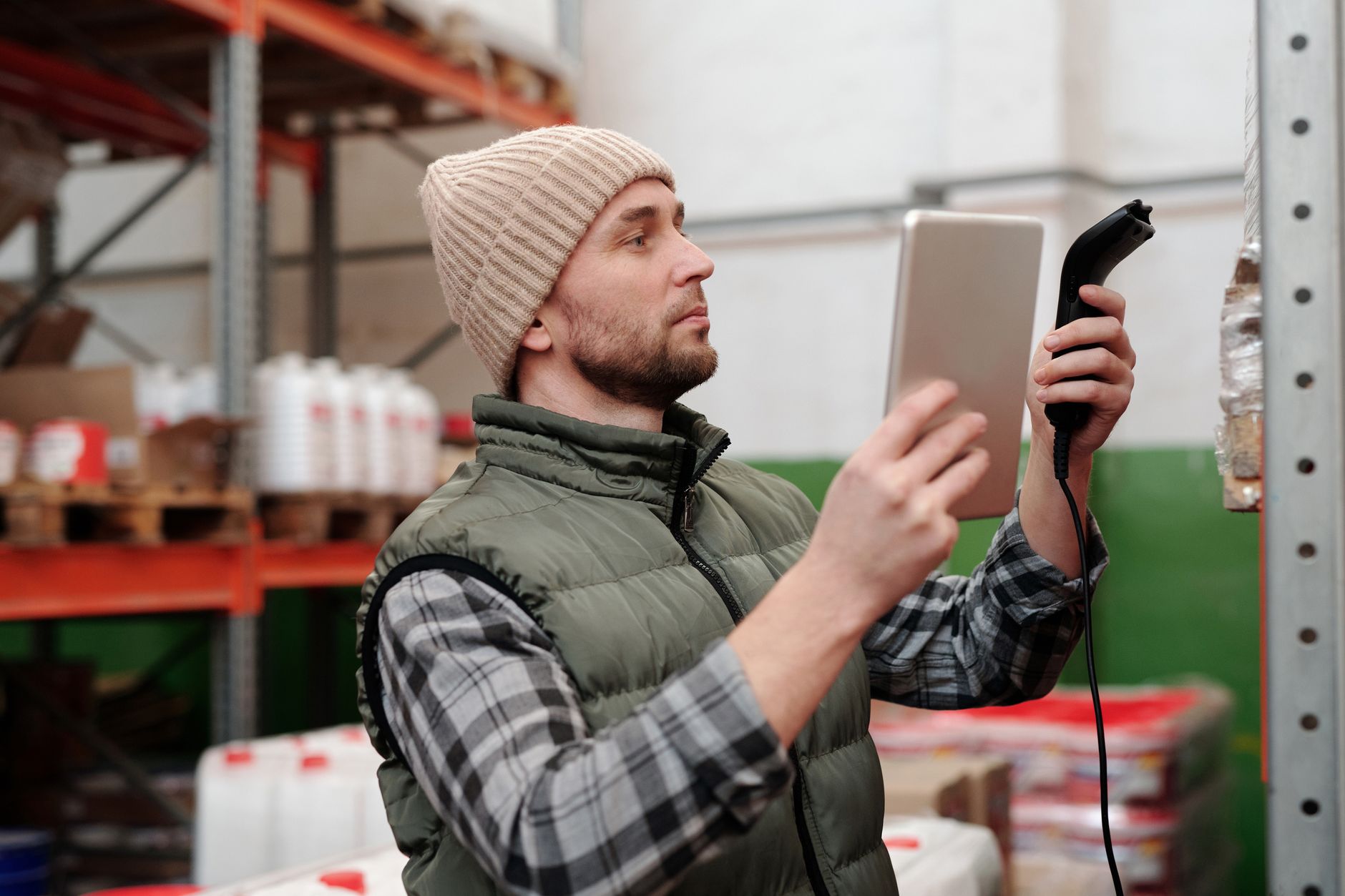
Automation in produce DCs usually shifts people from long forklift transits to quality checks, wrap and strap fixes, and load verification. Aldi's public narrative focused on moving product efficiently while protecting freshness, which is the same staffing conversation US directors have with union and HR teams.
Train for exceptions first. A stuck shuttle in a chilled room is a food-safety clock, not a generic fault code. Write escalation steps and spare-parts staging before go-live.
Document every manual override during month one. Those notes become the training manual for night shift leads when automation handles the easy 80 percent of moves.
Document every manual override during month one. Those notes become the training manual for night shift leads when automation handles the easy 80 percent of moves.
Document every manual override during month one. Those notes become the training manual for night shift leads when automation handles the easy 80 percent of moves.
Document every manual override during month one. Those notes become the training manual for night shift leads when automation handles the easy 80 percent of moves.
Document every manual override during month one. Those notes become the training manual for night shift leads when automation handles the easy 80 percent of moves.
Document every manual override during month one. Those notes become the training manual for night shift leads when automation handles the easy 80 percent of moves.
Where Service Robot Co. fits outside the mega-DC
Not every grocer builds a million-square-foot campus. Many US operators need autonomous scrubbers in produce prep areas, AMRs between chill rooms and break-pack lines, or patrol robots on yard gates. Service Robot Co. stays vendor neutral, then finances, deploys, trains, and services units nationwide.
That single-partner model matters when your first project is one city, not an entire network. Expand when completion logs and shrink data justify the next site.
Phased rollout beats a big-bang DC conversion
Aldi opened the broader Bardon site before fresh produce automation went live. US operators should mirror that patience. Keep stores supplied while one wing of the DC changes underneath the team.
Big-bang cutovers create panic picking and hidden shrink. A phased lane-by-lane plan costs calendar time and saves customer trust.
What produce automation does not fix
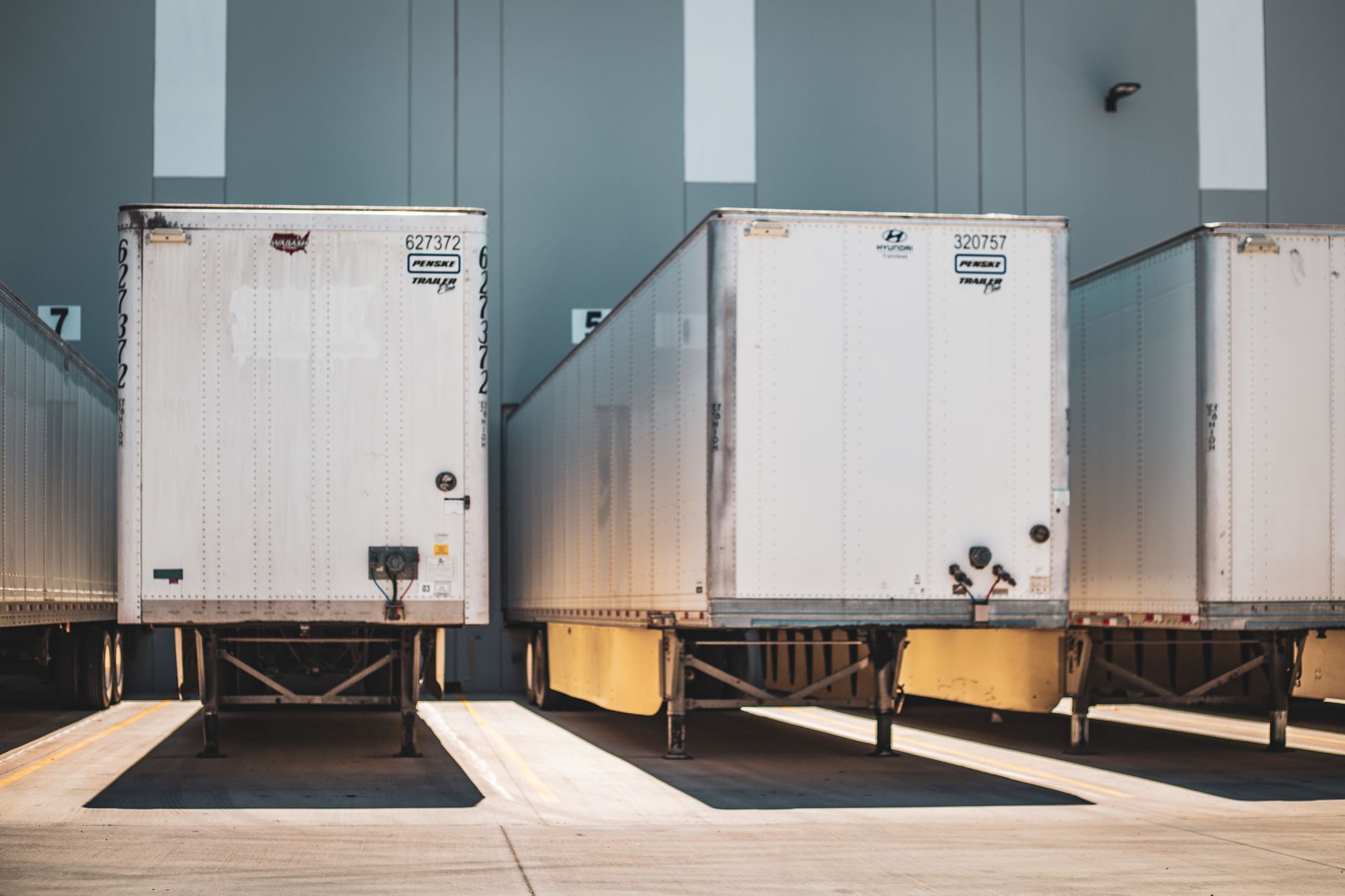
It does not cure bad vendor quality, poor forecast accuracy, or stores that skip rotation on the sales floor. It also will not help if your receiving docks are too narrow for the equipment you bought on paper.
Treat automation as cold-chain discipline plus material flow, not as a substitute for merchandising judgment.
Frequently asked questions
Sources
Service Robot Co. is not affiliated with, sponsored by, or endorsed by the companies mentioned in this article.