Key takeaways
- OSHA renewed its National Emphasis Program for warehouses in 2026, meaning more proactive, comprehensive inspections.
- The highest OSHA penalties in 2026 are $16,550 for a serious violation and $165,514 for a willful or repeat violation.
- Common citations involve powered industrial trucks, hazard communication, fall protection, and blocked egress routes.
- Material handling and inspection robots can reduce human exposure to hazards and improve safety documentation.
- A full-service robot integrator can manage the entire lifecycle of your automation, from deployment to maintenance.
More Scrutiny, Higher Stakes: What to Expect from OSHA in 2026
For warehouse and distribution center operators, 2026 marks a period of heightened regulatory focus. In a significant move, the Occupational Safety and Health Administration (OSHA) renewed its National Emphasis Program (NEP) for warehousing and distribution centers, extending the program for five years. This renewal signals that OSHA will continue to proactively target these facilities for comprehensive safety inspections, rather than waiting for an accident or complaint.
The financial stakes are higher than ever. As of 2026, OSHA's maximum penalty is $16,550 for each serious violation. For willful or repeated violations, that figure skyrockets to $165,514 per infraction. A single inspection that uncovers multiple issues-such as a blocked exit, an untrained forklift operator, and missing chemical labels-can quickly lead to six-figure penalties. The agency's data justifies this focus: injury and illness rates in the warehousing sector continue to be significantly higher than the average for private industry.
What is OSHA's National Emphasis Program for Warehouses?
First launched in 2023 and renewed in August 2026, the NEP directs OSHA's resources toward industries with known high injury rates. For warehouses, this means inspectors are authorized to conduct comprehensive, wall-to-wall inspections covering a specific checklist of hazards. These are not random spot-checks. They are deep dives into the most common sources of serious injury and death in these environments.
The core focus areas of the NEP include hazards related to powered industrial trucks (like forklifts), material handling and storage, walking-working surfaces, clear pathways for egress, and fire protection. The renewal extended the program's lifespan from three to five years, giving it more continuity and underscoring OSHA's long-term commitment to scrutinizing the sector.
Which Violations Are Cited Most Often?
While the NEP provides a roadmap for inspectors, OSHA's annual list of most frequently cited standards offers a clear picture of where businesses nationwide most often fall short. Consistently topping the list are failures in Fall Protection and Hazard Communication. Though Fall Protection violations are more common in construction, the principles apply to any elevated surface in a warehouse.
Within a warehouse context, the most critical and frequently cited issues an operator must prepare for include:
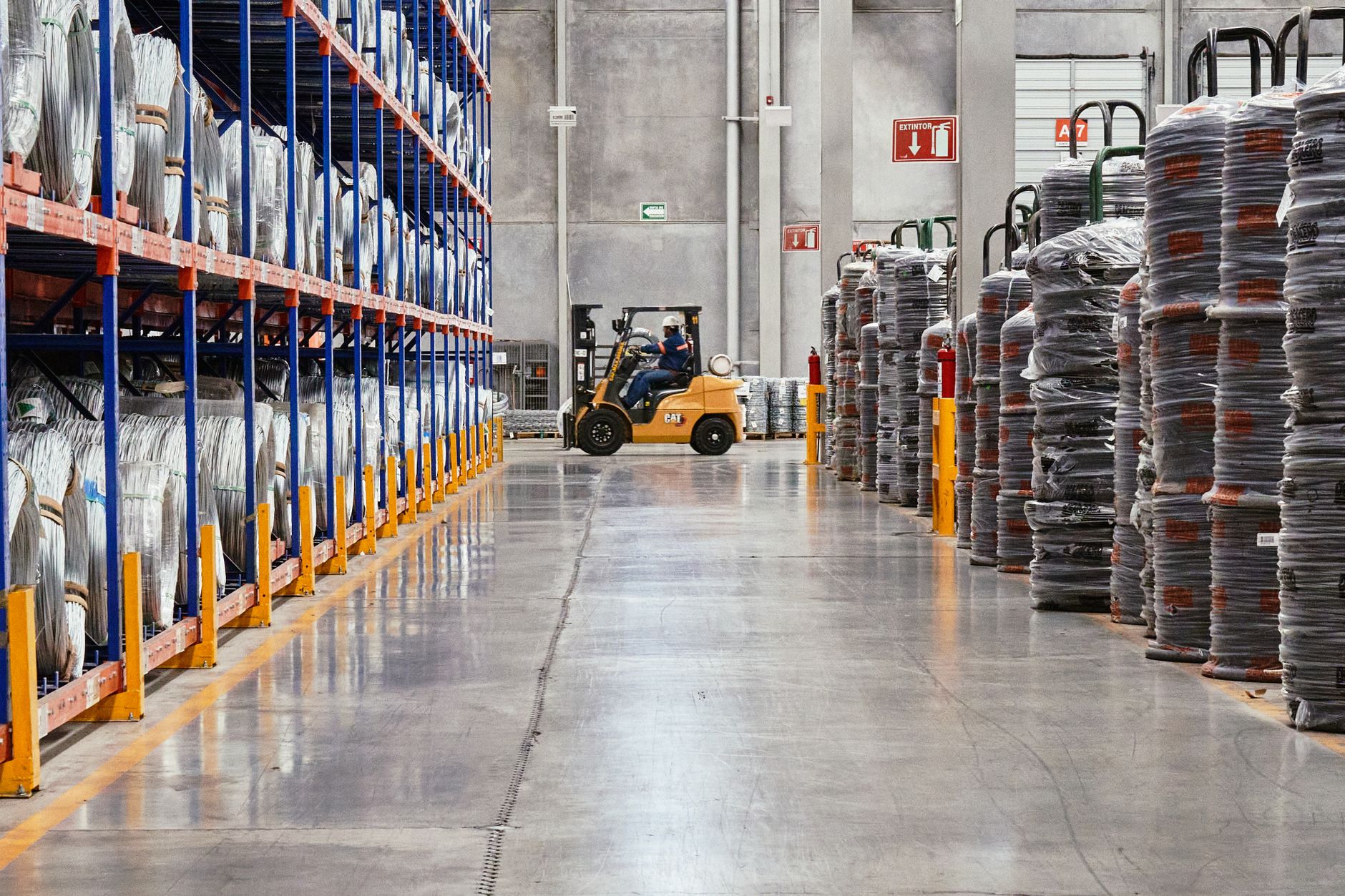
1. Powered Industrial Trucks (29 CFR 1910.178): This is a perennial top-10 violation. Citations often stem from inadequate operator training, lack of certification, or poor equipment maintenance. Inspectors will verify that only trained and authorized employees operate forklifts and that daily equipment checks are performed and documented.
2. Hazard Communication (29 CFR 1910.1200): Another top offender, this standard requires employers to properly label hazardous chemicals, provide accessible Safety Data Sheets (SDSs), and train employees on the risks. Missing labels on secondary containers and incomplete or inaccessible SDS binders are common, and costly, mistakes.
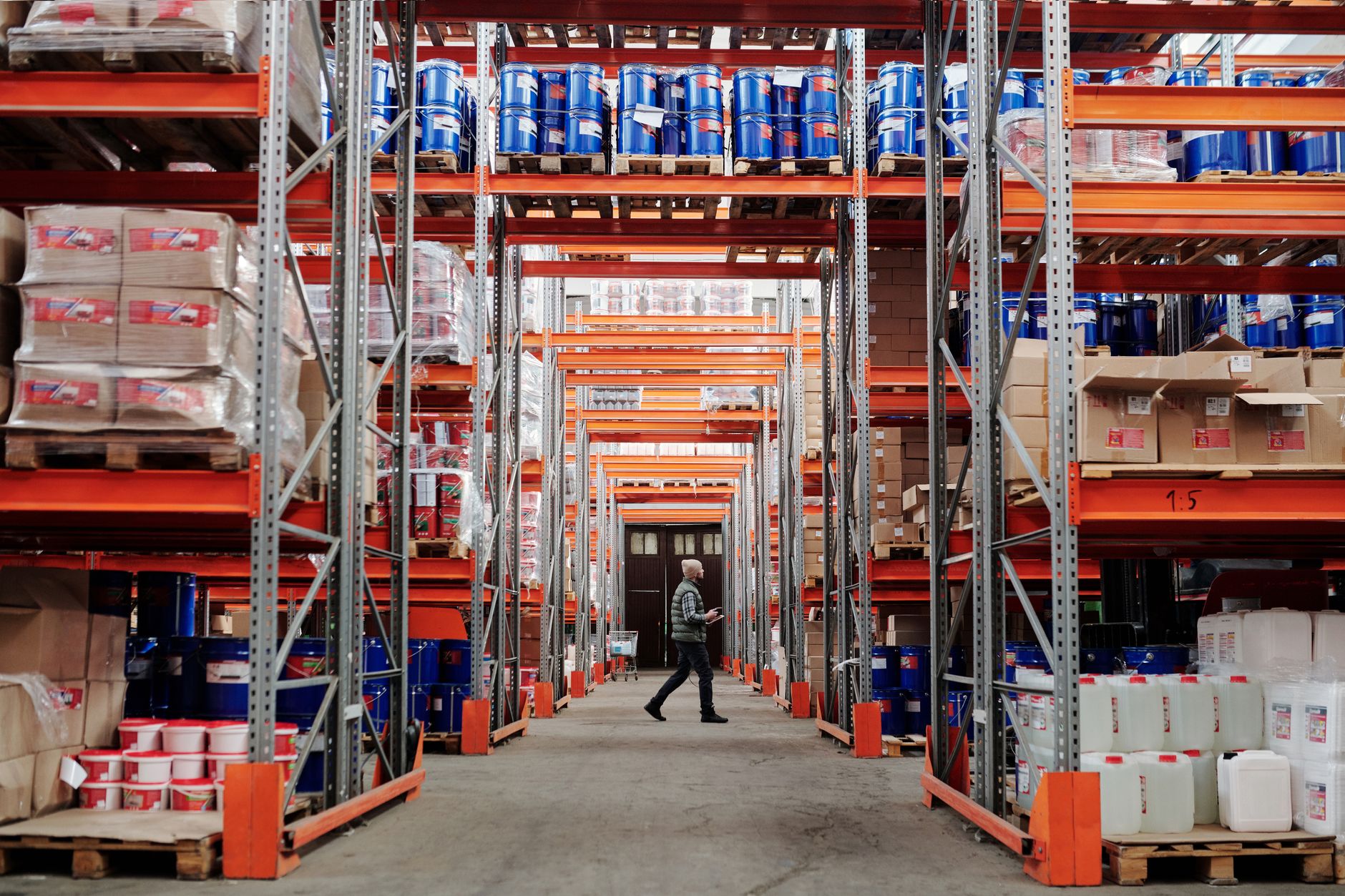
3. Walking-Working Surfaces (and Egress): This broad category covers everything from fall protection around loading docks to keeping aisles and emergency exits clear of obstructions. Blocked aisles not only create trip hazards but can also prevent a safe evacuation during an emergency, a major focus for inspectors.
How Can Robots Help with OSHA Compliance?

Preparing for an inspection is not just about correcting visible hazards. It's about demonstrating a proactive, systemic approach to safety. This is where automation and robotics can provide a powerful advantage, turning compliance from a reactive scramble into a continuous, documented process.
Automated Mobile Robots (AMRs) for material handling directly address several key risk areas. By taking over the repetitive transport of pallets, carts, and totes, they reduce the number of human-operated powered industrial trucks on the floor. This lowers the risk of collisions and struck-by incidents, a major source of warehouse injuries. Furthermore, AMRs remove the ergonomic strain of manual lifting, pushing, and pulling, which historically leads to a high rate of musculoskeletal disorders.
Inspection robots, such as quadrupeds or drones, provide a new layer of documentation and oversight. These robots can be programmed to regularly patrol and scan the facility, even during off-hours. They can identify and digitally log obstructions in aisles or near emergency exits, providing a time-stamped record of the hazard and its correction. This creates an objective, unimpeachable audit trail that proves to an inspector that you have an active safety monitoring program in place.
Building a Proactive Safety Culture with an Integration Partner
Adopting robotic technology may seem like a complex undertaking, but you don't have to navigate it alone. Working with a full-service commercial robot integrator like Service Robot Co. removes the logistical burdens and allows you to focus on the safety benefits. As an OEM-neutral partner, we select the right robots for your specific challenges, whether it's an AMR for pallet transport or an autonomous floor scrubber to prevent slip hazards.
Our model covers the entire automation lifecycle. We handle the initial site assessment and deployment, integrate the robots with your existing systems, and provide comprehensive training for your staff. Crucially, our nationwide network of engineers delivers ongoing service and maintenance for every unit. This one-vendor approach means you have a single point of contact for the whole fleet, ensuring uptime and consistent performance.
By financing the equipment through a robot rental or lease program, you can implement this technology without a large upfront capital expenditure. This makes advanced safety tools accessible, allowing you to demonstrate to OSHA that you are investing in modern, effective methods to protect your workforce.
What Happens During an OSHA Inspection?
An OSHA inspection typically begins with an opening conference, where the Compliance Safety and Health Officer (CSHO) explains the purpose and scope of the visit. The inspector will then conduct a walkaround of the facility, often accompanied by an employer and an employee representative. During this tour, they will observe work practices, talk to employees, and look for hazards in plain view.
Inspectors will request documentation, so being prepared is essential. This includes injury and illness logs (OSHA Form 300), training records for equipment operators, your written Hazard Communication Program, and maintenance records for machinery. Any gaps or inconsistencies in this paperwork can lead to citations.
The inspection concludes with a closing conference. The CSHO will discuss their findings, review any apparent violations, and explain the subsequent steps, including the potential issuance of citations and penalties. It is a formal process that demands preparation, documentation, and a clear understanding of your facility's safety weak points.