Key takeaways
- Cleveland Clinic Weston Hospital announced on October 2, 2026 a robotic sterile compounding system at its Maroone Cancer Center pharmacy.
- The hospital said it is the first in Florida to use robotics for hazardous oncology drug compounding in this configuration.
- Leadership nicknamed the system Cathey and cited shorter infusion wait times after go-live.
- The release describes automated weighing, vial handling, reconstitution, and electronic documentation steps.
- Vendor-neutral integrators help cancer centers plan validation, service, and phased pharmacy workflow changes.
What did Cleveland Clinic Weston announce in October 2026?
On October 2, 2026, Cleveland Clinic Weston Hospital posted that its Maroone Cancer Center pharmacy added a robotic system for sterile compounding of hazardous oncology medications. The announcement said the site is the first hospital in Florida to implement this approach for chemotherapy preparation in its configuration.
Leadership nicknamed the system Cathey and described automation across weighing, vial handling, reconstitution of powdered drugs, dose withdrawal, final container preparation, and electronic documentation of the process.
For US readers outside Florida, the headline is not a single robot brand. It is proof that a regional cancer center will put high-risk pharmacy steps under robotics when volume and safety rules demand it.
Why oncology pharmacies reach for compounding automation
Hazardous drug preparation exposes technicians to repeat handling risk and documentation burden. Manual compounding also creates variability when census spikes on infusion days.
Robotic cells standardize steps that regulators scrutinize closely. Electronic logs can support audit trails when surveyors ask how a specific bag was prepared.
Automation does not remove pharmacists from oversight. It shifts human time toward verification, clinical questions, and exception handling when a vial or weight fails tolerance.
What patient wait times really measure
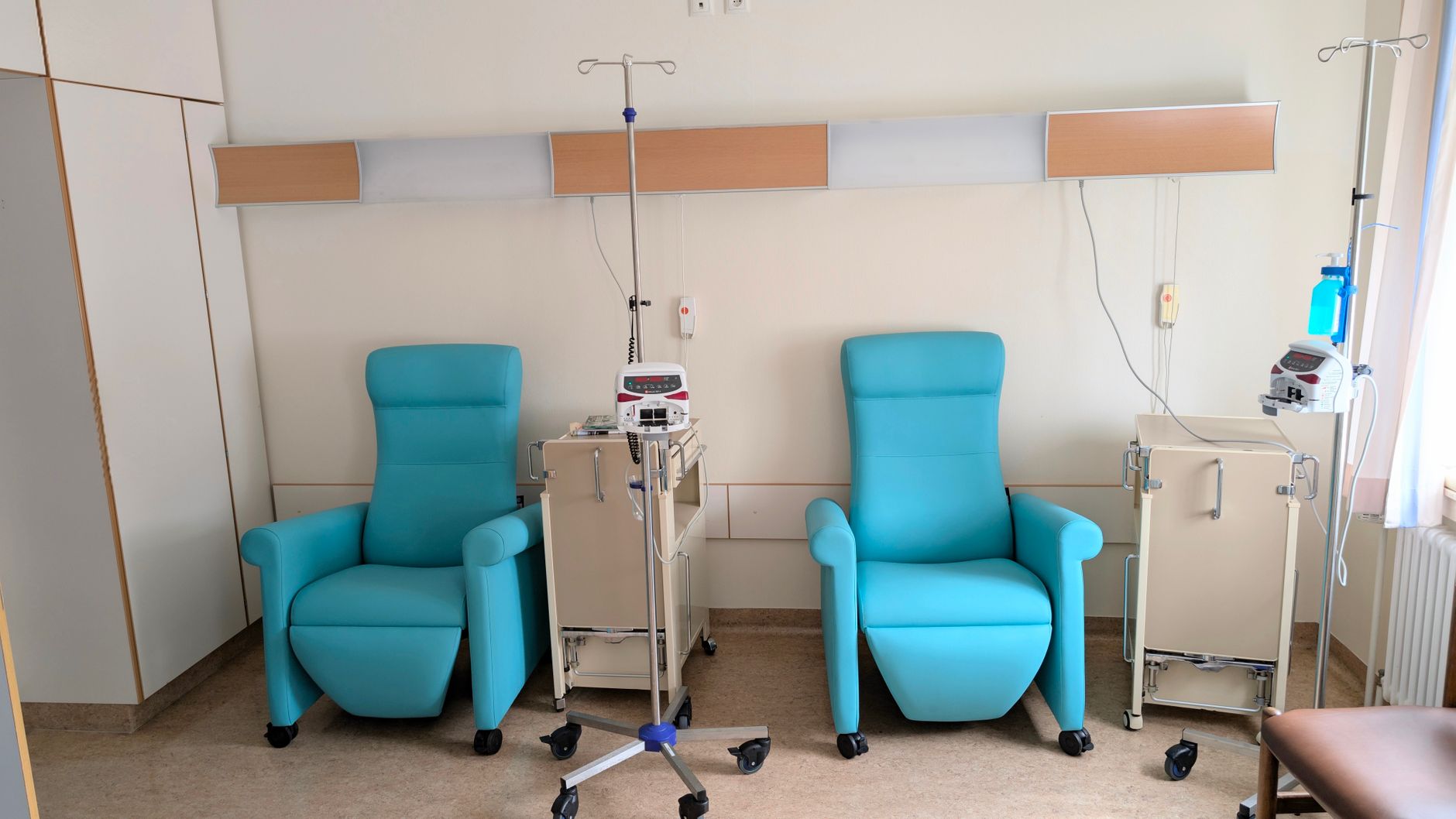
Cleveland Clinic quoted regional oncology leadership saying infusion wait times already fell after Cathey began working in the Maroone Cancer Center. Wait time is a patient-facing metric boards understand.
Your pilot should define baseline queue time from pharmacy release to chair start, not only compounding minutes. A faster robot behind a slow transport step still leaves families waiting.
Publish internally whether gains hold on high-volume Mondays and when locum staff cover the pharmacy. One good week is not a trend.
Track chair-ready time separately for morning versus afternoon infusion blocks. Pharmacy speed gains can disappear if transport staff are in another tower.
Track chair-ready time separately for morning versus afternoon infusion blocks. Pharmacy speed gains can disappear if transport staff are in another tower.
Track chair-ready time separately for morning versus afternoon infusion blocks. Pharmacy speed gains can disappear if transport staff are in another tower.
Track chair-ready time separately for morning versus afternoon infusion blocks. Pharmacy speed gains can disappear if transport staff are in another tower.
Track chair-ready time separately for morning versus afternoon infusion blocks. Pharmacy speed gains can disappear if transport staff are in another tower.
Track chair-ready time separately for morning versus afternoon infusion blocks. Pharmacy speed gains can disappear if transport staff are in another tower.
Track chair-ready time separately for morning versus afternoon infusion blocks. Pharmacy speed gains can disappear if transport staff are in another tower.
Track chair-ready time separately for morning versus afternoon infusion blocks. Pharmacy speed gains can disappear if transport staff are in another tower.
Track chair-ready time separately for morning versus afternoon infusion blocks. Pharmacy speed gains can disappear if transport staff are in another tower.
Track chair-ready time separately for morning versus afternoon infusion blocks. Pharmacy speed gains can disappear if transport staff are in another tower.
Track chair-ready time separately for morning versus afternoon infusion blocks. Pharmacy speed gains can disappear if transport staff are in another tower.
Which steps should stay human in phase one
Even highly automated lines keep pharmacists on clinical review, allergen checks, and therapy changes that robots cannot interpret. Pediatric dosing and protocol exceptions stay human-owned.
Sterile garbing, environmental monitoring, and hood certification remain facilities and pharmacy joint work. A robot inside a bad air balance still produces unusable doses.
Document which drug classes enter the cell first. High-risk hazardous agents are the obvious start, but your committee may exclude investigational compounds until validation finishes.
- Validate weight tolerances on every drug class in scope.
- Map manual fallback when the cell faults mid-batch.
- Train infusion nurses on new bag labeling formats.
- Align IT on how documentation feeds the EHR.
How Florida-first status affects peer hospitals
Being first in a state draws surveyor and competitor attention. Peer cancer centers will call Weston for lessons on validation time, staffing mix, and vendor service response.
Smaller community oncology units should not assume they need an identical cell. Many sites still gain from partial automation or centralized compounding partnerships before capitalizing a robot.
Compare your daily hazardous dose count to the workload described in Weston’s release. Under volume thresholds, manual chemo hoods with strong QA may remain the honest answer.
Financing and partners beyond the pharmacy hood
Oncology automation is capital intensive and service sensitive. Lease structures and service robot rental style contracts appear less often here than in floor scrubbing, but multi-year service caps still matter.
Service Robot Co. stays vendor neutral across delivery, cleaning, and material handling robots for hospital campuses. For sterile compounding cells, we help facilities coordinate integrators, workflow mapping, and building readiness even when the pharmacy OEM is selected separately.
One partner mindset reduces finger pointing when HVAC, IT, and pharmacy validation overlap on the same go-live weekend.
What Cathey does not decide for your hospital
The October 2026 release does not publish dose volumes, error rates, or staffing FTE changes. Treat those as mandatory local metrics before you cite Weston in a board deck.
Compounding robots do not schedule infusions, draw labs, or counsel patients on side effects. They attack preparation variability inside the pharmacy cell.
Use Weston as a signal that Florida oncology leaders will automate hazardous prep when wait times and safety goals align. Earn your own validation binder before you claim first-in-your-state status.
Frequently asked questions
Sources
Service Robot Co. is not affiliated with, sponsored by, or endorsed by the companies mentioned in this article.