Key takeaways
- Cleveland Clinic Weston went live with robotic chemo compounding in October 2026.
- Hospital leaders described it as Florida's first such pharmacy robot in a cancer center.
- The system automates sterile steps in hazardous oncology preparation with electronic logs.
- Clinicians reported shorter waits for infusion appointments after go-live.
- US hospitals should pilot one compounding line before they scale pharmacy automation.
What did Cleveland Clinic Weston deploy?
On October 2, 2026, Cleveland Clinic Weston Hospital announced a robotic system in its cancer center pharmacy to assist with sterile compounding of hazardous oncology medications. Hospital leaders said the site became the first in Florida to implement that class of pharmacy automation for chemotherapy preparation.
Public materials described the robot handling steps such as drug and diluent weighing, hazardous drug handling, reconstitution of powdered drugs, dose withdrawal, final container preparation, and electronic documentation of the process. Those are the repetitive, protocol-heavy tasks pharmacists must execute perfectly on every bag.
Why oncology compounding is a different automation problem
Floor scrubbing robots move in open space with forgiving tolerances. Pharmacy robots work inside classified airflow and USP expectations where a labeling error or wrong concentration harms patients immediately. That is why hospital announcements emphasize precision and documentation, not novelty.
Cancer volumes keep climbing while specialty pharmacy staff remain scarce. Automation targets throughput and variance reduction, not a photo opportunity in the lobby.
What clinicians said about patient wait times
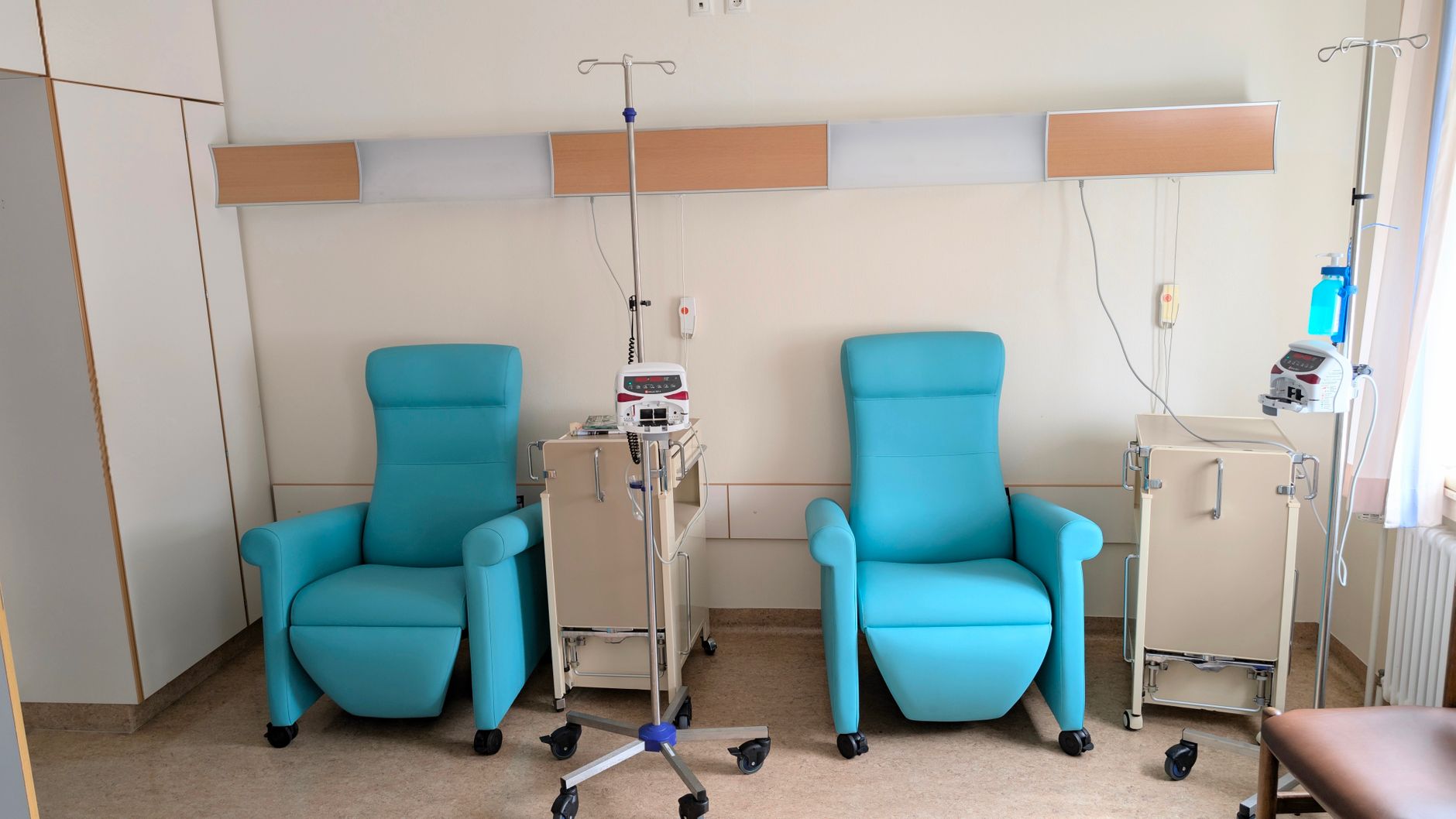
Oncology leaders quoted in the hospital news release said the pharmacy robot, nicknamed Cathey by staff, helped reduce wait times for patients receiving infusions at the Maroone Cancer Center. Shorter waits matter for patients who already spend hours on site and for schedulers trying to keep chairs full without stacking delays behind the pharmacy.
Wait time is a blunt metric. Pair it with error-near-miss reporting and rework hours to see whether automation actually stabilizes the day, not only the clock at check-in.
Staffing model: robot on protocol, humans on judgment

Hospital messaging framed the tool as support for pharmacy teams facing growing oncology demand, not as a replacement for pharmacists and technicians. Technicians still own exceptions, recalls, and the conversations when a regimen changes mid-day.
If you skip that framing in training, staff sabotage adoption with workarounds. Write who signs off on each batch, who restarts after a fault, and who speaks with nurses when a dose is held.
- Map every manual override path before go-live.
- Log rework minutes weekly during the first quarter.
- Pair pharmacy and nursing leads in the same training session.
- Keep a backup manual line staffed during early weeks.
What US hospitals should evaluate before buying
Start with volume and volatility on your hazardous drug queue. A robot that shines on steady batch sizes may choke on constant protocol changes unless software updates are fast and validated.
Review airflow and room layout with facilities, not only IT. A pharmacy robot is a building system tied to HVAC, power, and cleaning schedules.
Ask for evidence on integration with your electronic health record and barcode checks. Documentation is part of the therapy, not an add-on.
Compare your oncology growth projections to pharmacy FTE plans for the next two years. If the gap is widening, automation is a capacity conversation, not a gadget purchase.
Document every batch hold during month one. Those holds become the acceptance criteria before you turn off the parallel manual bench.
Where Service Robot Co. fits in hospital automation
Pharmacy compounding robots are one slice of hospital automation. Many campuses also need delivery robots for meds and labs, UV disinfection in patient towers, or autonomous scrubbers in lobbies. Service Robot Co. stays vendor neutral, then finances, deploys, trains, and services units through a nationwide engineer network.
That single-partner model helps when your first project is one tower, not an entire health system RFP. Expand when completion logs and clinical metrics justify the next wing.
Regulatory and safety gates you cannot skip
Oncology compounding sits under strict hazardous drug handling rules and internal validation protocols. A robot must pass the same quality gates as a new manual line, with stress tests on power loss, software rollback, and cleaning between batches.
Involve infection control and occupational health early. They own questions about wipes, spills, and staff exposure that engineering alone will miss.

What pharmacy robots do not solve
They do not fix bad forecasts of chair demand, prior authorization delays, or nursing shortages on the infusion floor. They also will not help if your hospital lacks baseline barcode discipline on the manual line today.
Treat the robot as a precision tool on the sterile prep bench, not as a shortcut around pharmacy governance.
Frequently asked questions
Sources
Service Robot Co. is not affiliated with, sponsored by, or endorsed by the companies mentioned in this article.