

Key takeaways
- Fairway automation shifts crew hours; it does not remove the need for greens, bunker, and tee prep.
- Clubhouse floors fail when you treat locker rooms and pro shops as leftover night work.
- Sequence outdoor routes first, then map indoor scrubber paths around member traffic and humidity.
- Buy or lease indoor units only after you know charging, water, and staff ownership for each building.
- One integrator can align fairway, cart path, and clubhouse robots under a single service plan.
Why are superintendents talking about fairway robots and clubhouse floors in the same breath?
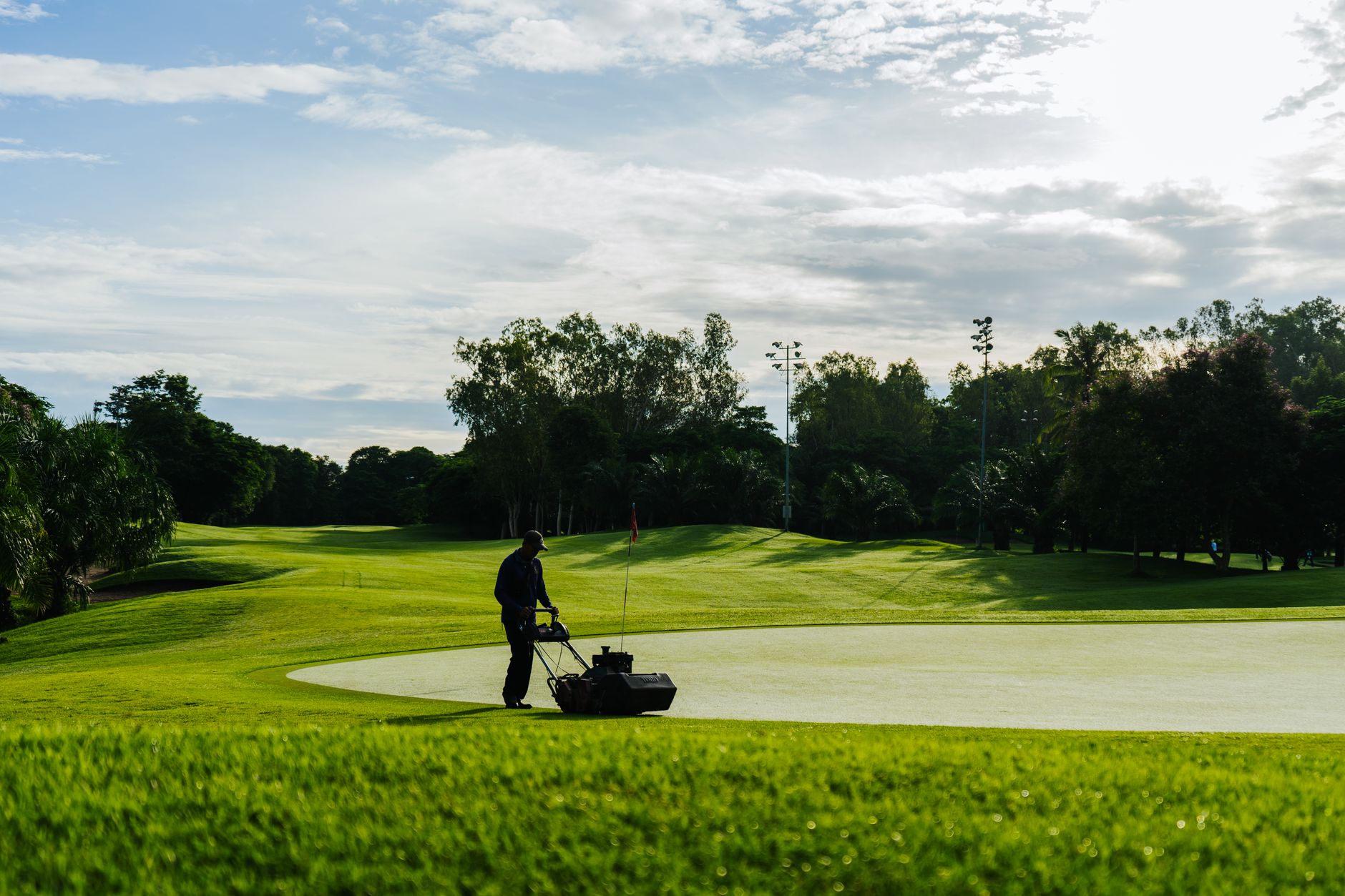
Autonomous fairway mowing is moving from pilot programs to budget line items at municipal and private courses alike. Shreveport Public Assembly and Recreation said on October 14, 2026 that it bought self-driving fairway mowers for Huntington Park and Querbes Park to ease staffing pressure, according to KTBS. That headline is about turf, yet every superintendent knows the member experience still lives in the clubhouse, locker rooms, and pro shop.
The practical question is sequencing. Outdoor robots can reclaim mower-seat hours. Indoor autonomous scrubbers can reclaim mop-and-bucket hours. If you add one without planning the other, you simply move the bottleneck from fairways to sticky tile at 6 a.m.
Service Robot Co. works with courses that want one partner to select, finance, deploy, and service cleaning robots indoors while fairway programs roll out outside. The goal is not more gadgets. It is a floor plan that matches how your crew actually works through a tournament week.
What changes on the crew calendar when fairways start mowing themselves?
At the Country Club of New Bedford in Massachusetts, head professional Tony Garcia told Golfweek in June 2026 that two autonomous fairway units could cover roughly 20 to 30 acres of fairway in about four hours, work that previously tied up multiple operators and machines. Garcia stressed the machines change how the team works rather than eliminating roles outright.
That pattern matters for clubhouse planning. Hours once spent on fairway loops can shift to detail mowing, bunker edges, and event setup. They can also shift to interior resets if you do not protect those hours.
Write the weekly calendar before you sign paperwork. Block fairway robot runtime around frost delays, league nights, and aerification. Then block indoor scrubber runs around locker peak times and junior clinic traffic. Treat both blocks as production time, not filler.
Where do clubhouse floors break down after outdoor automation?

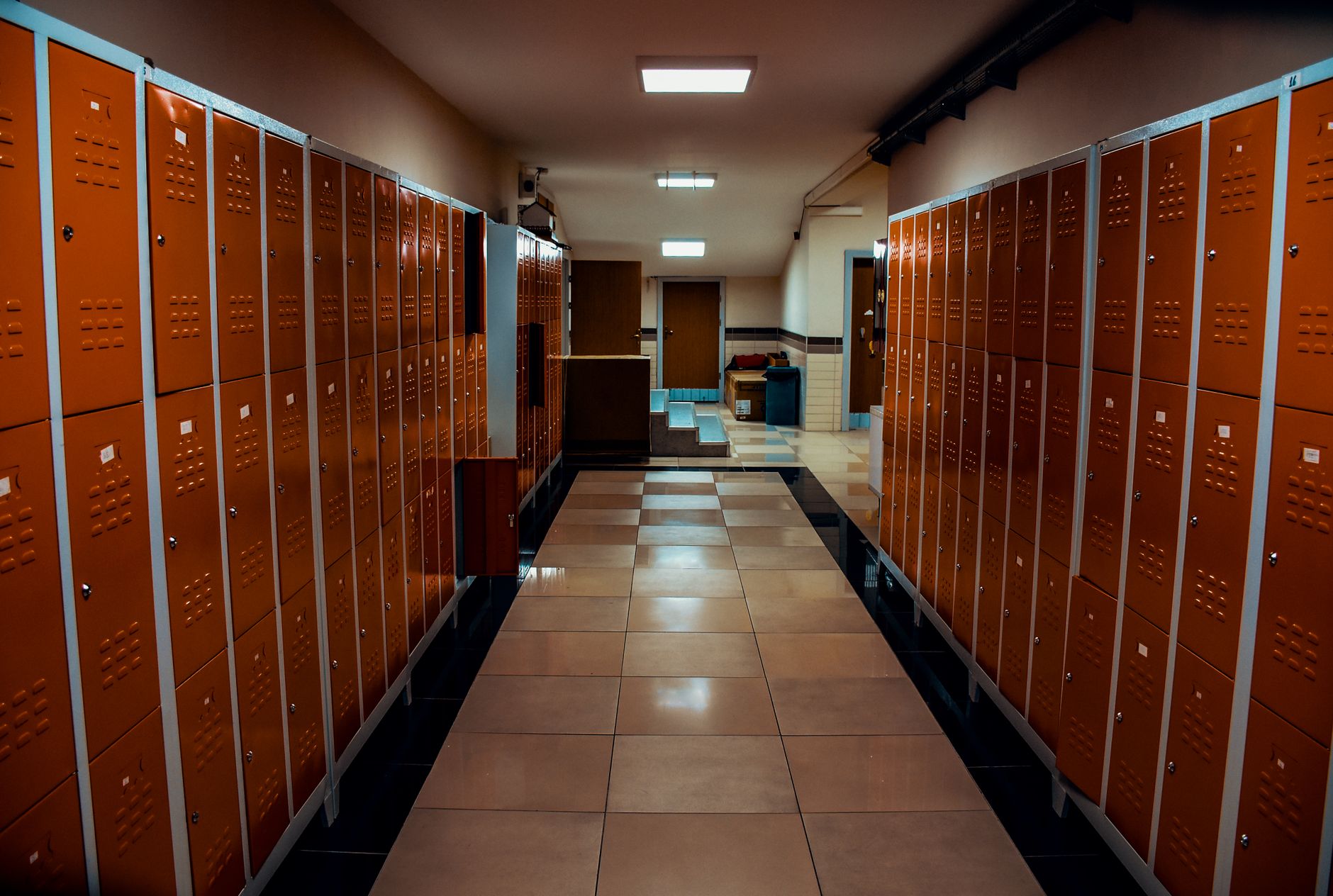
Clubhouses mix high-visibility hard surface with moisture and organic debris. Spike marks, grass clippings, and drink spills concentrate at entries, locker showers, and the threshold between cart barn and retail.
Pro shops add another wrinkle: narrow aisles, display bases, and carpet transitions that punish a rushed mop job. A single overnight pass with an autonomous scrubber on a mapped route beats asking a tired crew member to hit every corner after a 12-hour agronomy day.
Humidity in southern markets keeps floors slick longer after rain events. Battery-powered outdoor mowers already show up in municipal pilots partly because they run quieter than gas fleets, as SPAR noted in the October 2026 Shreveport announcement. Indoor units need the same discipline: dry time, signage, and a clear rule for when members re-enter a lane.
How should you sequence fairway robots and indoor scrubbers?
Start with a two-week hour map. Log who mows, who cleans, and who sets up for play without guessing. Mark tasks that repeat daily versus tasks that spike before member-guest events.
Phase one is outdoor routing. Confirm exclusion zones, cart path crossings, and where a fairway unit hands off to rough. Only after those paths are stable should you lock indoor maps. Otherwise you will remap locker hallways every time agronomy tweaks a fairway pattern.
Phase two is indoor mapping. Walk locker rooms, grill rooms, and pro shops with a tape measure mindset: doorway width, floor drains, elevator thresholds, and where a scrubber can dock without blocking fire lanes. Service Robot Co. uses site assessments to catch those details before a unit ships.
Phase three is ownership. Name the person who starts each robot, empties debris hoppers, and reports a fault to RoboCare support. Splitting ownership between turf and clubhouse staff fails when both teams assume the other will tap start on the tablet.
Which indoor robot jobs belong on the same plan as fairway automation?
Autonomous scrubbers handle daily hard-floor recovery in locker rooms, grill kitchens, and ballroom pre-function space. They are the closest analog to fairway mowing: repetitive, route-based, and sensitive to timing.
Sweepers and smaller scrubbers fit cart paths, patios, and bag-drop zones where debris is coarse but acreage is smaller. They complement fairway units without competing for the same crew lead.
Security cameras on solar trailers can watch parking lots and remote maintenance yards while patrol routes are still being designed. Inspection drones can snapshot irrigation or turf stress, but they do not replace a scrubber on tile.
Keep greens and tees on your reel fleet unless your agronomy plan explicitly says otherwise. Fairway robots should free hours for those surfaces, not starve them.
What should you ask before you buy or lease clubhouse cleaning robots?
Ask how maps update after a renovation. Clubhouses change layouts when pro shops expand or locker rooms get refreshed. Your vendor should show a clear process to edit routes without a full redeployment.
Ask where water fill and drain happen. Scrubbers are not fairway mowers; they need a hygiene plan, not just a charging pad.
Ask how service escalates on a Saturday morning. Regional engineers matter when a member tournament starts in two hours and a scrubber throws a fault code.
Ask how financing lines up with your capital calendar. Courses buy outright or lease through financing; match the term to how long you expect to keep the building footprint stable.
Service Robot Co. bundles selection, deployment, training, and ongoing service so clubhouse robots do not become an orphan project while turf tech chases GPS corrections outdoors.
How do you keep members from noticing the transition?
Communicate quiet hours, not robot brands. Members care that grill floors are dry before breakfast, not which integrator mapped the route.
Stage robots when the building is empty. Align scrubber starts with fairway mower departures so crews are not juggling two startups at dawn.
Measure what members touch: entryways, locker benches, pro shop counters. Put your best indoor passes there, not only in back hallways that guests skip.
Review results weekly for four weeks. Turf managers already scout fairways daily; extend that habit to a five-minute indoor walkthrough. Small route tweaks beat heroic deep cleans before a major event.


