Key takeaways
- Hammersmith received its first surgical robot in September 2026 under an expanded NHS trust program.
- Leadership targets nearly 450 robotic procedures per year across several specialties.
- Multi-site programs need shared training, service, and scheduling standards.
- US systems can apply the same playbook to delivery and cleaning robots.
- Vendor-neutral integration keeps expansion from fragmenting support contracts.
What did Imperial College Healthcare announce in September 2026?
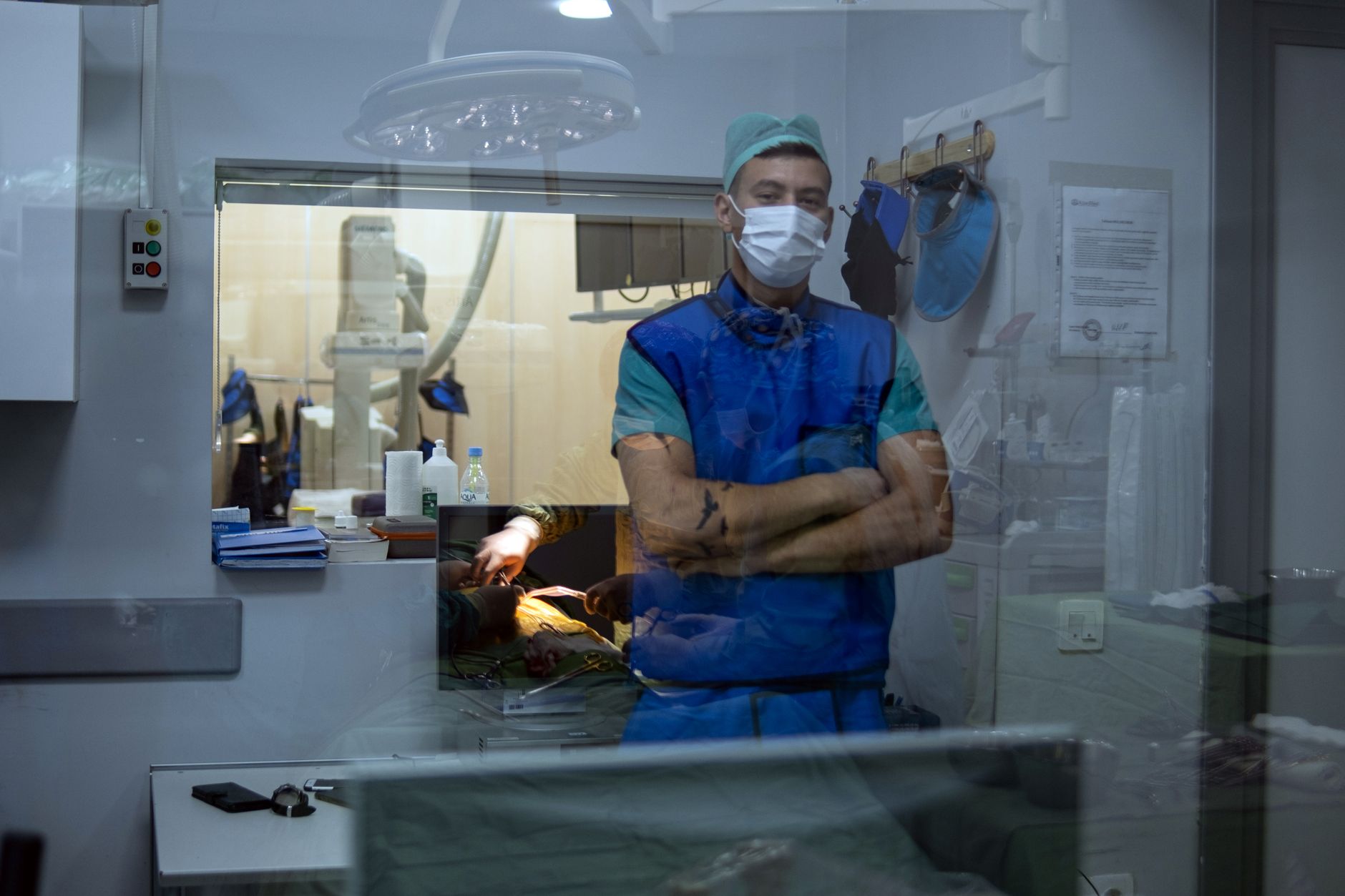
On September 29, 2026 Imperial College Healthcare NHS Trust reported its first surgical robot at Hammersmith Hospital in London. The trust said the investment extends a robotics program that already operated at Charing Cross Hospital and supports complex keyhole procedures with surgeons working from a console.
Leadership expects nearly 450 procedures each year across upper gastrointestinal, gynaecology, thoracic, and endocrine specialties. Patients were already treated earlier that summer for robotic-assisted hysterectomy cases, according to the trust announcement.
Funding came from capital and revenue budgets tied to a broader estates investment program. For US readers, the lesson is how a mature program adds a new campus without treating each hospital as a standalone science project.
Why multi-site robot programs beat one-off pilots
A single pilot robot teaches workflow, but it rarely changes system scheduling. When a second campus joins, leadership can reuse training modules, credentialing paths, and vendor service playbooks.
Shared programs also smooth surgeon and staff rotation. A nurse who learns intake steps at one site can support expansion days at another. That mobility matters when vacation coverage already strains OR blocks.
Without a system view, each hospital negotiates its own service tier and IT interface. Costs rise and downtime response fragments. Hammersmith explicitly built on Charing Cross experience rather than starting from zero.
Research and teaching missions add another layer. Imperial highlighted national trials and training reputation. US academic centers should budget educator time when they market robotic capability to residents.
What US health systems should standardize before site two

Document credentialing, preference cards, and turnover targets before you clone hardware. A robot that works in a flagship tower may stall in a community OR with different staffing ratios.
Create a single service escalation path. Multi-campus ID badges, elevator integrations, and sterile processing flows should use one architecture template with local floor maps.
Finance should compare centralized purchasing against site-level leases. Sometimes a system master agreement lowers service cost per unit even when capital hits one campus first.
- Shared training roster with named clinical champions per campus
- Single IT security review template for networked robots
- Utilization dashboard comparable across sites
- Loaner or backup policy spelled out system-wide
How the Hammersmith volume target shapes planning
The trust cited roughly 450 annual procedures as a planning anchor. US operators should set similar throughput goals for any robotic line, surgical or logistical.
Volume assumptions drive staffing, block time, and instrument spend. If cases stay below plan for two quarters, leadership needs a honest pause rather than silent underuse.
Specialty mix matters. Upper GI, thoracic, and endocrine cases carry different setup times. Scheduling templates should reflect that mix instead of averaging everything into one slot length.
Applying the model to delivery and cleaning robots
Indoor delivery and autonomous scrubbing follow the same expansion curve. A flagship hospital proves routes, then a sister site copies mapping standards and custody rules.
Service Robot Co. helps US systems run vendor-neutral pilots on monthly robot rental before they multiply units across campuses. That mirrors NHS capital discipline while fitting US accounting norms.
Facilities leaders can centralize elevator integrations and badge policies once, then localize only the floor geometry. The engineering effort you avoid on site three often pays for an extra training week on site one.
EVS directors can publish square footage per shift once a scrubber fleet spans two buildings, similar to how surgical leaders track cases per robot day.

Where Service Robot Co. fits US rollouts
We select, finance, deploy, integrate, train, and service cleaning, delivery, and material handling robots as one partner. System leaders get one escalation path when a scrubber in a community clinic and a delivery unit in a tower both fault the same weekend.
Expansion playbooks include mapping standards, staff certification templates, and service tier comparisons across manufacturers. Vendor neutrality keeps site two from inheriting site one's regret.
Go-live support draws on a nationwide network of regional service engineers so rural campuses are not stranded when parts ship from another time zone.

What the UK announcement does not decide for you
NHS budgeting and waiting-list politics differ from US payer mixes. Import the program structure, not the financial totals.
Surgical pathways do not automatically justify logistics automation. Run separate business cases with separate metrics.
Finally, expansion headlines fail if maintenance budgets lag. A second robot magnifies downtime pain when service contracts were sized for one.
Document lessons in a system playbook after each go-live. Hammersmith benefited from Charing Cross operators who already knew which vendor callbacks matter on Sunday night.
Frequently asked questions
Sources
Service Robot Co. is not affiliated with, sponsored by, or endorsed by the companies mentioned in this article.