Key takeaways
- Relay Robotics deployed two units at HCA Florida JFK Hospital in Atlantis, Florida on September 30, 2026.
- The robots cover lab specimens, pharmacy orders, telemetry gear, and medications where pneumatic tubes do not reach.
- Integrations with elevators, secure doors, and life-safety systems let units move between floors without tracks.
- Relay cites roughly 8 to 12 weeks for a typical hospital rollout including mapping and staff training.
- A vendor-neutral integrator helps hospitals compare delivery platforms before they commit capital or rental terms.
Why a two-robot deployment still matters nationally
On September 30, 2026, Relay Robotics announced that two autonomous delivery robots, named Dash and Daisy, are operating inside HCA Florida JFK Hospital in Atlantis, Florida. The headline count is small, but the integration story is not. These units move lab specimens, pharmacy orders, telemetry and monitoring equipment, and medications through corridors and elevators on routes that pneumatic tube systems never reached.
For US facility leaders, the lesson is less about fleet size and more about proof that a robot can share elevators, pass secure doors, and respect fire and life-safety rules without ripping out walls or laying floor tracks. That is the bar community hospitals and regional systems watch before they fund their own pilots.
Relay positions the deployment as support for clinical teams, not a swap for nurses or techs. Staff still own patient judgment; the robot owns the repeat trip between the pharmacy, lab, and units that sit off the tube map.
What actually moves on a tube-free hospital route
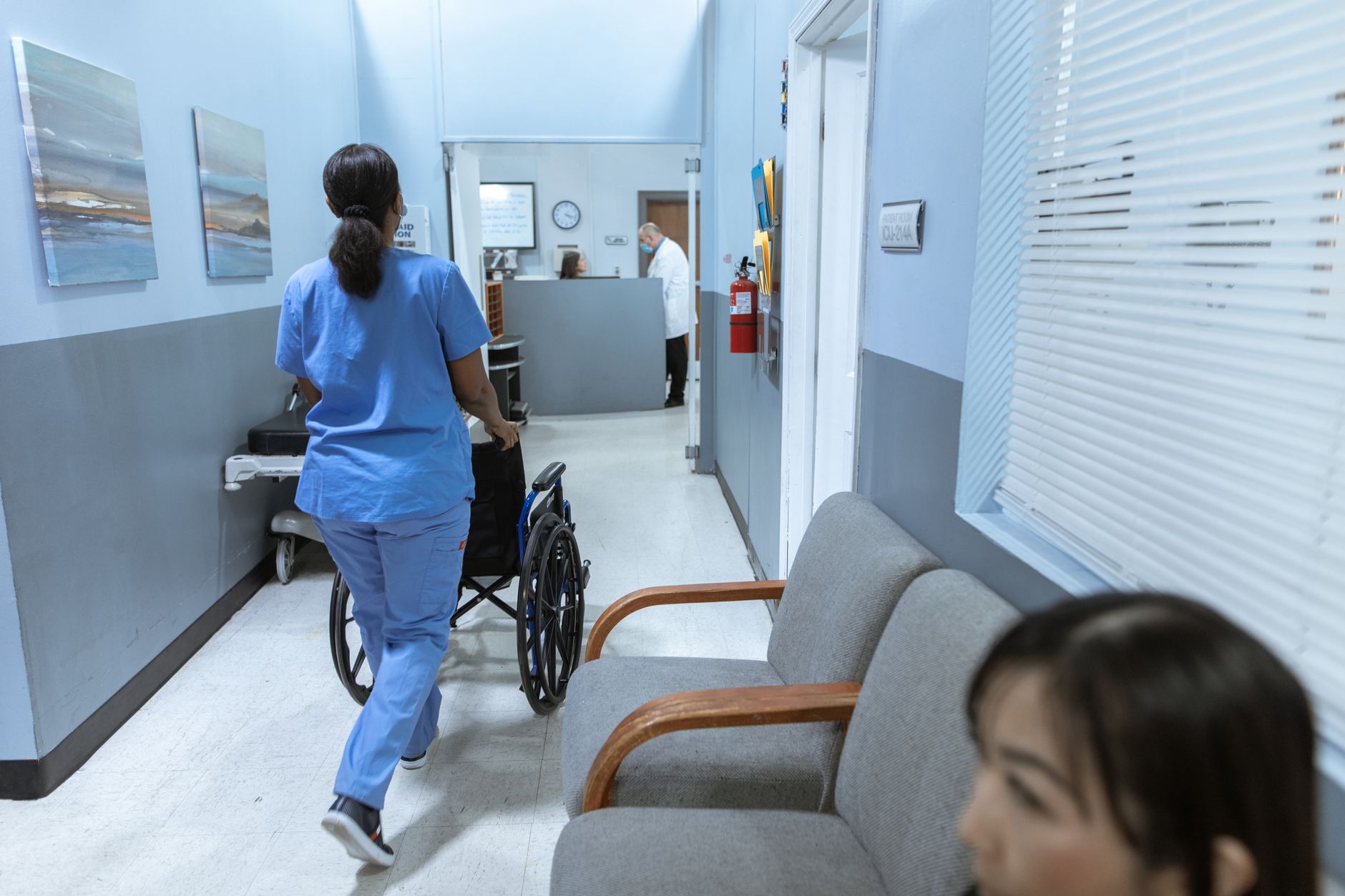
Hospitals still run 24 hours a day, yet many items cannot ride pneumatic tubes. Bulky telemetry packs, certain pharmacy totes, and specimen batches bound for the lab often need a person with a cart. Each trip pulls someone away from a patient-care zone for five or fifteen minutes, and those minutes compound on busy med-surg floors.
According to Relay's announcement, Dash and Daisy now cover those tube-free legs at JFK. That includes lab specimen runs, pharmacy deliveries, and equipment shuttles that used to depend on whoever was free. The robots use lockable compartments so only authorized staff load and retrieve payloads.
The operational win is predictability. A mapped autonomous run shows up on schedule even when the unit is short a transporter during shift change. That does not eliminate human couriers everywhere, but it gives managers another lever when census spikes.
Elevators and secure doors are the hard part
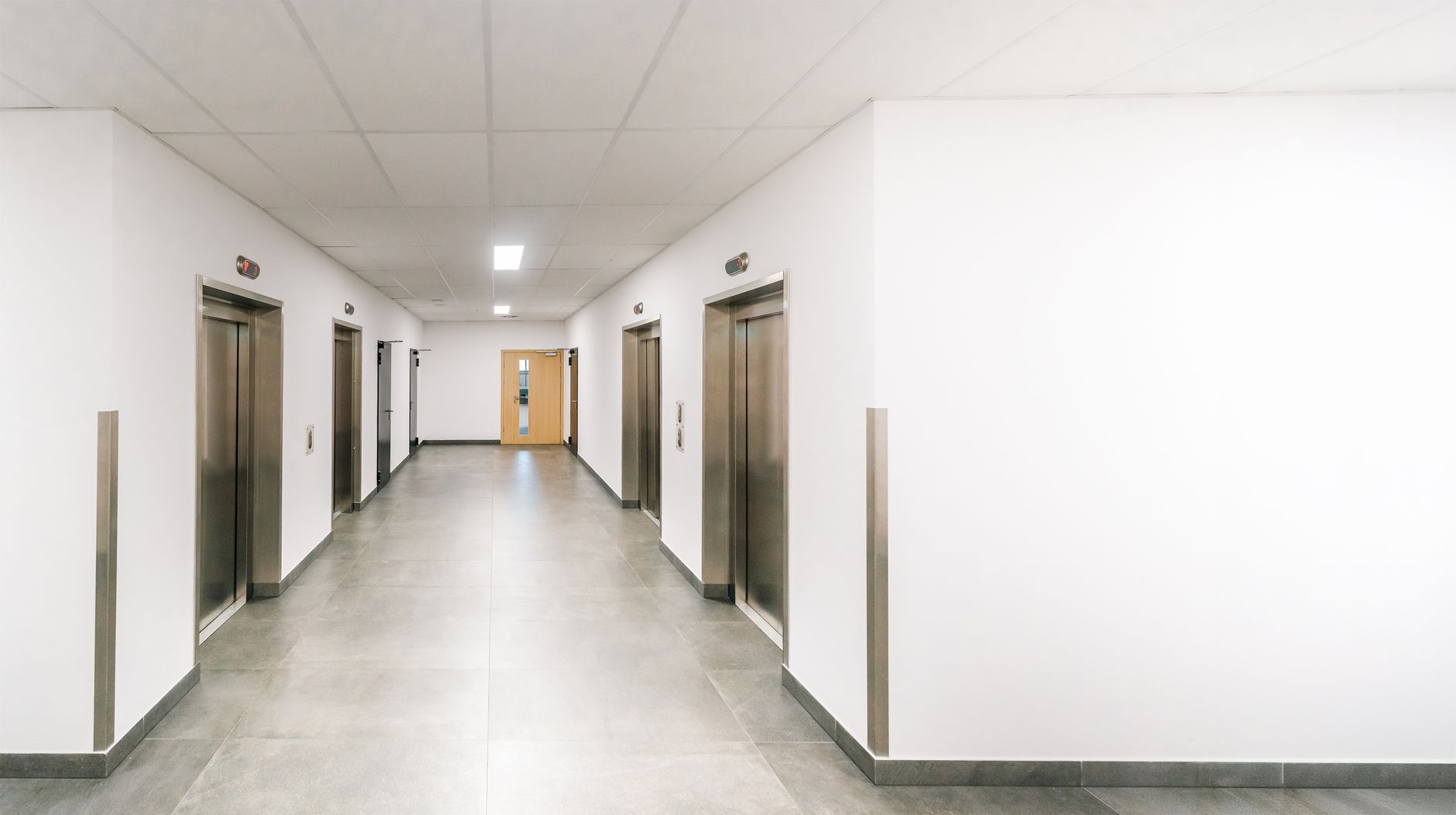
Hallway navigation is table stakes. The expensive work is tying a mobile robot into building systems that were never designed for AMRs. Relay describes coordinating integrations across elevators, badge-controlled doors, hospital IT, and life-safety infrastructure so the units can move between floors without escorts.
That coordination is why hospital projects stretch longer than a retail pilot. Relay states that a typical hospital deployment, including integration hardware, floor mapping, and staff training, takes about 8 to 12 weeks, with onsite installation often lasting 1 to 2 weeks. Budget those calendars before you promise nursing leaders a go-live date.
Fire and life-safety compliance is non-negotiable. A robot that cannot behave correctly when alarms trigger becomes a project stopper. The JFK story is essentially a case study in passing those gates while still moving real payloads.
Atlantis sits in Palm Beach County's dense hospital market, where hurricane season and seasonal population swings already stress transport staff. A robot that keeps moving during a downpour when volunteers stay home is more than a novelty for materials management leaders tracking overtime on couriers.
Reliability claims operators should pressure-test
Relay publishes aggressive reliability metrics: more than 99 percent delivery reliability, a 99.8 percent delivery success rate across more than 30 major US hospitals, and capacity for more than 1,000 deliveries per month in a hospital environment. Treat those figures as vendor benchmarks, not your guarantee.
Your building layout, elevator priority rules, and infection-control wipe-down routines will differ from Atlantis. Run a pilot with logged trips, failed door calls, and elevator wait times before you scale. Ask for month-one utilization reports, not slide-deck averages.
The company also notes more than 1.5 million deliveries worldwide across healthcare, hospitality, and commercial real estate. That history matters for spare parts and software maturity, but your legal and biomedical teams still own risk assessments on your campus.
Emergency department and perioperative ripples
Relay highlights emergency department workflows as a natural fit because specimens, medications, and supplies move under time pressure. An autonomous courier does not replace triage nurses, yet it can keep a line open between the ED and central lab when techs are tied up with draws.
Perioperative areas benefit when telemetry packs and specialty kits move on a fixed schedule ahead of first cases. Map those routes during low census weeks so the robot learns clean paths before winter flu volume arrives.
Stake nursing and pharmacy councils early. If clinicians see the robot as another IT experiment, utilization flatlines. If they help pick the first three routes, adoption sticks.
Sterile processing and central sterile supply can also feed the robot when loaner trays must reach OR cores on tight clocks. Even a handful of automated runs per day frees certified techs to stay at the decontamination line instead of walking corridors.

Financing and vendor-neutral selection
Hospital delivery robots sit in a crowded market of AMR vendors, each with different elevator APIs and compartment sizes. Service Robot Co. stays OEM-neutral: we shortlist hardware against your door logs, tube gaps, and infection-control rules, then handle financing, deployment, training, and 24/7 service through a nationwide engineer network.
Many systems start with robot rental monthly or robots-as-a-service style programs to prove utilization before capital committees meet. That matches how Relay sells hospital projects today: prove integration on one campus, then expand inside the health system.
Pair any pilot with a backup plan. If a unit faults during a specimen run, your lab cannot wait eight hours for a field tech. Spare-unit coverage and remote triage should be in the contract, not an afterthought.
Capital committees will ask how delivery robots interact with existing pneumatic investments. The honest answer at JFK is complementary coverage: tubes still handle small payloads where they exist, while AMRs absorb everything the tube map never reached. That framing keeps biomedical teams from treating the robot as a duplicate capital mistake.
Checklist before you copy the JFK playbook
Start with a route audit. List every recurring delivery that still walks because tubes, dumbwaiters, or pneumatic carriers stop short. Rank by minutes lost per shift and infection-control sensitivity.
Invite facilities, IT, and biomedical engineering before you sign. Elevator controllers and door vendors must name an integration owner. Without that person, week ten of a twelve-week plan becomes week twenty.
Train for exceptions. Robots should hand off to humans when elevators are on fire-service hold or when isolation rooms restrict autonomous entry. Write those rules before go-live, not after an incident.
Measure month one against baseline courier minutes. If utilization is under plan, fix mapping and permissions before you blame hardware.
- Document tube-free origin and destination pairs with average trip times
- Confirm elevator and secure-door APIs with written test dates
- Set infection-control wipe protocols for compartments
- Define escalation when a robot stalls mid-route
- Align pharmacy and lab on compartment labeling standards
What community hospitals should expect next
Large acute-care deployments like HCA Florida JFK set expectations for smaller campuses. You may only need one robot, but you still need the same elevator and door integrations. Relay's two-unit start is a reminder that phased rollouts beat big-bang installs.
Watch how HCA shares utilization data across its Florida markets in 2026 and 2027. If specimen turnaround times improve on tube-free routes, regional competitors will feel pressure to match.
For operators outside Florida, the actionable takeaway is integration discipline. The robot brand matters less than whether your facilities team will open APIs and your clinicians will trust the first successful month of logged deliveries.
Frequently asked questions
Sources
Service Robot Co. is not affiliated with, sponsored by, or endorsed by the companies mentioned in this article.