Key takeaways
- Heathrow’s April 2, 2026 announcement gave airport operators a real 24-robot terminal cleaning case, not a concept slide.
- The first fit is broad hard-floor work in concourses and gate zones, while people still handle detailing, spills, and edge cases.
- Restrooms need a separate operating model built around inspection, touchpoint cleaning, and rapid exception handling, not just floor scrubbing.
- Overnight reset windows are where airport cleaning robots usually earn trust fastest because traffic is lower and routes are more repeatable.
- Visible robot cleaning can support passenger confidence, but only if uptime, etiquette, and staff handoffs are managed tightly.
What should U.S. airports learn first from Heathrow?
The main lesson is simple. Start with the work that is large, repetitive, and operationally predictable. Heathrow announced on April 2, 2026 that its fleet of 24 autonomous cleaning robots had become a visible part of terminal operations, giving airport leaders a concrete example of how robotic floor care can move from pilot novelty to everyday airport routine.
That matters in the U.S. because airport executives do not need another abstract talk about automation. They need to know where robots fit first, what work still stays with janitorial teams, and how a public deployment behaves in a live passenger environment. Heathrow’s example points to a practical sequence: concourses first, selected restroom support second, overnight resets as the reliability engine, and customer-facing cleanliness as the visible payoff.
This is not a story about replacing the cleaning workforce with machines. It is a story about allocating labor differently. Heathrow said the robots support an operation that also includes 850 cleaning and hygiene specialists. The operational message is clear. Robots take the long, repeatable floor miles. People handle the exceptions, detailing, touchpoint sanitation, and service recovery.
Why does Heathrow count as a serious benchmark?
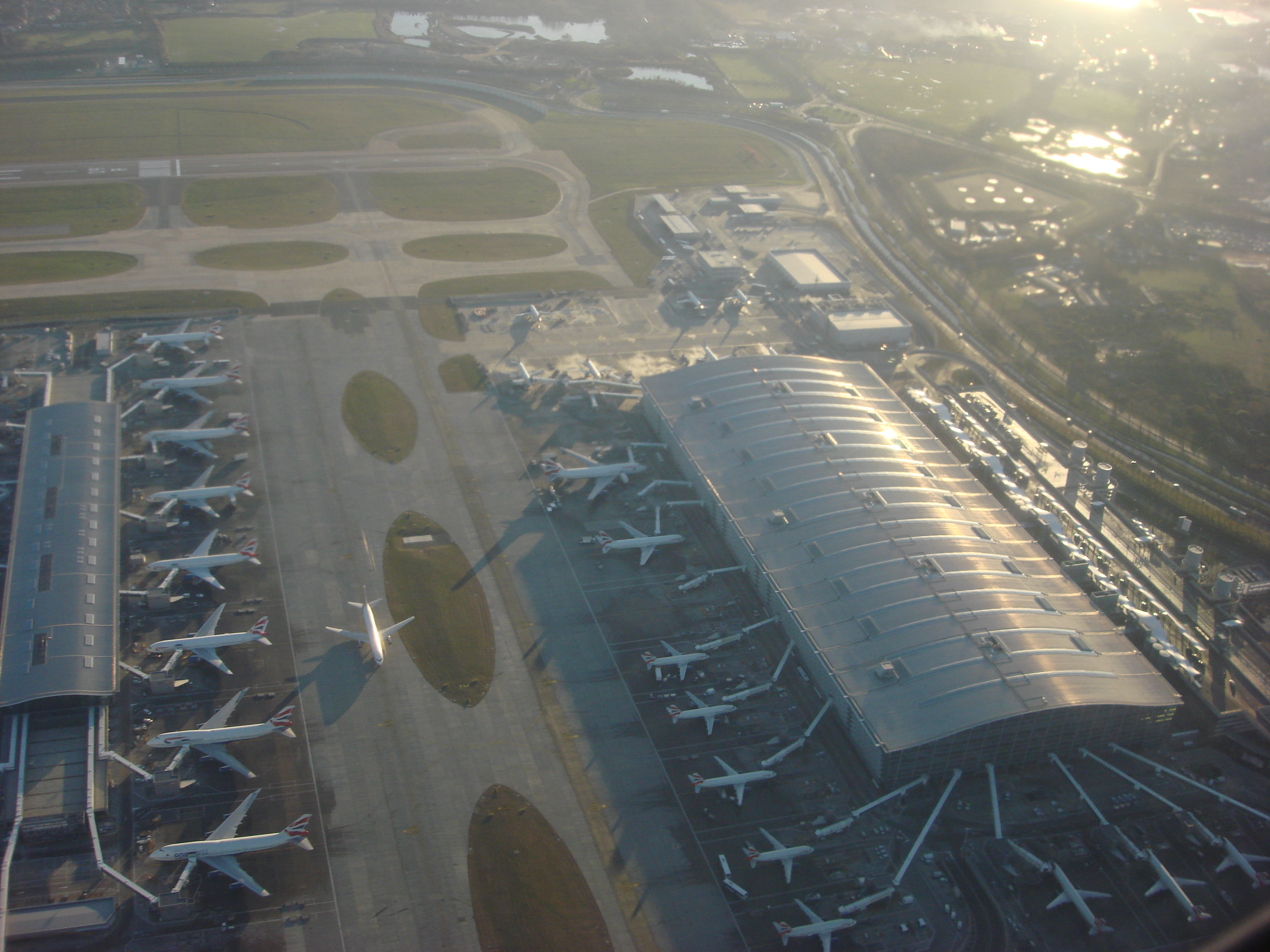
Heathrow is not a small or forgiving venue. In its January 12, 2026 traffic update, the airport said it handled more than 84 million passengers in 2025 and recorded a busiest day above 270,000 passengers. In the April 2 release, Heathrow also described its operation as serving more than 200,000 passengers and roughly 1,300 flights a day.
That scale is why airport operators should pay attention. A robot fleet that works in a large international hub is being tested against dense passenger flows, rolling bags, late-night peaks, food traffic, weather carry-in, and the reputational pressure that comes with a global gateway.
The fleet details matter too. Heathrow said each robot can clean up to 4,800 square meters per day, runs for up to three hours before recharging, and uses water-recycling systems. Even without copying Heathrow exactly, U.S. operators now have a public reference point for fleet size, daily coverage, and the fact that autonomous cleaning can be made visible rather than hidden.
Why are concourses the first logical deployment zone?
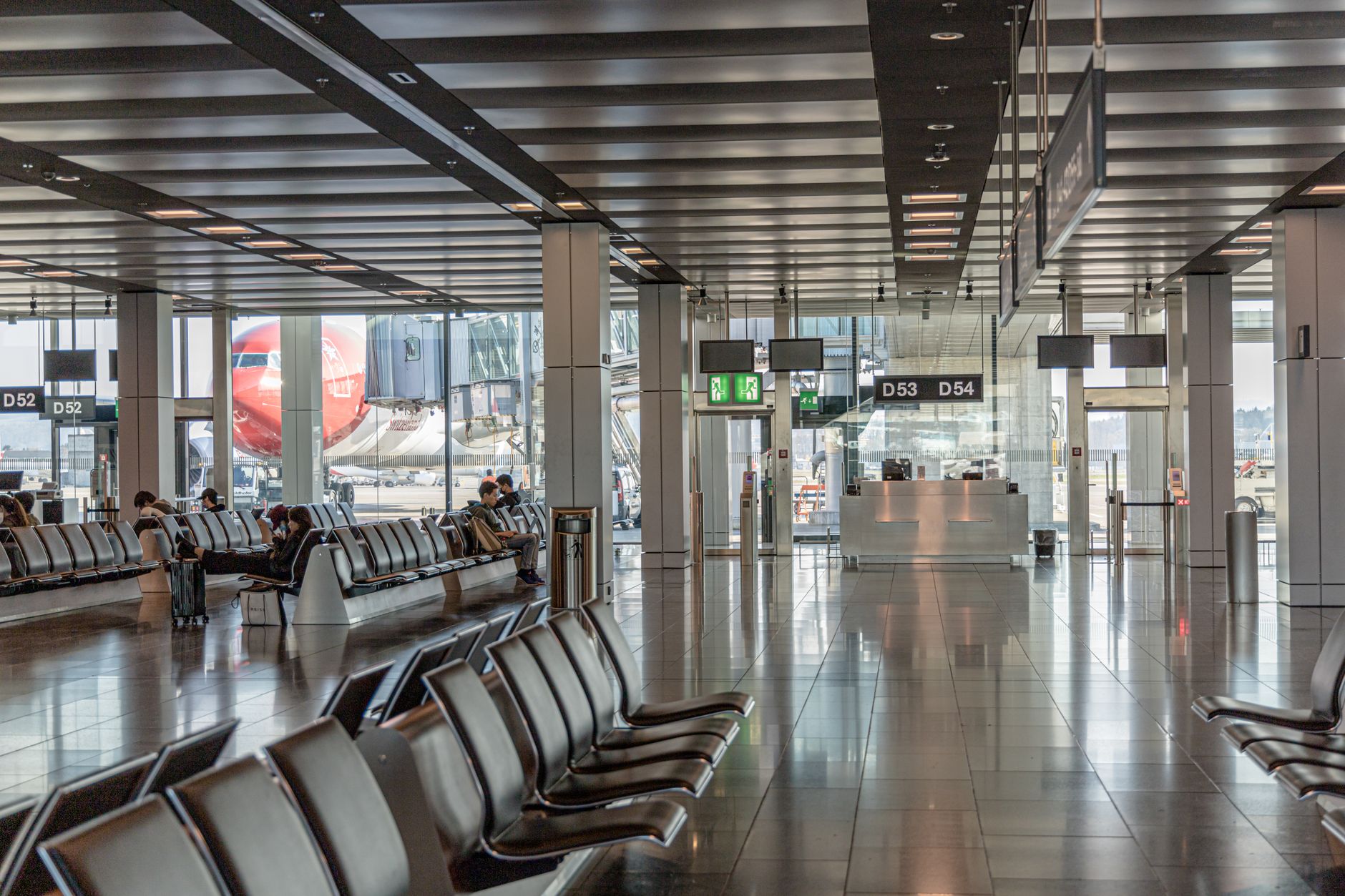
Concourses are where robotic floor care usually makes operational sense earliest. The geometry is favorable. The surfaces are broad. The work repeats daily. The cleaning standard is highly visible, and missed coverage is easy for supervisors to spot. That combination makes terminal floor scrubbing one of the cleaner first-use cases in airport automation.
U.S. airports also have the scale to justify disciplined deployment. FAA preliminary 2025 enplanement data shows Atlanta handled 50,251,964 passenger boardings, Los Angeles handled 41,232,432, and Chicago O'Hare handled 38,593,028. These are not small buildings with occasional traffic. They are high-volume public facilities where keeping floors consistently presentable is a never-finished operating task.
For most airports, the first phase should focus on long straight runs, hold-room perimeters, central circulation corridors, connector spaces, and other predictable hard-floor zones. Those areas let teams validate mapping, charging, refill routines, supervisor checks, and shift timing before they push robots into more intricate environments.
This is also where commercial cleaning robot rental or robot leasing for business can make sense operationally. Airport teams that want a robot pilot program, try before you buy, or robot as a service structure can test actual route completion, dwell-time fit, and staff adoption without pretending every terminal zone should be automated on day one.
How should airports think about restrooms?
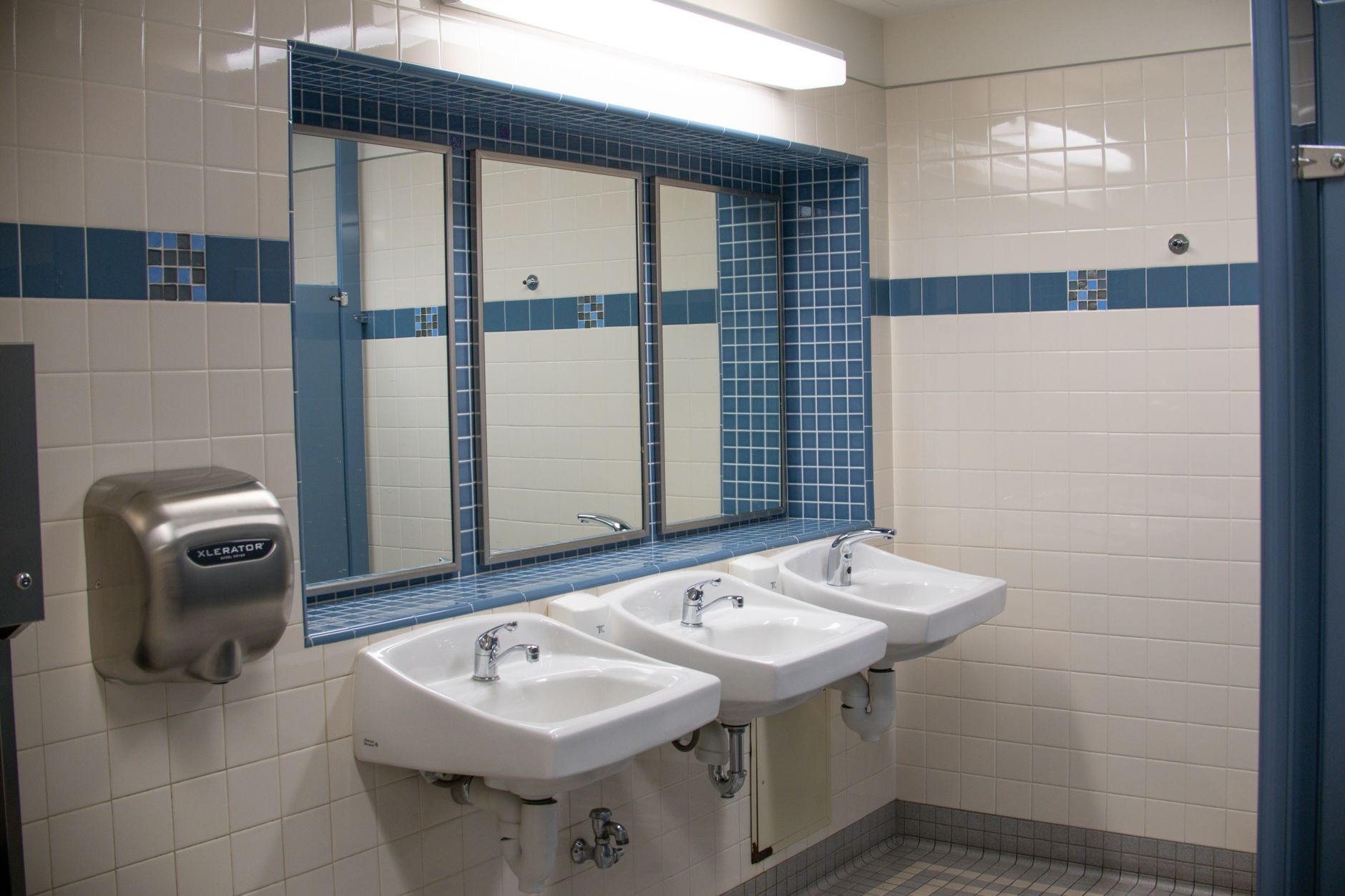
Restrooms are important, but they are not just a smaller version of concourse cleaning. The floor can be automated in selected layouts, yet the real service standard in airport restrooms is broader: stall condition, touchpoint wipe-down, paper replenishment, odor control, wet-floor response, and inspection cadence.
That means robots belong in a restroom program as support equipment, not as the whole program. The strongest fit is often in large restroom outer zones, vestibules, and adjacent corridors where repeatable floor work eats time but does not require judgment. Human staff still need to own sanitation exceptions, restocking, and rapid service recovery when passenger volume spikes.
There is also a safety argument for discipline here. OSHA requires floors to be kept clean and dry, and its slips, trips, and falls guidance points directly to wet floors and spills as hazards. In busy airport restrooms, that argues for clear escalation rules: if a robot detects or encounters an exception, a nearby attendant or mobile response team needs a defined handoff rather than vague hope.
The practical takeaway is that restroom automation should be judged by service reliability, not by how much labor it appears to remove. A good airport restroom program uses robots to stabilize repetitive floor care while preserving human attention for the moments passengers actually notice.
Why does the overnight reset matter so much?
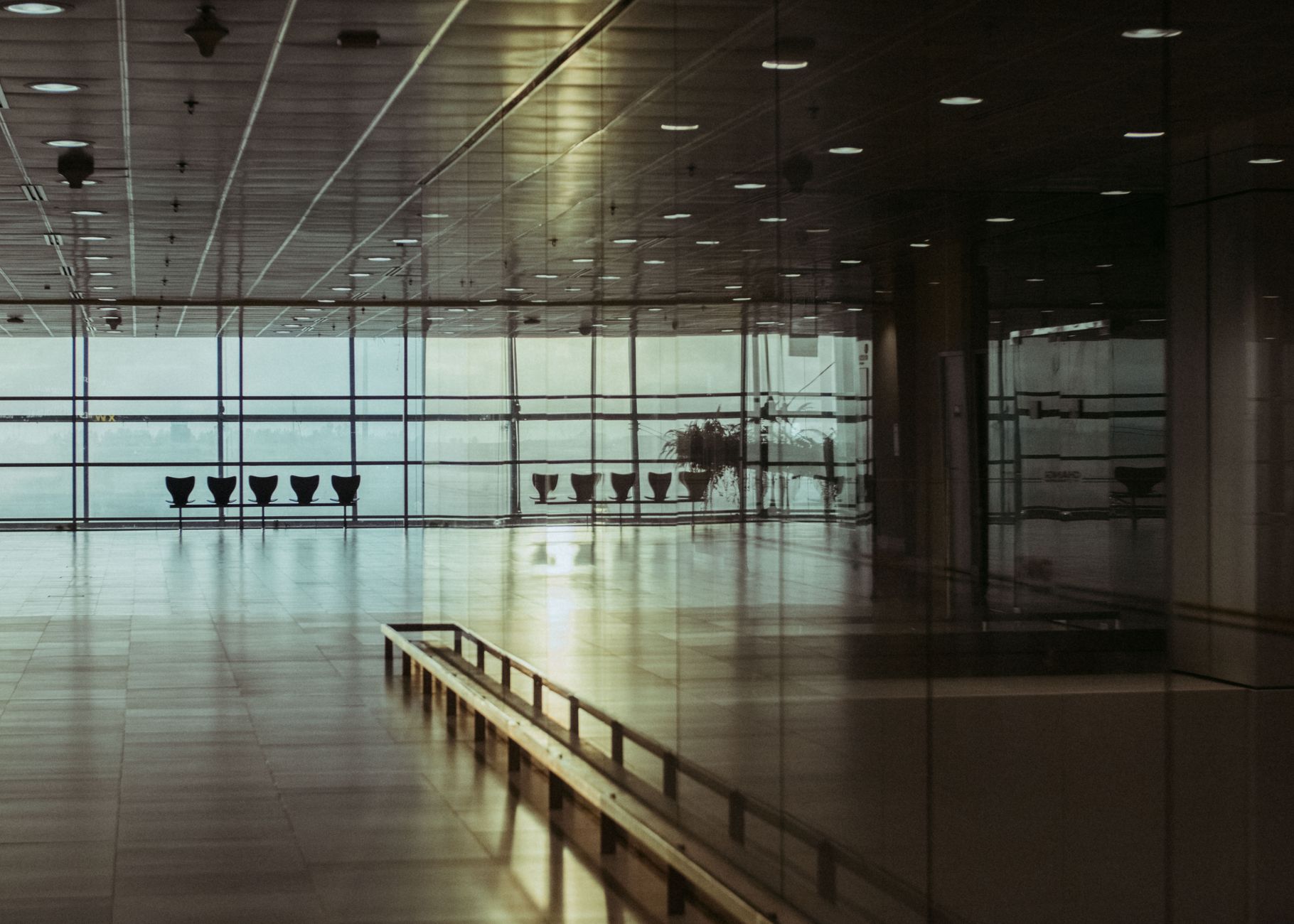
Overnight is where airport cleaning robots usually prove themselves. Traffic thins out, routes are less chaotic, and teams can run longer coverage blocks without constant interruption. That is the window where mapping stays clean, cleaning speeds stay consistent, and supervisors can compare route completion against plan instead of improvising around crowds.
Heathrow’s stated three-hour run time per robot is a useful reminder that fleet operations are about choreography, not just hardware. Airports need to plan charging, water refill, pad changes, storage, and who owns the last thirty minutes of a shift when a machine finishes early or stops on an exception.
For U.S. operators, overnight cleaning no operator does not mean unattended forever. It means the night shift autonomous scrubber handles the repetitive floor mileage while a lean crew monitors exceptions, resets consumables, and finishes corners, edges, and spill response. That is a much more realistic operating model than expecting one machine to replace an entire overnight team.
This is where Service Robot Co. tends to fit best for airport groups evaluating airport cleaning robot rental, autonomous floor scrubber rental, or a floor scrubber monthly lease. The hard part is rarely just picking a unit. It is site assessment mapping, go-live support, on-site dispatch, maintenance included service planning, and making sure one partner can keep the fleet running after launch.
What makes a public robot fleet help the passenger experience instead of hurting it?
Heathrow did something notable by turning its cleaning robots into a visible feature of the terminal rather than a back-of-house secret. The April 2 announcement framed them as familiar parts of the passenger journey. That choice matters because airport cleanliness is not only an operations metric. It is a confidence signal.
ACI World’s Q2 2026 ASQ Barometer reported worldwide overall satisfaction at 4.38 out of 5, with North America at 4.24. Cleanliness is not the only driver inside that score, but airport leaders know the passenger experience is cumulative. Shiny floors do not rescue a bad trip, yet visibly neglected floors and restrooms can drag down the whole impression fast.
A public-facing cleaning program works only when etiquette is mature. Robots need predictable path behavior, low-friction interactions around passengers, and staff who can explain what the machines are doing without overselling them. The wrong outcome is a flashy device that blocks circulation or sits dead near a gate. The right outcome is a steady, almost boring presence that quietly reinforces the sense that the terminal is under control.
This is also why a vendor neutral robot integrator matters in public venues. Airport leaders usually need turnkey robot deployment, robot fleet management, multi vendor one dashboard visibility, and emergency robot replacement processes more than they need a single brand story. Service Robot Co. handles that as one partner, one number, across finance, deployment, integration, training, and field service.
What does the labor math really suggest?
The U.S. cleaning labor picture explains why airports keep revisiting automation. The Bureau of Labor Statistics says there were 2,447,700 janitors and building cleaners employed in the United States in 2024, with a median hourly wage of $17.27 and about 351,300 openings projected each year on average over the decade. Airports are competing for that labor in markets that are already tight, late-shift heavy, and operationally unforgiving.
The point is not that labor disappears. It is that repetitive floor work can consume skilled time that supervisors would rather redeploy into detail cleaning, inspections, and passenger-facing recovery. BLS also reported 8.3 days-away-from-work injury and illness cases per 10,000 full-time workers in building and grounds cleaning and maintenance occupations in 2024, compared with 5.6 across all occupations. Anything that reduces exhausting, repetitive floor miles without lowering cleaning standards is worth serious analysis.
A realistic airport business case should therefore ask narrower questions than a generic robotics pitch deck asks. Which routes are repeated every night. Which zones suffer from inconsistent finish quality. Which areas are too visible to let standards drift. Which tasks still demand a person every time. That is how a large facility coverage plan gets built sensibly.
How should a U.S. airport sequence a program from pilot to fleet?
The safest path is phased. Pick one terminal or one concourse family. Lock down route quality, charging discipline, cleaning verification, and response rules. Then extend to adjacent public areas, selected restroom support zones, and only later to a broader customer-facing cleanliness program across multiple terminals.
Airports should also separate three decisions that often get blurred together. First, is the cleaning workflow itself a fit for autonomy. Second, does the airport want lease rental or sale, a service robot rental model, or a longer robot leasing vs buying path. Third, who will own uptime, software changes, training refreshers, and emergency service when operations are live at 2 a.m.
For many U.S. airport operators, the appeal of commercial robot rental, monthly payment programs, no upfront capital structures, or RaaS monthly subscription is not financial fashion. It is operational caution. A staged program lets leadership validate route fit, staff acceptance, and service levels before standardizing a larger fleet. In a high-visibility public terminal, that caution is healthy.
Heathrow’s 24-robot example does not tell U.S. airports to copy another hub. It tells them to stop treating terminal cleaning automation as hypothetical. The proven first steps are now visible: put robots where the floor miles are longest, keep people on the exception work, use overnight resets to build trust, and make public cleanliness feel measurably steadier, not merely more futuristic.
Frequently asked questions
Sources
Service Robot Co. is not affiliated with, sponsored by, or endorsed by the companies mentioned in this article.