Key takeaways
- HomeBase's July 30, 2026 expansion suggests shelf-scanning robots are finally practical for some hardware and farm-supply chains, not just grocers.
- The strongest use case is not novelty. It is pricing accuracy, faster out-of-stock recovery, and fewer labor hours wasted on repetitive aisle walks.
- Hardware stores are harder than grocery because of hooks, bins, top stock, bulky goods, seasonal resets, and wide SKU sprawl, so rollout discipline matters more than the robot itself.
- A pilot should be judged on error reduction, controllable out-of-stocks, audit time, and associate time reallocated, not on how many scans the machine completes.
- Service Robot Co. fits this market as a vendor neutral robot integrator that can finance, deploy, integrate, train, and service multi-site programs through one nationwide partner.
Are shelf-scanning robots finally practical for hardware chains?
Yes, but with an important qualifier. They are practical now for hardware, home improvement, farm-and-ranch, and building-supply operators that treat them as an operations program, not as a gadget on wheels.
The strongest recent signal came on July 30, 2026, when PR Newswire reported that HomeBase USA expanded a shelf-scanning robot chainwide after a pilot cut pricing errors by 92 percent and controllable out-of-stocks by 58 percent. HomeBase also said total out-of-stocks fell below 1 percent and annual physical inventories dropped from three days to less than one.
That matters because HomeBase is not a neat little grocery box. In a July 2025 GlobeNewswire announcement, the retailer described stores with tens of thousands of SKUs across lumber, building supply, hardware, farm, ranch, and lawn and garden. If shelf scanning can produce those gains in that kind of aisle environment, the question for other chains is no longer is this grocery-only technology. The real question is what store conditions make it pay off.
Why did this news land differently than earlier retail robot pilots?
Most earlier robot stories centered on pilots, novelty, or isolated store tests. HomeBase's update was different because it paired a chainwide expansion with hard operating numbers and a short timetable. The retailer said it moved from pilot to all locations in less than three months.
A second signal arrived on June 9, 2026, when PR Newswire reported that B&R Stores introduced the same shelf-scanning platform in select Lincoln, Nebraska locations. B&R said the system was meant to strengthen shelf visibility, pricing accuracy, and in-store execution, and it framed the value in labor terms: less repetitive auditing, more time serving customers and keeping shelves full.
Taken together, those announcements suggest the category is maturing. Operators are no longer testing whether a robot can move down an aisle. They are testing whether it can feed daily worklists, tighten inventory discipline, and give store leadership a cleaner read on what is actually wrong at shelf level.
What makes hardware aisles harder than grocery aisles?
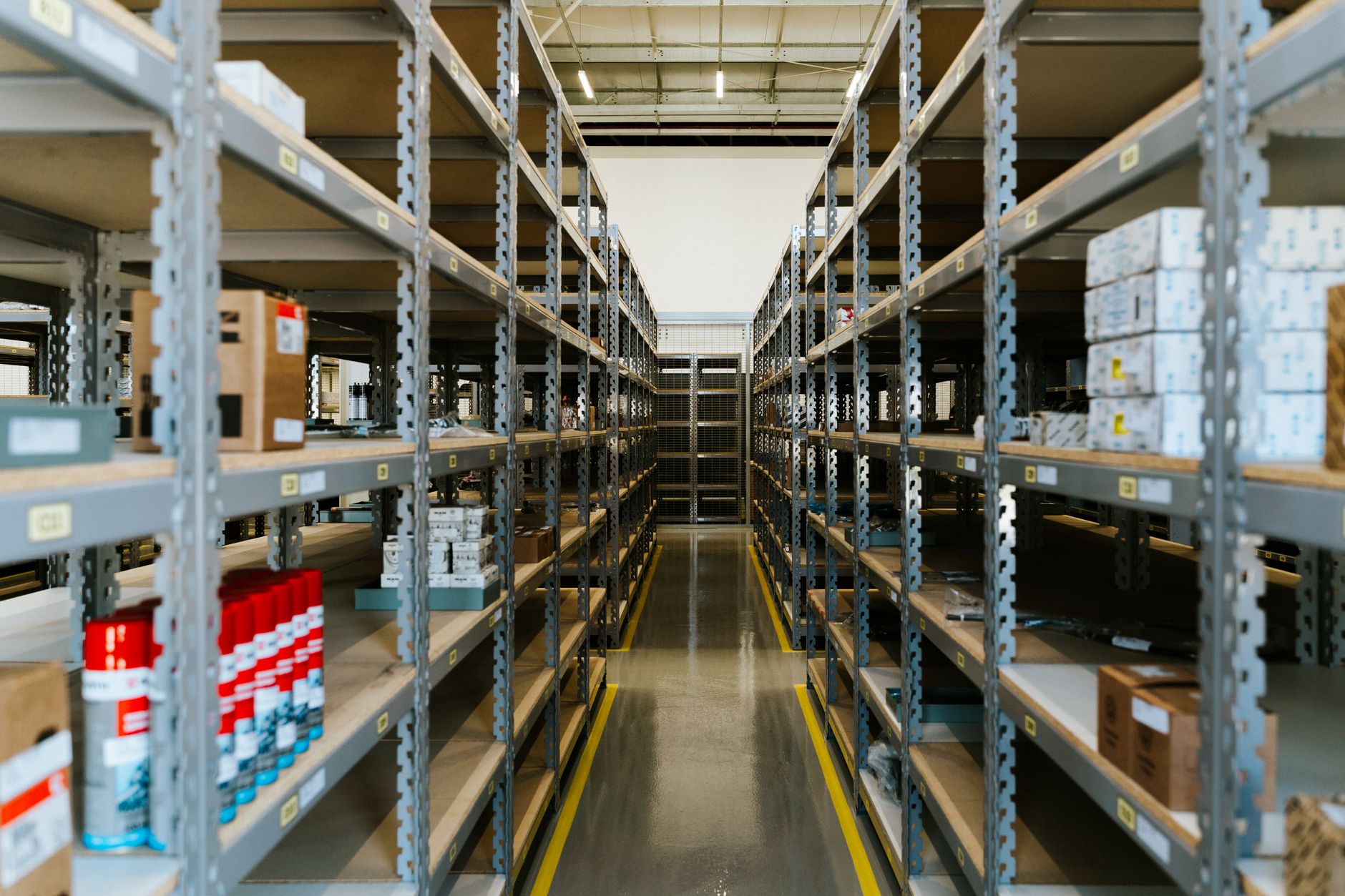
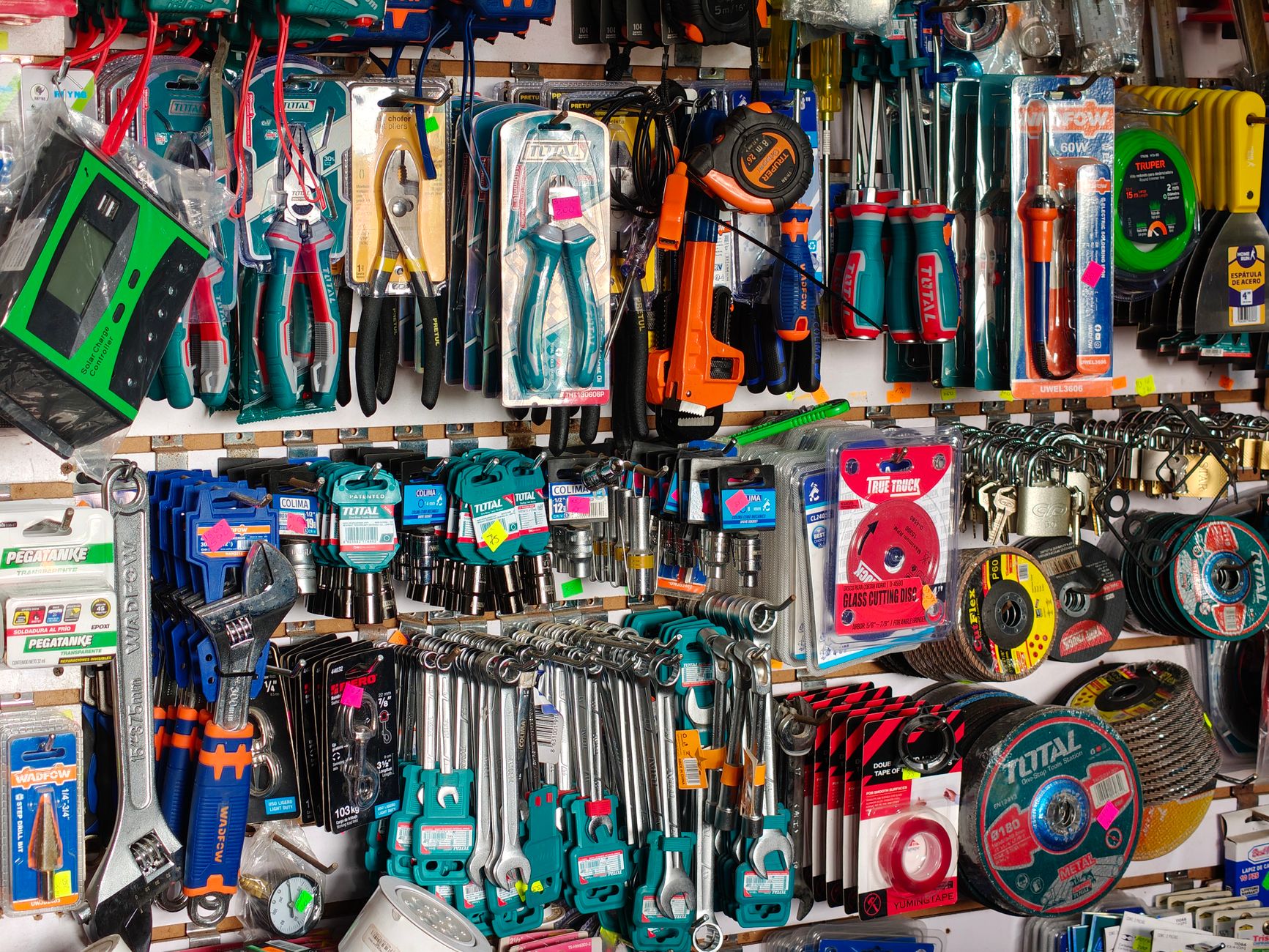
Hardware retail is a messier physical problem. Grocery stores mostly deal with standardized facings and repeatable planograms. Hardware and building-supply stores deal with peg hooks, bins, top stock, endcaps, odd-shaped packaging, partial cases, clip strips, overhang, and large seasonal swings.
HomeBase's own 2025 description of its assortment makes the point. Lumber, farm goods, ranch supplies, lawn and garden, seasonal merchandise, and everyday hardware do not sit on the shelf the same way soup cans do. Items vary in size, packaging, and replenishment rhythm. Some are bulky. Some are tiny. Some live on hooks where one missing unit is hard to spot without good shelf-level data.
That complexity is precisely why the recent HomeBase result matters. If a shelf-scanning robot can reliably identify pricing mismatches, misplaced items, and execution gaps in a large-format hardlines environment, it starts to look less like a niche grocery tool and more like a serious store-operations instrument.
Where does the labor math get real?
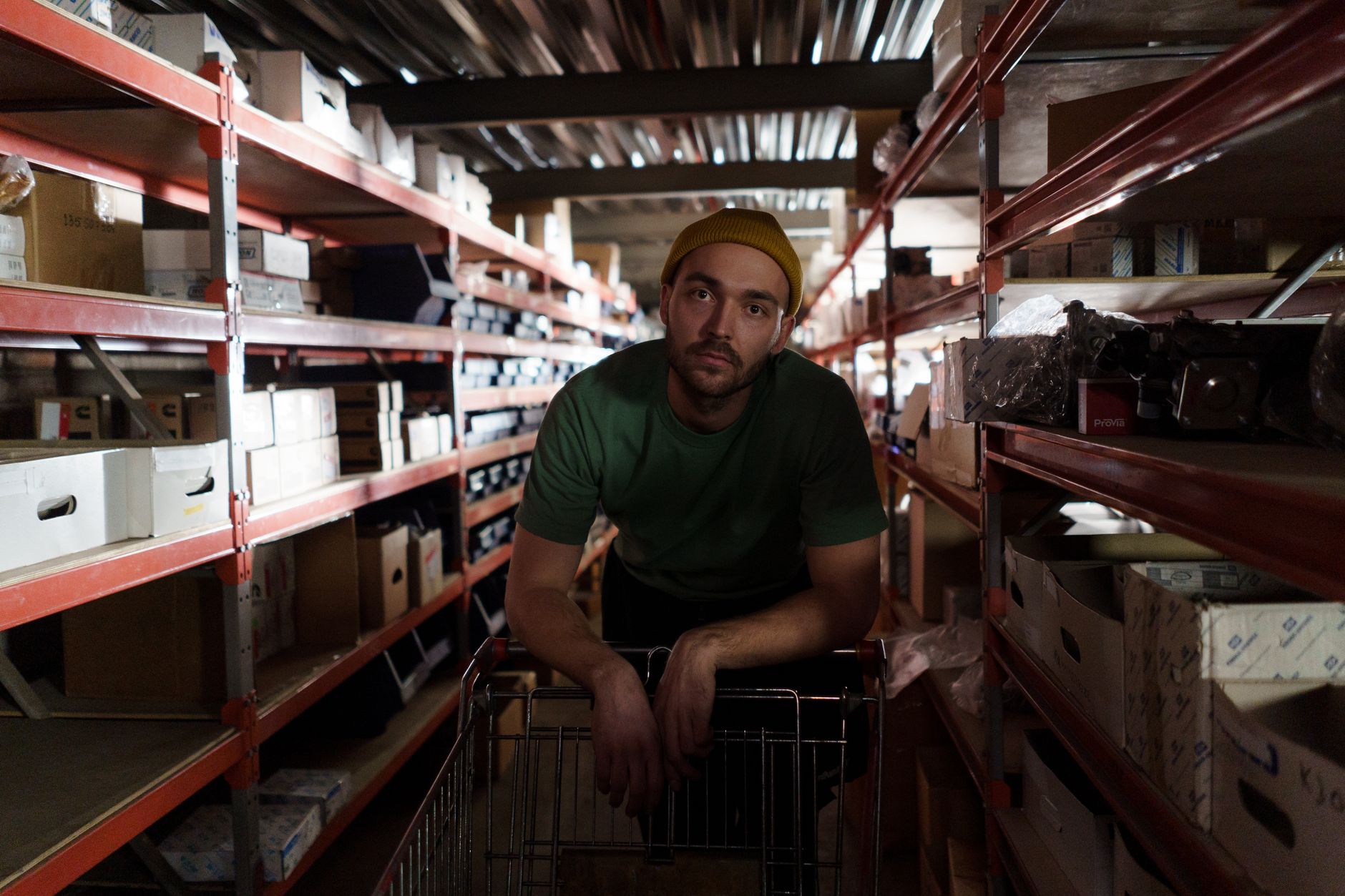
The labor case is not about replacing associates. It is about stopping skilled store labor from disappearing into repetitive, low-yield audits. In both the 2025 HomeBase pilot announcement and the June 2026 B&R Stores announcement, the retailer and its technology partner said store teams often spend up to 30 hours per week on manual inventory tasks.
For hardware chains, those hours are especially expensive. The associate who walks a 100-foot fastener aisle hunting for pricing errors is not helping a contractor load material, not cutting keys, not mixing paint, and not solving a project question for a rural customer who may have driven a long way.
HomeBase's language on July 30 was revealing. The company said associates now start the day knowing where to focus instead of spending time searching for problems. That is the real operational shift. The robot does the hunting, and the human does the fixing, selling, and customer-facing work that actually moves the business.
Why do pricing accuracy and controllable out-of-stocks matter so much in this channel?
Hardware chains live with more hidden margin leakage than many operators like to admit. A wrong shelf tag on a plumbing fitting, a missing item on a hook that still shows in-stock, or a seasonal display that never got reset cleanly does not just create shopper irritation. It also distorts replenishment, damages trust, and creates avoidable rework.
HomeBase's 92 percent reduction in pricing errors is the headline number, but the 58 percent reduction in controllable out-of-stocks may be even more important. A controllable out-of-stock usually means the product is somewhere in the building or available to be fixed by store execution. That is a labor and process problem, not a supplier problem.
Coresight Research's State of In-Store Retailing 2026 put a wider frame around the issue. The firm said in-store inefficiencies now cost U.S. retailers 6.4 percent of gross sales annually, or $196.4 billion across key retail sectors. For hardlines operators with sprawling assortments and lean labor, even modest recovery from that loss pool can justify serious attention.
What do bulky assortments and seasonal resets do to the robot business case?
They make the case stronger, provided the operator respects the edge cases. Bulky goods and top-stock heavy aisles create more opportunities for phantom inventory, wrong locations, and poor visibility. Seasonal resets make the shelf map stale faster. A human team can catch those issues, but only by burning an enormous amount of walking time.
A shelf-scanning robot earns its keep when the store changes faster than manual audit habits can keep up. Garden transitions, storm prep, heating season, holiday freight, spring project surges, and ad-driven price moves all create exactly that kind of churn in hardware and farm supply.
The catch is that resets have to be operationally owned. If the robot is scanning against bad location data or unchanged workflow rules, the store just gets a cleaner report about a messy process. HomeBase's reported speed to chainwide rollout appears to have come from leadership turning shelf intelligence into a daily operating rhythm, not from dropping equipment into stores and hoping for magic.
What should operators demand from a pilot before rolling out chainwide?
A serious pilot should look more like an operating trial than a tech demo. HomeBase's public numbers offer a useful template because they focus on business outcomes: pricing errors, controllable out-of-stocks, total out-of-stocks, and physical inventory time.
For hardware, home improvement, and building-supply operators, the scorecard should be explicit from day one. Otherwise the project drifts into anecdote, where a few good scans get mistaken for a scalable store process.
- Measure pricing error reduction by department, not just storewide averages.
- Track controllable out-of-stocks separately from supply-driven out-of-stocks.
- Time the weekly labor spent on manual aisle audits before and during the pilot.
- Include at least one high-complexity zone such as fasteners, electrical, plumbing repair, or lawn and garden.
- Run the pilot through a reset or promotional change, because quiet weeks flatter every system.
- Check how fast alerts become completed tasks at store level. Detection without execution is just a prettier backlog.
Why does the integration model matter more outside grocery?
Large-format hardlines stores expose every weak seam in a robot program. Finance, deployment, mapping, connectivity, reporting, store training, change management, and field service all matter. If any one of those breaks, the machine becomes an aisle ornament.
This is where Service Robot Co. has a natural place in the conversation. For operators exploring robotics for retail, the important question is not just which machine can scan shelves. It is who will finance it, deploy it, integrate it with store routines, train staff, and keep it running across multiple states without sending the retailer back into a multi-vendor maze.
Service Robot Co. is OEM-neutral, which matters in a market where operators do not want to bet their entire rollout on one manufacturer's roadmap. The company can help evaluate the robot that fits your floor, structure a robot pilot program or robot as a service path, and give multi-site chains one partner and one number for deployment, integration, training, and nationwide service.
The lesson for hardware chains now
The HomeBase news does not mean every hardware chain should rush into an immediate chainwide rollout. It does mean the category has crossed a credibility threshold. A shelf-scanning robot can now point to verified gains in a real home-improvement environment with bulky assortments, complex aisles, and seasonal volatility.
The practical takeaway is straightforward. If your stores are losing time to repetitive audits, fighting pricing drift, missing on-shelf availability despite healthy backroom stock, or struggling to execute resets cleanly, this class of automation deserves a fresh look in 2026.
Start with a disciplined pilot, insist on outcome metrics, and build the program around store execution rather than theater. Done that way, shelf-scanning robots look less like a grocery import and more like a workable operating tool for modern hardlines retail.
Frequently asked questions
Sources
- PR Newswire - B&R Stores June 9, 2026 announcement
- PR Newswire via Morningstar - HomeBase USA July 30, 2026 announcement
- Direct PR Newswire listing for HomeBase release
- GlobeNewswire - HomeBase USA July 29, 2025 pilot announcement
- HomeBase customer story with rollout metrics
- Coresight Research report page summary
- Coresight summary page with 2026 in-store inefficiency data
Service Robot Co. is not affiliated with, sponsored by, or endorsed by the companies mentioned in this article.