Key takeaways
- Lourdes Medical Center said in a July 29, 2026 release that autonomous scrubber Scrubsy had run daily for more than a month.
- Leadership framed the robot as support for environmental services, not a replacement for detailed cleaning and infection prevention.
- CEO comments quoted in the release emphasize freeing staff for expertise-heavy work patients notice.
- US community hospitals can mirror the model with one mapped corridor loop before fleet talk.
- Vendor-neutral integrators align scrubber specs, financing, training, and nationwide service.
What did Lourdes report after Scrubsy's first month?
On July 29, 2026, Lourdes Medical Center posted that it was celebrating successful integration of an autonomous floor-cleaning robot nicknamed Scrubsy on its environmental services team. The release said daily operations had been running for more than a month by that date.
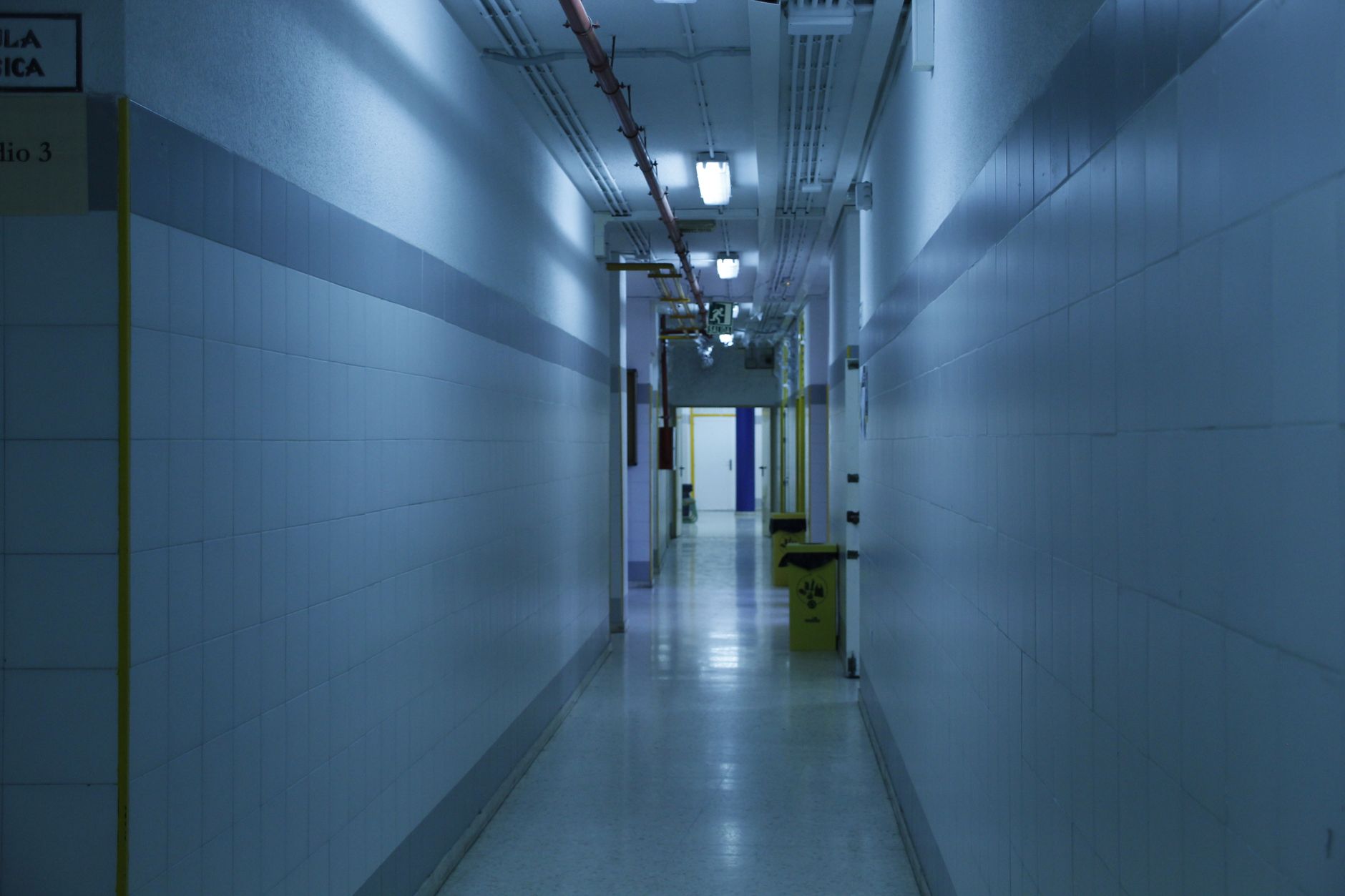
Hospital leadership described Scrubsy as using navigation and scrubbing technology to cover large floor areas in high-traffic healthcare settings. The stated goal is consistent corridor care while humans stay on detailed cleaning, infection prevention, and other support work.
CEO Brian Sims was quoted saying the investment strengthens the care environment and lets skilled caregivers focus expertise where it matters most. For US readers, that is the sentence to remember. The robot handles repeatable floor time. People handle judgment calls.
Why daily runs matter more than a launch photo
Press events are easy. Thirty consecutive nights without a failed dock fill is hard. Lourdes emphasized daily operations, which implies EVS owns startup, recovery, and signage discipline rather than treating the unit as a demo.
If your committee asks for a pilot, require four weeks of completion logs before you expand routes. A robot that runs only when the CEO visits is not a program.
Daily cadence also surfaces consumable reality. Pads, filters, and chemistry on a seven-night schedule cost more than a quarterly deep scrub with a rental machine.
Which work should stay with EVS staff?
The Lourdes release explicitly keeps detailed cleaning, infection prevention, and essential support activities with environmental services. That split matches how infection-control leaders want autonomy introduced.
Bathrooms, isolation rooms, spills, and high-touch disinfecting should remain human-owned in phase one even when corridors shine every morning.
Nursing allies need a clear escalation path when a wet corridor conflicts with a discharge or transport. Robots do not negotiate hallway timing with bed control.
Document training for per-diem EVS staff who only work weekends. They are the most likely to skip dock procedures or leave cones in elevator lobbies.
- Publish which zones are autonomous versus manual each shift.
- Keep STAT spill response on a human pager, not the robot queue.
- Review session logs weekly with infection prevention.
- Train volunteers and vendors not to block dock paths.
How community hospitals should size phase one
Lourdes Medical Center is a regional acute-care site, not a downtown flagship with unlimited EVS float. Community hospitals should copy the scope, not the square footage, by mapping the busiest loop first.
Main corridors, lobbies, and connector halls usually beat OR suites and cluttered supply rooms for autonomous scrubbers. Match the machine width to your narrowest acceptable path before you sign.
Quiet operation matters near patient rooms. Ask for decibel ratings and schedule aggressive cycles when census is lower if day staff complain about noise.

What infection prevention should document
Autonomous logs can support survey conversations when they align with your written floor-care policy. They do not replace ATP swabs or visual checks on touch points.
Chemical approval must match pad type and dilution your infection-control committee already accepts. A robot running unapproved chemistry creates audit risk on night one.
Coordinate with facilities on slip and fall signage. Staff habituation is when incidents happen because everyone assumes the corridor dried already.
Financing and service through one partner
Commercial cleaning robot rental and hospital disinfection robot rental paths let boards expense a pilot instead of capitalizing one machine before proof exists. The real comparison is uptime when a drive wheel fails at 2 a.m.
Service Robot Co. picks autonomous scrubbers in a vendor-neutral way, finances or leases the unit, maps routes with EVS, trains staff, and maintains hardware through a nationwide US engineer network. One partner for deployment, remote triage, and on-site dispatch.
Lourdes publicized Scrubsy by name to humanize the tool. Your integrator should still write service-level expectations in plain English before marketing nicknames.
Month-to-month robot lease options can pair with a spare brush kit in the EVS closet so a worn pad does not cancel an entire night of corridor coverage.
What Scrubsy's story does not publish
The July 2026 release does not cite square feet per night, payback months, or infection metrics. Treat those as local pilot requirements, not implied outcomes from Kennewick.
Autonomous scrubbers do not deliver medications, linens, or meals. They attack floor labor on wide routes so EVS can redeploy hours if leadership plans for it.
Use Lourdes as proof that another US hospital kept a scrubber running daily past the ribbon cutting. Earn your own metrics before you order unit two.
Frequently asked questions
Sources
Service Robot Co. is not affiliated with, sponsored by, or endorsed by the companies mentioned in this article.