Key takeaways
- Morrisons and Just Eat trialed robot grocery delivery from Cambourne and Daily stores in 2026.
- Orders ran through the aggregator app with product limits sized for small sidewalk carriers.
- Robots handled repeat last-mile loops so colleagues stayed on in-store tasks.
- US operators should pilot one dense neighborhood before they scale a fleet.
- A vendor-neutral integrator helps match sidewalk rules, doors, and handoff points.
What changed in the Morrisons trial?
In October 2026, UK grocer Morrisons and food-ordering platform Just Eat expanded autonomous sidewalk grocery delivery from a Cambourne supermarket and several Morrisons Daily convenience stores, according to trade press and a Just Eat news release. Shoppers ordered through the Just Eat app during posted daytime windows rather than calling a store line.
The trial marked the first Just Eat grocery delivery in Cambourne, opening robot delivery to residents who previously had no aggregator grocery option in the area. Three Morrisons Daily sites in other towns were already live, so the program blended a full supermarket with smaller express boxes.
Trade coverage noted service hours that differed on Sundays versus weekdays. US operators should publish the same clarity. A robot that stops at 3 p.m. on Sunday while the store stays open will frustrate customers unless the app blocks orders automatically.
Why sidewalk grocery delivery is different from takeout
Restaurant delivery usually means a few hot bags and a short list of SKUs. Grocery delivery means weight, temperature, and substitution questions. Morrisons limited the catalog to items that fit inside a small autonomous carrier, which is the honest constraint every US convenience operator must accept on first-generation sidewalk robots.
That filter protects the customer experience. Nobody wants a crushed loaf or a melted frozen item because someone forced a full basket into a tiny payload bay. It also protects store labor. Pickers can batch robot-sized orders without pretending the robot is a panel van.
Temperature matters on short trips too. Even a ten-minute sidewalk run can warm chilled items if staging sits next to a hot fryer line. US pilots should stage robot orders in a defined cold zone and scan out with the same discipline you use for curbside pickup.
What US convenience operators can copy
Copy the operating model before you copy the hardware count. Morrisons paired a familiar aggregator checkout with clear delivery hours. US operators can mirror that with their own branded app or a partner marketplace, but the hours and basket rules must be visible before checkout.
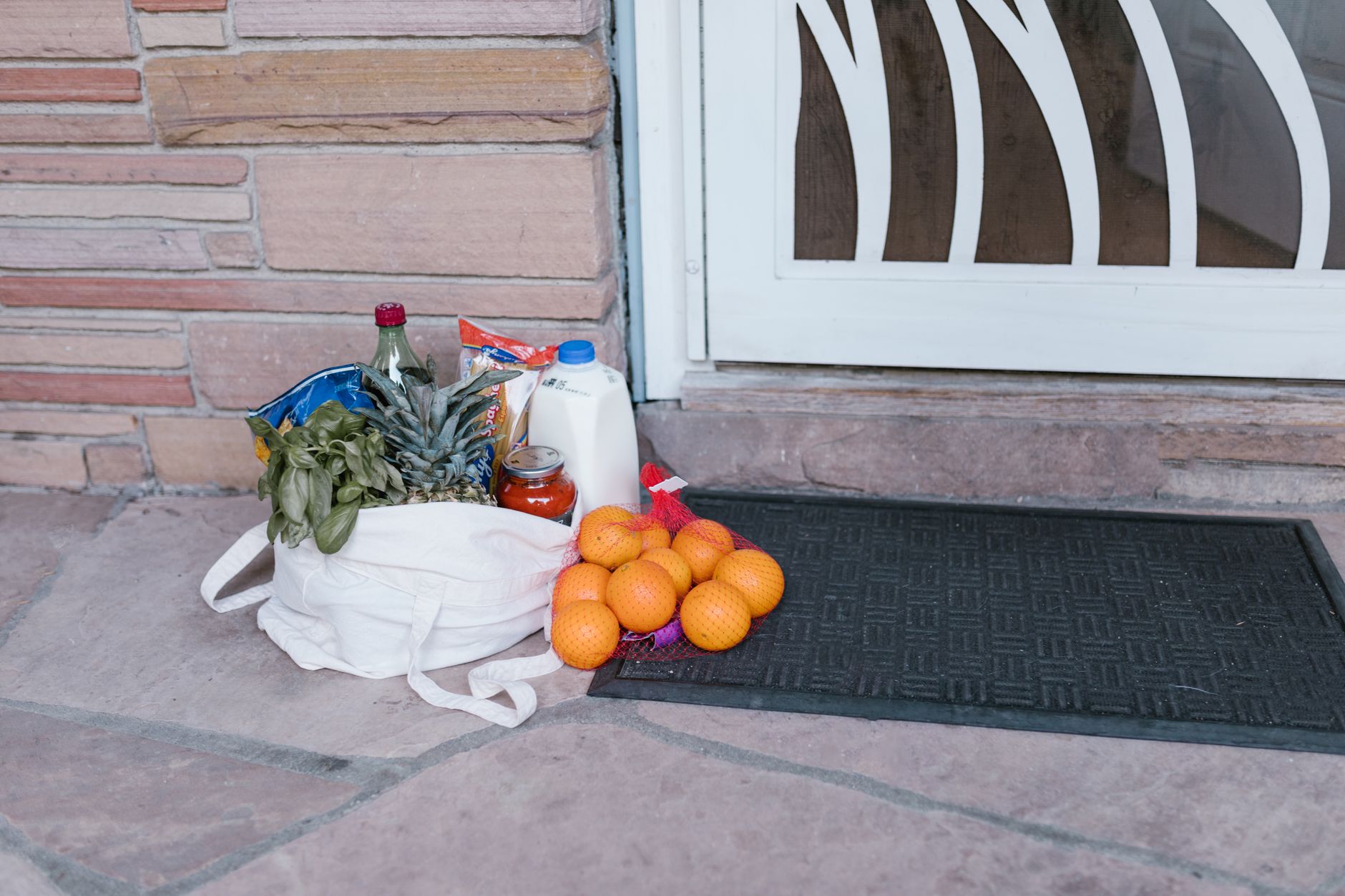
Start with fill-in trips, not full weekly shops. Milk, eggs, bread, and produce staples showed up in UK coverage as popular robot basket items during promotional periods. That matches how US customers actually use small-format stores on weeknights.
Promotional days can spike volume without warning. UK coverage noted strong demand for discounted staples during midweek promotions. Build staffing so a robot surge does not steal pickers from the sales floor during peak foot traffic.
- Cap item size and weight in software, not with a note at the door.
- Publish robot delivery windows beside standard courier slots.
- Train one in-store lead to stage orders and handle exceptions.
- Measure repeat orders from the same address, not only first-time novelty.
Staffing: robots on the loop, people on judgment
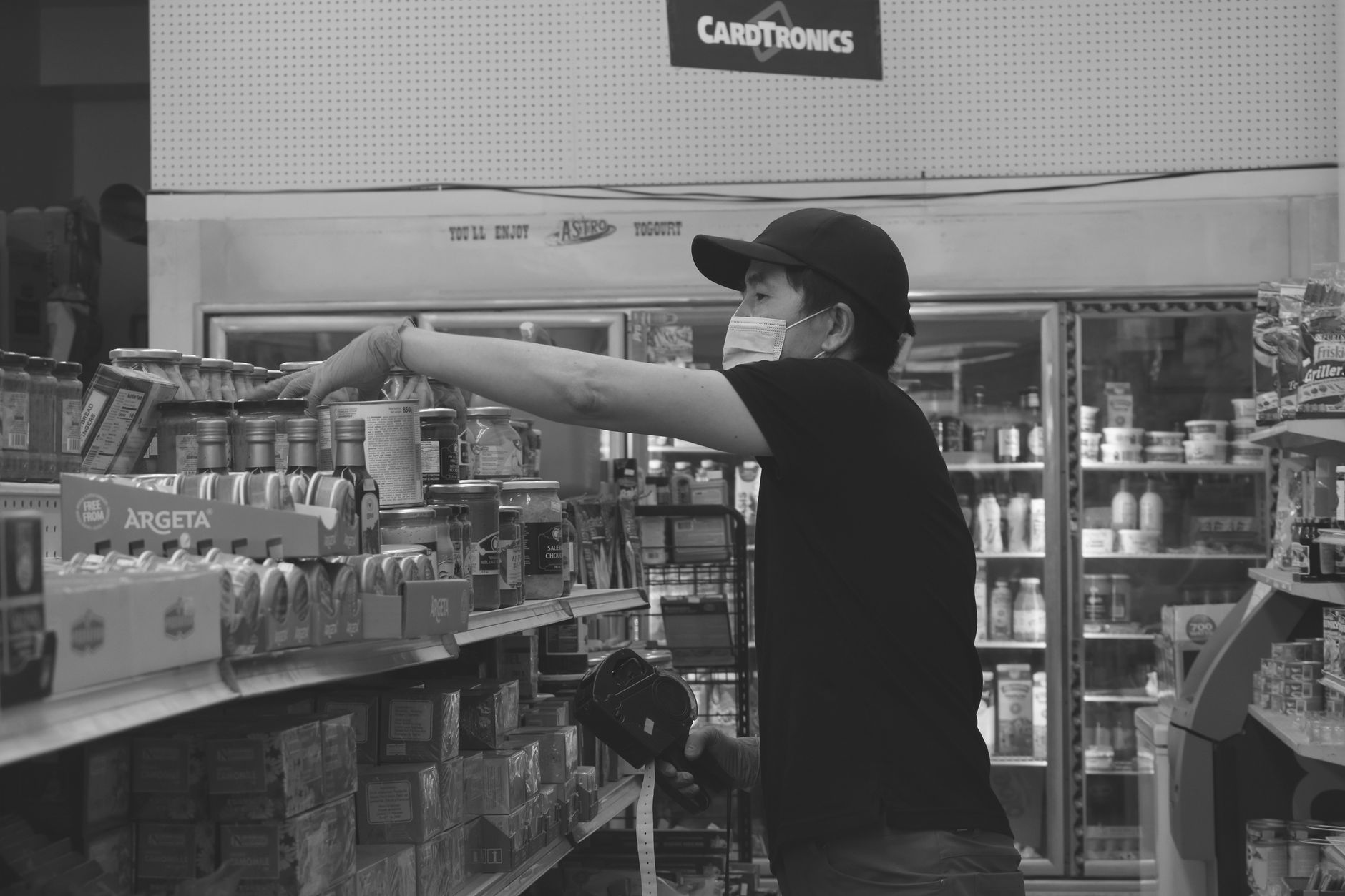
Public statements described autonomous carriers navigating sidewalks while store teams focused on customers and shop operations. That is the same co-bot story US grocers need internally. The robot owns the predictable path. People own substitutions, age-restricted products, and anything that needs a conversation.
If you skip that split in training, floor staff treat the robot as a threat. Write escalation steps for stalled curbs, blocked crossings, and customer handoffs before you announce the pilot on social media.
Handoff points deserve signage and lighting. Customers who meet a robot at the curb for the first time will look confused even when the order is correct. A painted meeting spot and a short instruction in the app reduce failed deliveries.
Aggregator partnerships versus owned delivery
Just Eat brought demand and checkout habit to the Morrisons trial. US operators may partner with a marketplace for the same reason, or they may keep delivery inside a loyalty app. Either way, someone must own the handoff photo, the refund path, and the status messages customers see.
Partnerships speed adoption because customers already have the app installed. Owned apps keep margin and data closer to home. Pick based on whether your pilot needs reach or control, not based on which logo looks modern in a press release.
Customer communication should show robot status the same way you show courier GPS. Silence creates phone calls to the store. Simple messages at picked up, en route, and arrived cut down on duplicate trips.
Where Service Robot Co. fits for US pilots
Sidewalk grocery pilots still touch more than the robot. You need site mapping, charging locations, insurance paperwork, and a service plan when a unit stops mid-block. Service Robot Co. selects hardware in a vendor-neutral way, then finances, deploys, trains, and services units through a nationwide engineer network.
That matters when your first pilot spans one dense subdivision and you are not ready to hire a robotics team. Expand routes only after completion logs stay stable through a rain week and a holiday weekend.
Insurance and municipal permits vary by state and city. Budget time for legal review before you promise robot delivery in marketing. A pilot folder with routes, speeds, and escalation contacts speeds approval with property managers and HOAs.
How this compares to US grocery automation headlines
US readers hear more about warehouse automation and micro-fulfillment than about six-wheel sidewalk carriers. Morrisons sits in the middle: express-format stores, short routes, and repeat fill-in baskets. The lesson is last-mile discipline, not novelty.
If you operate highway-front c-stores, college-town markets, or urban bodega-sized boxes, the relevant question is whether a mapped sidewalk loop beats a courier car for trips under two miles. Run the pilot, read the logs, then decide.
College towns and master-planned suburbs often have the sidewalk continuity these pilots need. Rural highway stores may still be better served by staff drivers until mapping and handoff points are solved.
What sidewalk grocery robots do not solve
They do not replace refrigerated case stocking, public restroom checks, or fuel forecourt coverage. They do not fix a store layout that makes picking slow. They also depend on local rules for sidewalk use, curb cuts, and nighttime operation.
Treat the robot as one delivery mode beside cars and bikes, not as a promise that labor disappears.
Frequently asked questions
Sources
Service Robot Co. is not affiliated with, sponsored by, or endorsed by the companies mentioned in this article.