Key takeaways
- A fixed lease payment is quoted only after a site assessment has measured the floor, the traffic and the charging points.
- Rated coverage, runtime and machine size have to match the floor plan and the cleaning window.
- Zones a robot cannot handle belong in the quote, not in a surprise after go live.
- Ask how mapping, staff training and the first month review are covered in the scope.
- Industry growth figures show direction, since IFR data comes from a sample of 238 suppliers.
What does one fixed lease payment cover after a site assessment?
A robot lease quote for a three year term is built from the floor up, not from a catalog page. The assessment comes first. It records how the building is laid out, what the floors are made of, how people and carts move through the space, where a robot would charge, and when cleaning has to happen. Only after that survey does the integrator put one fixed lease payment on the table.
That figure is meant to reflect the scope the survey defines: which zones the robot covers, how long each run has to take, and what service and support the lease carries. It is not a number lifted from a brochure. If the survey missed a loading dock or a line of thresholds, the payment will not account for it, which is why the questions near the end of this article matter.
Read the quote as a statement of scope. The sections below explain what the assessment measures, why traffic and schedules change the numbers, and what to check before you sign.
What does a site assessment measure?
Facility assessment guidance starts with the same basic inputs: floor type, facility size, traffic patterns, cleaning requirements and operating schedules. From there, the site is split into cleaning zones using a mapping and route plan, according to CleanLink's guide to facility floor care. Those inputs form the skeleton of the quote, and site assessment mapping is what turns them into zones.
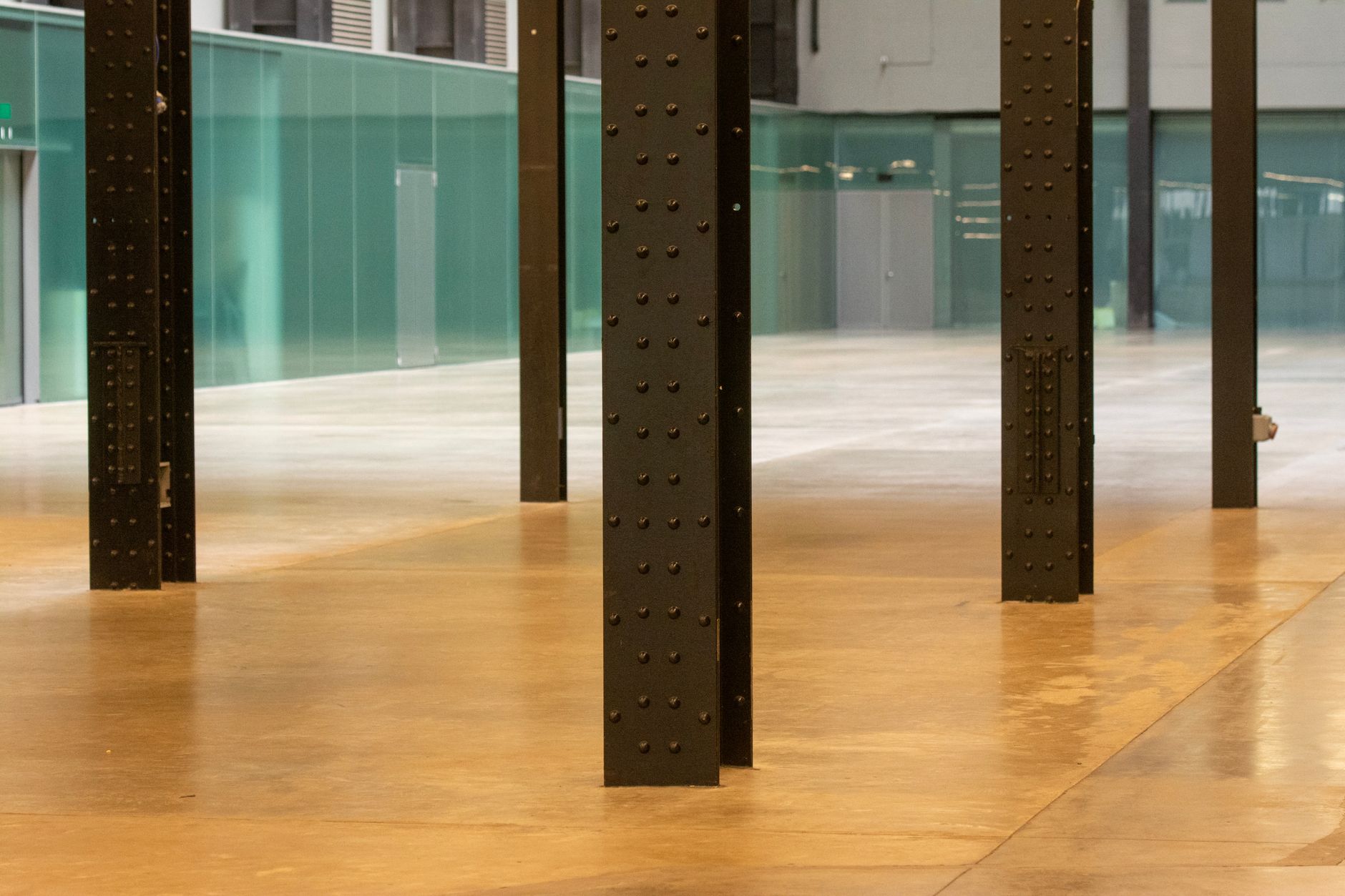
Floor surface matters more than most buyers expect. A vendor's site review examines floor finishes, gradients, thresholds and obstacles, and it flags zones where a robot is a poor fit, as of November 2026. A polished concrete corridor with a lip at the doorway and a carpeted lobby are different jobs, even inside one building. A floor scrubber lease is only as accurate as the floor it describes.
The assessment also maps the charging points and the routes between each zone and its charger. A robot that has to cross a busy aisle to reach its dock spends part of its shift in transit, and the quote should account for that time.
How do traffic and schedules change the quote?
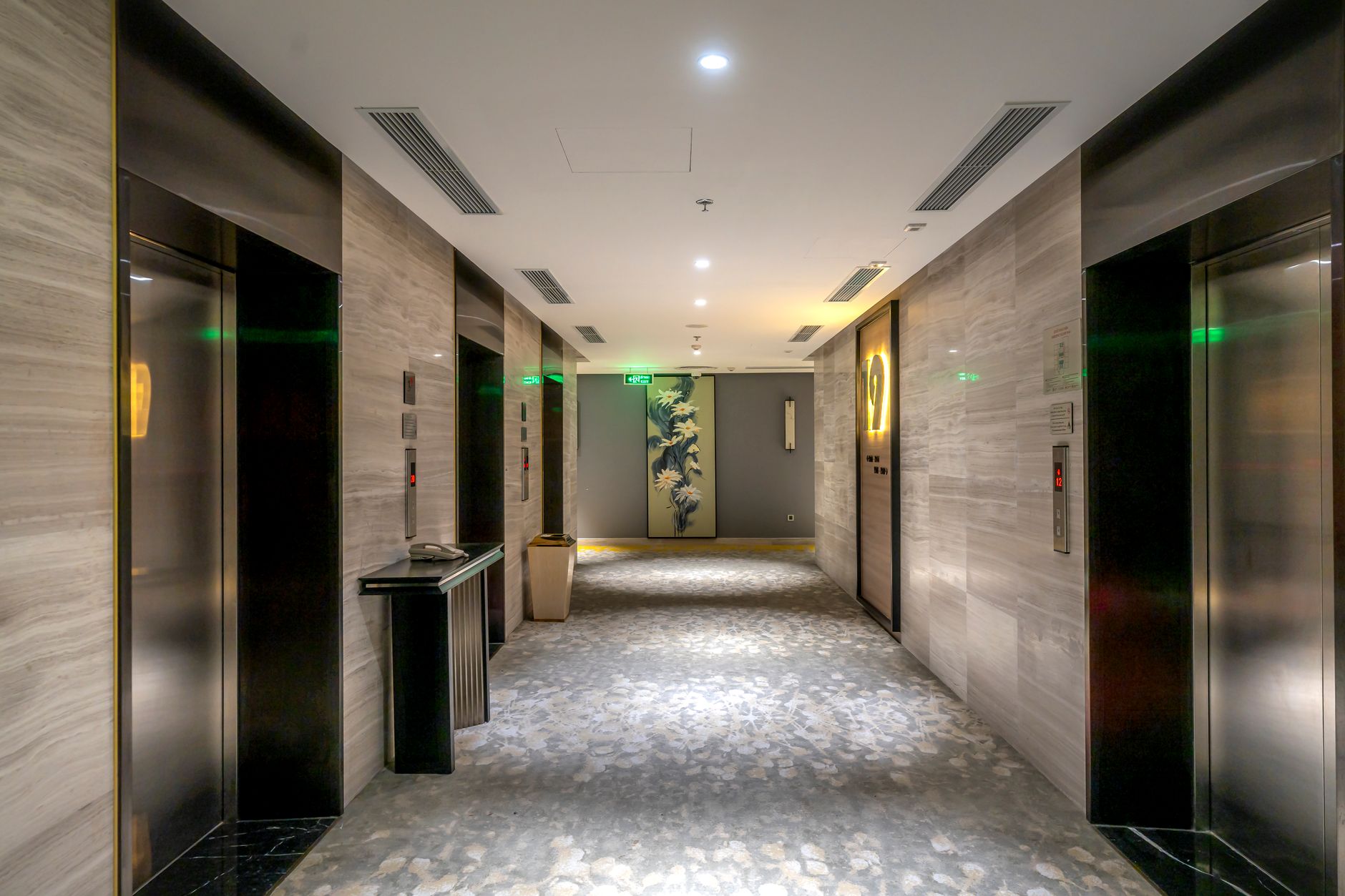
A cleaning robot saves time only if it can finish inside the window you already have. One vendor's buying guide makes the point directly and states that rated coverage, runtime and machine size must match the floor plan. A machine that looks right on paper but is too slow for the window does not help the crew that is waiting for the floor.
Traffic decides when the robot can run and which paths stay open. A building that empties at night needs a different plan from one where foot traffic continues until the doors close, and the quote should reflect the schedule the assessment confirms. A night shift autonomous scrubber and an overnight floor care plan both depend on that schedule being measured rather than guessed. This is how the robot that fits your floor gets identified before any payment is set.
What should be checked for charging and power?
Charging is where first robot plans often run thin. A downloadable readiness checklist from one vendor lists items such as ventilation in the charging area and an energy control and lockout section. We could see only those item titles, so treat the list as a prompt for questions rather than a verified specification.
We did not find a public source that sets out charging outlet placement, circuit requirements or traffic lane widths for these machines. Those details belong in the site survey and the integrator's written plan, measured on the actual building. A quote that skips them rests on assumptions the floor may not share.
How does the deployment plan shape the quote?
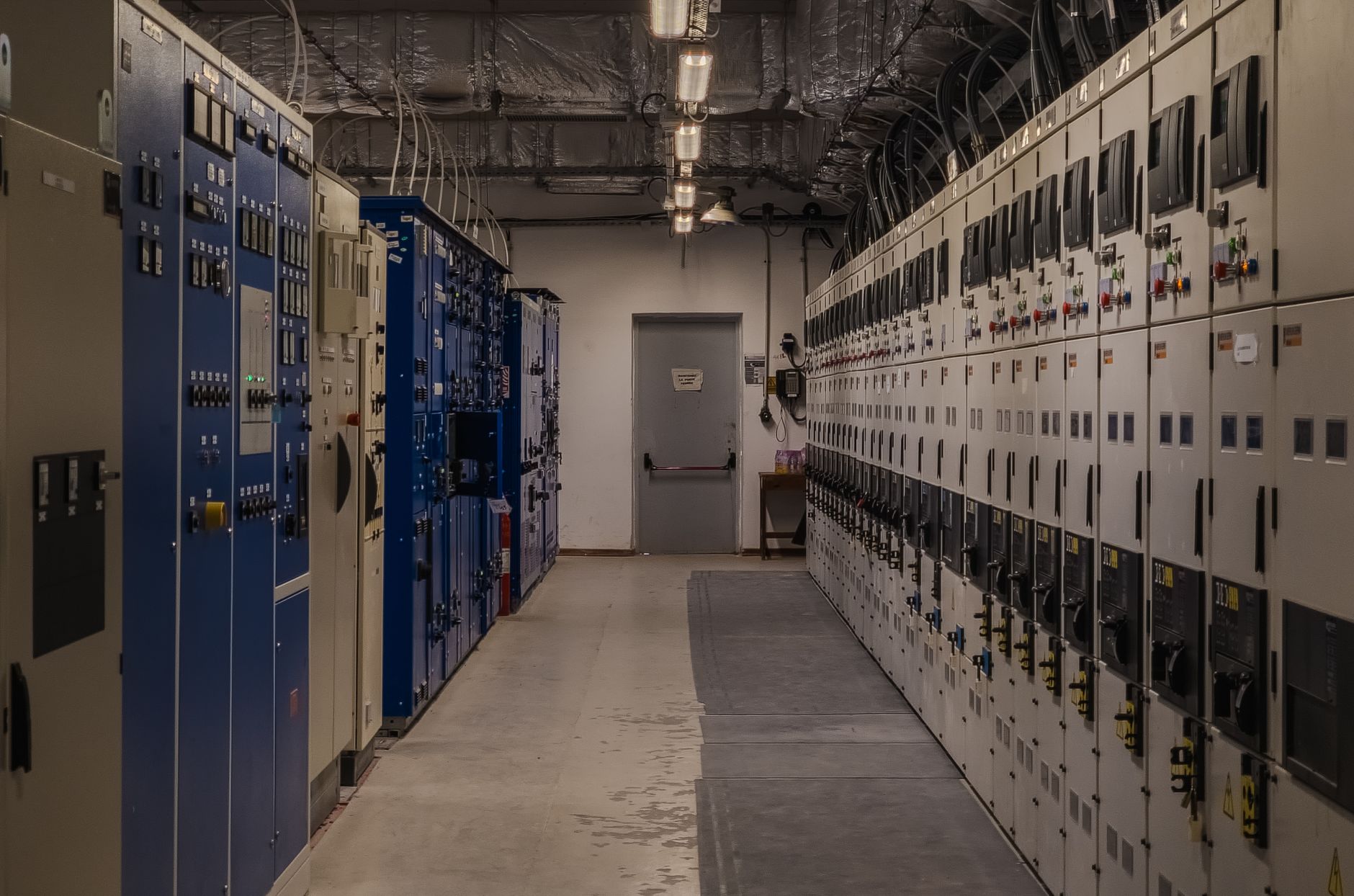
One vendor's deployment guide describes four steps: a site audit, mapping during a quiet window, staff training on daily basics and the emergency stop, and a go live review after the first month. It also suggests a pilot before full commitment, as of November 2026. Each step takes people and hours, so each belongs in the scope behind the payment.
Ask if mapping happens during quiet hours, who trains your crew, and what the first month review checks. A pilot on one zone shows if the survey was right before a larger lease is signed. Starting with one leased unit gives a site a real test before the rest of the floor plan is committed, and it is a sensible route to turnkey robot deployment.
How should market growth figures be read?
Robot sales are climbing, so more facilities will reach this process. IFR's press release reports that professional service robot sales rose 24% to almost 250,000 units in 2025. Transport and logistics was the largest application, with 117,500 units sold, up 21% from 2024 and about 47% of professional service robot sales, according to Supply Chain 247, which reports IFR data.
The IFR figures come from a sample of 238 suppliers and are not projected to the whole industry, a caveat that Supply Chain Digital attaches to its coverage. Use these numbers to understand direction. They do not tell you what your floor needs, and only the site assessment can answer that.
Where does Service Robot Co. fit into the quote?
Service Robot Co. builds its quote the way this article describes, as part of its commercial robot leasing work. We run the site assessment first, then quote one fixed lease payment for a three year lease that runs through financing. The figure answers to the building that will actually be served, and there are several robot lease options that the survey helps sort.
We are a vendor neutral robot integrator. We pick the right robots across manufacturers for the floor in front of us, then finance, deploy, integrate, train and service every unit through a nationwide US engineer network. One vendor covers the full lifecycle, which keeps the survey, the deployment and the service relationship in one place.
What should you ask before accepting a quote?
Bring these questions to the first site visit, and expect written answers before you sign.
- Which zones are excluded from the quote, and what does your crew handle instead?
- Does the survey record charging points, outlet locations and the route to each charger?
- Are rated coverage, runtime and machine size checked against the floor plan and the cleaning window, in writing?
- When does mapping happen, and does it run during quiet hours?
- What does the go live review cover after the first month, and who attends it?
- What happens when a unit stops mid shift, and does the service plan offer on site dispatch or remote triage first?
Frequently asked questions
Want a robot working for you?
Tell us the job and the site. We will recommend the robot, quote the lease, and keep it serviced.
Sources
- Supply Chain 247, citing IFR data
- IFR press release on professional service robot sales
- Supply Chain Digital coverage of IFR data
- CleanLink guide to facility floor care
- Hospitality Hub vendor site review
- Sparkobot deployment guide
- Knox Labs commercial floor cleaning robot buying guide
- Facility readiness checklist sample (item titles)