Key takeaways
- Paris Regional Health in Paris, Texas introduced an autonomous floor-cleaning robot on August 26, 2026.
- Staff chose the unit's playful name through a hospital naming contest, which helped adoption.
- Leadership says the robot handles large-floor routine scrubbing so EVS can focus on detail work.
- Community hospitals can copy the pattern with one mapped corridor loop before expanding.
- Vendor-neutral integrators align scrubber specs, financing, training, and nationwide service.
What did Paris Regional Health announce in August 2026?
On August 26, 2026, Paris Regional Health posted that it welcomed an autonomous floor-cleaning robot to support environmental services across the hospital. The announcement said team members picked the winning name through an internal contest, which turned a hardware rollout into a culture moment staff could own.
Chief operating leadership quoted in the release stressed that environmental services still creates the safe, welcoming environment patients expect. The robot is framed as help with routine floor care, not a replacement for skilled EVS work on bathrooms, touch points, and patient-facing tasks.
For US readers, the headline is familiar. Another community hospital put a scrubber in live corridors and told the public why EVS time matters.
Why community hospitals start with one scrubber
Regional hospitals rarely have unlimited capital or spare EVS headcount. One autonomous scrubber on mapped main corridors can cover thousands of square feet per shift while humans handle isolation rooms, spills, and furniture moves.
Paris Regional's messaging mirrors what other community sites report. Wide routes belong on the machine. Detail belongs on people who know infection-control protocols and patient sensitivity.
If your facility is smaller than a flagship academic center, that split is often the only financially honest phase one. Prove nightly coverage on the busiest loop, then debate fleet expansion.
How a staff naming contest helps adoption
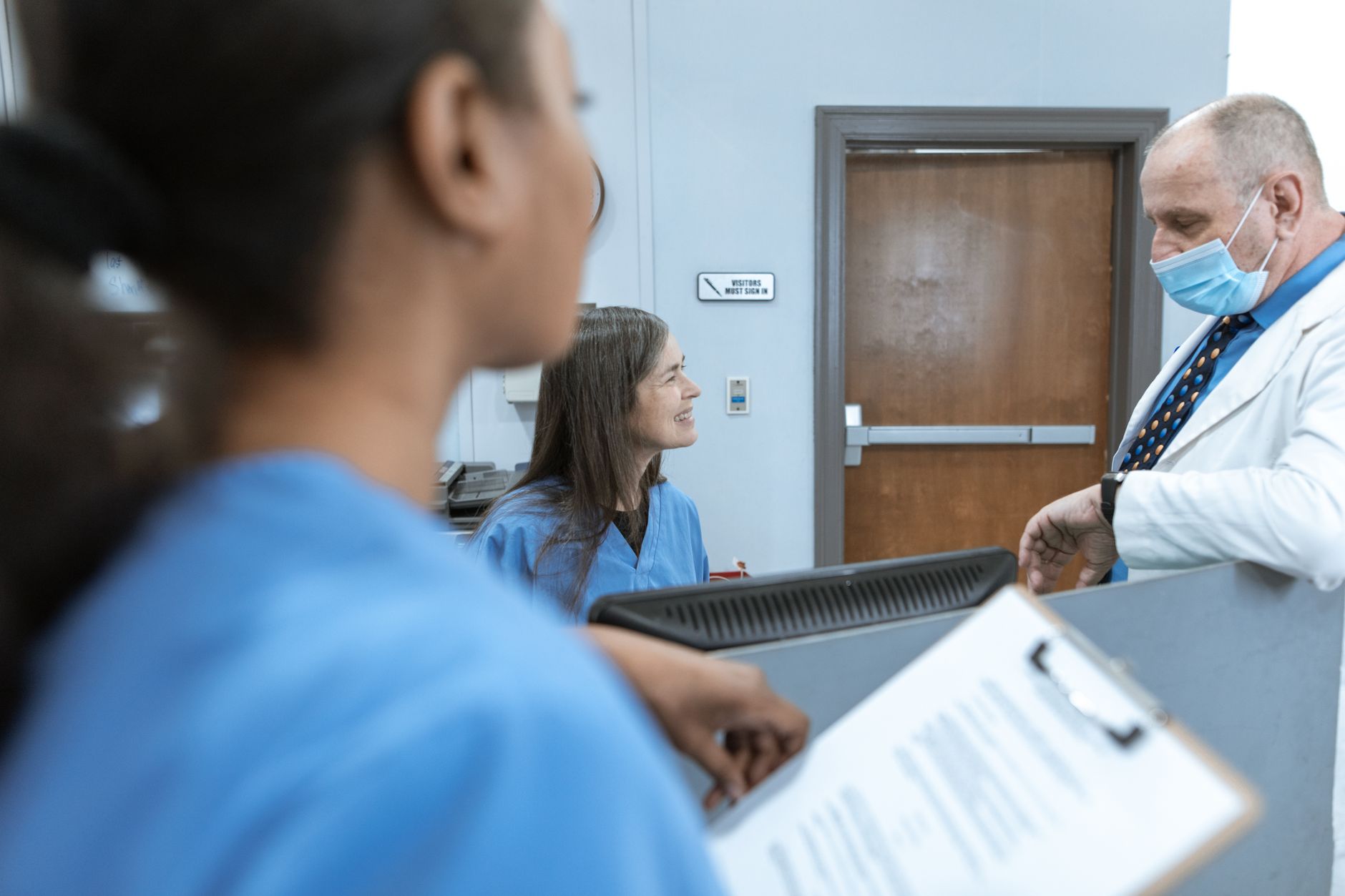
Robots fail when frontline staff treat them as surveillance or job threats. A naming contest gives EVS and nursing allies a story they already told coworkers before the first autonomous run.
Playful names also give patients and visitors a neutral label when they see a slow machine in a hallway. That reduces surprise and gives security a clear phrase for radio calls.
Document who owns daily startup, who empties tanks, and who signs off when a route is skipped. Culture work and SOP work happen together.
Which floors and shifts should phase one cover?
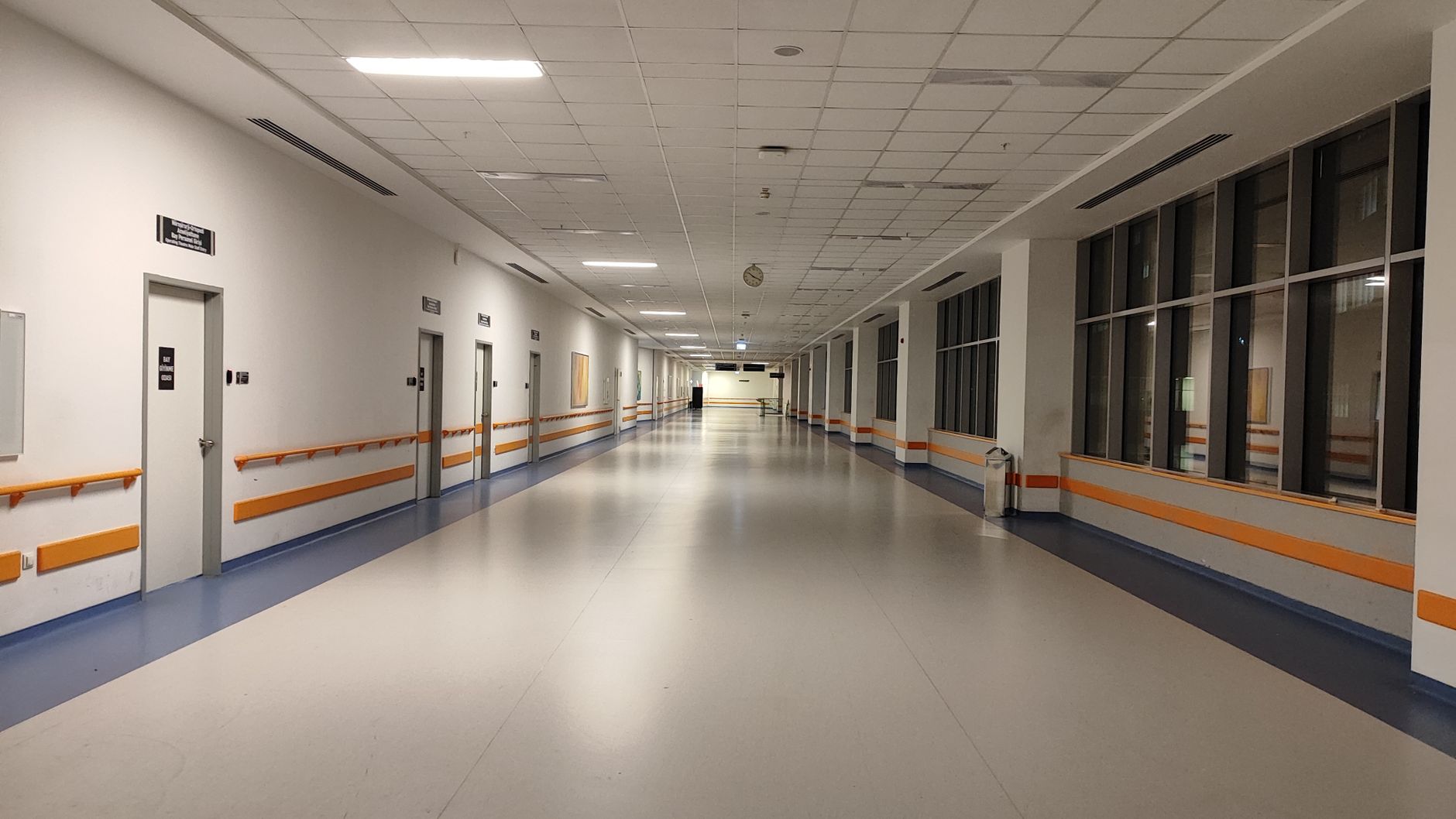
Hospital announcements usually describe large open areas first. Main corridors, lobbies, and connector halls fit scrubber paths better than cluttered supply closets or OR suites.
Night or low-traffic windows matter for noise and wet-floor signage. Patient corridors need quieter cycles and clear cone placement at corridor ends.
Map one loop that EVS already walks with a walk-behind scrubber. Match water recovery and drying time to your real open hours before you promise 24/7 autonomy.
- Measure square feet per night on the pilot loop only.
- Keep humans on bathroom and isolation disinfecting work.
- Log slip incidents and near misses separately from machine faults.
- Review chemical approvals with infection control before go-live.
What infection prevention leaders should verify
Autonomous scrubbers change how you prove floor care, not whether you still disinfect high-touch surfaces. Ask for session logs with time, zone, and coverage when your surveyors want evidence.
Chemical concentration and pad type must match manufacturer labels and your internal policy. A robot running the wrong dilution creates audit risk faster than a missed corner with a mop.
Coordinate with nursing on wet-floor timing near patient rooms. A clean corridor that blocks a discharge is still an operational failure.
Financing and service when you want one partner
Hospital disinfection robot rental and commercial cleaning robot rental programs appeal to boards that want operating expense instead of a single capital spike. The comparison is who dispatches engineers when a brush motor fails on a holiday weekend.
Service Robot Co. selects autonomous scrubbers in a vendor-neutral way, then finances or leases the unit, maps routes with EVS, trains staff, and maintains hardware through a nationwide US engineer network. One partner for deployment, remote triage, and on-site dispatch.
Paris Regional's story is a reminder that community hospitals can launch with one visible win. Your integrator should make that win measurable before anyone orders a second machine.
What this story does not prove by itself
A press release does not publish square footage per night, payback months, or infection-rate outcomes. Treat those as metrics your pilot must capture locally.
Scrubbers do not remove linen runs, meal delivery, or pharmacy walks. They attack repeatable floor time so EVS can redeploy hours, not eliminate the department.
Copy the workflow philosophy from Paris. Earn your own numbers on your own floors before you cite theirs in a capital request.
Frequently asked questions
Sources
Service Robot Co. is not affiliated with, sponsored by, or endorsed by the companies mentioned in this article.