Key takeaways
- One paid night proves demand for spectacle, not a repeatable supply chain.
- Seven robots on stage is logistics, not a template for every brand activation.
- Customer payment matters more than social clips for early validation.
- Insurance and operators still decide whether sharing scales past demos.
- Facilities with daily chores still need integrators, not weekend sharing alone.
What happened at the Malibu Mixer?
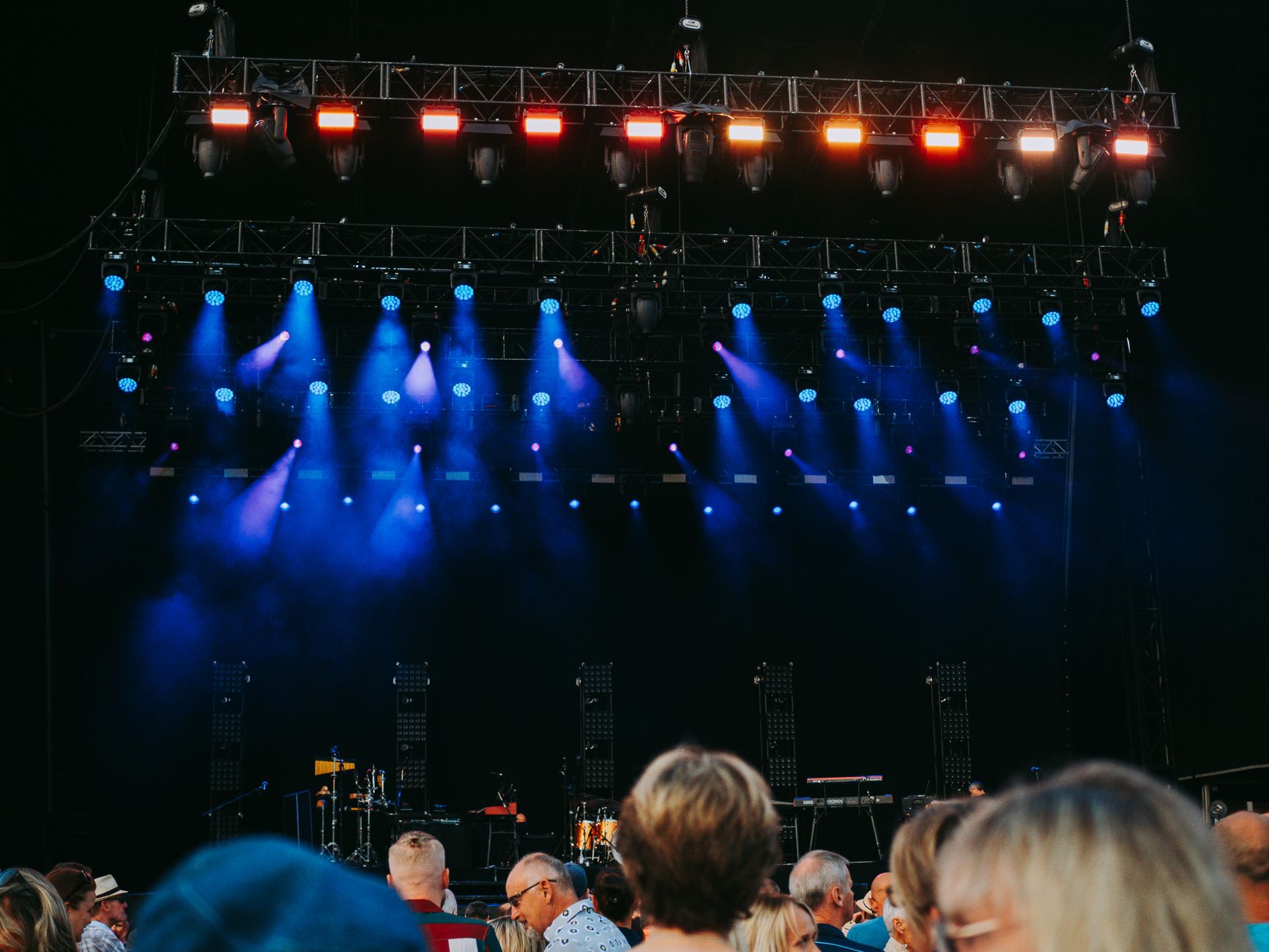
On August 29, 2026, an entertainment industry gathering called The Malibu Mixer ran at Malibufilms in Malibu, California. According to a public announcement released August 31, 2026, a robot-sharing service completed its first paid commercial deployment there: seven robots on site, the customer paid, and the engagement closed without incident.
The release described a mix of humanoid and quadruped platforms used for live performance, demonstrations, audience interaction, and a coordinated four-robot routine. That is a long way from a warehouse scrubber on a nightly schedule, but it is still a completed transaction with a named date and venue.
Treat the headline as a data point, not a trend line. One beachside activation does not rewrite how hospitals, hotels, or distribution centers buy automation.

What does a paid engagement actually prove?
Payment separates a marketing stunt from a commercial test. The announcing company stated the customer paid and confirmed completion. That matters more than viral clips because it shows someone signed a budget line for robot capacity they did not own.
It also proves coordination is possible across multiple form factors in one evening when skilled operators and rehearsal time exist. Festivals and brand teams care about that proof when they want spectacle without buying hardware.
It does not prove margin, utilization, or spare-unit depth. A single flawless night says little about what happens when robot three arrives with a cracked sensor at load-in.
What did the company claim about firsts and follow-on interest?
The announcement said the company believes, based on its review of public information, that this was the first paid U.S. robot-sharing deployment combining humanoid and quadruped robots in a coordinated live performance. Belief statements deserve scrutiny, but they frame how the provider positions itself.
The same release cited more than twenty expressions of commercial interest for future event-style deployments, with several moving into follow-up talks. Lead counts after a flashy night are common in experiential marketing. Conversion to signed contracts is the harder number, and it was not disclosed.
Readers should separate interest from booked revenue. Event producers ask for quotes; finance teams ask for insurance certificates.
Where does transport and setup still block repeatability?
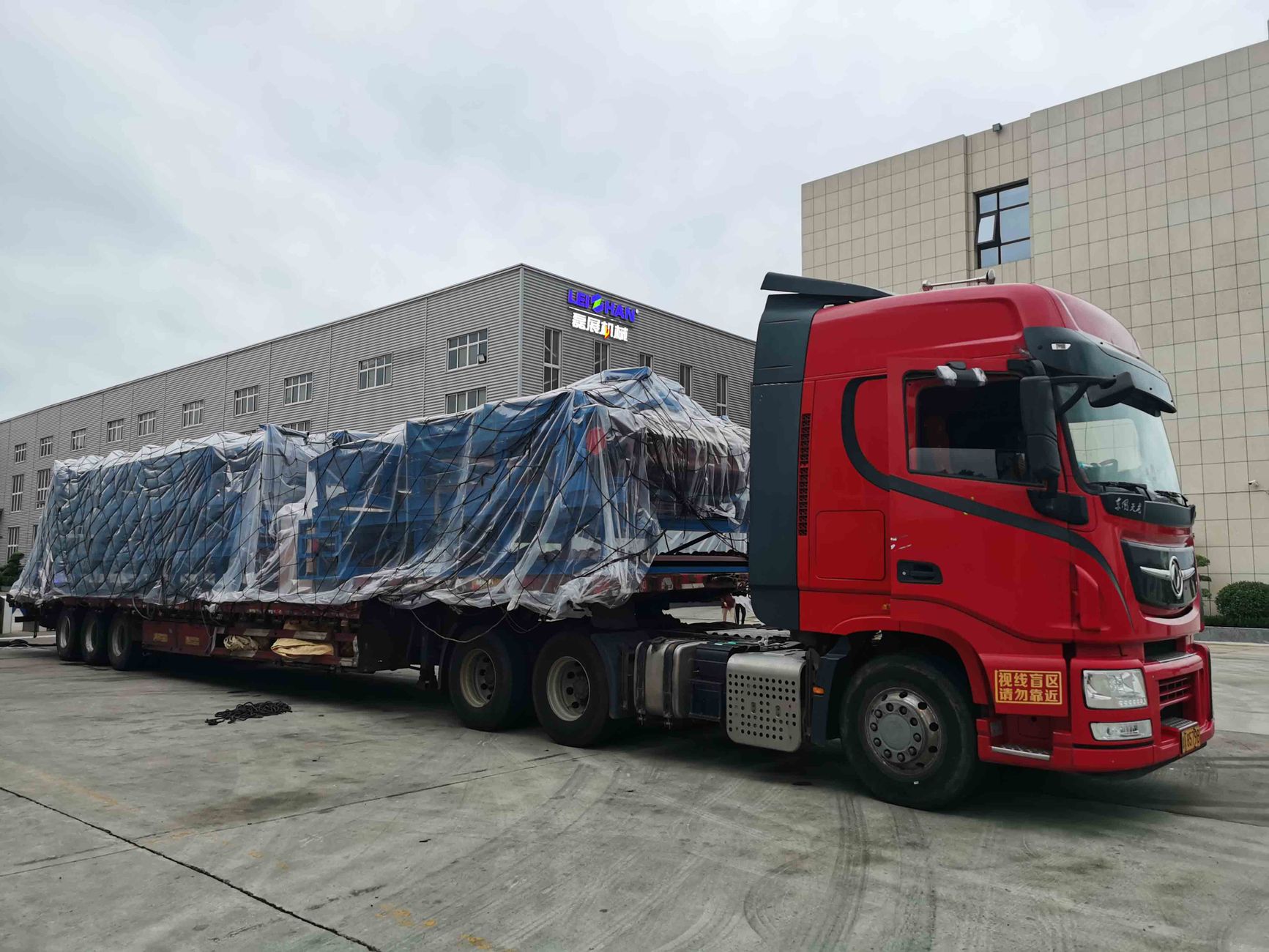
Seven robots crossing Los Angeles traffic to a coastal venue implies crating, charging, calibration, and backup parts in a truck. The announcement mentioned pre-event preparation and on-site operational support but did not publish hours, crew size, or freight cost.
Outdoor grass, cables, and crowd barriers change lidar behavior compared with a hotel ballroom. A sharing model must publish site requirements the way rigging companies publish weight limits.
Without transparent setup playbooks, every new promoter reinvents the same fire drill.
Who operates the robots when the talent leaves the stage?
Live performance robots still need trained handlers for estops, battery swaps, and crowd boundaries. The Malibu deployment leaned on provider staff, not the venue janitorial team.
Event buyers often assume robots are self-running props. They are not. Labor cost belongs in the quote next to rental day rate.
Union rules, child-safety buffers, and alcohol service zones can all restrict where a mobile unit may move. Operators who know local fire marshal habits are part of the product.
How do insurance and liability differ from a fixed install?
A one-night rental needs general liability, inland marine on the haul, and clear language on who pays if a unit tips toward a guest. Permanent facility installs carry different riders and inspection schedules.
Short-term vendors must name additional insured parties fast. Promoters will not open gates without certificates on file.
If the sharing model cannot standardize insurance packets, sales cycles will stay as slow as custom film production.
Does utilization math work for concerts versus conventions?
Concerts compress demand into a few hours. Conventions spread traffic across days but repeat the same routes. Sharing pools must match those shapes or robots sit in cases.
Humanoid and quadruped platforms draw crowds but may run minutes per hour. Delivery and scrubbing robots at a trade show might run loops all day. Mixing those economics in one pool is hard.
Buyers should ask utilization targets and idle fees before they treat sharing as cheaper than purchase.
Where do ongoing facility robots still fit?
Hotels, casinos, and campuses that need floors scrubbed every night rarely benefit from borrowing humanoids for a weekend. They need vendor-neutral integrators who finance, map, train, and service units that stay on property.
Service Robot Co. focuses on that lifecycle for cleaning, delivery, security, and warehouse automation rather than one-off concert props. Event sharing and facility integration can coexist in one market without being the same purchase.
A promoter might rent spectacle while the hotel next door rents a scrubber on a monthly program. Different problems, different contracts.
What would prove the model is repeatable?
Publish a chain of paid jobs with dates, verticals, and on-time completion rates, not only lead counts.
Show insurance templates, average setup hours, and spare-unit policy across three consecutive weekends.
Demonstrate a second customer paying full price without the first customer on the marquee.
- Paid contract, not free showcase
- Documented setup and operator hours
- Insurance packet ready at quote stage
- Spare robot or clear downtime plan
- Utilization target matched to event type
Frequently asked questions
Sources
Service Robot Co. is not affiliated with, sponsored by, or endorsed by the companies mentioned in this article.