Key takeaways
- Scotmid Co-op announced robotic cleaners across 14 stores on September 21, 2026 with its contracted cleaning partner operating the fleet.
- The society runs 177 food stores, so the rollout is a targeted pilot scale, not a chainwide flip.
- Robots scrub varied flooring while detecting static and moving obstacles during trading hours.
- US co-ops can mirror the model with vendor-neutral hardware selection and monthly rental before capital.
- Reporting and maintenance clauses matter as much as navigation when cleaning is outsourced.
Why a 14-store co-op pilot matters in the US
On September 21, 2026, Scotmid Co-op said it is rolling out robotic cleaning machines across 14 stores in Scotland. The headline is modest compared with thousand-store US chain stories, yet it is instructive for American co-ops, regional grocers, and convenience operators who share the same constraints: thin night crews, mixed flooring, and customers in the aisles until close.
Scotmid operates 177 food stores, so fourteen locations represent a disciplined test bed rather than a bet-the-company rollout. US buyers should read it as proof that a member-owned retailer can add autonomy without firing its cleaning partner or rewriting every standard operating procedure overnight.
The robots work alongside existing cleaning teams, according to the retailer, which is the framing most US labor relations can absorb. Automation handles repeatable scrubbing; people still own spills, fixtures, and the judgment calls at the deli case.
What Scotmid actually deployed
Scotmid described machines that use smart navigation to move safely around stores while scrubbing different floor types. They can operate in busy spaces by detecting and avoiding static and moving obstacles, the society said in trade press coverage.
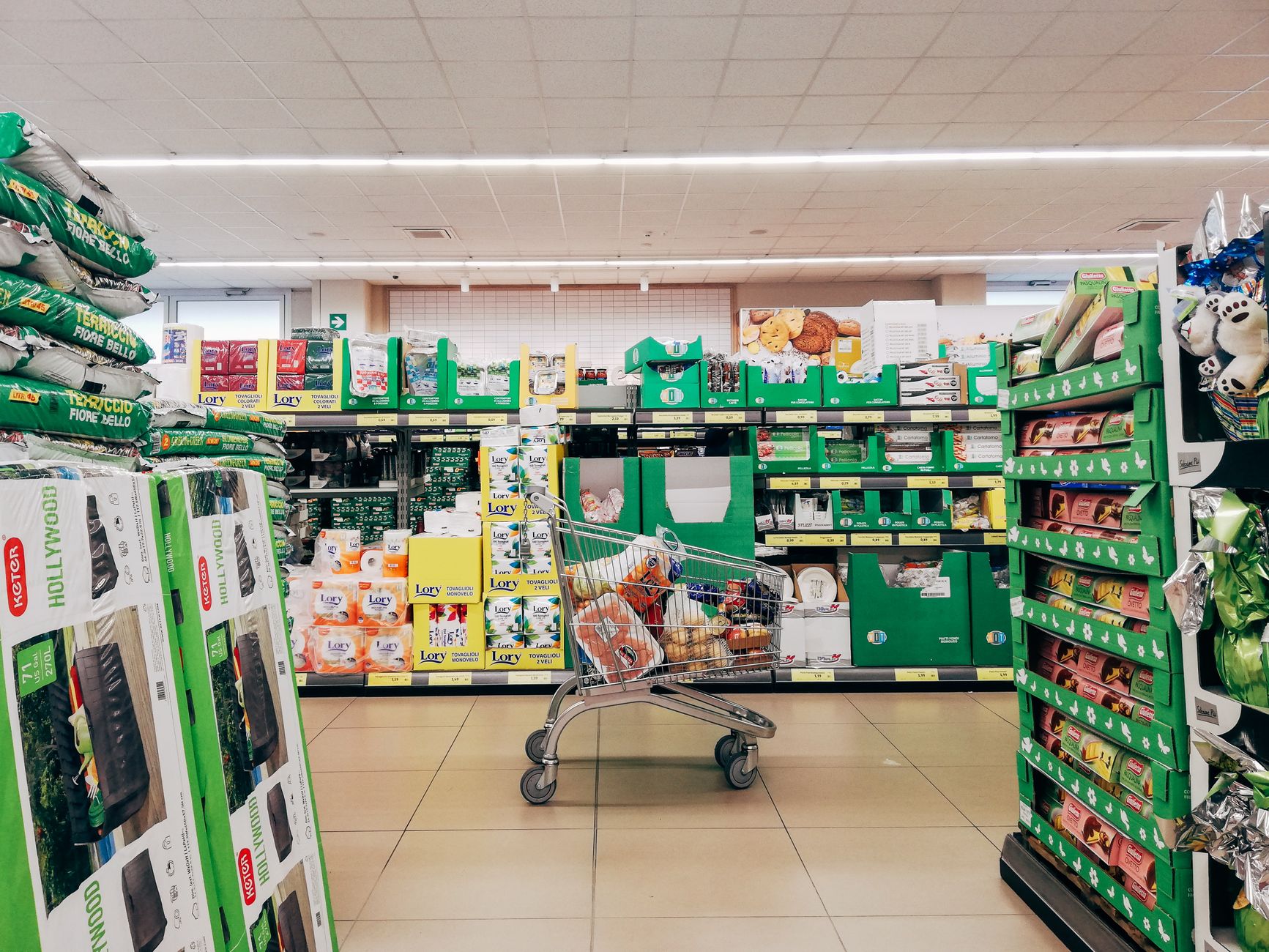
That matters because convenience and small-format grocery rarely get a perfectly empty box at 2 a.m. Cooler restock, online pickup staging, and late shoppers all intrude on a scrub route. A robot that only works in a sealed warehouse is useless on a 12,000 square foot shop floor.
The retailer tied the project to continued investment in machinery and technology after Spotless Commercial Cleaning won a renewed three-year contract through competitive tender. Robotics arrived as part of a service relationship, not as a rogue IT experiment.
The outsourced-cleaning partner model
Spotless has worked with Scotmid since 2018 and will operate and maintain the robotic cleaners under the new agreement. That split is common in US grocery, where banner operators rely on national or regional janitorial firms for nightly programs.
If you already outsource cleaning, the integrator conversation should include your contractor on day one. They own staffing schedules, chemical approvals, and incident logs. Dropping robots on them without a service-level addendum is how pilots die in month two.
Ask for clear lines: who fills tanks, who responds to a stuck unit during produce rush, and who receives automated run reports. Scotmid's announcement emphasizes practical support for colleagues and members, not gadget novelty.
Navigation and mixed flooring realities
Scottish co-op floors are not uniform, and neither are US produce-heavy stores with tile, quarry, and sealed concrete transitions. Scotmid explicitly called out scrubbing different flooring types, which should trigger a survey of every threshold, drain grate, and cooler ramp in your pilot store.
Obstacle detection during open hours is a selling point in the announcement. In US terms, that means carts, pallet jacks, and promotional stacks must be in the safety case file before go-live.
Run a week of tagged failures where the robot stops for humans versus false positives on hanging signs or freezer curtains. You want fewer than a handful of manual rescues per hundred runs before you clone the map to store two.
Reporting, remote support, and uptime
Large US scrubber deals increasingly bundle automated reporting and remote diagnostics, similar to enterprise retail contracts filed with the SEC in 2026. Even without those public numbers, your private pilot should log square footage covered, water used, and abort reasons.
Remote support only works if the store network allows secure access and if someone on site can reboot a dock or clear a squeegee at 4 a.m. Service Robot Co. routes break-fix through a nationwide engineer network so you are not waiting on a single OEM technician from another time zone.
Treat missed runs like shrink: track them, rank causes, fix the top two before expansion. Boards and member councils forgive learning curves; they do not forgive silent downtime.
How Service Robot Co. fits a co-op rollout
Service Robot Co. stays OEM-neutral, shortlisting scrubbers against your aisle widths, chemical program, and contractor workflow, then handling financing, deployment, training, and 24/7 service as one partner.
We can align with your existing cleaning vendor or help you benchmark bids when robotics becomes part of the RFP. The goal is one escalation path when a machine faults during a holiday weekend rush.
Free site assessments should cover not only square footage but also member-event nights, farmer market mornings, and any shared-entrance co-brand locations that confuse mapping.
Pilot checklist before you copy Scotmid
Pick stores with stable overnight access and a contractor lead who wants the data, not just the headline. Document floor types, doorway widths, and elevator or ramp limits even in single-story boxes.
Write a four-week acceptance test: minimum nightly runs, maximum rescues, and a joint review with store managers and the cleaning partner. Only then add the next three locations.
Plan member communication as operations, not marketing. Shoppers mostly care that floors are dry and aisles are clear, not which machine scrubbed them.
- Confirm chemical compatibility with your contractor's approved list
- Map obstacle zones for carts, pallets, and promo displays
- Assign on-call roles for stalls during open hours
- Require weekly utilization and abort-reason reports
- Hold capital expansion until three stores hit acceptance targets
Frequently asked questions
Sources
Service Robot Co. is not affiliated with, sponsored by, or endorsed by the companies mentioned in this article.