
Key takeaways
- Map greens, tees, bunkers, and cart paths as hard keep-outs before the first fairway pass.
- Play calendars and pace-of-play windows should drive when the mower runs, not the other way around.
- Charging placement and radio coverage matter as much as blade width on desert and parkland layouts.
- Assign a staff owner to monitor schedules; redeployed hours should go to detail work golfers notice.
- A vendor-neutral integrator maps, trains, and services under one RoboCare plan after site assessment.
What has to be mapped before the mower runs?
Before an autonomous fairway mower cuts a single panel of rough or fairway, your team needs a digital map that tells it where to work, where to stop, and when to stay home. That map is not a nice extra. It is the difference between a machine that supports your agronomy plan and one that creates rework, angry members, and unsafe overlaps with play.
Think of mapping as the superintendent's checklist made visible to the robot: keep-out zones for greens, tees, bunkers, collars, and native areas; approved fairway and rough polygons; cart-path buffers; steep or wet ground you never want a heavy unit crossing; and the time windows when golfers or maintenance carts should not meet the mower on turf.
Service Robot Co. treats that map as the first deliverable in a golf deployment. We walk the property with your team, agree the polygons and schedules, then train whoever monitors the run day to day. You buy outright or lease through financing after a free site assessment, with RoboCare support once the unit is live.
Why are U.S. courses mapping autonomous mowing now?
Labor pressure is the backdrop. GCMOnline reported in August 2025 that courses such as Myers Park Country Club in Charlotte expanded autonomous mowing in 2024, using a larger fleet primarily on rough while shifting staff toward edging, native areas, and detail presentation. Superintendent Scott Kennon told the publication that redeployed hours went to outer-edge work the crew previously could not hit on a regular cadence.
The pattern is consistent across early U.S. adopters: autonomous units take repetitive fairway and rough passes, especially overnight or ahead of the first tee, while humans concentrate on cups, bunkers, approaches, and guest-facing standards. Mapping is what keeps that split honest so the robot never wanders into ground that still demands hand skills.
Which areas belong on the keep-out list?
Greens and tees stay with your crew. Full stop. The autonomous mower you deploy for fairways and rough should have hard geofences around every green surface, tee deck, bunker lip, and collar you would protect from a ride-on today.
Add cart paths, maintenance yards, pump houses, and any steep wash or desert edge where traction is questionable. Native habitat buffers and flower beds around the clubhouse environs belong off limits too, even if they sit beside a fairway panel.
Document why each keep-out exists. Future superintendents and seasonal staff will adjust schedules; notes prevent someone from opening a zone because it looks convenient on a busy Saturday.
- Greens, tees, bunkers, and collars
- Approaches you mow with walk-behinds or triplexes
- Cart paths, bridges, and maintenance compounds
- Steep banks, wetlands, and out-of-play desert edges
- Clubhouse lawns and ornamental beds adjacent to fairways

How should play and cart traffic shape the schedule?
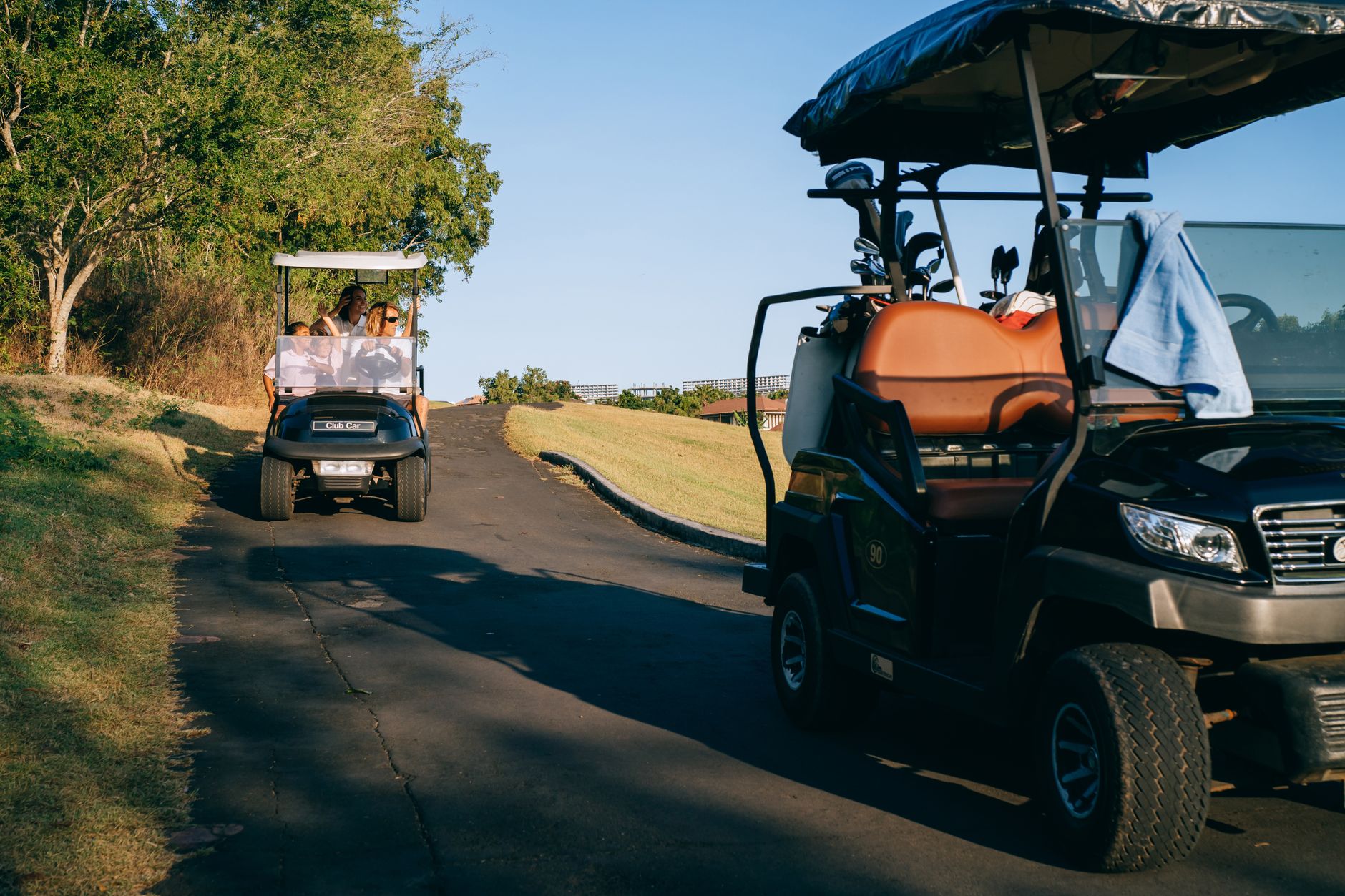
Start from your tee sheet, not from the mower's default factory schedule. Mark hours when carts are allowed on fairways, when league play crosses certain holes, and when you host outings that compress turnaround time.
Many superintendents prefer autonomous fairway passes at night or in the quiet hours before dawn so golfers never queue behind a slow-moving unit. If you run split crews, align the robot window with when your staff is on site to respond to a pause, not when the pro shop is empty.
Build explicit pause rules for frost delays, lightning, and tournament setups. A mapped schedule that everyone on the maintenance radio understands beats a clever algorithm nobody can override quickly.
Where should charging and connectivity live?
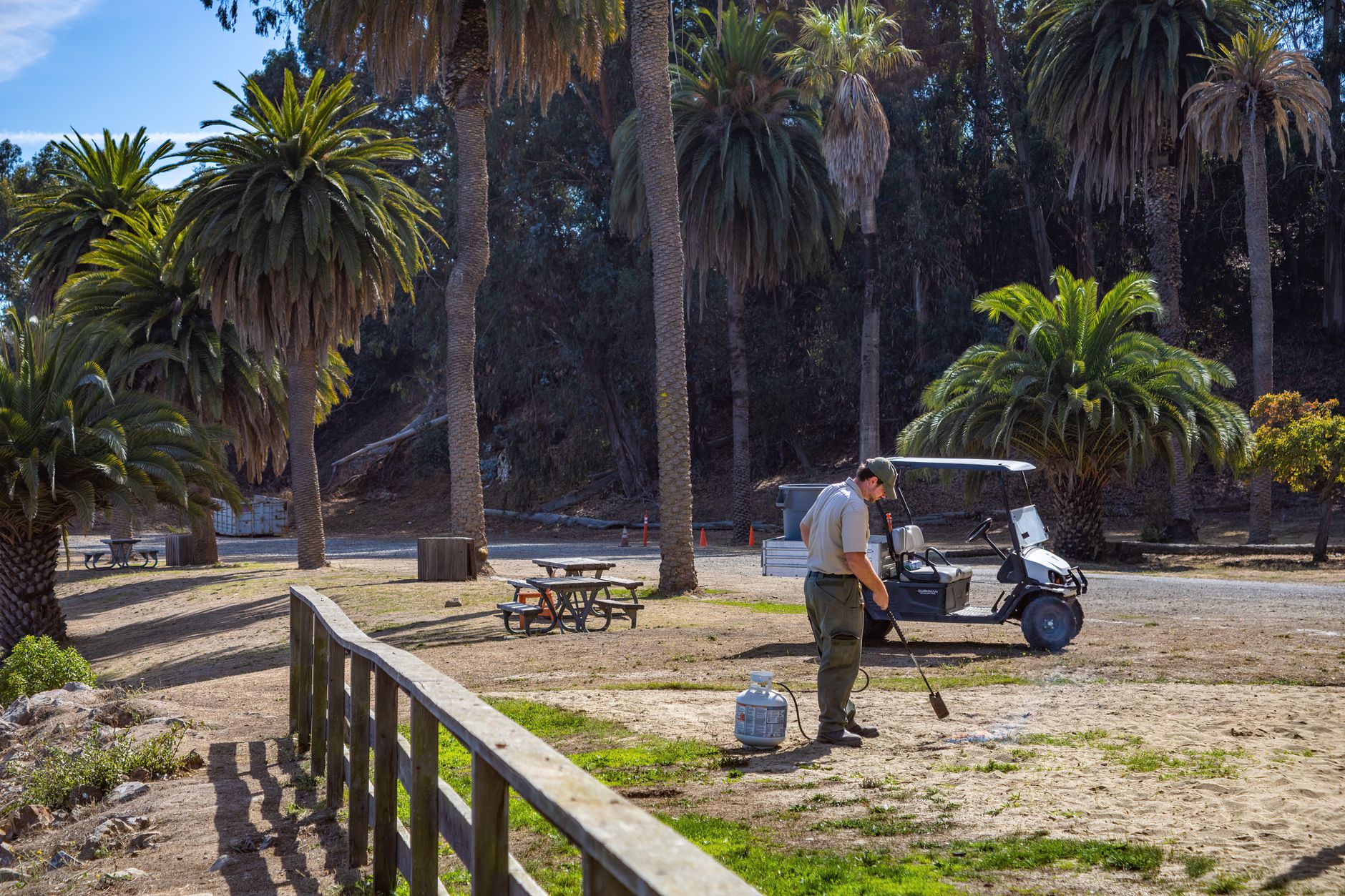
Charging stations need stable power, shelter from irrigation overspray, and a path the mower can reach without crossing a keep-out zone. On multi-course properties, you may need more than one dock so the unit is not driving empty miles just to top up.
Radio or RTK coverage gaps show up on the ground, not on a sales brochure. Walk the course with whoever installs reference stations and note tree lines, canyon walls, and buildings that shadow signals on specific holes.
Plan maintenance access before go-live. Technicians should reach the dock and the mower route without crossing active play if possible. That small logistics detail keeps RoboCare visits from becoming their own pace-of-play problem.
Who monitors the mower once it is mapped?
Pick a named owner on your staff, even if that person also runs irrigation or equipment. They check overnight logs, confirm the schedule after weather holds, and call for support when the unit stops mid-route.
Training should cover safe restart procedures, how to pull the mower off turf during a frost delay, and when to phone integrator support versus handling a minor alert locally. GCMOnline's 2025 coverage noted that crews at adopting clubs often expand their skill set into fleet monitoring rather than losing jobs to the machine.
Redeployed hours should have a written plan. If the robot returns thirty hours a week from fairway driving, decide in advance whether those hours fund bunker detail, native edge work, or agronomic scouting so the gain does not dissolve into unfocused busywork.
What does a vendor-neutral integrator add at mapping stage?
Manufacturers sell hardware; superintendents live with the map. A vendor-neutral integrator compares mower options for your actual fairway widths, slopes, and rough density, then owns the mapping, financing path, training, and service contract.
Service Robot Co. runs the site assessment, marks keep-outs with your superintendent, configures schedules around play, and stays on call through RoboCare after go-live. You get one partner for selection, deployment, and ongoing support instead of juggling a dealer, a finance company, and a third-party technician.
If mapping reveals that only part of the property suits autonomy today, that is still a win. A honest polygon drawn before purchase protects your reputation with members and your crew's trust in the technology.


