Key takeaways
- Hot, fragile sand-core transfer is a strong first cobot use case because it removes people from heat, carrying, and repetitive walking without asking the robot to solve the whole foundry.
- Toyota said on October 17, 2025 that its Missouri plant grew from 5 cobots in 2021 to 117 across more than 20 lines, with sand-core handling among the jobs that scaled.
- The hard part is rarely the arm itself. It is fixturing, part presentation, line balance, and keeping changeovers from swallowing the labor savings.
- A first cobot cell pays off fastest when the task is repeatable, the core geometry is stable, and the handoff points are already disciplined.
- Small foundries should pilot one ugly, high-strain transfer first, then standardize grippers, nests, and operator routines before expanding.
Yes, sand-core handling is one of the best first cobot jobs
For smaller foundries and casting shops, hot sand-core transfer is often a better first cobot application than a flashy fully automated cell. The reason is simple. The pain is obvious, the motion is repetitive, and the safety benefit is immediate. When a task forces people to stand near heat, pick up delicate parts, and walk the same short route hundreds of times a shift, a collaborative robot earns its keep in a very concrete way.
The lesson from Toyota Missouri is not that every foundry should copy a large auto plant. It is that sand-core handling sits in the sweet spot where cobots genuinely reduce heat exposure, repetitive strain, and wasted walking while leaving people to manage inspection, exceptions, and process judgment. That is exactly the kind of first win smaller operations should look for.
According to Toyota's October 17, 2025 manufacturing feature, Toyota Missouri introduced cobots into cylinder-head production in 2021 to help move hot, fragile sand cores, then expanded from 5 cobots that first year to 117 across more than 20 lines. Toyota said team members in that job had been walking nearly five miles per day. That detail matters because it explains the real value. The win was not novelty. It was getting people out of a hot, delicate, monotonous loop.
What made the Toyota Missouri case so relevant?
This example lands because it is not a lab demo. Toyota Missouri is a live casting operation that, according to the plant fact sheet, employs about 1,000 people and produced more than 2.3 million cylinder heads in 2025. The plant's own materials describe core making and low-pressure casting as central operations. In other words, the cobot use case sits inside the messy reality of production, not a sanitized showroom.
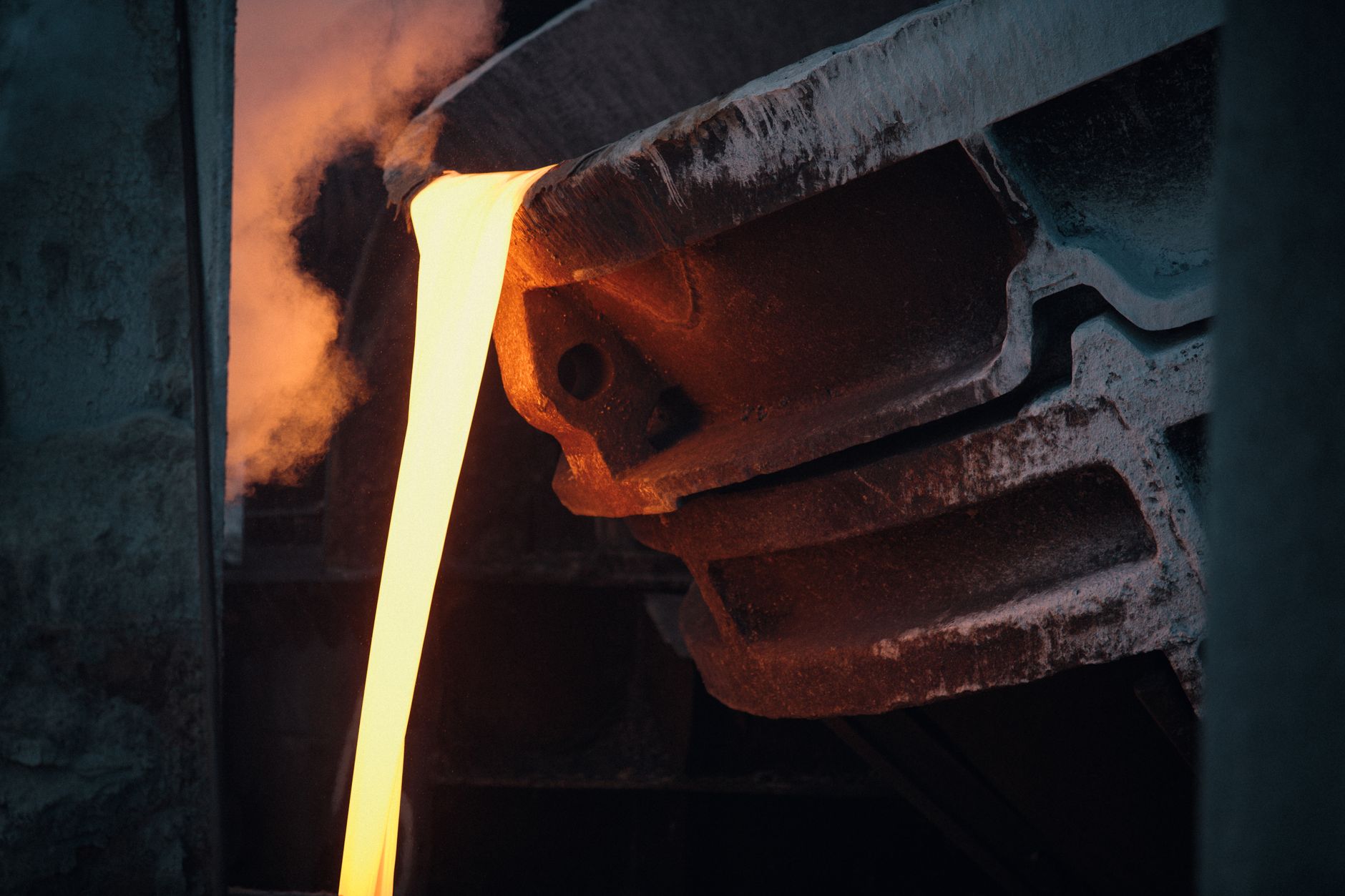
Toyota's write-up also makes clear what the job looked like before automation. Sand cores were both hot and fragile. The transfer was repetitive and physically taxing. Team members were not doing high-judgment work in that slice of the process. They were spending energy on a movement pattern the plant could standardize.
That is the right hook for a smaller foundry. You do not need 117 cobots to learn from this. You need to ask whether one or two stations in your plant share the same profile: hot part, short carry, fragile geometry, repeatable pick and place, and too much operator walking for too little value.
Why is hot sand-core transfer such a good first use case?
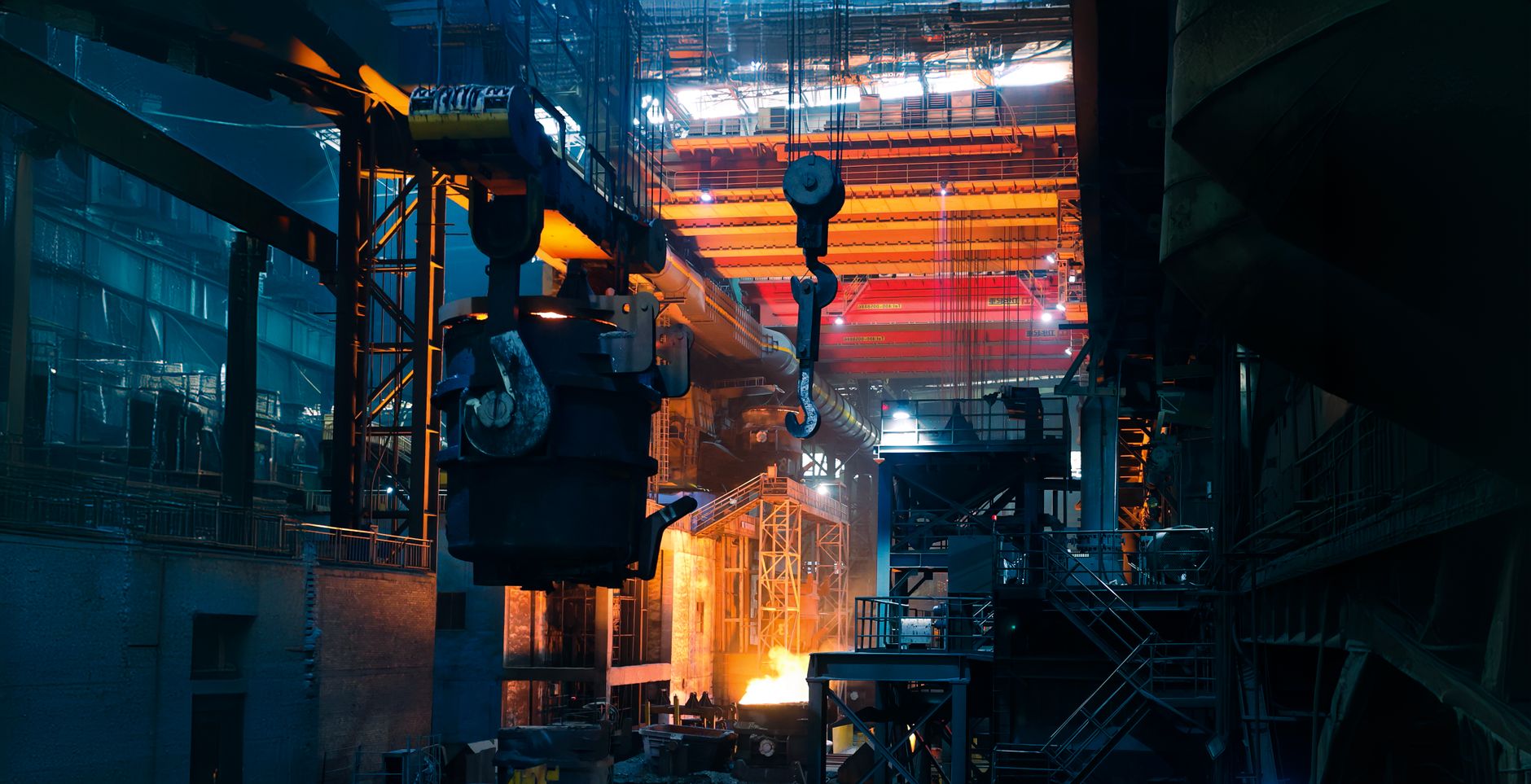
A first cobot application should attack a task that is repetitive enough for the robot, but not so variable that engineering effort explodes. Sand-core handling often qualifies. The pick points are known. The travel path is short. The payload is modest. The process window is narrow enough that standard work already exists or should exist.
The worker burden is also unusually clear. The Centers for Disease Control and Prevention says employers should reduce workplace heat stress with engineering and administrative controls, limit time in the heat, reduce the physical demands of the job, and use tools intended to minimize manual strain. A cobot does exactly that when it takes over the carry between a hot station and the next handoff.
Ergonomics guidance from NIOSH points to force, repetition, awkward posture, and carrying as common contributors to work-related musculoskeletal disorders. Sand-core transfer can stack all four. Even if each individual lift is light, the cumulative load across a shift is not. That is why these cells can feel better to operators long before finance finishes its spreadsheet.
There is also a quality angle. A fragile core does not forgive hurried handling. If one cell can present the part the same way every cycle, breakage and downstream variation often become easier to manage. Not perfect. Easier. For a first cobot project, that distinction is healthy.
Where do the real gains come from?
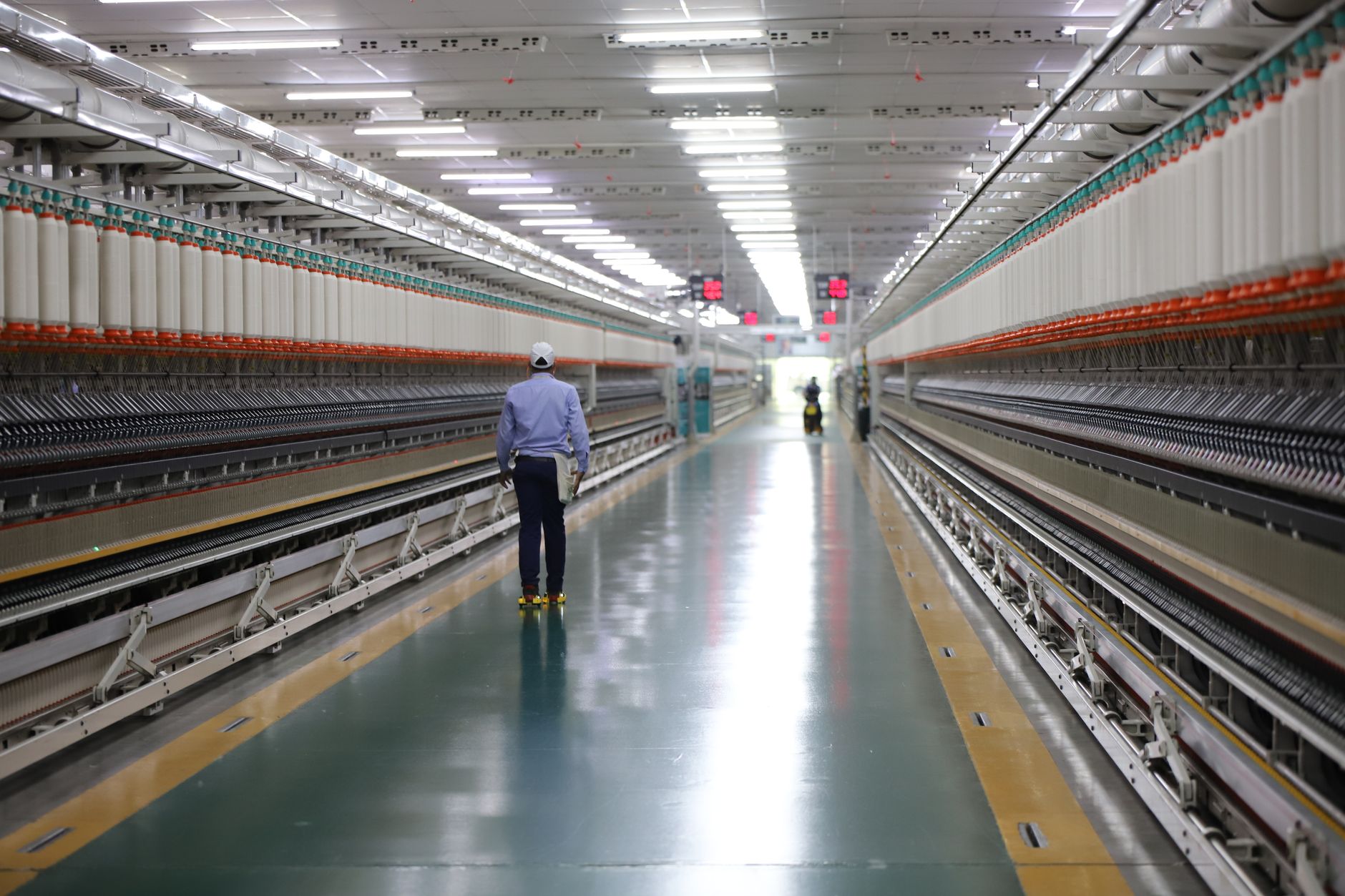
The first gain is exposure reduction. Less time next to radiant heat is valuable even before you count labor. NIOSH notes that heat stress combines environmental heat, physical exertion, and PPE burden. Foundry work often has all three. If a cobot absorbs the back-and-forth movement, you lower the metabolic side of that load.
The second gain is walking. Toyota's own figure of nearly five miles per day is unusually vivid because every foundry manager recognizes the pattern. A surprising amount of production time disappears into tiny transport loops that nobody questions because they have always existed. Cobot cells do not erase the process. They compress the dead travel inside it.
The third gain is strain consistency. People speed up when the line is chasing rate, slow down when fatigue hits, and vary their handoff slightly from hour to hour. Robots are boring in the best way. For delicate transfers, boring can mean fewer scrapped cores and less operator wear.
The fourth gain is staffing flexibility. Once the transfer is automated, the operator can spend more time on inspection, consumables, changeover prep, or exception handling. That matters in a small shop where one person often covers several responsibilities and every awkward transfer competes with something smarter they could be doing.
What do the demo videos leave out?
Fixturing is the first reality check. Hot, fragile cores are not forgiving, and most problems blamed on the robot are really problems of presentation. If the core exits the upstream process with inconsistent orientation, dust on the contact surface, or too much dimensional variation, the cobot cell inherits chaos. Good grippers and nests are not accessories. They are the application.
Changeovers are the second. Many smaller foundries run more variation than a big auto line. If you swap core geometry often, the value of the cell depends on how quickly operators can change fingers, call the right recipe, verify clearances, and restart without babysitting the robot for twenty minutes. A beautiful demo usually shows steady-state production. Buyers live in the hours around it.
Cycle time is the third. Cobots are safer because they are designed to work around people, but that can also mean they are not the fastest option. If your line is already near takt limit, a cobot that moves delicately may become the bottleneck unless you redesign part presentation and handoff timing around it.
Dust and housekeeping still matter. NIOSH found that local exhaust ventilation in foundry casting-cleaning operations reduced respirable dust exposures by 59 percent to 77 percent for the tools studied. A cobot moving cores does not remove the need for ventilation, shielding, and disciplined cleanup around the cell. Automation helps one slice of risk. It does not absolve the rest of the process.
How should a small foundry pick its first cell?
Start with the ugliest repetitive transfer, not the most ambitious one. The right pilot is a station where operators complain about heat, carry distance, and part fragility in the same sentence. If the route is short and the motions are repeatable, that is usually a better first target than a highly variable finishing task.
Map the current job honestly. Count touches per cycle, walking distance, scrap or breakage, operator intervention points, and changeover frequency. If you cannot describe the current motion in detail, you are not ready to automate it. The cobot will only expose the ambiguity faster.
Then test for four conditions. Stable pick geometry. Stable placement geometry. Enough dwell or transport time that the robot does not choke the line. And a recovery plan when a core is out of spec, stuck, or chipped. The exception path is part of the design, not a later patch.
This is also where a robot pilot program earns its place. A short, tightly scoped trial lets you prove that the actual bottleneck is repetitive transport, not mold variation or poor upstream presentation. It is much cheaper to discover that in a pilot than after a full workcell purchase.
- Good first-cell signs: one core family dominates volume, operators walk the same route all shift, and scrap from handling is visible.
- Bad first-cell signs: constant geometry changes, manual touchups before every handoff, or an upstream process that cannot present parts consistently.
- Must-have metrics: seconds per transfer, touches per part, walking distance, breakage rate, heat exposure time, and restart time after an interruption.
What this means if you are buying your first cobot
Most smaller foundries do not need a single-brand pitch. They need an application that works. Service Robot Co. is built for that problem. We are a full-service commercial robot integrator for U.S. businesses, and we stay OEM-neutral so the hardware choice follows the job instead of the other way around.
For sand-core handling, that means evaluating the task as a whole: gripper style, nest design, guarding, part presentation, operator interaction, and serviceability. Then we finance, deploy, integrate, train, and service the unit through a nationwide U.S. engineer network. One vendor for the whole lifecycle matters even more in manufacturing, where a stalled cell is not an IT ticket. It is lost production.
That also gives smaller plants more flexibility in how they start. Some teams want a collaborative robot arm rental or a cobot rental for manufacturing while they prove the motion and build internal confidence. Others want a permanent workcell with robot financing for small business and no upfront capital pressure. The important point is sequencing. Get the first painful transfer right, then scale with standard work and reusable tooling instead of buying isolated hardware one cell at a time.
The broader lesson is modest and powerful
Toyota Missouri's story is compelling because the application is humble. It is not a moonshot. It is a hard, hot, repetitive transfer that people should not have to do all day if a machine can do it safely and consistently. That is exactly why it teaches so much.
Small foundries should read that case as permission to think narrower. Your first cobot does not need to automate the whole mold room or become a showcase for end of line automation. It needs to remove one stubborn pocket of heat, walking, and repetitive strain while fitting the real cadence of your plant.
If you can standardize the part presentation, control the changeover, and keep the robot from becoming the slowest step in the loop, hot sand-core handling can be one of the clearest first cobot wins in casting. If you cannot, the cell will still look good in a video and disappoint in production. That is the real lesson too.
Frequently asked questions
Sources
- Toyota USA Newsroom feature on cobots at Toyota Missouri
- Toyota Missouri facility fact sheet
- Toyota virtual plant tours page for Missouri casting operations
- CDC NIOSH workplace heat stress recommendations
- CDC NIOSH heat stress overview
- CDC NIOSH ergonomics and musculoskeletal disorders overview
- CDC NIOSH elements of ergonomics programs
- CDC NIOSH foundry casting-cleaning silica control guidance
Service Robot Co. is not affiliated with, sponsored by, or endorsed by the companies mentioned in this article.