Key takeaways
- On a robot-cut morning, the robot covers open turf while a supervisor stays nearby and the crew moves to detail work.
- Trimming, edging, bed work and cleanup carry most of the morning's visible quality.
- Clients tend to notice sharp edges, clean walks and a site that looks finished when they arrive.
- Describe the change as a division of labor, not as hours saved you have not measured on the client's property.
- No public study yet measures how robot mowing changes crew time on trimming, edging or cleanup.
What does the crew do once the open turf is cut?
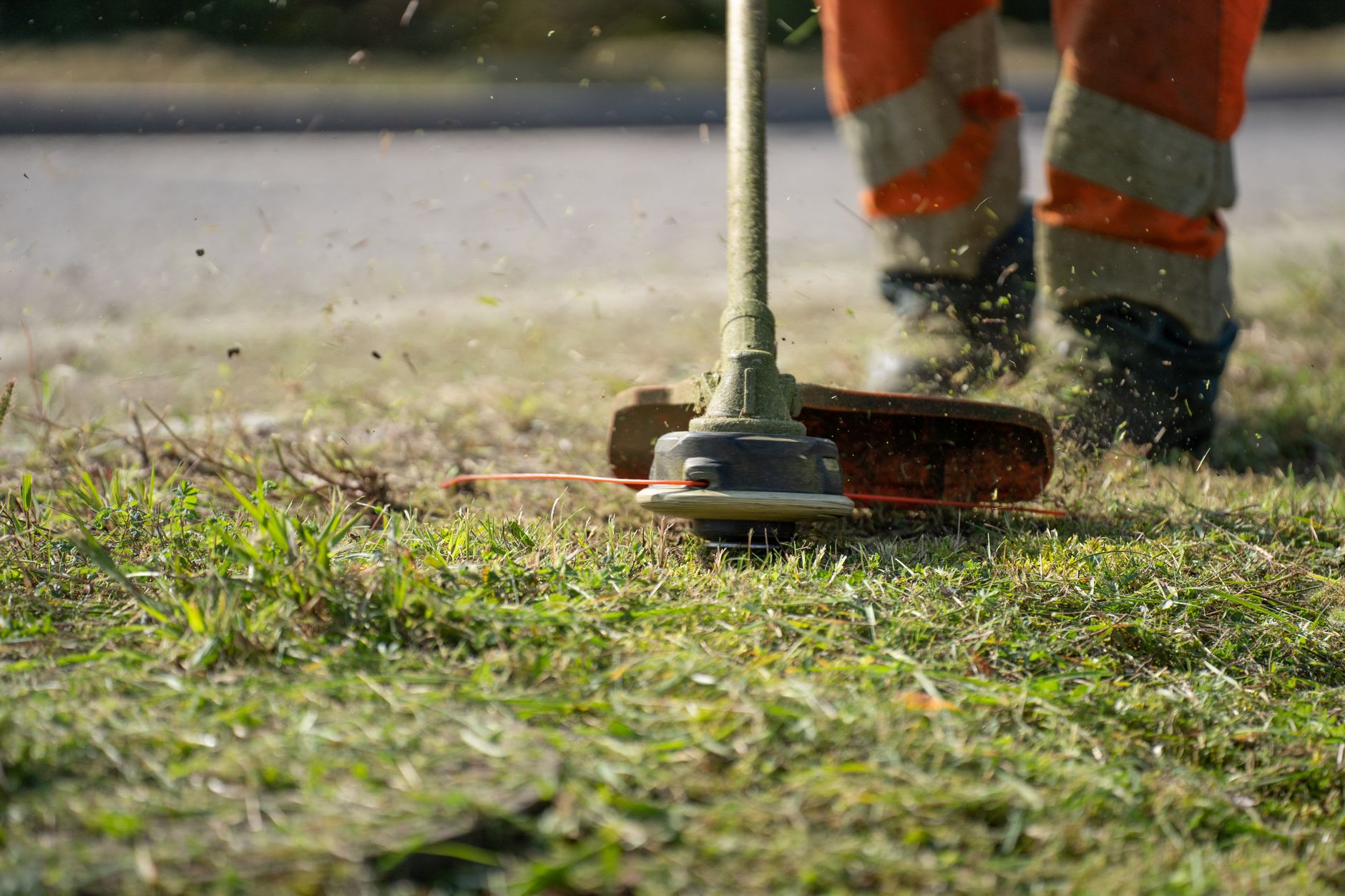
Once the robot has cut the open turf, a crew's morning shifts from mowing to detail. The robot works the large, open passes while a crew member supervises nearby, and the rest of the team moves to trimming, edging, bed work and cleanup. The split is simple: the machine takes the repetitive open ground, and people take the work clients see up close.
The sequence matters as much as the split. Instead of opening with a long mowing run, the crew reaches the parts of the site that need hands, working from the same site map the robot follows. The morning follows the site's needs, not the mower's start time.
This article walks through a typical morning, what clients tend to notice, and how an account manager can describe the change at renewal without promising hours no public study has measured.
How does the morning start with the robot running?
The first task is a check, not a trim. The supervisor confirms the robot has started its route, reviews any alerts on the controller, and looks over the open area it is working. Supervision means close enough to respond to a stop, and free enough to keep the rest of the crew moving.
After that, the crew usually splits. One person stays within sight of the machine. Others head to the trees, fences and hardscape edges where a trimmer is the right tool. On a large site, a radio check-in at fixed intervals keeps the split honest.
Where do trimming, edging and bed work fit in?
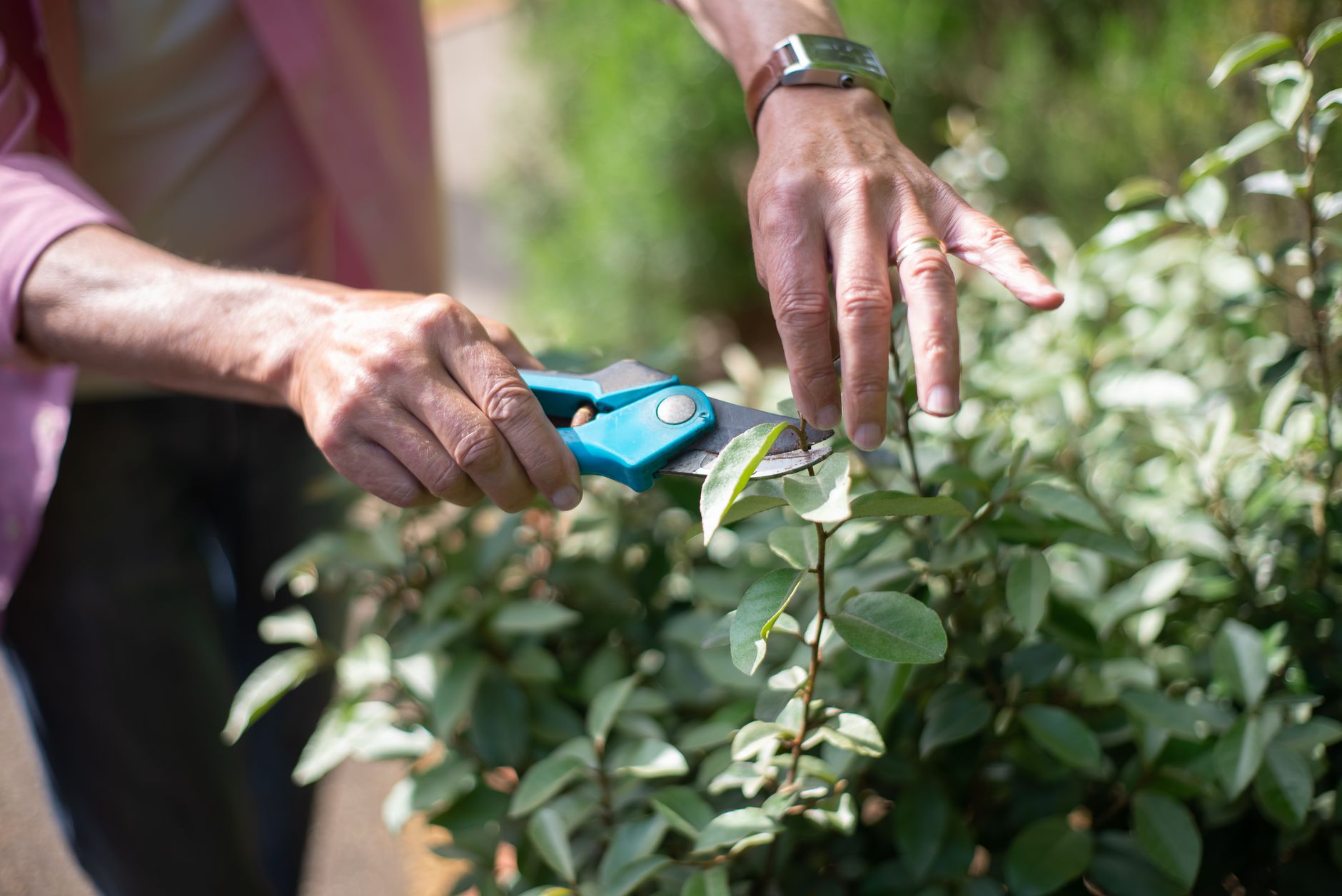
Trimming usually comes early because it covers the spots a robot route cannot reach cleanly: stems against walls, sprinkler heads, tree rings and the bases of signs. These passes are fiddly, and they shape how a site looks more than the open lawn does.
Edging follows, and it is the work clients judge fastest. Practitioners quoted in landscape trade press have said edges still need a person, which is one reason crews keep edging on their own list even when the robot handles the open turf.
Bed work often runs alongside. Weeding, mulch touch-ups and bed lines can be handled by a second person without interrupting the robot, as long as the crew agrees which zones stay off limits while the machine runs.

What does cleanup look like after a robot pass?
Cleanup is where the morning's finish is decided. Clippings land on walks, drives and hard surfaces, and the crew sweeps or blows them clear before the first visit of the day. The order matters: hard surfaces go after edging, so cleanup does not undo the detail work.
Cleanup also gives the supervisor a last look at the robot's passes. Stripes that came out uneven, skipped corners and any spot where the route ran close to a bed can be noted and handed to the next shift.
What do clients tend to notice first?
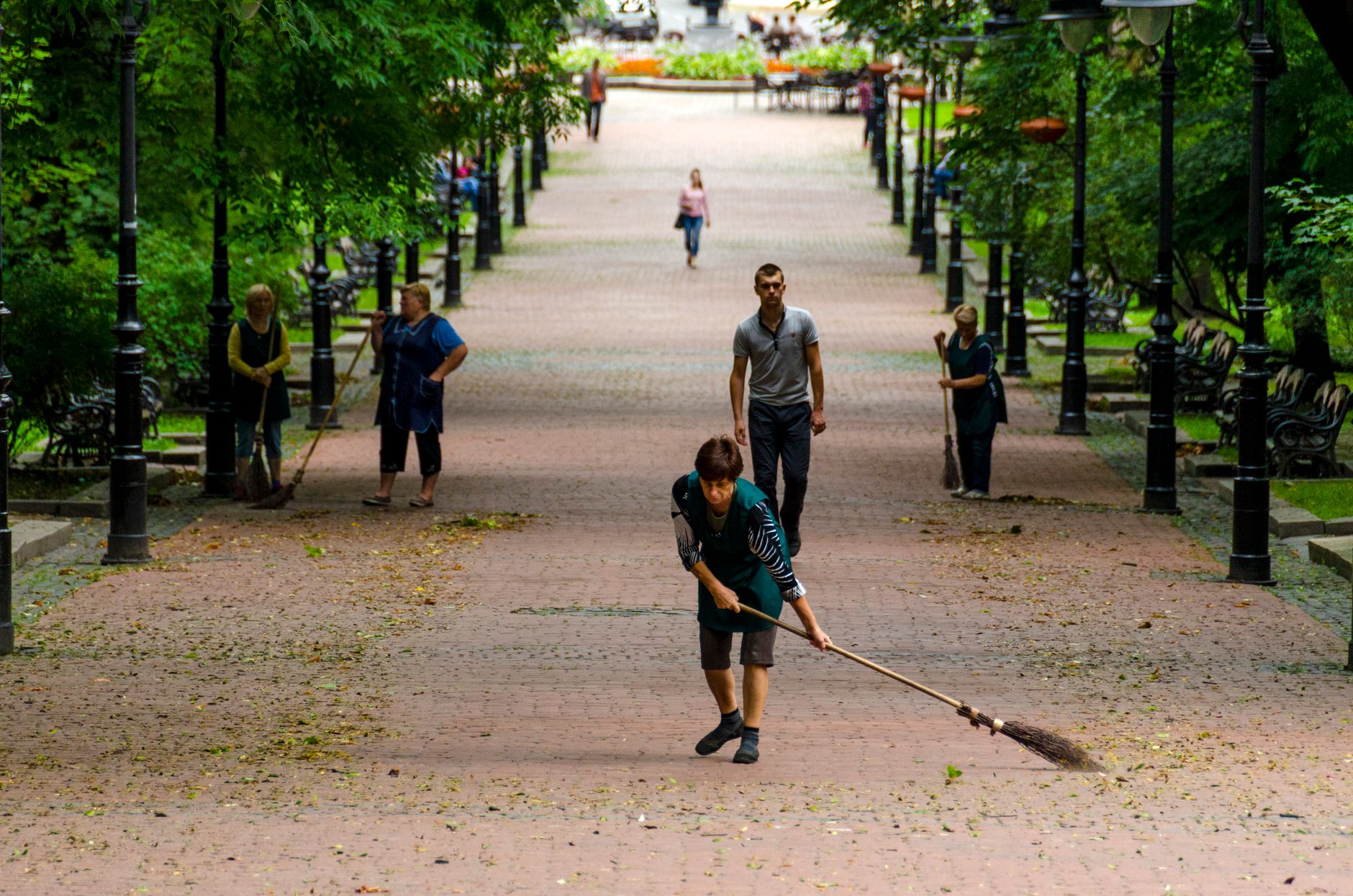
Clients rarely think about the robot itself. They notice what they can see from the parking lot or the front walk: edges that look clean, a walk swept before they arrive, and a crew working detail during business hours. Those are visible signs that a site is being looked after.
- Edges and bed lines that stay sharp from the entrance
- Walks and drives swept before the first visit of the day
- Crew members working detail in view during business hours
How should an account manager describe the difference at renewal?
Start with the division of labor and keep it plain: the robot covers the open turf, and the crew spends its time on the detail clients care about. Aspire's 2026 commercial landscape report, based on a survey of more than 1,000 commercial landscaping professionals, describes contractors focusing on client retention, operational efficiency and technology investment. Clients already hear those themes from their vendors.
Aspire commissioned that research from Thrive Analytics, so treat it as vendor-reported rather than independent. Use it to show where the industry is heading, not as proof of what one site will save. Avoid quoting an hours figure you have not measured on the client's own grounds.
Where does the crew still have to step in?
The robot does not remove detail work, and the limits belong in the renewal conversation. One manufacturer's comment in trade press said charging time, cut width and mowing time still need to improve before robots meaningfully ease labor shortages. Those are fair limits to acknowledge.
No 2026 survey found measures how robot mowing changes crew time on edging, trimming or cleanup. An account manager who promises a specific number is promising something nobody has verified.
Where does a leased robot fit into the crew plan?
Service Robot Co. is a full-service commercial robot integrator. We are OEM-neutral, so we pick the right robot across manufacturers, lease it through financing, deploy it, train the crew and service every unit under RoboCare, our service plan, backed by regional service engineers in every state we service.
The lease runs three years, with one fixed payment quoted after a site assessment. That assessment maps the open turf, the crew's detail zones and the route, so the quote reflects the actual site rather than a catalog page.
Frequently asked questions
Want a robot working for you?
Tell us the job and the site. We will recommend the robot, quote the lease, and keep it serviced.