Key takeaways
- No public source we reviewed publishes support response times for 2026 fairway mowers, so get any commitment in writing.
- Ask which faults a remote team can clear and which still need a person standing at the machine.
- Confirm the dawn escalation path, including who answers after hours and who serves as the backup.
- Judge on-site dispatch, parts and spare unit coverage alongside the remote dashboard.
- Treat vendor support language as marketing until the contract states it in measurable terms.
What should you ask a supplier when a fairway mower stops?
A fairway mower that quits at dawn raises three questions: how the stop is seen from somewhere else, how quickly a person responds, and who the crew can reach first. Put those questions to every supplier, side by side, before the first unit runs.
Here is the honest starting point. In the public sources checked for this article, no supplier publishes response-time commitments, on-site visit windows, remote fix frequency or dawn-shift escalation practices for 2026 fairway mowers. Vendor support material describes features. It does not promise a clock, so your checklist has to turn that gap into a written answer.
Use the sections below as a scorecard. Ask each supplier the same questions in the same order, and record each answer as a commitment, a description or a blank.
What can a remote team see before anyone drives out?

Toro's GeoLink pages, checked for this article as of November 2026, describe an app that maps the property, assigns patterns, and shows diagnostics and progress. The same material says one operator can supervise several units while doing other work. Husqvarna's 2026 Aphrodite Hills report, as described by Golf Business News, says remote monitoring and control give greater flexibility in managing daily workloads.
These are feature descriptions. They tell you what a remote screen can show, not how fast someone acts on it. Ask which fault codes reach a human, how the alert is delivered, and what the crew sees on its own screen. A dashboard nobody checks at 5 a.m. does not save a stopped fairway.
Which faults can be fixed without a visit?
Remote clearing saves the most drive time, and it is where vendor workflows differ most. Toro's product material, checked as of November 2026, describes a GeoLink support workflow in which a remote operator receives a text alert and must physically return to the machine to confirm it is safe before the unit resumes its mission. That is a vendor-stated process, and it can be a sound safety design. It also means a dawn stop may still need a person on the course.
Put these questions to each supplier:
- Which fault categories can be cleared remotely, and which always need a technician or crew member at the mower?
- Who on the crew is authorized to confirm the machine is safe, and must that person be on site?
- Is every remote restart logged, so the superintendent can review what was cleared and when?
- What happens to the mapped route and zone while the unit waits, and does the mission resume or need a reset?
How should a response window be written into a contract?
A response window is only useful when both sides agree where the clock starts. Ask for the start point in writing, such as the moment an alert arrives, a ticket opens, or a phone is answered. Vendors often describe support in hours, business days or next-day language, and those phrases can mean very different things at dawn on a Saturday in peak season.
Ask also what 'response' means. A callback from a support desk is not the same as a technician on the course. Unless the contract separates the two, your crew may hear that help is coming when only a phone call has happened.
Who does the crew call first at dawn?
The first call should go to a named escalation path, not a general inbox. Ask for an after-hours number that a person answers, a named backup if that person does not pick up, and the exact point at which remote triage becomes an on-site dispatch.
According to the USGA Green Section, superintendents ranked lack of qualified or skilled labor as the top current concern in its survey. A small crew may have no one free to chase a stalled mower. Ask who on the vendor side is responsible for the handoff, and write that name into the contract.
Service Robot Co. works as a full-service commercial robot integrator across manufacturers. That lets one escalation path cover more than one brand on a site, with one partner and one number for the whole lifecycle.

What does on-site support need to show on paper?
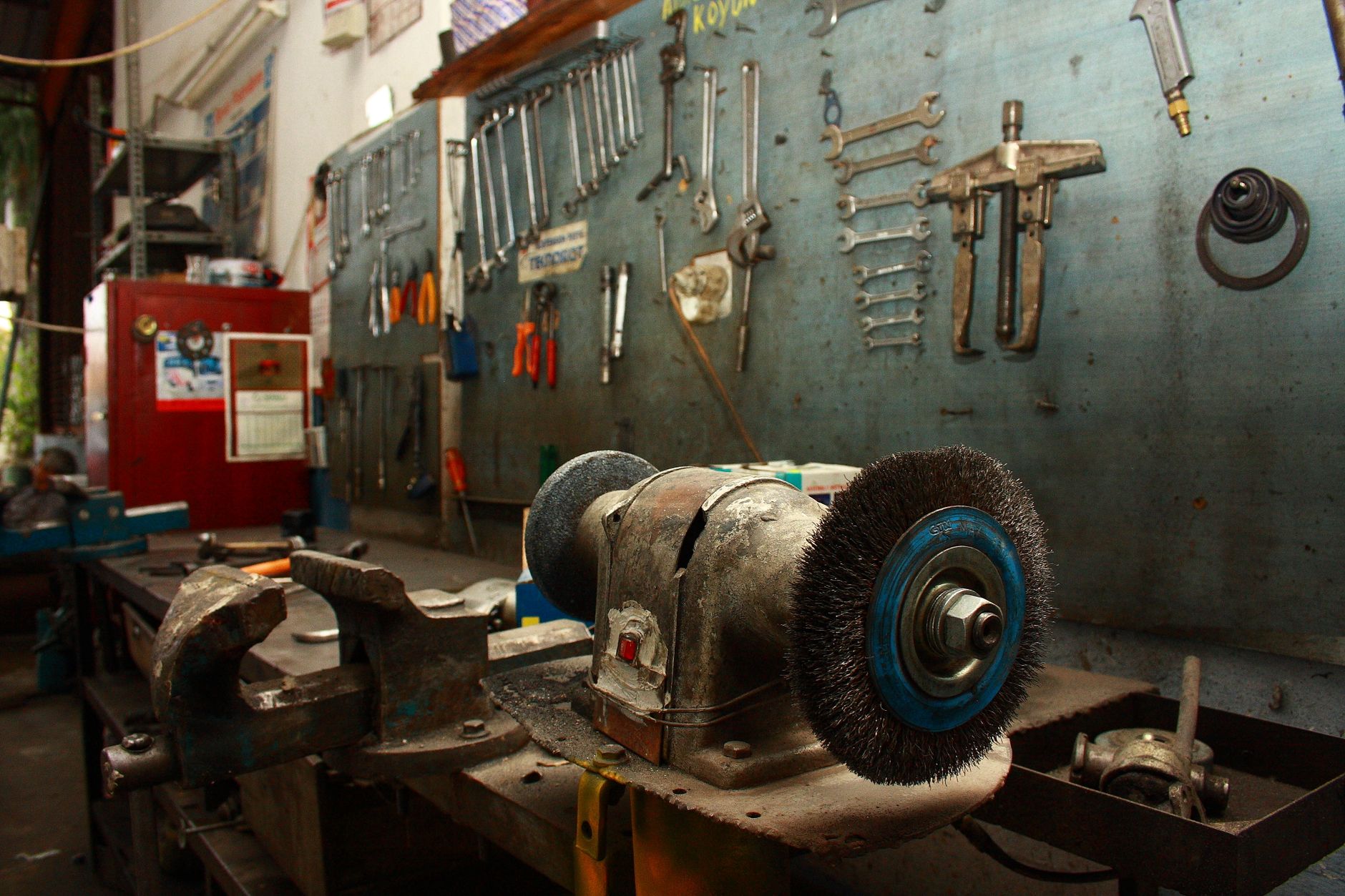
A visit is only as good as the parts and the spare units behind it. Ask whether parts can reach your course within a stated timeframe, whether loaner units can keep the route moving during a repair, and how emergency replacement is handled. Spare unit coverage belongs in the written scope, not in a verbal promise.
Event weeks test these answers hardest. Golf Business News reported that The Belfry used autonomous mowers through rain-affected conditions at the Husqvarna British Masters. The performance claims in that report belong to the outlet and the venue, not to an independent measurement, so read it as an account of what one event attempted. Sports Field Management reported that Husqvarna brought autonomous mowing to the 2026 U.S. Senior Women's Open, which it described as among the first official USGA events to use robotic mowing in course maintenance. Ask each supplier for its event-week coverage plan and the crew roles that go with it.
Where does Service Robot Co. fit in this checklist?
Service Robot Co. is a commercial robot leasing company and integrator. We lease robots through financing on a 3-year lease, with one fixed lease payment quoted after a site assessment. That assessment is where we would walk through these support questions, document the escalation path, and write response language into the lease proposal before anything goes live.
Our engineer network is nationwide, so on-site dispatch is planned for the territory rather than improvised after a stop. Service Robot Co. is not partnered with, authorized by, or a dealer for Toro, Husqvarna or any other manufacturer named here. We cite them only for what they publish. Before you sign with anyone, including us, ask for the response commitment in writing and check the clock.
Frequently asked questions
Want a robot working for you?
Tell us the job and the site. We will recommend the robot, quote the lease, and keep it serviced.
Sources
- Toro GeoLink autonomous golf mowers
- Toro autonomous golf mowers (Canada)
- Toro GeoLink Solutions Autonomous Fairway Mower Series
- Golf Business News: Aphrodite Hills introduces robotic mower fleet
- Golf Business News: The Belfry autonomous mowers at Husqvarna British Masters
- Sports Field Management: autonomous mowing at the 2026 U.S. Senior Women's Open
- USGA Green Section Record: biggest challenges facing golf course maintenance