
Key takeaways
- Rural fairways can have holes with no RTK cellular coverage until you upgrade connectivity.
- Map exclusion zones and conventional backup strips before the first autonomous pass.
- A superintendent kept conventional fairway units ready while routes proved out.
- Site walks should include valleys, tree lines, and charger placement near signal.
Why did a Idaho resort exclude some holes at first?
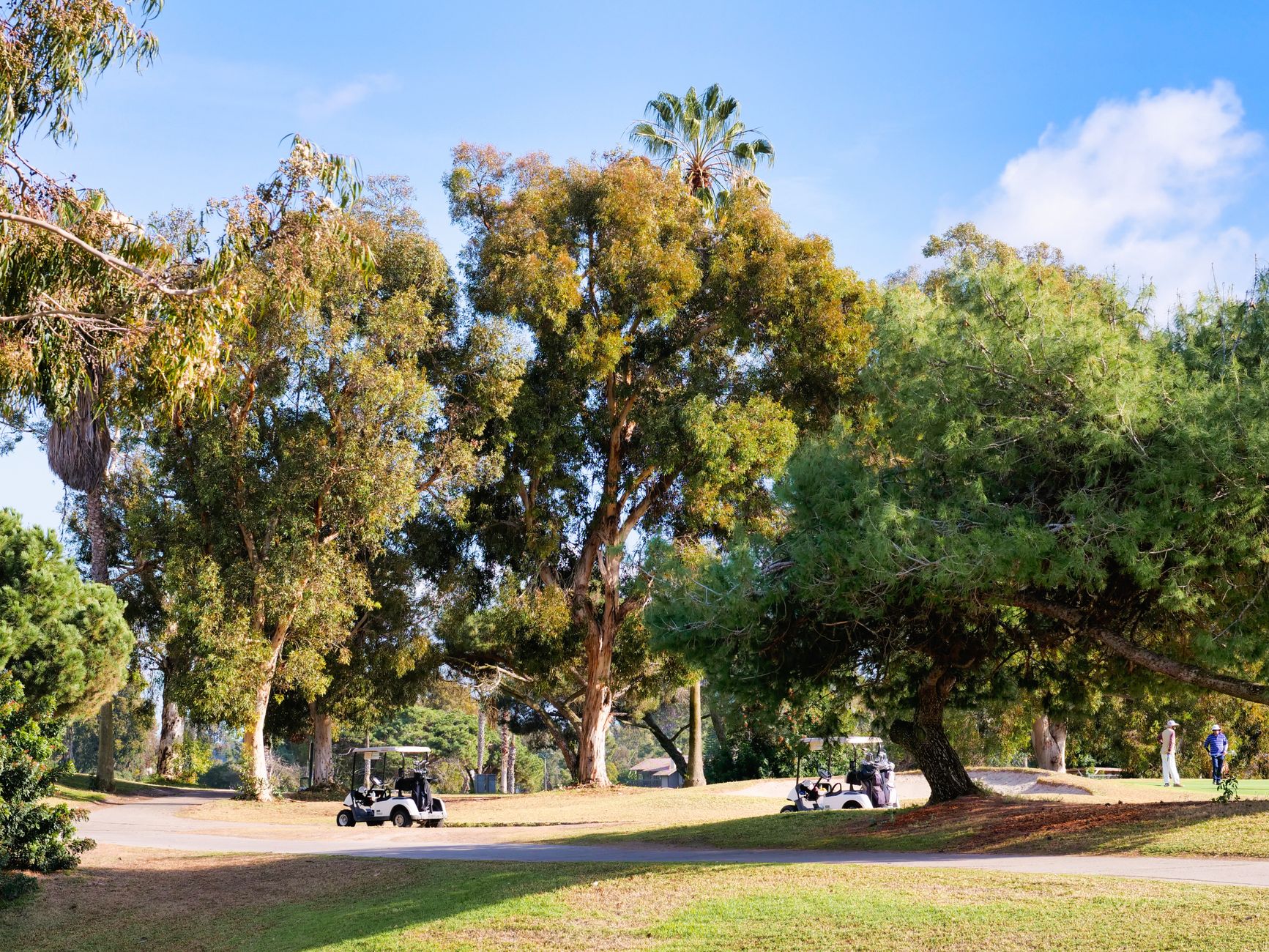
Golf Course Industry reported that CDA National Reserve brought in its first autonomous fairway unit in 2025 after a demo impressed local superintendents, but rural parts of the Elk, Wyoming property had no usable cell signal for RTK guidance on certain holes.
Superintendent Tyler Bauer told the magazine he understood upfront that a few corridors would stay on conventional fairway mowers until connectivity improved. That honesty is the lesson for every club considering a lease: the map is also a radio survey.
The story matters because fairway robots only save seat time on routes they can actually run. Dead air is not a failure of turf quality, it is a planning input.
What is RTK cellular coverage on a golf course?

Most autonomous fairway platforms lean on real-time kinematic positioning tied to cellular satellites for lane keeping across wide bentgrass corridors. When a hole drops below usable signal, the unit cannot safely hold a line, so responsible operators exclude that strip until the fix is in place.
Bauer initially ran on Verizon Wireless according to Golf Course Industry, then worked with the vendor to upgrade the machine for Starlink when valleys and tree lines kept killing signal on specific holes.
You do not need to master radio engineering. You do need to walk every fairway with a phone and note where bars disappear before you promise members full coverage.
How should you walk the course before leasing?
Start at dawn on the quietest holes and drive the fairway centerline with a phone logging signal drops. Repeat under tree canopy and along pond banks where GPS multipath already frustrates manual sprayer operators.
Mark stays-out zones for bunkers, greens surrounds, and native areas the robot should never enter, then overlay the signal log. Where both maps conflict, decide whether Starlink, a repeater, or a conventional strip is the right answer.
Bring your mechanic and irrigation tech. They spot sprinkler heads and valve boxes that do not show on satellite views but will stop a route cold.
- Log signal at the center of every fairway and rough corridor you want autonomous.
- Note tree lines, valleys, and metal maintenance sheds that shadow RTK.
- Decide charger placement where power and signal both work overnight.
- Write conventional backup strips for any hole that fails the walk twice.
What backup plan did the Idaho team keep live?
Bauer told Golf Course Industry he still considered himself old school on data collection even while taking delivery of an autonomous fairway unit and a new GPS sprayer in the same season. The juxtaposition is common: agronomists adopt robots lane by lane, not overnight.
Keeping a conventional fairway mower serviceable while routes mature is the same discipline Ken Yates used at the 2025 Black Desert Championship on the PGA Tour, where backup units stayed on site until the Tour’s autonomy team signed off.
Your green committee should see that written plan before financing paperwork, not after the first stuck unit makes the evening news in the pro shop.
Document the date of each signal walk and repeat after major tree work or new maintenance buildings, because shade patterns shift faster than agronomy manuals admit.
Document the date of each signal walk and repeat after major tree work or new maintenance buildings, because shade patterns shift faster than agronomy manuals admit.
Document the date of each signal walk and repeat after major tree work or new maintenance buildings, because shade patterns shift faster than agronomy manuals admit.
Document the date of each signal walk and repeat after major tree work or new maintenance buildings, because shade patterns shift faster than agronomy manuals admit.
Document the date of each signal walk and repeat after major tree work or new maintenance buildings, because shade patterns shift faster than agronomy manuals admit.
Document the date of each signal walk and repeat after major tree work or new maintenance buildings, because shade patterns shift faster than agronomy manuals admit.
Document the date of each signal walk and repeat after major tree work or new maintenance buildings, because shade patterns shift faster than agronomy manuals admit.
When does upgrading connectivity make sense?
If only one or two holes fail the walk, a conventional strip may be cheaper than new infrastructure. If an entire nine sits in a shadowed valley, Starlink or a dedicated link can unlock acres of autonomous passes that otherwise never run.
Golf Course Industry noted Bauer upgraded the unit after the vendor saw the same dead zones he did on site. Third-party verification beats guessing from a sales deck.
Budget the upgrade in the pilot, not as a surprise change order mid-season when members ask why the robot never reaches the back nine.
How does Service Robot Co. fit a connectivity-first pilot?
We are OEM-neutral integrators: we help you select an autonomous fairway and rough mower, map exclusions, lease through financing after a free site assessment, and support the fleet under RoboCare with a nationwide network of regional service engineers.
Our site walk explicitly includes signal and charger placement, not just turf aesthetics. If a corridor cannot run safely yet, we document the conventional strip instead of overselling coverage.
Clubhouse floor cleaners, path sweepers, and patrol cameras can join the same relationship once fairway routes prove out, but connectivity homework comes first.
What should you tell the green committee?
Say which holes are autonomous on day one, which stay conventional, and what triggers an upgrade. Say who owns the daily checklist and how fast service responds if signal drops mid-route.
Use the Idaho story as precedent, not hype: a respected superintendent adopted the technology while naming dead zones publicly.
If they want every fairway on the robot immediately, show them the walk log. Honest maps build more trust than a launch party.


