Key takeaways
- Configuration tunes a proven platform; custom engineering builds a one-off that your team must carry forever.
- If the task repeats fewer than a few hundred times per month across sites, heavy customization rarely earns its schedule risk.
- Standard modules, phased pilots, and robot as a service monthly plans often beat one-off mechanical or software forks.
- Every custom bracket, API, or map exception becomes support debt when the OEM updates firmware or retires a model.
- A vendor neutral integrator should show a catalog path before quoting open-ended engineering hours.
Where does customization stop paying for itself?
Customization becomes too expensive when the price of making a robot fit your floor exceeds the measurable value of the work it will repeat for years. That line is not about pride in a unique layout. It is about schedule slip, spare parts nobody stocks, and a support queue that only one engineer understands.
Most buyers arrive with a legitimate need: a narrow aisle, an odd dock lip, a tray size that does not match the default cart. Those gaps usually belong in configuration, mapping, and approved accessories. Trouble starts when the vendor proposes welded one-offs, forked software, or integration that no other customer will ever run.
According to the International Federation of Robotics, worldwide sales of professional service robots grew 9 percent in 2024 to more than 199,000 units, while the robot-as-a-service fleet grew 31 percent to more than 24,500 units. That scale favors repeatable deployments. The more your project depends on bespoke engineering, the farther you sit from the mainstream path where parts, training, and field service stay predictable.
What is configuration versus custom engineering?
Configuration is bounded. You choose a validated scrubber head, set water flow within OEM limits, define zones on a digital map, and attach a listed top module to an autonomous mobile robot. The supplier has done it before, publishes a bill of materials, and can dispatch a technician who has seen the failure mode.
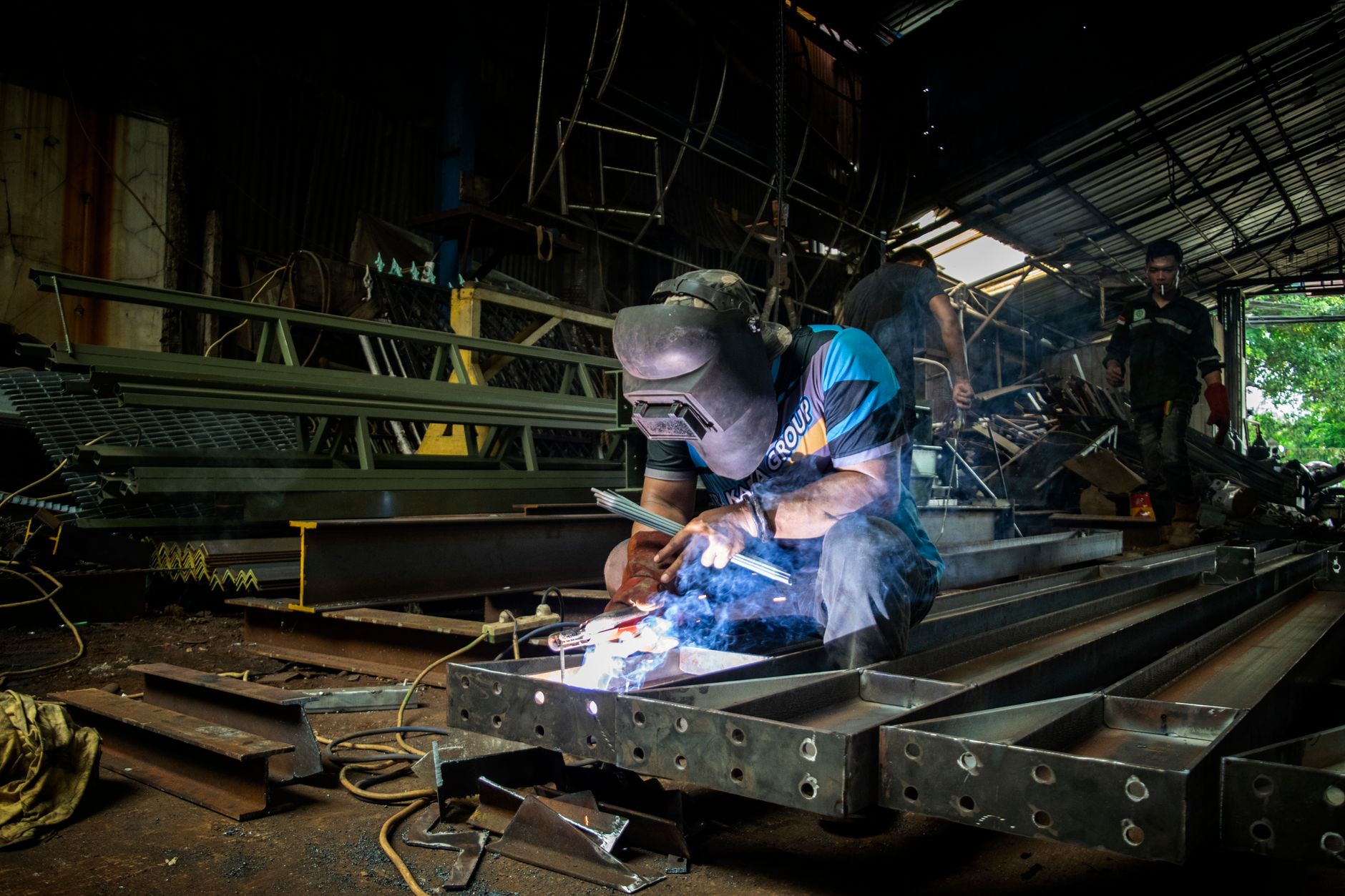
Custom engineering is open ended. It may mean designing a new gripper geometry, modifying a chassis, or writing middleware that only your building controller understands. Each hour feels productive in week two of a pilot. In month eighteen, that same code blocks a security patch.
Ask every vendor to label deliverables as catalog, configured, or custom. If custom share of the statement of work crosses roughly a third of integration cost on a first site, pause and test whether a different platform or a simpler task definition removes the need.
- Catalog: SKU you can reorder with a part number
- Configured: parameters and maps inside OEM-approved bounds
- Custom: new drawings, software branches, or fabrication not reused elsewhere
How repeatable must the task be?
Repeatability is the quiet filter most teams skip. Count how often the robot will execute the same motion, route, or payload handoff in a typical month, then across every site you might add in three years.
A nightly autonomous floor scrubber run across forty thousand square feet of polished concrete may repeat hundreds of times per year with the same map. That rhythm supports investment in fine tuned zones and chemical settings because the return accumulates every shift.
A weekly special project that moves odd sized crates through a one time layout does not. If the motion happens a dozen times monthly, even a modest custom end effector may never return its engineering hours. In those cases, manual assist, a simpler tug route, or rearranging staging often beats a permanent mechanical adaptation.
How should task value and fleet scale change the decision?
Task value sets the ceiling. Estimate labor you replace or injury risk you reduce, then compare it to integration plus five years of service. Custom work needs a wide margin because it hides delays. A missed go live week in a busy distribution center can cost more than the robot line item.
Fleet scale sets the denominator. A customization that spreads across twelve identical grocery backrooms may justify a shared top module design. The same change at a single boutique clinic is a science project billed to one budget.
Transportation and logistics robots led professional service robot sales in 2024 with 102,900 units, a 14 percent increase, according to IFR data. Indoor goods movement is mature enough that buyers should demand a reference route before approving custom forks. If nobody else runs your variant, you own every firmware surprise alone.
What alternatives should you exhaust first?
Before you fund custom metal or software, walk the floor with someone who deploys robots for a living. Small layout changes, mirror imaged pick stations, or a second standard cart size frequently erase the need for a new bracket.
Phased deployment no shutdown is a practical pattern. Prove a standard cleaning robot rental on one wing, measure coverage with ATP or visual audits, then expand. Monthly payment programs and commercial robot rental let you test without capitalizing a prototype.
Subscription fleets in logistics grew quickly. IFR reported that robot-as-a-service in transportation and logistics rose 42 percent in 2024 even as traditional unit sales stayed important. Flexible robot as a service monthly subscription models reward vendors for uptime on standard configs, not for billing endless change orders.
Why does custom work create obsolescence risk?
Commercial robots update like other connected equipment. Navigation stacks, safety firmware, and cloud dashboards move on quarterly cycles. Custom middleware that bypasses the vendor test matrix breaks first.
Obsolescence also hits hardware. A welded adapter tied to one chassis generation becomes scrap when that model sunsets. Mixed fleets already strain maintenance. The IFR notes hundreds of producers globally, yet most field teams standardize on a handful of platforms for a reason.
Document every custom element in your asset register with an owner and a retirement plan. If the owner is a consultant who leaves, the robot becomes a stranded asset. That is the hidden expense buyers feel when customization went too far.
When is customization still rational?
Customization still earns its keep when the task is high value, highly repeatable, and protected by contractual volume across sites. Sterile loops, regulated payloads, or fixed automation cells with years of run time can justify engineered end effectors if they are version controlled and duplicated.
Regulated environments may require traceable changes that look custom yet stay inside a validated change process. That is different from a one off hack during commissioning.
Even then, cap the scope. Build on modules the OEM will still certify. Keep drawings and software in repos the integrator transfers with the fleet. Service Robot Co. treats that handoff as part of turnkey robot deployment so a new contractor is not decoding tribal knowledge.
What tests should procurement run before signing?
Run four tests on paper before legal review. First, repeatability: document cycles per month and planned sites. Second, task value: tie hours saved or risk reduced to a conservative dollar range. Third, alternatives: list two standard configurations that almost fit. Fourth, fleet scale: state how many units share the custom piece within twenty four months.
If custom work fails any test, re scope the task or split the project. Let a standard autonomous scrubber handle nightly floor care while humans keep irregular moves until volume grows.
Require integrators to show maintenance included paths, loaner unit rules, and who owns warranty when a custom bracket fails. One partner one number matters when your night crew cannot tell whether to call the OEM, the fabricator, or the software freelancer.
- Repeatability: count monthly cycles and future sites
- Task value: compare five year benefit to integration plus service
- Alternatives: prove two near standard options were rejected with data
- Fleet scale: minimum unit count sharing the same custom artifact
How does a full-service integrator keep customization bounded?
Service Robot Co. operates as a vendor neutral robot integrator for warehouses, hospitals, hospitality, and industrial sites across the United States. The default path is OEM neutral selection, mapped deployment, training, and nationwide on site dispatch on standard configurations.
When a site truly needs engineered additions, those additions are scoped against the same four tests, quoted separately, and designed for reuse across your fleet when possible. Financing, lease rental or sale options, and robot pilot program structures stay tied to measurable coverage or move counts, not open ended shop hours.
That discipline protects buyers from pilots that never graduate. You still get a robot that fits your floor. You avoid paying twice, once for bespoke build and again for stranded support when the next software release arrives.