Key takeaways
- Shoulder months hit mountain lodging hardest when airport passenger counts fall and leisure employers trim hours.
- Autonomous scrubbers own repeatable hard-floor routes after close so hosts and servers stay guest-facing.
- Indoor delivery robots can move linens, amenities, and dishware on fixed loops when night headcount shrinks.
- A vendor-neutral integrator maps, finances, deploys, and services units through a nationwide engineer network.
- Pilot on one wing or one floor before you scale rental or lease terms across the property.
Why does shoulder season break the overnight cleaning plan?
In ski-country markets the guest calendar does not move in a straight line. Properties staff up for peak weeks, then cut shifts when lift traffic and flight banks thin out. That is when hard floors still take the same abuse from boots, carts, and kitchen traffic, but the people who used to reset them at midnight are gone.
Routt County QCEW figures for the fourth quarter of 2024 showed a net loss of 101 jobs in accommodation and food services compared with the prior year, according to the Routt County economic newsletter published in August 2025. Those are the roles that often carry overnight scrubbing, dish runs, and back-of-house supply loops in lodges, restaurants, and retail pads tied to tourism.
Passenger swings at Yampa Valley Regional Airport make the timing visible. Steamboat Pilot reported 81,195 travelers through the Hayden airport in March 2026, down 13 percent from 93,433 in March 2025. When enplanements drop that fast, managers protect front-of-house hours first. Back-of-house reset work is what slips.
What work still has to happen when you run lean?
Guest-facing staff still check people in, serve meals, and handle issues at the desk. What quietly stalls is the physical reset: lobby hard surfaces after a wet entry day, kitchen alleys after a busy dinner, fitness center tile after early-morning classes, and receiving paths where boxes stack up before retail opens.
Mountain properties also fight melt and refreeze at doors for months. Grit rides in on footwear and wheels. If you skip a full scrub cycle because only one porter stayed on the schedule, the floor tells the story by breakfast.
Delivery loops suffer the same squeeze. Housekeeping still needs clean linen stacks on each floor. Banquets still need glassware back in the pass. A single runner cannot cover every vertical route when the elevator bank is busy with guests.
Where do autonomous scrubbers fit on a night shift?
An autonomous floor scrubber is built for the work you can define on a map: corridors, kitchen back aisles, pool decks with compatible surfaces, and retail back rooms with clear aisles. You schedule it after close or during a quiet block, fill the tanks, and let it run the route while a smaller human team handles detail work.
The machine does not replace a housekeeper who stages amenities or resets furniture. It owns the repetitive scrub cycle that used to require someone walking the same path for an hour with a corded machine. That hour is often the first cut when labor hours shrink in April or November.
Night-shift autonomous scrubbing also pairs well with properties that already pay a premium for overnight janitorial vendors in peak winter. In shoulder weeks you may cancel the vendor day entirely but still need one full scrub per week to pass brand standards. A rented scrubber can hold that line without rehiring a crew.
Properties near Yampa Valley Regional Airport also see weeknight spikes tied to flight banks, then quiet Tuesdays that do not justify the same mop crew you needed on Saturday. Scheduling software on a scrubber lets you match those patterns instead of paying for a static overnight roster.
- Map routes that avoid guest areas still open late
- Run after mats and vestibules are dry enough for squeegees
- Log water pickup and pad changes so morning staff trust the floor
- Keep charging bays indoors when overnight lows sit near 10°F in January per NOAA normals for Hayden
Can delivery robots cover back-of-house loops?
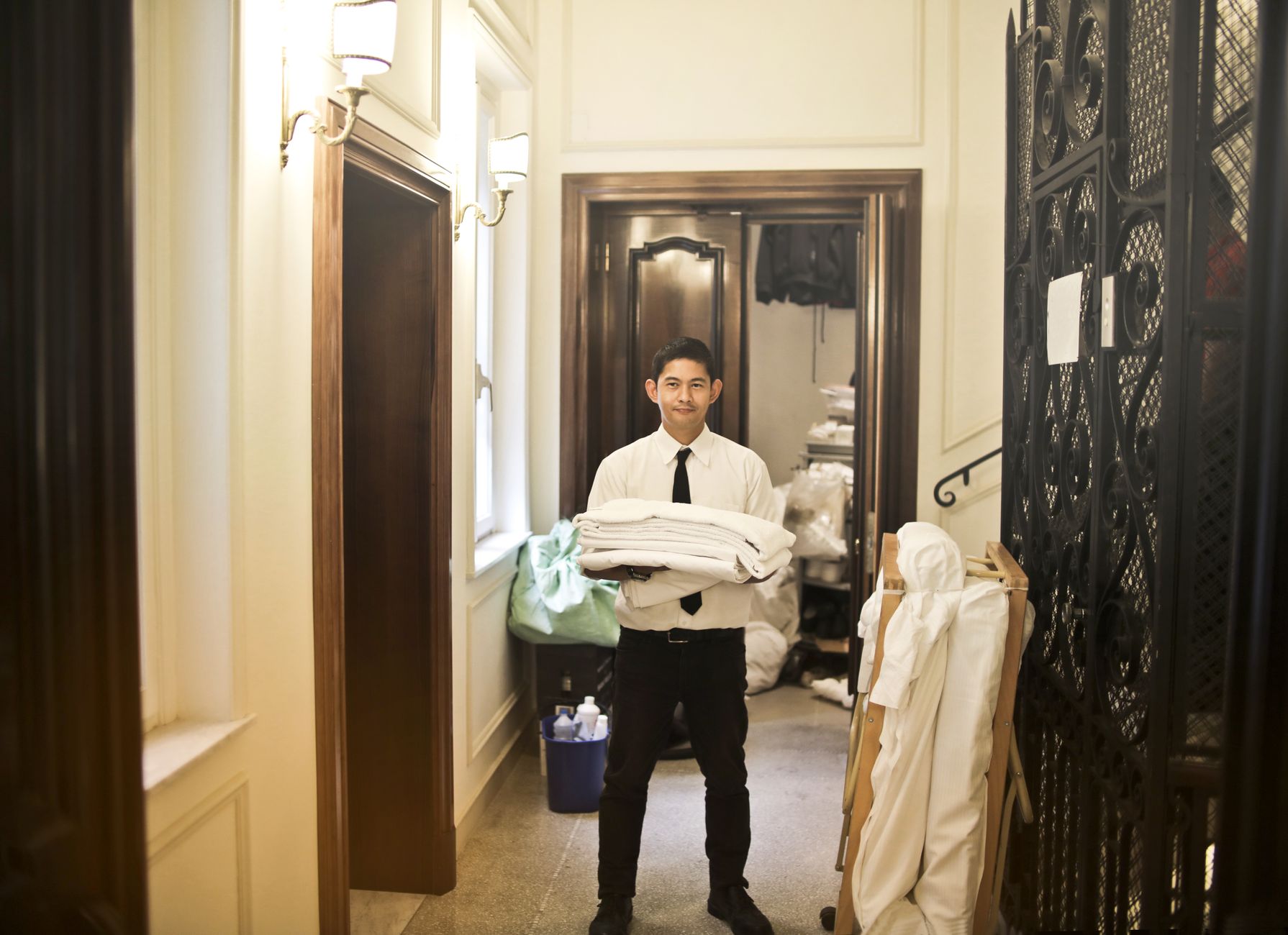
Indoor delivery robots handle closed routes: linen cages to a service elevator, dirty dish carts to the kitchen, amenity totes to a club floor. They move at walking pace on mapped paths and free a human runner for tasks that need hands and judgment.
Hotels that already use mobile ordering for room service can extend the same logic to internal moves. The robot does not need to charm a guest. It needs to arrive at the stewarding door on time so the dish pit stays ahead of the next seating.
Retail and clinic sites near resort corridors use the same pattern for back-stock pulls when the sales floor team is down to a skeleton crew. The robot runs the loop; the associate stocks the shelf.
How do you phase this in without a big shutdown?
Start with one building wing or one back-of-house zone. Map it during a live shift so you see where guests still walk at 10 p.m. Train one lead from environmental services plus one from engineering on battery swaps and fault codes.
Run a four to six week pilot that tracks minutes saved on scrub cycles and missed delivery runs. Compare those minutes to the hours you already cut from the schedule in shoulder months. That is your honest ROI story, not a glossy promise.
Service Robot Co. acts as a vendor-neutral integrator: we match scrubber or delivery types to your layout, set up monthly payment programs or lease rental paths, deploy with mapping support, and service units through a nationwide network of regional engineers. One partner handles select, finance, deploy, and service instead of six vendors pointing at each other when a machine faults at 2 a.m.
Document who owns consumables and who gets the alert when a machine stops mid-route. Shoulder-season managers are often working double duty; a clear escalation path to remote triage and on-site dispatch keeps a small hiccup from becoming a morning complaint at the front desk.
What should owners ask before signing a rental?
Ask which surfaces are in scope. Carpet care still needs vacuums or extractors; scrubbers handle sealed hard floors. Ask how quickly you can get a loaner if a drive unit fails during a holiday weekend. Ask who remaps routes when you move a bar or close a wing for renovation.
Ask how training is documented for seasonal hires who rotate every six months. A robot that only one veteran can operate becomes another single point of failure.
Ask for a free site assessment before you commit to counts. Floor slope, door thresholds, and elevator integrations matter more in older mountain lodges than in a new convention wing.
What changes for staff when robots join the night crew?
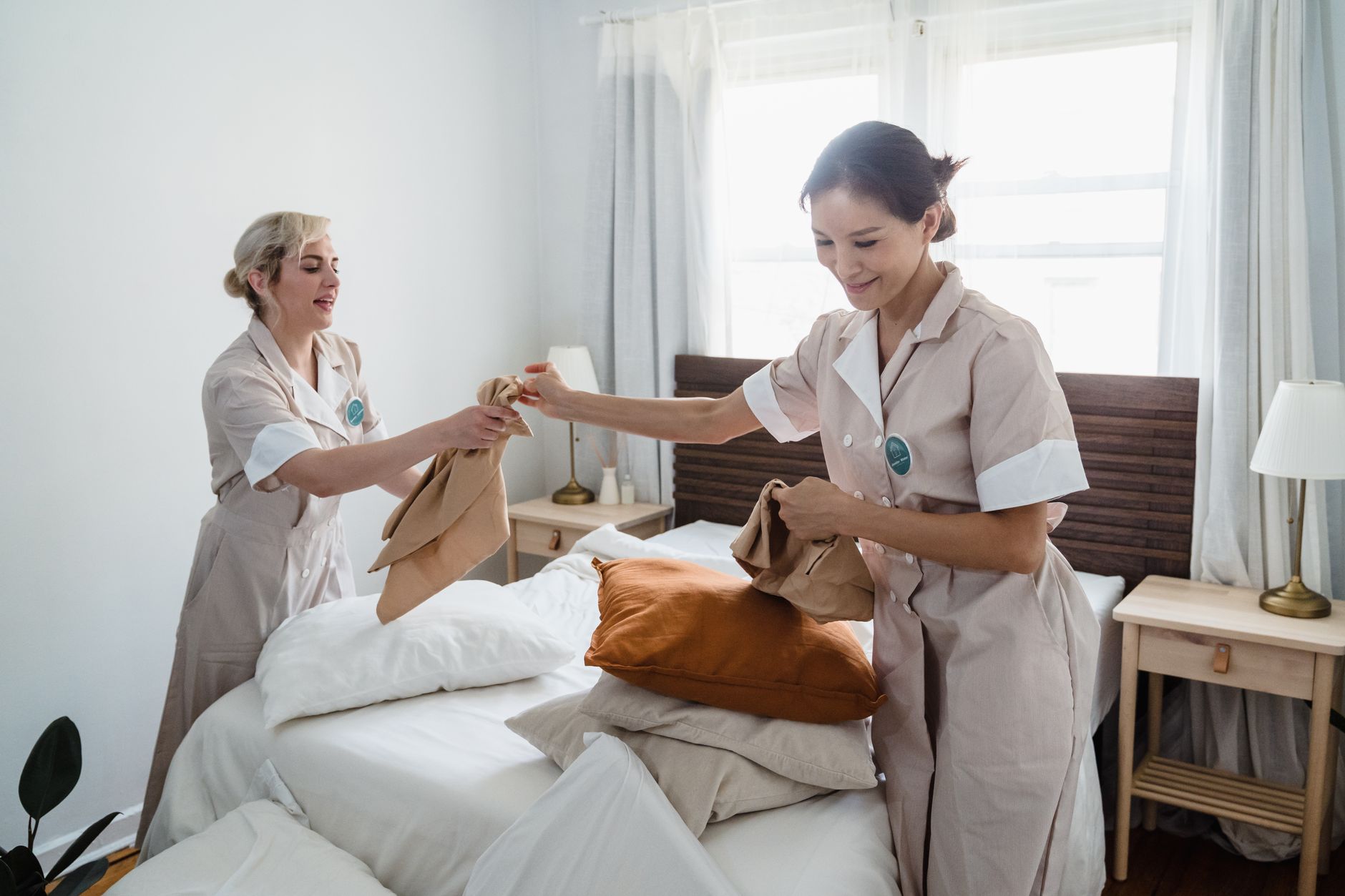
Housekeeping leads often worry robots will erase jobs. In practice the properties that do this well reassign hours to guest touches: earlier turn-down service, deeper bathroom detailing, faster response to late arrivals. The robot holds the long scrub loop steady so those touches still happen on a thin roster.
Engineering teams appreciate fewer emergency calls about slippery tile after a incomplete scrub. Security teams may still patrol lobbies; they are not replaced by scrubbers, but they stop getting pulled to mop a trail from the pool deck.
Clear communication matters. Post a simple chart: robot runs 11 p.m. to 2 a.m. on these routes; humans own everything else. When everyone sees the split, adoption sticks past the first month.
Northwest Colorado Council of Governments QCEW tables for the fourth quarter of 2024 list 2,539 accommodation and food service jobs in Routt County with an average annual wage of $35,672. That wage band is exactly where overnight reset hours get contested. Saving an hour of scrub time does not solve every budget line, but it buys back time you can place on the front desk when unemployment in the county was just 3 percent in July 2025 per the same Routt newsletter.
Is this only for giant resorts?
Airport-adjacent hotels, boutique lodges, grocery stores, and fitness clubs in the Yampa Valley all share the same seasonal pulse even when they are not a 500-room property. A single autonomous scrubber on a month to month robot lease can cover a back room and a lobby loop that would otherwise need a twice-weekly vendor visit.
Smaller sites benefit from robot as a service style programs because they avoid tying up capital before the summer or winter spike. They scale the rental up for peak, then scale down when Routt County leisure hiring cools and you know your guest counts from airport and tax data will soften.
The goal is not to look futuristic. It is to keep floors and internal deliveries on standard when the people who used to do that work at night are already scheduled somewhere else.