
Key takeaways
- Charging location is a play-routing decision, not just an electrical one.
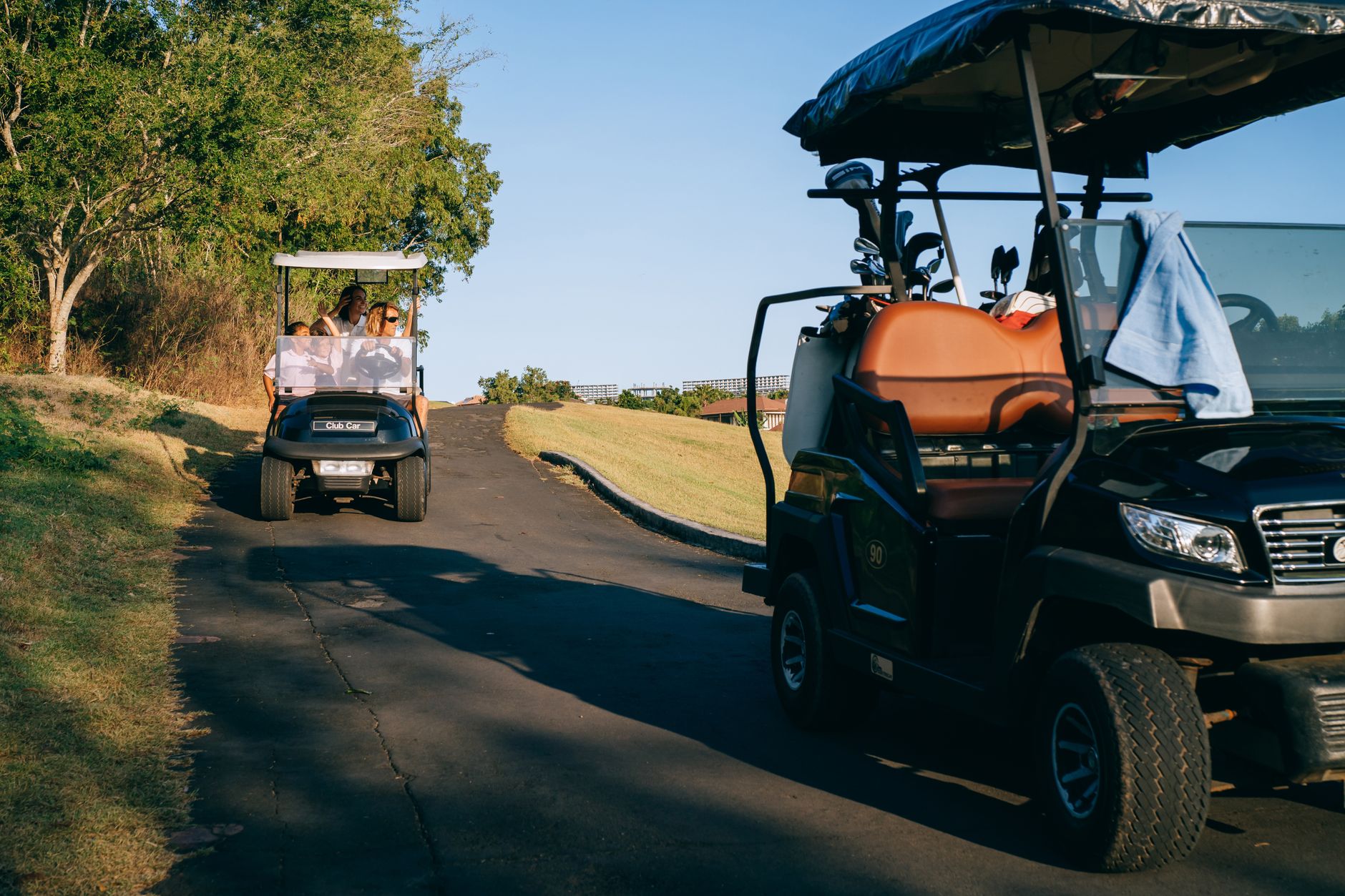
- Low-profile mower garages often hide along tree lines and behind tee complexes.
- Technicians need cart-path access without trampling sensitive turf every week.
- Backup fairway mowing still belongs in your plan when a unit is off the line.
- One integrator can align fairway robots with clubhouse scrubbers under one service contract.
Why does charging location matter as much as the mower?
An autonomous fairway mower only saves labor if it reliably starts, finishes, and returns to a dock without crossing active play. That means charging placement is really a routing and visibility problem. The USGA Green Section Record noted in 2026 that courses expanding autonomous mowing are designing low-profile enclosures along tree lines, native areas, and behind tees so docks stay out of member sightlines.
A dock in the wrong place becomes a daily conflict: golfers stare at it, maintenance carts queue around it, or technicians tear up surrounds when they service blades. Superintendents who treat charging like an afterthought usually end up pausing robots more than running them.
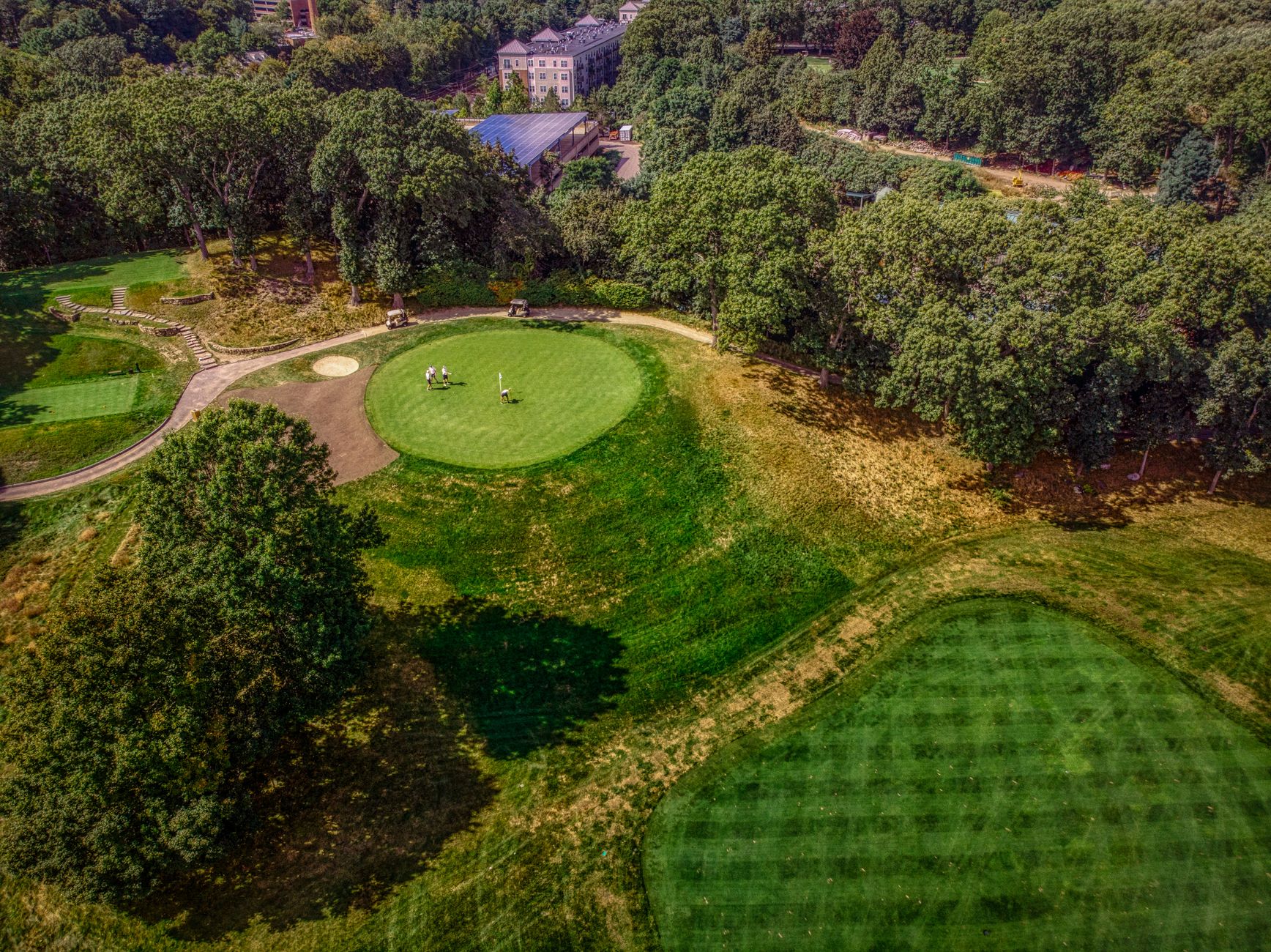
The goal is a home base that is close to the fairways the unit cuts most often, reachable on a cart path, and far from greens complexes and walk-up areas.
What should you map before pouring a pad or running conduit?
Walk the property with your integrator and mark every stay-out zone first: greens, tees, bunkers, wetlands, steep banks, and member paths. Only then pick candidate dock sites on the fairway side of those lines.
Note where irrigation overlaps fairway loops. A robot that runs while heads are pressurized can track wet turf or cut before squeegee paths dry. Build pause rules into the schedule instead of hoping crews will babysit each night.
Check cellular or correction coverage at each candidate dock and at the farthest fairway you want automated. Trade press has documented courses upgrading connectivity when isolated holes lost signal. Fix those gaps before you promise members a full-property schedule.
How do courses hide docks without making service harder?

The USGA piece describes mower garages blended into landscape edges so players barely notice them. That works when technicians can still reach the unit quickly for blade swaps, cleaning, and software checks.
Artificial turf pads around docks show up as a practical fix for muddy spring docking, giving staff a stable surface without chewing up collar turf every week. Drainage matters: standing water near chargers is both a safety issue and a reliability killer.
Leave enough clearance for the mower to align on approach. Tight garages that look tidy on paper can cause failed docking after a rain when turf is soft and the unit approaches at an angle.
Who needs access when the robot is not mowing?
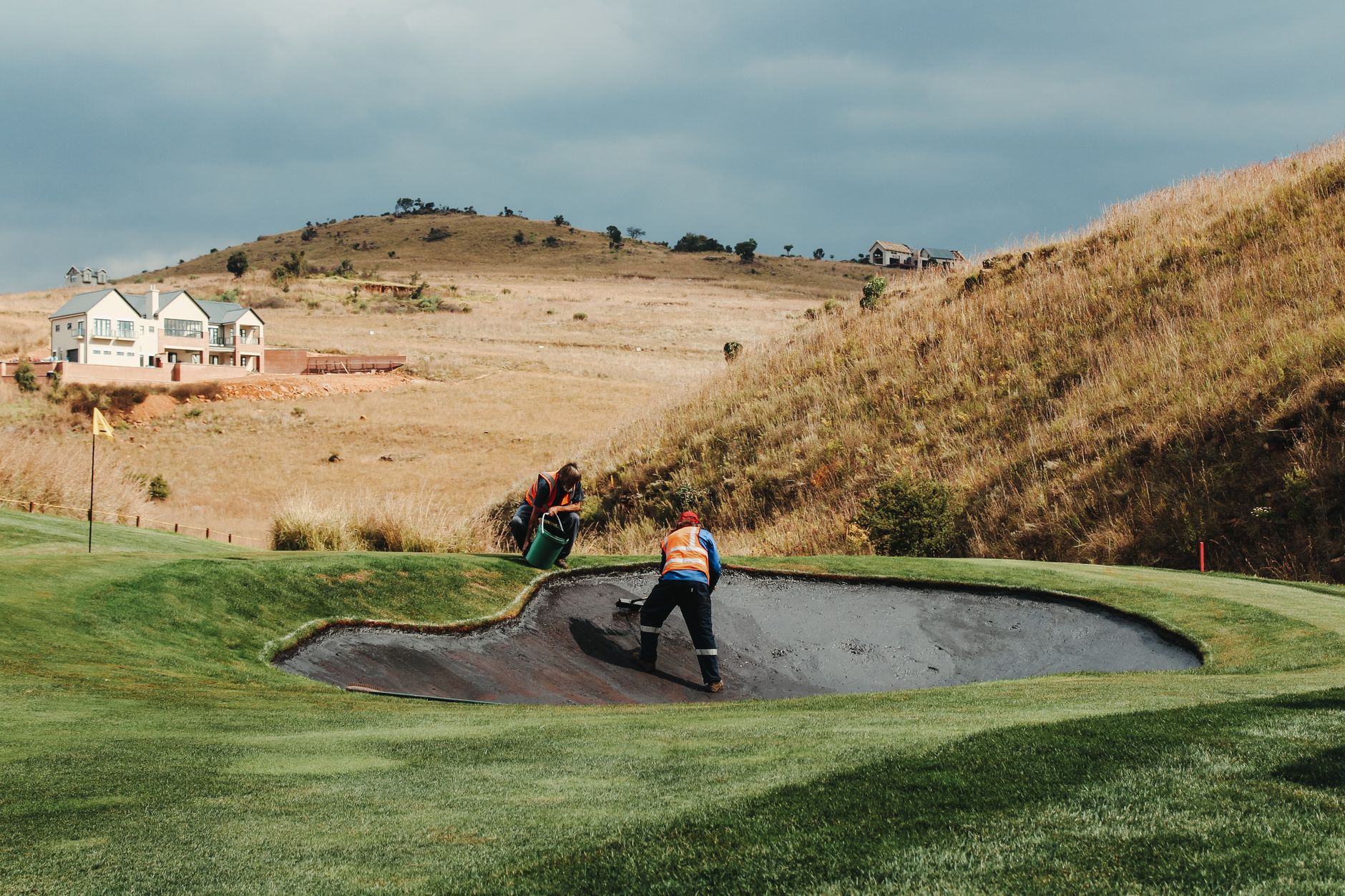
Assign one assistant or mechanic as the daily owner: they confirm the overnight log, walk problem holes, and decide whether to restart routes after weather holds. That role should not float between three people who each assume someone else watched the app.
Keep your conventional fairway mower maintained even when robots handle nightly passes. Tour-adjacent pilots kept backup units for schedule changes, and your member-guest week is not the time to discover you sold the spare.
Document every manual stop for the first month. If crews repeatedly rescue the same sprinkler head, update the map instead of blaming operator error.
How does clubhouse automation fit the same plan?
Fairway autonomy pairs naturally with clubhouse scrubbers, locker-room vacuums, and lot patrol cameras if you want one partner managing schedules. Those systems do not replace fairway work, but they attack the other labor sinks members still notice after a round.
Service Robot Co. stays OEM-neutral across turf and indoor robots, which helps when your fairway vendor differs from your floor-care vendor today. One financing and service contact still matters when something fails on a Saturday morning.
Keep separate runbooks. Fairways care about height and hours back for bunkers; clubhouse bots care about dry floors before brunch. Mixed alerts on one phone screen create noise superintendents should not have to filter.
What does rollout look like through the season?
Spring is for mapping, dock commissioning, and short test loops on your quietest nine. Summer stress-tests heat pauses, irrigation overlap, and member pace. Fall is when you compare crew hours moved to bunkers and approaches against prior years.
Portfolio owners scaling autonomy across clubs, as public releases described in early 2026, will ask for standardized metrics: dock uptime, acres mapped, backup mower hours, and weather holds. Capture those numbers from day one.
Buy or lease through financing after a site assessment, not from a brochure photo. Pricing belongs in a quote once maps and schedules are real.


