Key takeaways
- On-call staff handle the first check, but the service agreement decides who answers the fault.
- Published response times run from 2 hours on critical faults to 72 hours on a middle tier, so compare tiers, not headlines.
- Remote fixes can restart and diagnose a unit fast, but no public source we checked gives a success rate.
- Write the clock start, severity levels and a named escalation contact into the agreement before go live.
- One nationwide engineer network with one point of contact ends the overnight finger-pointing.
Who handles service when a robot stops overnight?
On-call facility staff take the first call. They can see the stopped unit, clear a blocked path, check the charging dock and write down the fault with a time stamp. Past that point, the answer depends on the contract, not on the logo on the robot.
Three parties can end up holding the fault: the facility's on-call team, the integrator that mapped and configured the fleet, and the robot maker whose firmware and parts the unit runs on. A written agreement settles who triages, who dispatches and who must arrive by when. Without one, a stopped scrubber becomes a chain of phone calls at 2 a.m., and overnight floor care goes undone until somebody accepts the problem.
What should staff do before a technician arrives?
Staff need a short runbook, not improvisation. Clear debris from the sensors and the route, confirm the dock has power, and copy the fault message exactly as it appears on the screen. Those three steps take minutes and give the remote team something useful to read.
Then stop. Opening housings, forcing restarts or swapping batteries can turn a software fault into a hardware repair, and it muddies the record the technician needs. The runbook should also name the number to call, and it should be the service line, not a sales inbox.
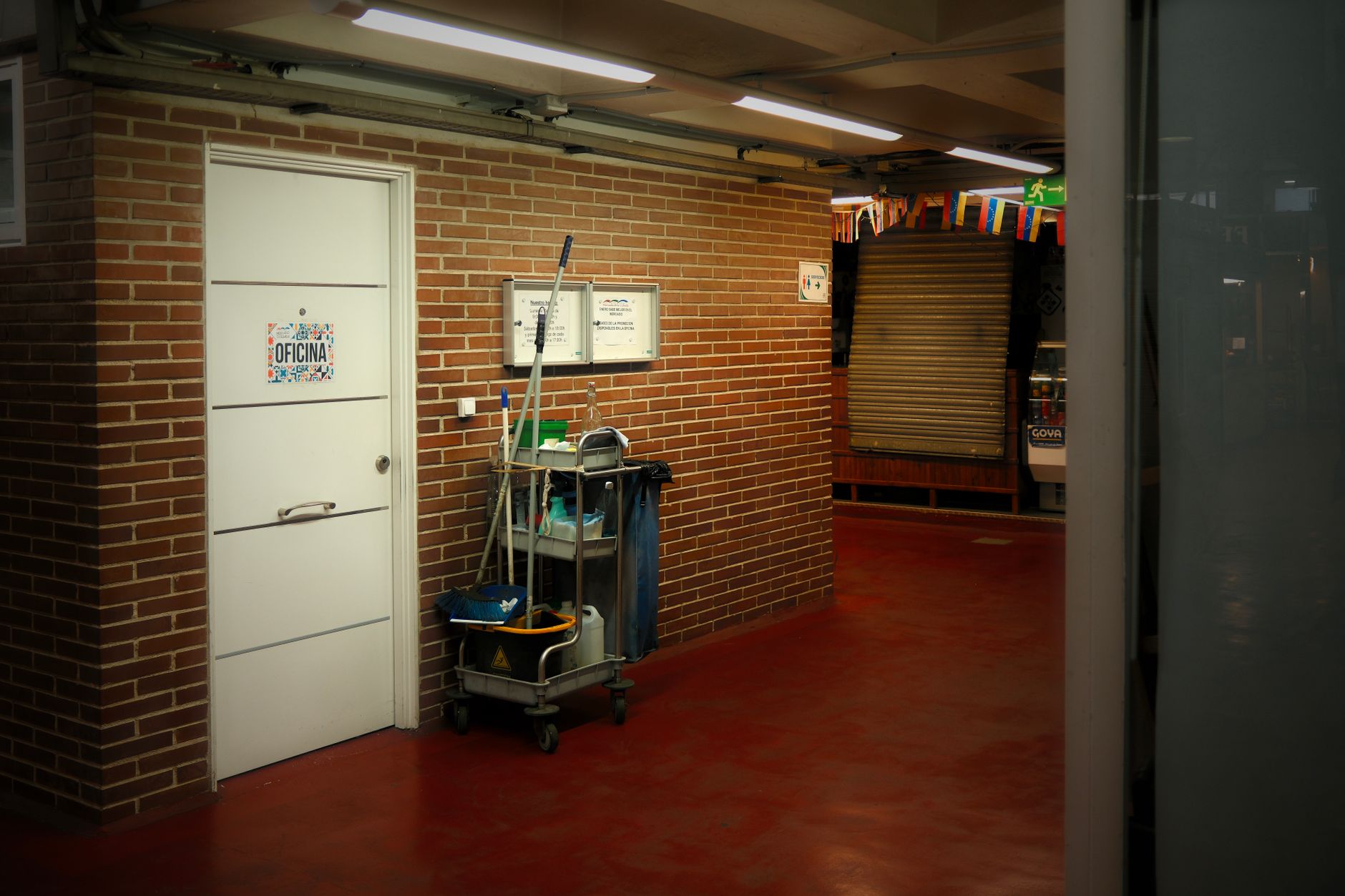
Does the robot maker or the integrator take the fault?
The robot maker usually controls the firmware, the diagnostic tools and the parts list. The integrator controls the site: the map, the routes, the charging layout, the network and how the units talk to your building systems. When a fault sits at the seam between those two, the first call tends to bounce between them.
That seam is where a mixed fleet gets hard. Each maker's remote team sees its own logs and can often diagnose its own machine. Nobody sees the whole floor unless the contract names one party in charge of the whole floor, and that is the party a facility lead should be able to reach on a Saturday night.
What response times belong in a service agreement?
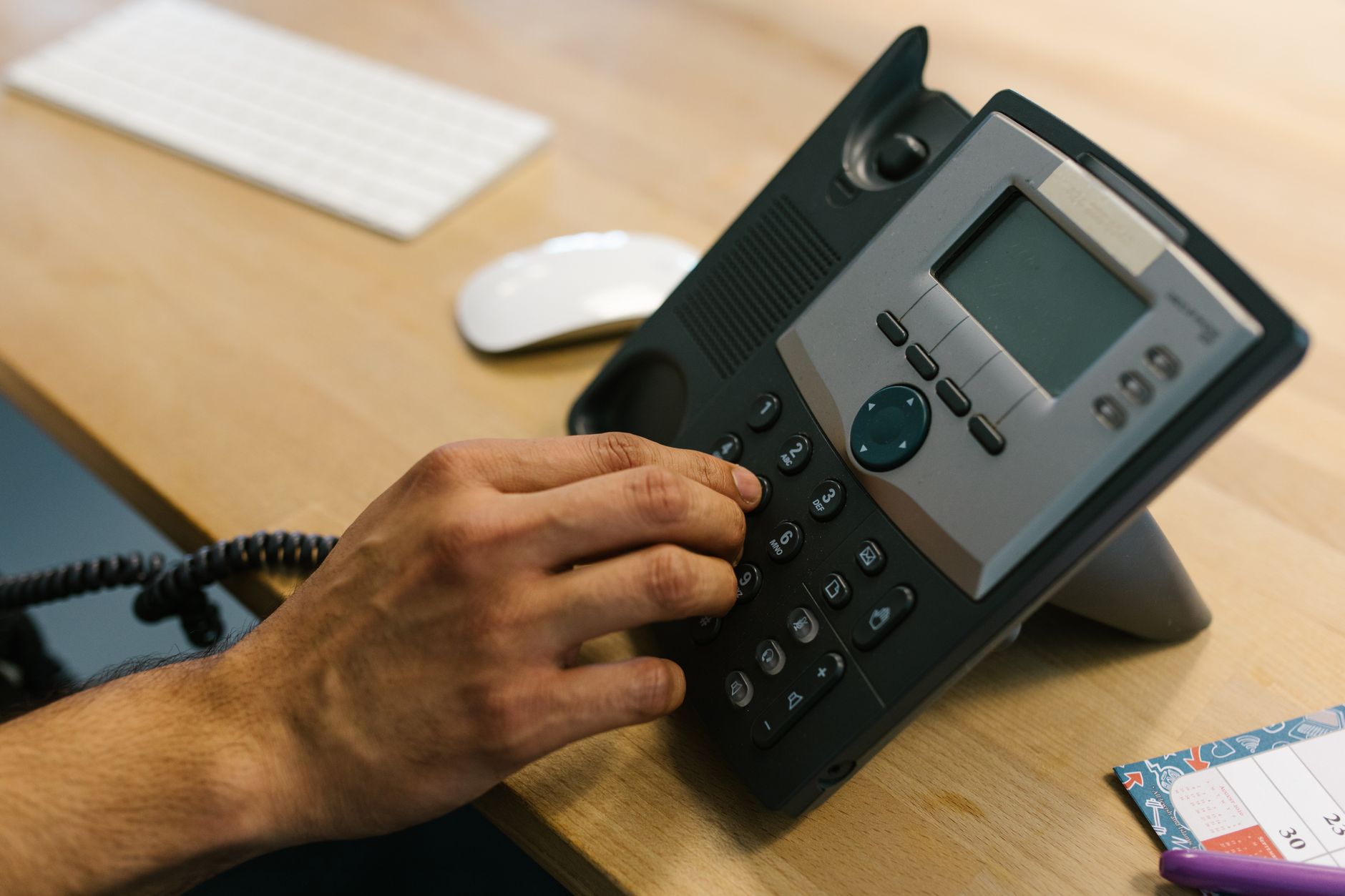
Published response times vary widely, and every figure here is a vendor commitment rather than an industry standard. As of November 2026, RobotLAB's entry plan gave a 4 business day response, and its middle tier paired unlimited remote technical support with a 72 hour response. Automacon's top tier promised priority on site response within 4 hours, and another tier guaranteed next business day. Robotics Center listed 2 hours for critical issues and 4 business hours for standard ones.
A four hour promise means little if the clock starts when a technician reads the email. Humanizing, a software support provider rather than a robot maker, measures its 8 hour standard response from the moment it receives the notification, or 4 hours with priority. Ask every provider the same question: when does the clock start, and who records it?
Four clauses matter more than the headline number:
- The clock start: the time a fault is logged in your ticket system, not the time a person opens it
- Severity levels tied to your operating hours, so a stopped unit on an empty overnight floor is not filed as a cosmetic alarm
- Separate targets for remote response and on site response, which the Robot Today framework treats as distinct tracks
- A named escalation contact and a backup for weekends and holidays
What can a remote fault fix actually resolve?
Remote teams can read logs and onboard diagnostics, and sometimes get a unit moving without a visit. Avidbots says its remote assistance team can access a Neo scrubber and get it moving again without a site visit, working from the machine's own diagnostics. Its 2024 blog says issues can be resolved on the spot 'in some cases.' Neither source gives a percentage, and we found no public figure for how many scrubber faults are fixed remotely.
In our reading, software restarts, parameter checks and sensor diagnostics are the likeliest remote wins. Worn brushes, drive faults and failed batteries still need hands on the machine, which is why the response clock for on site work has to be written separately from the remote one.
PhotoRobot's published hardware SLA shows what a careful document covers. It includes remote troubleshooting, firmware level diagnostics, mechanical and electrical guidance and identifying required parts. It also states that it governs response times and diagnostic procedures, not physical repair times or replacement guarantees. Read your own agreement with the same question in mind: what does it promise, and what does it leave out?
Why one engineer network and one contact end the blame game
A remote team from the maker, a local installer and a regional technician can each be right about their own piece and still leave a floor dark until morning. The fix is not a sharper blame chain. It is one party that triages, dispatches and closes the ticket, whatever brand is on the unit.
That is how Service Robot Co. is set up. We are an OEM neutral integrator. We pick the right robots across manufacturers, then lease, deploy, integrate, train and service every unit through our nationwide US engineer network, so a facility lead works with one partner and one number. Our commercial robot leasing runs on a three year lease, with one fixed robot lease payment quoted after a site assessment.
Ask us to write the response clock and the escalation contact into that quote alongside the payment terms, the same way you would ask any other provider.
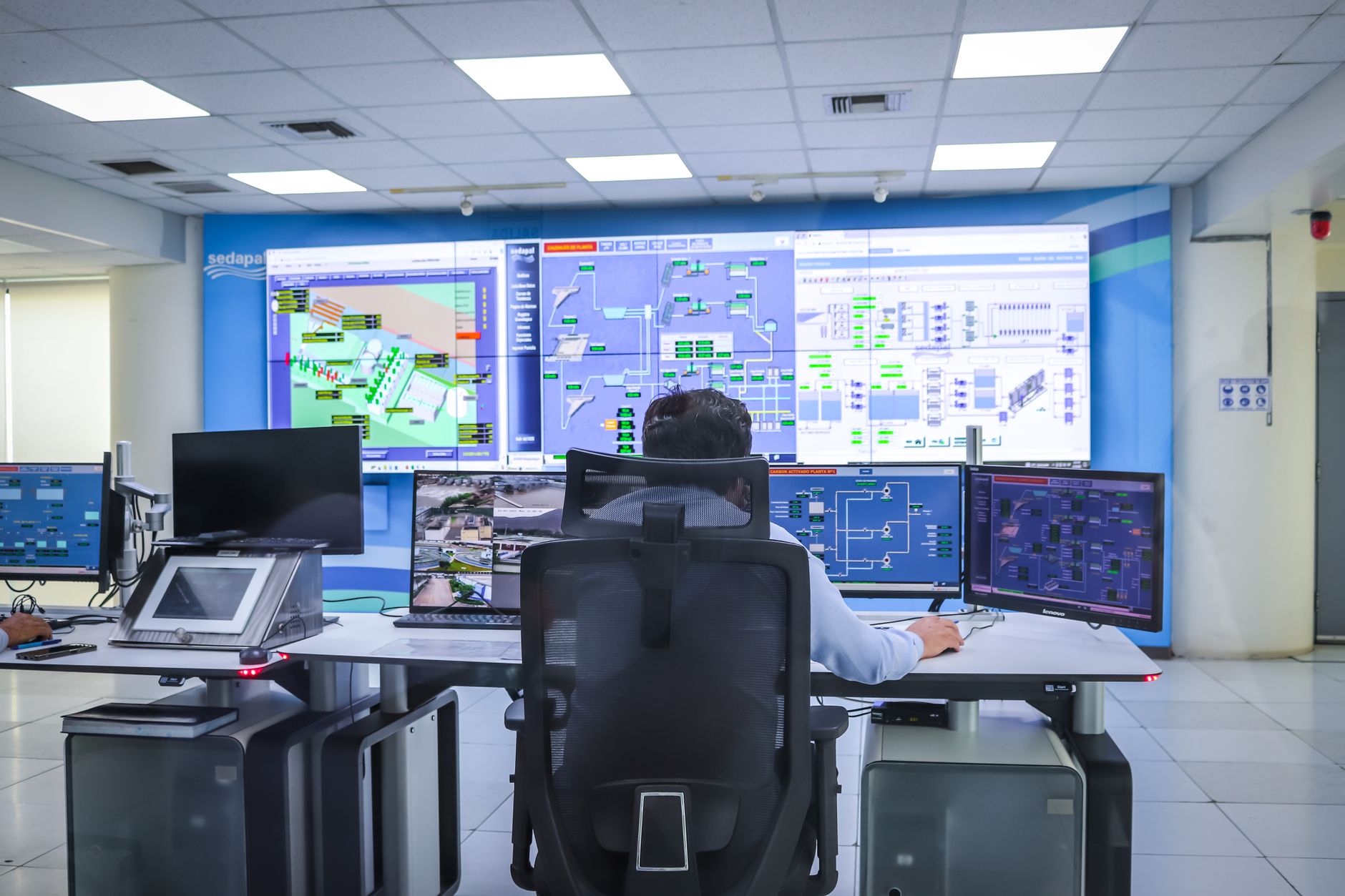
How do you test a service promise before you sign?
Ask for proof rather than adjectives. Request a sample ticket log with time stamps from fault to close, and ask who dispatches on a Saturday night. Then ask what share of last year's faults closed remotely. If the provider does not track that number, the remote fix is a feature, not a service level.
Ask about spare unit coverage too. A backup robot can keep a zone cleaned while a repair waits for parts, and no response time guarantees that on its own. When a vendor hedges with 'in some cases,' ask for the number behind the phrase before it goes into a contract.
Frequently asked questions
Want a robot working for you?
Tell us the job and the site. We will recommend the robot, quote the lease, and keep it serviced.