Key takeaways
- Arena automation is shifting from novelty to operations discipline because uptime, energy, cleaning, and crowd flow now sit on the same balance sheet.
- The May 20, 2026 Honeywell and NHL partnership shows that venue leaders are treating automation as part of the building stack, not a side experiment.
- Energy matters more in arenas because power, cooling, screens, broadcast gear, and event density keep pushing facilities harder.
- Cleaning automation is gaining ground because post-event floor recovery and overnight work are repetitive, measurable, and hard to staff consistently.
- For most operators, the practical path is one partner that can finance, deploy, integrate, train, and service automation across the full lifecycle.
Arena operators are not asking if automation is real anymore
Arena operators are reframing venue automation now because the pressure points are no longer theoretical. They are operational and immediate. Uptime protects revenue. Energy spend hits budgets every month. Cleaning windows between events are short. Fan expectations around access, comfort, and flow keep rising.
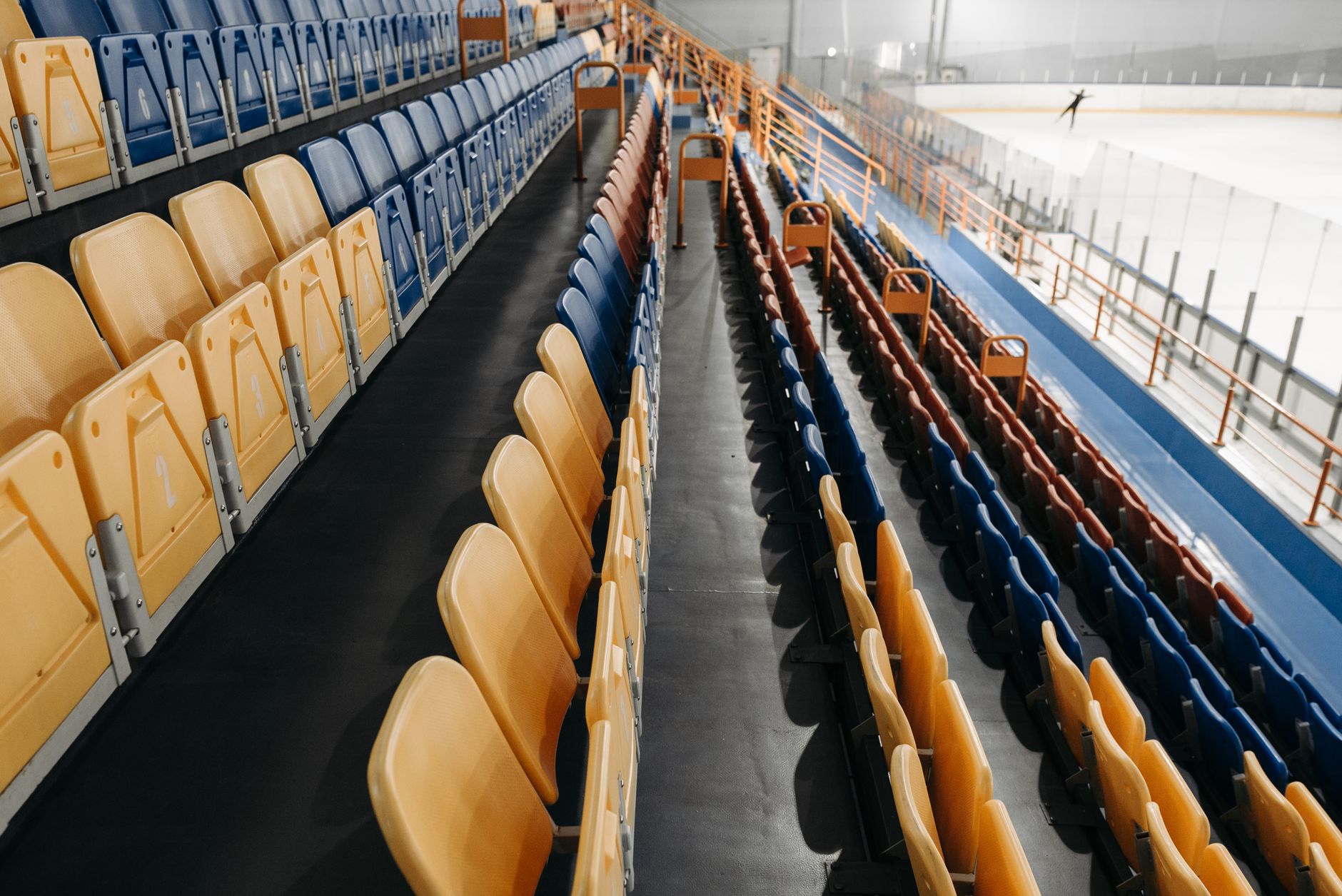
That is why automation in large event facilities is starting to look less like a gadget purchase and more like a building-operations decision. On May 20, 2026, Honeywell and the NHL announced a multi-year global partnership to modernize arenas, practice facilities, and community rinks with building automation and energy-management technology. In the league’s announcement, the stated goals included managing rising power and cooling demands, improving uptime for revenue-critical operations, and enabling reliable, uninterrupted events.
The timing matters. The same NHL announcement said more than 23 million fans attended regular-season games in the 2025-26 season, the fourth consecutive year of record attendance. When a venue is carrying that kind of live-event load, operators start to view automation through a harder lens. Not novelty. Repeatability, control, and resilience.
Why has building automation moved to the center of the venue conversation?
Because arenas are complicated buildings before they are entertainment products. They are part sports venue, part broadcast plant, part foodservice operation, part high-security public assembly space, and part logistics machine. When one layer slips, the guest feels it fast. A line stalls, a concourse gets sticky, a restroom falls behind, a loading corridor backs up, or the bowl gets uncomfortable.
The Department of Energy says buildings consume 75 percent of U.S. electricity and 40 percent of total U.S. energy use. That broad national number matters in venue operations because arenas compress many energy-intensive systems into a single asset. Lighting, HVAC, refrigeration, kitchens, clubs, back-of-house rooms, digital signage, and broadcast infrastructure all pull on the same building spine.
The venue industry has also been pushing toward better measurement for years. In a Department of Energy article on sports venues, the authors said the biggest challenge was often not interest but data. Many venues were taking steps to improve performance, but lacked peer benchmarks and consistent measurement. That is one reason operators are now drawn to automation that feeds a wider building-operations stack. They want better control, but they also want cleaner operating signals.
Uptime is the part of automation executives can explain in one sentence
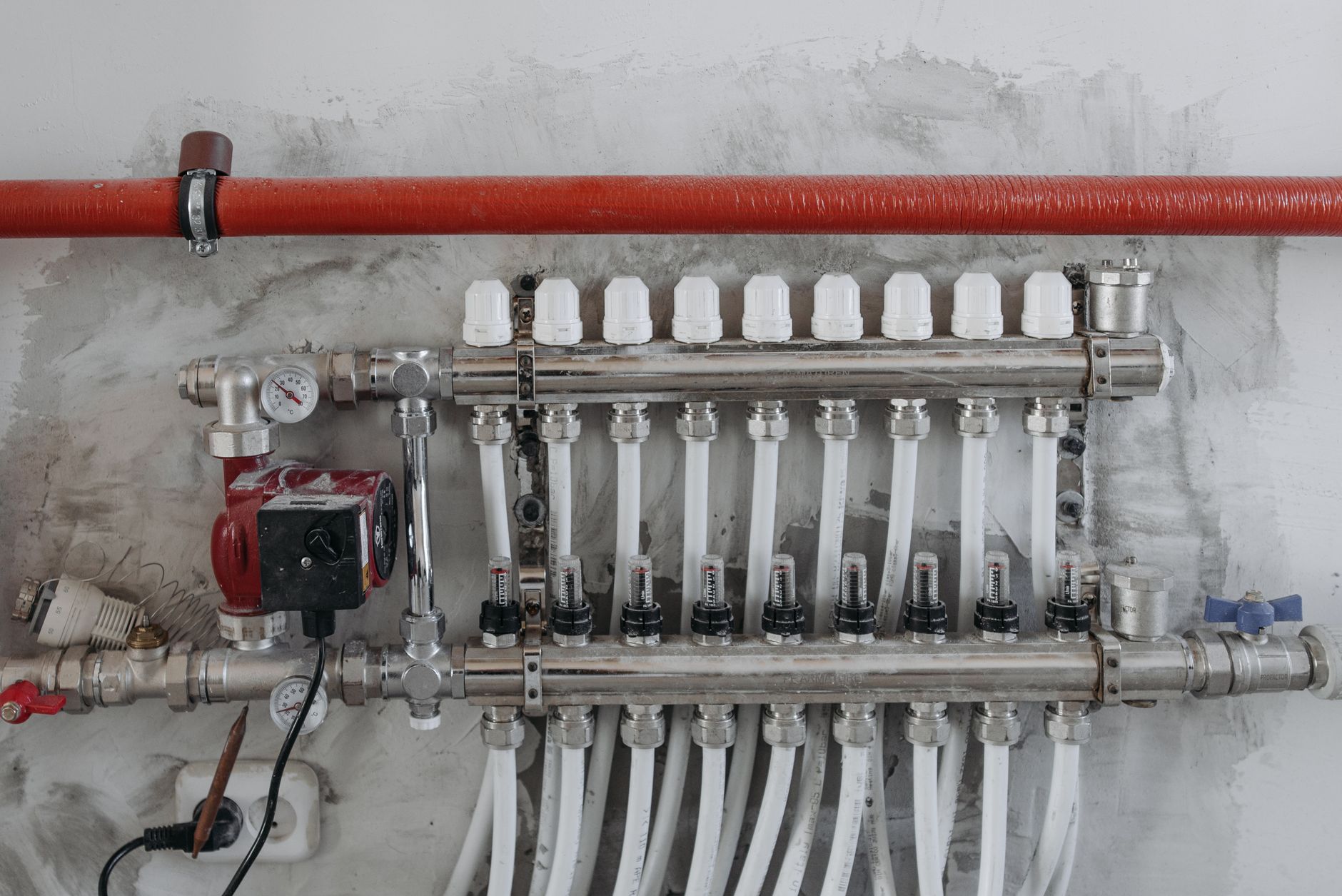
Arenas live on scheduled certainty. The doors open at a fixed time. The ice, court, bowl, clubs, kitchens, premium spaces, and back corridors all need to be ready at once. A missed cleaning cycle or a poorly timed HVAC issue does not stay in engineering. It becomes an event problem.
That is why the Honeywell and NHL announcement was so revealing. It did not frame modernization as a future-facing luxury. It framed it around uptime for revenue-critical operations and reliable, uninterrupted events. That language lines up with how operators actually buy. They buy fewer avoidable failures, faster resets, and steadier performance on high-consequence days.
The same pattern shows up in campus sports facilities. Colorado State University’s 420,000-square-foot Moby Athletic Complex reported that after a major HVAC overhaul, total energy use fell from 50,000 to 23,600 MMBtu per year, a 52 percent reduction. Just as important operationally, the project improved temperature control in the arena even as loads swung on game days, while a competition pool that had to stay within plus or minus 1 degree kept operating as required. That is what operators mean when they talk about automation working. The system holds steady when the building gets stressed.
Energy has stopped being a facilities-only issue
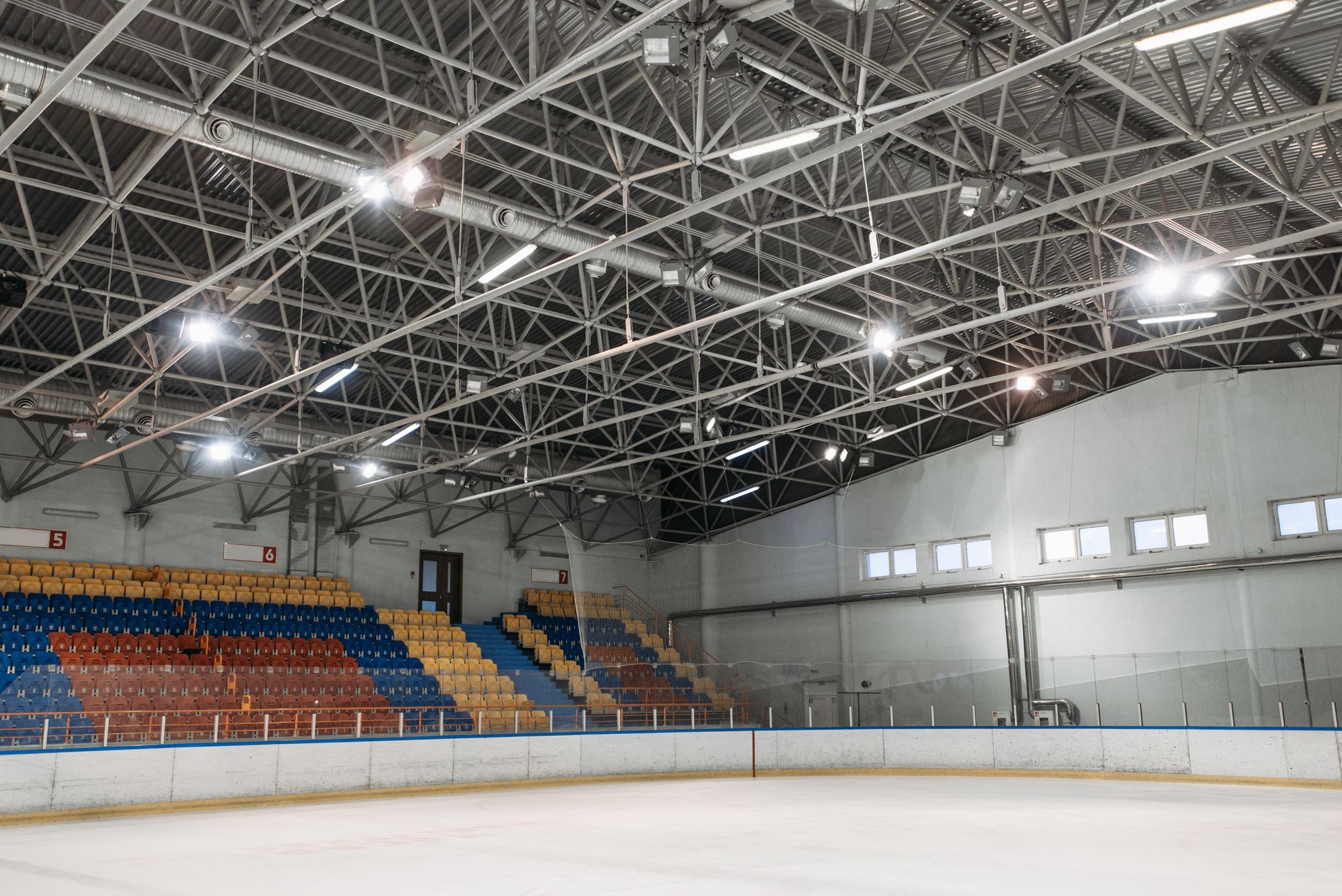
Energy in arenas is no longer just a utility line item. It touches event margins, capital planning, sponsor narratives, and even scheduling flexibility. In Sports Business Journal’s May 20, 2026 coverage of the NHL partnership, league and partner executives pointed to larger LED boards, more servers, more broadcast equipment, and other technology loads as drivers of additional energy use and heat inside arenas. The article also reported that energy costs at some municipal rinks had risen anywhere from 11 percent to 70 percent.
That helps explain why operators are broadening the definition of automation. They are not only looking at controls inside the central plant. They are also looking at any repetitive building task that can be measured, scheduled, and verified. For some facilities, that means smarter sequencing in HVAC and access control. For others, it also means a commercial cleaning robot rental program, large venue cleaning robot coverage for concourses, or a stadium cleaning robot rental approach tied to overnight floor care and event turnaround cleaning.
In other words, the budget owner increasingly sees one operating picture. If the venue can reduce wasted runtime, smooth overnight labor, and recover floors faster after an event, that is all part of the same drive toward better cost control and steadier building performance.
Cleaning is where the automation case becomes concrete fast
Cleaning is one of the first automation categories that makes immediate sense in arenas because the work is repetitive, visible, and brutally time-bound. Post-event floor recovery is not abstract. It happens after the crowd leaves, often across long concourses, club areas, entries, and other hard-surface zones that need to be ready again by morning or before the next event block.
Labor pressure sharpens that case. The Bureau of Labor Statistics says the U.S. had 2,447,700 janitors and building cleaners in 2024, yet it still projects about 351,300 openings each year on average from 2024 through 2034, largely from replacement needs. It also notes that these workers commonly cover evenings, nights, and weekends. That is almost a direct description of arena turnover work.
For operators, this is where phrases like overnight cleaning no operator, autonomous floor scrubber rental, commercial cleaning robot rental, and robot as a service stop sounding like marketing copy and start sounding like staffing strategy. A night shift autonomous scrubber is not a full janitorial program on its own, and serious operators know that. What it can do is give the facility a dependable base layer for wide, repetitive floor work, so human crews can focus on detail cleaning, spills, restrooms, stairs, seating, and exception handling.
This is also why financing format matters. Some venue teams prefer robot leasing for business or robot rental monthly structures because those align more cleanly with operating budgets and seasonal demand than a straight capital purchase. A floor scrubber monthly lease, maintenance included, is easier to model when the real question is how to protect cleaning consistency across a packed event calendar.
Why are venue teams thinking in stacks instead of single machines?
Because one robot does not solve a venue problem by itself. Operators are learning to ask a better question. How does this automation fit the building stack, the staffing model, the service response plan, the charging map, the event calendar, and the reporting cadence the property already uses? That is a much healthier procurement posture than chasing a unit demo in isolation.
The NHL news hook points in that direction. The partnership was framed around integrated building automation, life safety, security, access, and energy management. Arena operators are increasingly applying the same logic to robotics. A large venue cleaning robot has to fit traffic patterns, dock practices, floor types, overnight windows, and the way supervisors verify completed work. The machine matters, but the operating system around it matters more.
This is where a full-service model earns its place. Service Robot Co. works as a vendor neutral robot integrator for U.S. businesses, which is especially useful in mixed, high-pressure environments like arenas. Instead of forcing one manufacturer into every use case, the company can match the job to the right equipment, then handle robot deployment and integration, site assessment mapping, go live support, staff training, and service through a nationwide U.S. engineer network. For operators, that means one partner, one number, and a clearer path from pilot to steady-state operations.
What a practical arena automation program looks like now
The practical arena playbook is narrower than the hype and smarter than the old pilot model. Operators start with tasks that are repetitive, measurable, and operationally painful. Concourse floor care. Back-of-house transport loops. Overnight coverage gaps. Energy and comfort issues that worsen under event loads. Then they connect those tasks to real outcomes such as reset time, completed square footage, avoided overtime, fewer missed service windows, or lower runtime on major systems.
A strong rollout also respects the venue calendar. The right program does not force a building shutdown. It phases around events, tests routes when traffic is low, trains supervisors before go live, and defines who responds when something fails at 2 a.m. That is why the best buyers ask about commercial robot repair service, on-site dispatch, remote triage, emergency response nationwide, and loaner or backup coverage before they ask about cosmetic features.
For some venues, the right entry point is a stadium cleaning robot rental or convention center cleaning robot style program adapted to concourses and premium spaces. For others, it is a broader building-operations review that pairs automation with controls, access, and energy work. The important shift is conceptual. Venue automation is no longer being framed as a stand-alone robotics bet. It is being evaluated as part of the operating stack that keeps the building open, presentable, efficient, and ready for the next crowd.
That is why arena operators are reframing the conversation now. The case has moved beyond curiosity. The facilities that win on automation over the next few years will not be the ones that bought the flashiest unit. They will be the ones that tied automation to uptime, energy discipline, event turnaround cleaning, fan operations, and lifecycle service from day one.
Frequently asked questions
Sources
- NHL announcement on Honeywell partnership
- Honeywell press release on NHL venue partnership
- Sports Business Journal coverage of NHL and Honeywell deal
- U.S. DOE on buildings sector energy use
- U.S. DOE on energy and water efficiency in sports venues
- BLS janitors and building cleaners outlook
- DOE Better Buildings case study on CSU Moby Athletic Complex
Service Robot Co. is not affiliated with, sponsored by, or endorsed by the companies mentioned in this article.