Key takeaways
- The next hotel robot edge is often tighter coordination with building systems, not a flashier unit.
- Honeywell launched connected-hotel offerings on June 16, 2026, then said on July 23, 2026 that hospitality helped drive 13% order growth in Building Automation.
- According to Honeywell and DOE sources, occupancy-aware controls can cut guestroom energy use materially, which changes the ROI math for robot programs.
- Hotels that treat robots as part of a property operating stack usually get better uptime, cleaner handoffs, and less staff friction.
The real advantage is coordination, not theater
Hotels should watch building-automation convergence because the next operational advantage is likely to come from robots that know what the building knows. A delivery run matters more when the robot can read access permissions, elevator logic, room status, occupancy signals, and service priorities instead of moving through the property as a disconnected gadget.
That shift is already visible in the market. On June 16, 2026, Honeywell said it launched connected-hotel offerings that bring together access control, guestroom systems, energy management, and hotel operations in one cloud-based environment. Then, in its second quarter results published on July 23, 2026, Honeywell said Building Automation orders increased 13% year over year, led by growth in data center and hospitality verticals. Buyers should read those two facts together. Hotels are not only buying devices. They are buying coordination.
For robot buyers, the implication is plain. A hotel delivery robot rental or service robot rental program can look modest on paper if you measure only labor minutes per trip. The economics improve when the same deployment also trims failed handoffs, reduces door and elevator friction, sharpens room-status accuracy, and cuts wasteful conditioning in empty spaces. That is the systems-convergence case.
Why does building automation change the robot ROI?
A standalone robot usually attacks one task. A connected robot changes the surrounding workflow. That distinction matters in hotels, where the real cost often sits in interruptions, retries, staff walking, and energy waste hiding between departments.
Consider how many hotel events are already data events. A room is occupied or unrented. A guest has checked in but has not yet entered. A door has opened. A thermostat has shifted to setback mode. Engineering has cleared a ticket. Housekeeping has released a room. Access rights have changed for a service corridor or elevator bank. When a robot can react to those signals, its route, timing, and permissions get sharper without adding another headcount layer.
This is also why flashy demos can mislead buyers. A robot that navigates a lobby elegantly but does not coordinate with access control, room status, and building logic may still leave staff babysitting exceptions. The better question is not, Can the robot move? It is, Can the hotel operate differently because the robot is tied into the rest of the property stack?
Where access control changes the operating picture
Access control is one of the clearest examples of convergence paying off. When building and robot workflows stay separate, a simple delivery can collapse into badge exceptions, elevator calls, or staff escorts. That erodes the labor case fast.
Honeywell said its June 16 launch extended connected access across locks, readers, gateways, and software into a single platform, with real-time visibility and mobile entry features. For hotel operators, that matters beyond guest entry. It points to a property model where service permissions, shared-space access, and exception handling become more dynamic and more auditable.
For robots, that can mean fewer dead-end trips and fewer manual interventions. A room service robot or amenity delivery robot should not arrive at a locked threshold and wait for a human rescue. It should move inside a workflow where access permissions, dispatch timing, and destination readiness are coordinated ahead of arrival.
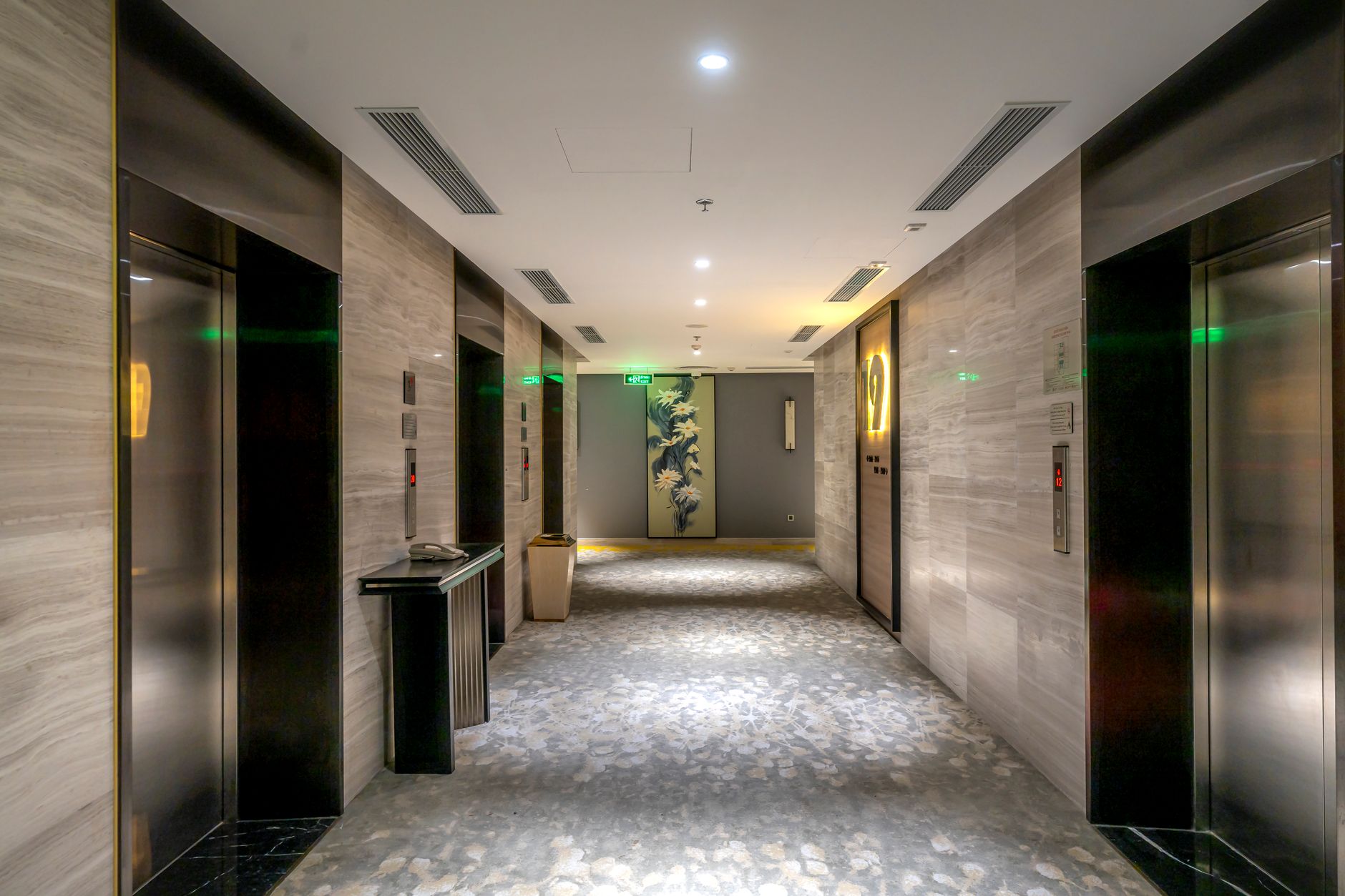
The operational upside is bigger in multi-floor properties. Delivery robot for elevators is not only a hardware question. It is a building-permission question. Once elevators, corridor access, and service timing are aligned, the same robot can cover more rooms per shift with fewer recoveries.
HVAC, occupancy, and room status are the quiet ROI drivers
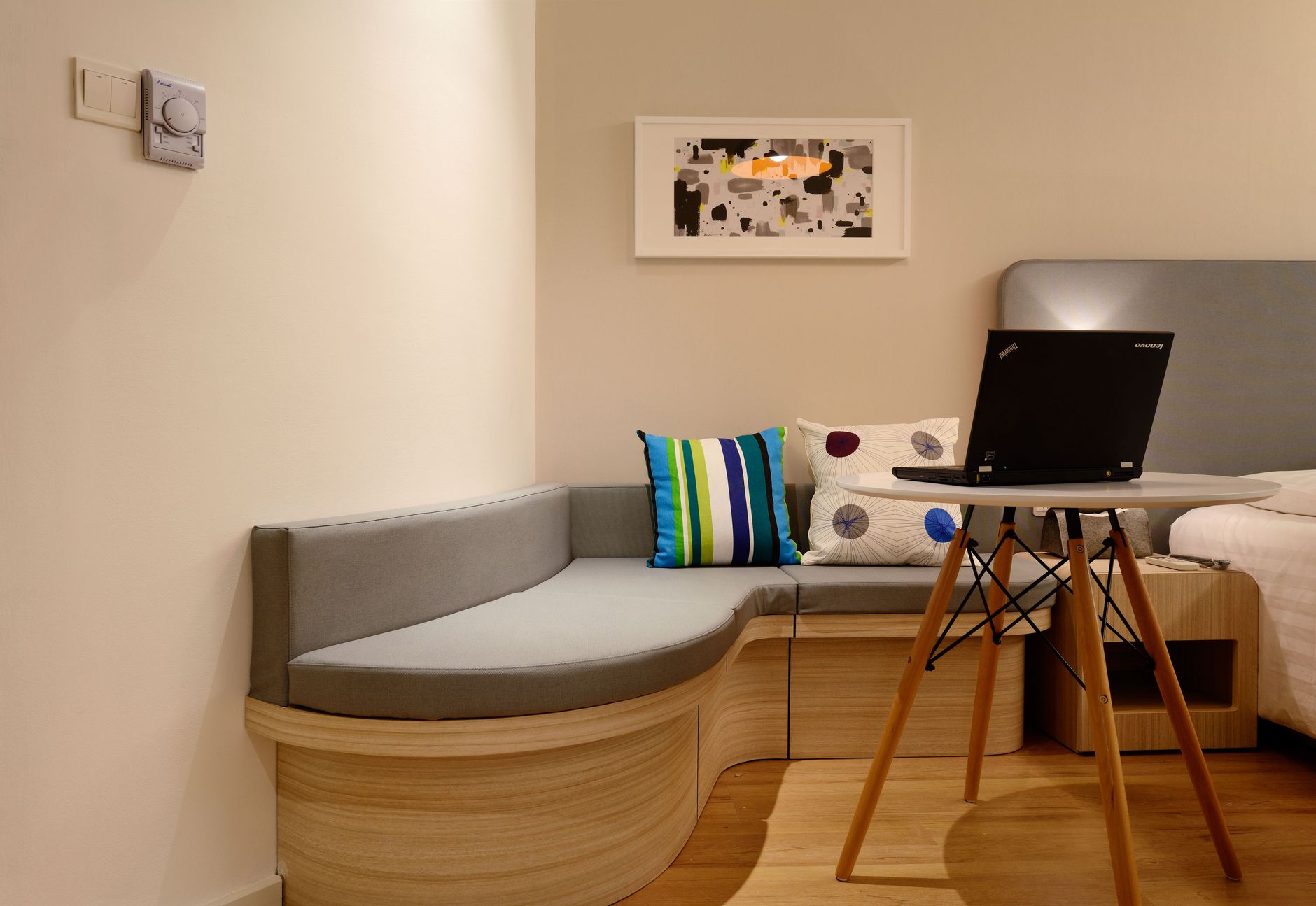
Energy rarely headlines a robot pitch, but it should sit in the business case. According to Honeywell's hospitality materials, hotels using a networked energy management system can see 25% to 40% energy savings, while even a standalone occupancy-based system may deliver 10% to 25% savings. Those figures matter because convergence lets a hotel tie operational movement to room conditioning and occupancy logic instead of treating them as separate domains.
Honeywell also points to a third-party Washington Hilton study showing its networked system used 41% less HVAC energy than a standalone system in a six-month metered analysis. That is not a robot metric. It is more important than a robot metric, because it shows how much value sits in coordination across systems hotels already own.
The U.S. Department of Energy adds the broader controls context. DOE says high-performance building controls have been shown to reduce HVAC energy use in commercial buildings by 30%. In other words, buyers who evaluate a robot program without looking at controls integration may be ignoring one of the largest adjacent pools of savings on the property.
In practice, a connected hotel can sequence work more intelligently. If a room is unrented, HVAC can stay in deeper setback until the room is truly needed. If a guest has checked in but not arrived, delivery timing can wait. If a service request is cleared, the robot can stop carrying the wrong payload to the wrong floor. The savings come from avoided waste as much as from labor substitution.
Why buyers underestimate system-level upside
Hotels often buy robots through an operations lens and building controls through an engineering lens. That split makes sense organizationally, but it hides compounding value. Each team can justify its own project, yet neither side gets credit for the gains created when the two systems inform each other.
Another reason is that ROI models stay too narrow. Buyers count deliveries per hour, but not retries avoided by better access logic. They count labor minutes saved, but not the guest-recovery cost of a missed handoff. They count the robot, but not the reduction in empty-room conditioning enabled by cleaner room-state data and occupancy-aware triggers.
There is also a procurement habit at work. Hotels still tend to compare units, specs, and monthly payment programs as if the equipment itself were the whole purchase. For many properties, the harder part is robot deployment and integration: mapping workflows, tying into building systems, setting exception rules, training staff, and keeping uptime high after go-live. The unit matters. The operating model matters more.
What should a hotel ask before it expands a robot fleet?
The practical test is not feature count. It is integration depth. Before a hotel scales a robot as a service program, it should ask how the robot will behave inside the property's actual control stack and service routines.
A useful evaluation list includes the following questions.
- Can the robot consume room-status, occupancy, or work-order signals from existing hotel systems?
- How are elevator permissions, corridor access, and after-hours restrictions handled?
- What happens when a room changes state mid-run, such as check-in, do-not-disturb, or maintenance hold?
- Can engineering and housekeeping see the same exception events the robot sees?
- Who owns support across deployment, integration, training, and field service when the issue is between systems, not inside one box?
Why an OEM-neutral integrator matters more in convergence projects
This is where Service Robot Co. fits naturally. Hotels pursuing system convergence do not just need a machine. They need a full-service commercial robot integrator that can match the right hardware to the building, then carry the project through finance, deployment, integration, training, and long-term service.
Because Service Robot Co. is OEM-neutral, the property is not forced into one manufacturer's view of how the stack should work. The job is to pick the right robots across manufacturers, then make them operate coherently with the hotel's access control, HVAC, and building systems. That is especially relevant for operators exploring hotel delivery robot rental, robot leasing for business, or lease rental or sale structures where maintenance included and one partner one number reduce the burden on local teams.
The nationwide U.S. engineer network also matters once the project moves beyond pilot mode. Convergence projects fail when field support is fragmented. A buyer may have one vendor for the robot, another for controls, another for access, and nobody eager to own the gray area between them. One vendor for the whole lifecycle is not just convenient. In many cases it is what keeps the property from stalling at the first cross-system fault.
Start with one workflow where the building already knows the answer
The best entry point is rarely the most theatrical one. It is the workflow where the building already holds useful state data and where staff spend too much time clearing avoidable friction. In many hotels that means amenity runs, back-of-house transport, or repetitive deliveries tied to room readiness, occupancy, and access rules.
A narrow start keeps the integration discipline sharp. The property can prove how robot fleet management, room-state triggers, access permissions, and service escalation work together before expanding to adjacent tasks. That is how buyers avoid paying for motion while missing the larger value in coordination.
Honeywell's June and July 2026 signals are worth watching for exactly this reason. They suggest hospitality is leaning further into connected operations, not less. Hotels that treat robots as one node inside that connected operating fabric are likely to get more durable returns than those still shopping for spectacle.
The headline, then, is simple. The next hotel robot advantage may not be the robot that looks newest. It may be the one that is most tightly wired into how the building already thinks.