Key takeaways
- The H-2B visa program for 2026 left a significant labor gap for seasonal hotels, as demand far outpaced the 64,716 supplemental visas offered.
- Hotels are increasingly turning to commercial robots for cleaning and delivery to maintain operations amidst staff shortages.
- Robotic solutions can offset rising labor costs and the inability to fill roles, with a clear return on investment.
- An experienced robot integrator can help hotels deploy the right automation without significant upfront capital.
- Automation handles repetitive tasks, allowing human staff to focus on high-value guest interactions.
The 2026 H-2B Visa Cap: A Critical Labor Shortage for Hotels
The H-2B visa program, a critical lifeline for seasonal businesses, is facing unprecedented demand in 2026, leaving many US hotels in a difficult position. In early 2026, the Departments of Homeland Security (DHS) and Labor (DOL) announced the release of up to 64,716 additional H-2B visas for fiscal year 2026. These were intended to aid businesses facing 'irreparable harm' from a lack of workers.
However, the relief was short-lived. Demand for these essential non-immigrant workers vastly exceeded the supplemental supply. During the January 2026 filing period alone, the DOL received applications for over 162,000 positions, far more than the available visas. Consequently, the caps for each allocation were met within weeks, sometimes even days, leaving many hotels without the necessary staff for their peak seasons.
This annual squeeze places hotel operators in a precarious situation. Without sufficient staff for housekeeping, room service, and other essential roles, they face the risk of reduced service quality, negative guest experiences, and ultimately, lost revenue. The competition for workers is fierce, and the H-2B lottery system offers no guarantees. This staffing crisis is forcing the hospitality industry to look for reliable, long-term alternatives.
Can Robots Realistically Fill the Staffing Gap?
With traditional labor sources constrained, many forward-thinking hotel managers are turning to automation. Commercial robots designed for cleaning and delivery are no longer a futuristic concept; they are a practical response to persistent labor shortages. These autonomous mobile robots (AMRs) can handle the repetitive, physically demanding tasks that are often the hardest to staff.
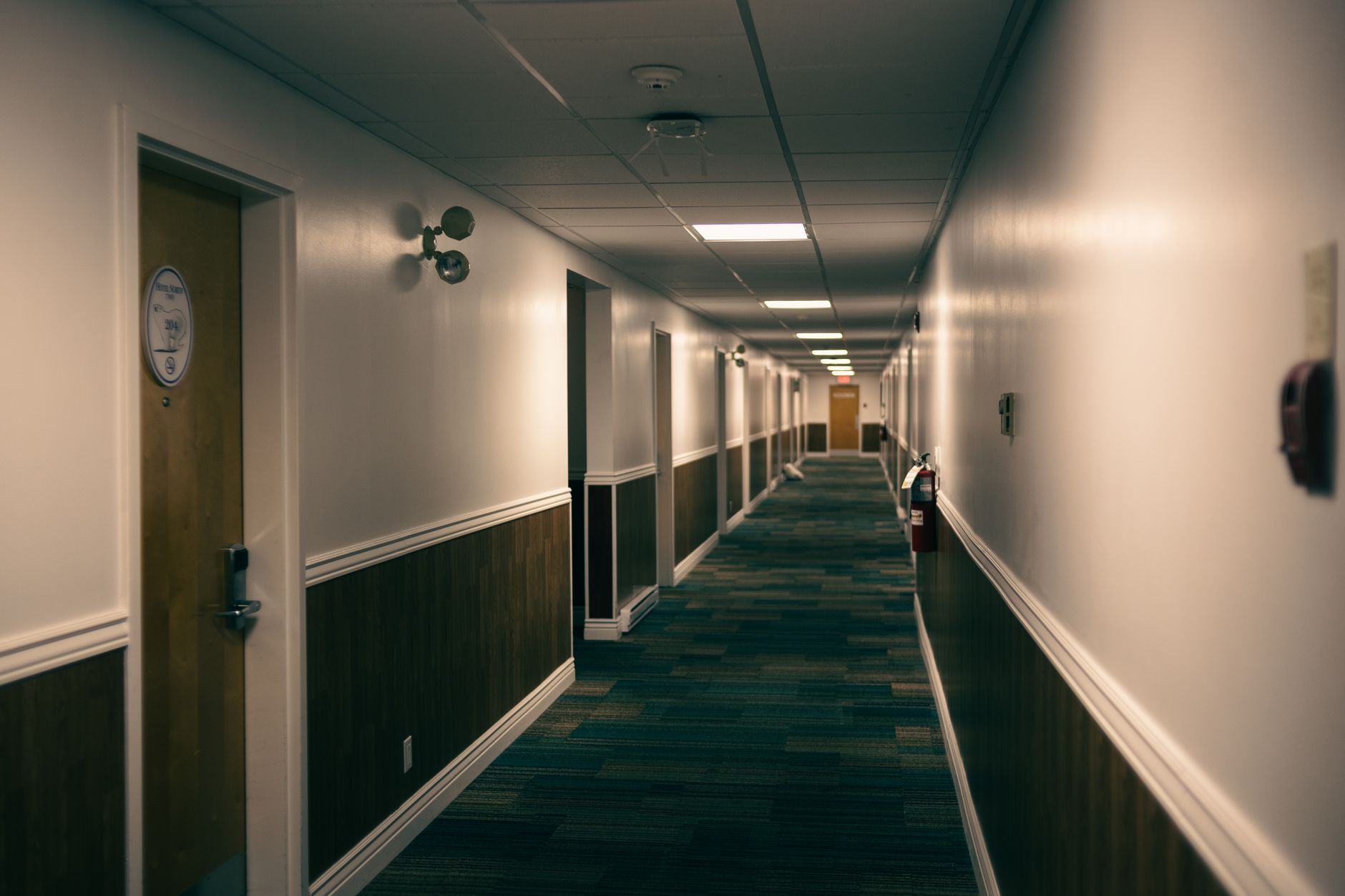
Autonomous floor scrubbers can clean large areas like lobbies, hallways, and event spaces overnight with no operator. This ensures a consistently high standard of cleanliness without pulling staff from other duties. Similarly, room service robots can handle the delivery of amenities, meals, and linens, navigating elevators and hallways to bring items directly to guests. This frees up human employees to focus on more complex, guest-facing interactions that define the hospitality experience.
What is the Financial Case for Hotel Robots?
The move toward automation is not just about filling empty shifts; it is a strategic financial decision. According to STR Global, labor costs can consume around 33% of a hotel's total revenue. When positions go unfilled, the cost of overtime for existing staff and the potential for burnout rise significantly. Robots offer a predictable, consistent operational cost.
While purchasing a fleet of robots can involve significant capital, flexible models like Robot as a Service (RaaS) provide a more accessible path. A monthly subscription can be more manageable than the fluctuating costs of recruitment, wages, and benefits for temporary staff. Some studies show that the annual operating costs for robots can be up to 35% lower than equivalent human labor. Many properties report a return on investment within 6 to 18 months, especially when automation allows them to maintain full operational capacity during peak seasons.
How Does a Hotel Get Started with Automation?
Introducing robotics into a hotel environment requires careful planning and execution. The process begins with identifying the specific operational bottlenecks caused by labor shortages. Are room turnarounds too slow? Is room service delayed during peak hours? Answering these questions helps pinpoint where automation will have the greatest impact.
This is where a vendor-neutral robot integrator becomes essential. Instead of being locked into a single manufacturer, an integrator assesses a hotel's unique needs, including its size, floor plans, and existing workflows. They can then recommend the most suitable robots from across the market. As a full-service commercial robot integrator, Service Robot Co. manages this entire lifecycle. We assist with financing, deploy the units, integrate them with hotel systems like elevators and doors, and provide comprehensive training for staff.
What Does a Robot Deployment Look Like?
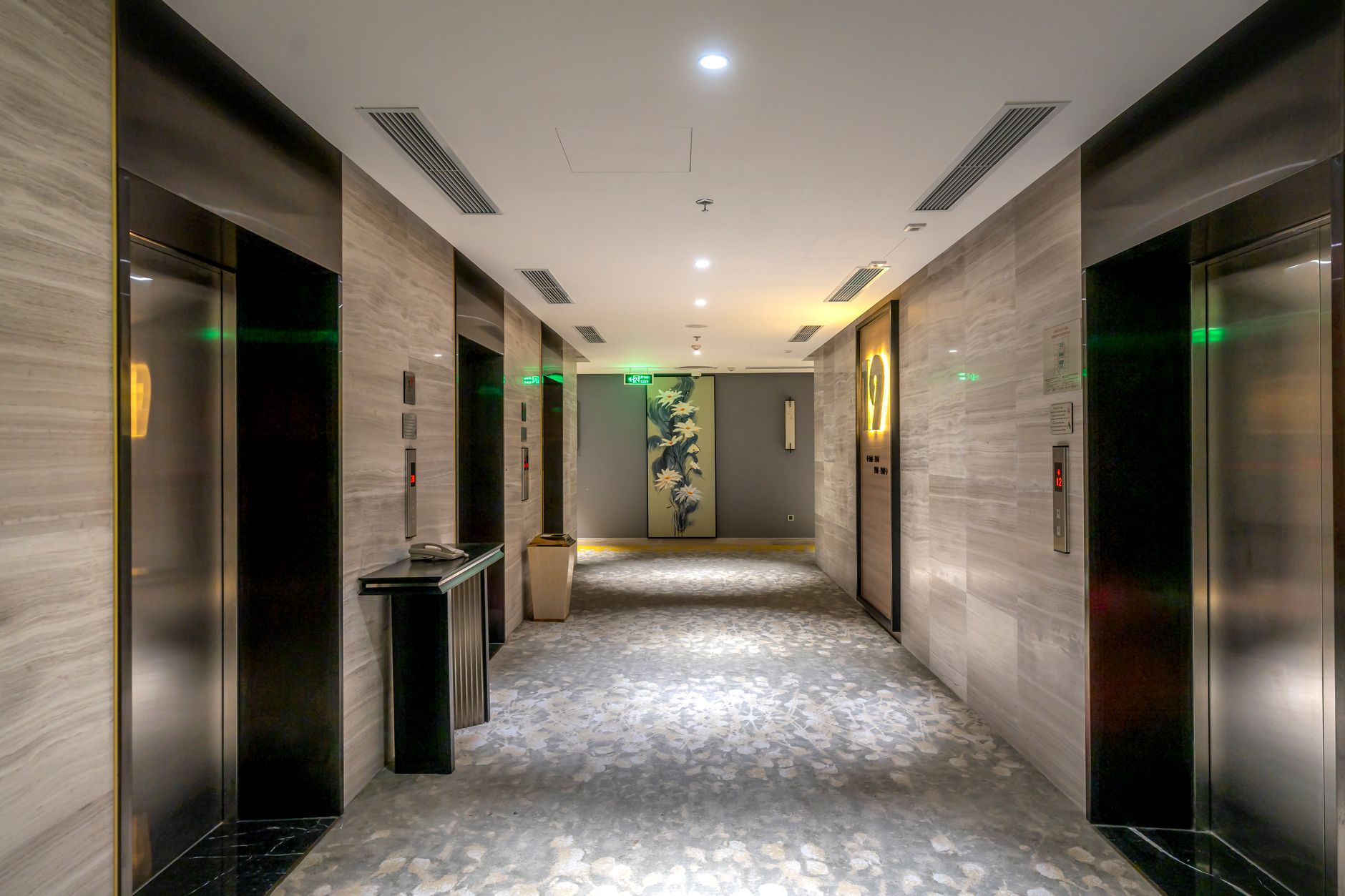
A successful deployment is a phased process designed to minimize disruption. It starts with a detailed site assessment and mapping to ensure the robots can navigate the environment effectively. A pilot program is often recommended, allowing the hotel to test the robots in a limited area to measure performance and gather feedback from staff and guests.
Once the concept is proven, the integrator manages the full-scale rollout. Go-live support ensures a smooth transition as the robots are integrated into daily operations. This turnkey approach means the hotel has one point of contact for the entire project, from initial consultation to long-term maintenance. At Service Robot Co., our nationwide network of engineers provides on-site dispatch and remote triage, ensuring that the robotic fleet maintains high uptime and continues to deliver value.
Will Robots Make Hotels Less... Human?
A common concern is that automation will diminish the personal touch that is the hallmark of hospitality. However, the goal of service robotics is not to replace human staff but to augment them. By taking over tedious and repetitive tasks, robots empower employees to devote more time and energy to meaningful guest interactions.
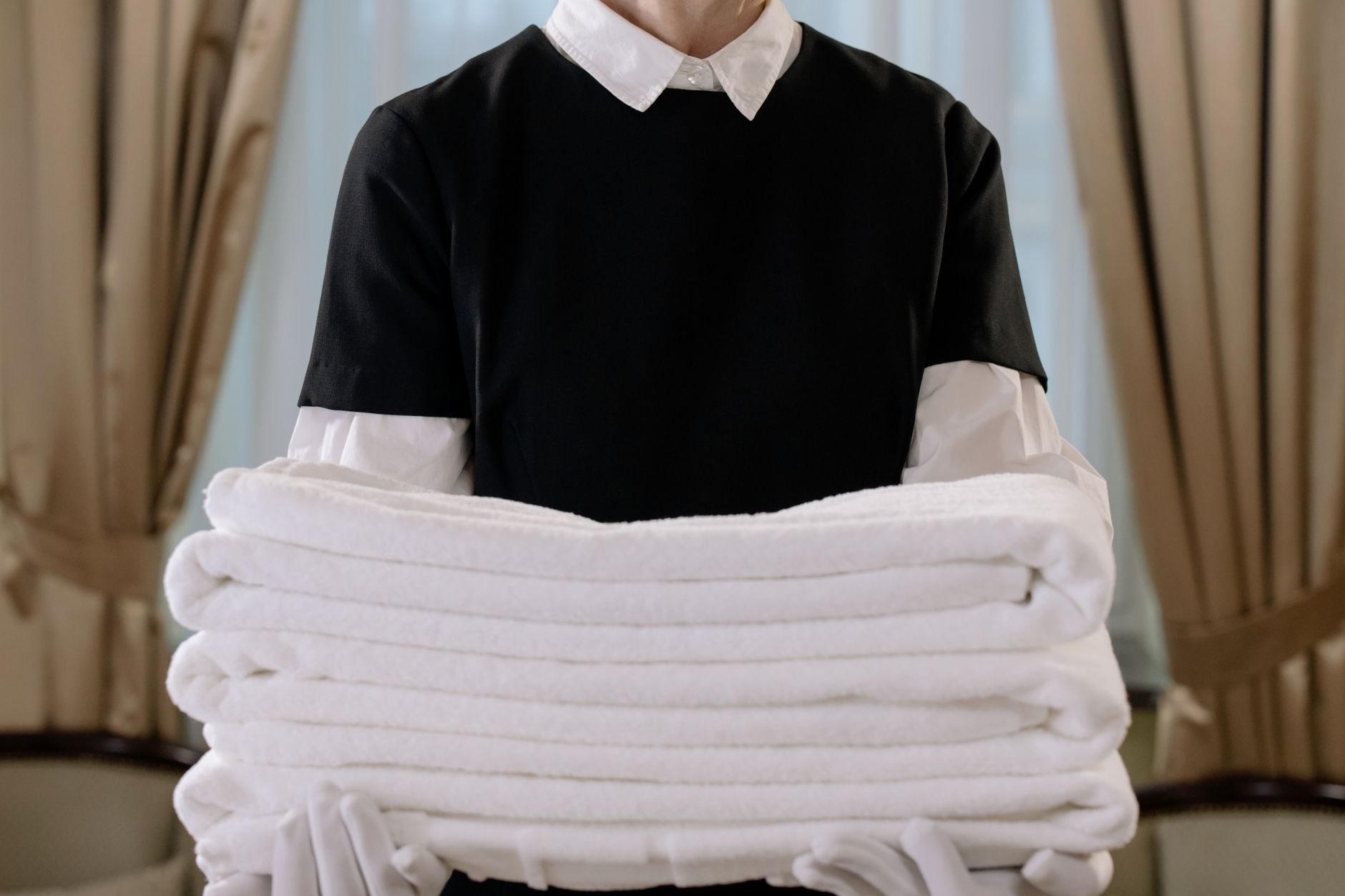
Instead of running towels to a room, front desk staff can engage with a guest about their stay. Instead of pushing a vacuum, a housekeeper has more time for the detailed touches that make a room feel welcoming. Guest reception to these technologies is often positive, with many viewing delivery robots as a fun and convenient novelty. The result is often a more efficient operation and a more satisfying experience for both staff and guests.
Frequently asked questions
Sources
Service Robot Co. is not affiliated with, sponsored by, or endorsed by the companies mentioned in this article.