Key takeaways
- YYFORCE announced on October 1, 2026 a hospitality service robot at Aloft by Marriott Langkawi Pantai Tengah in Malaysia.
- The hotel introduced the unit on its official LinkedIn as a new team member with guest-facing visibility.
- YYFORCE frames the test around task completion, reliability, staff adoption, and guest feedback.
- The company positions robotics as support for hotel teams, not a replacement for people-led hospitality.
- U.S. properties can pair amenity robots with overnight scrubbers when one integrator owns both programs.
What did Aloft Langkawi deploy in October 2026?
On October 1, 2026, YYFORCE Inc. announced that Aloft by Marriott Langkawi Pantai Tengah in Malaysia deployed a YY Circle Malaysia-branded hospitality service robot. The unit supports routine operational tasks in a live hotel environment.
The hotel featured the robot on its official LinkedIn account, introducing it as a new addition to the team. That public step matters for U.S. operators who worry about guest surprise in lobbies.
Bradenton-area resorts and spring-training hotels see the same question: can a robot assist staff without turning the front desk into a tech demo?
How does YYFORCE describe its workforce strategy?
YYFORCE states it is a technology-enabled provider of workforce solutions and integrated facility management services. The Langkawi deployment is framed as bringing service robotics into hospitality environments.
The announcement emphasizes a human-and-robot workforce model rather than full automation of guest touchpoints. YYFORCE says hospitality stays centered on people while robotics handles selected operational tasks.
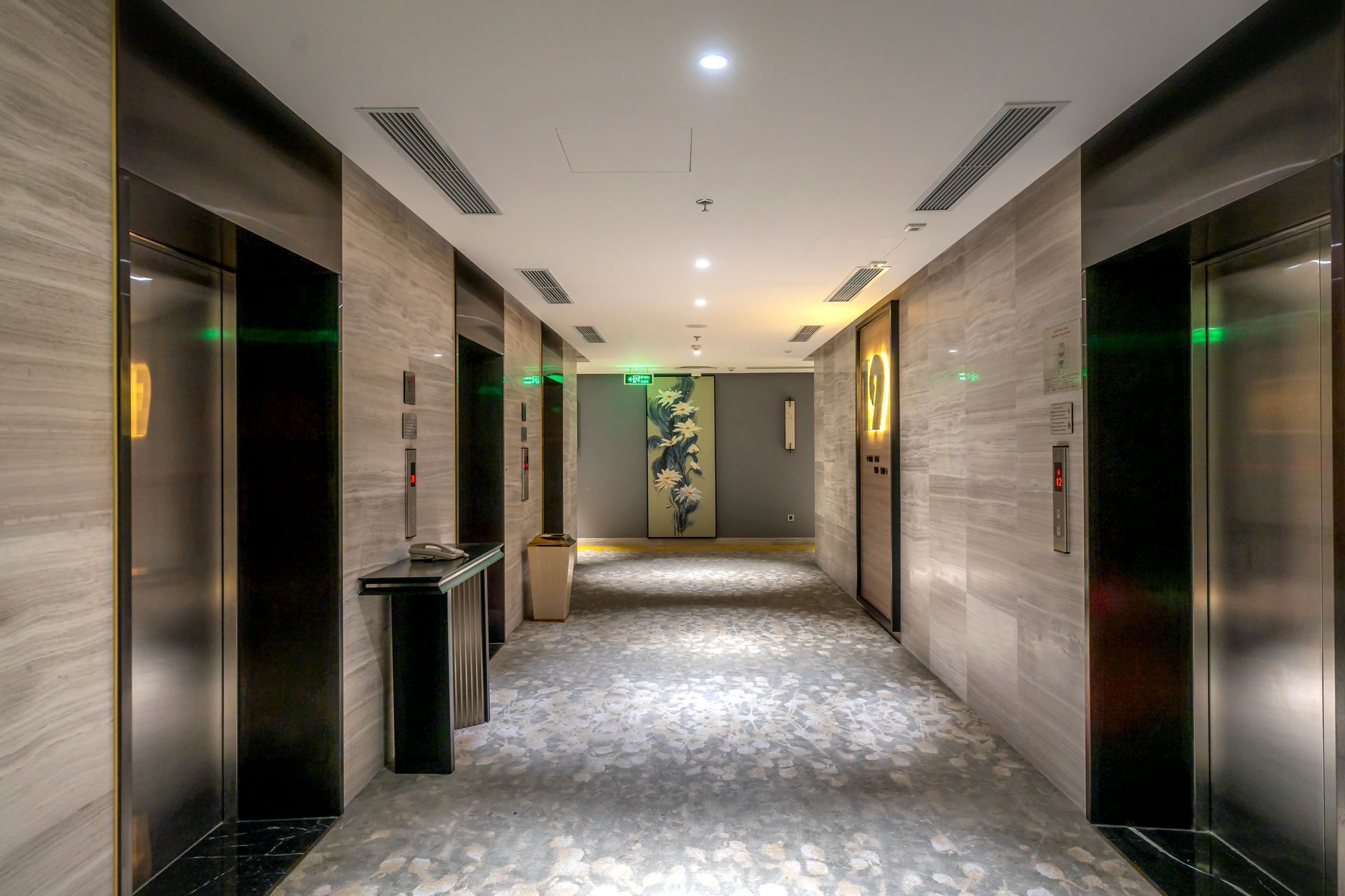
Copy that framing into union and HR conversations early. The vendor message and your employee handbook should match before the first guest sees the unit in an elevator bay.
Which metrics does YYFORCE say matter for this pilot?
YYFORCE lists evaluation areas including task completion, reliability, staff adoption, and guest feedback for the Langkawi site.
Those four buckets are more useful than a generic uptime chart. Task completion ties to housekeeping or amenity SOPs. Staff adoption predicts whether the robot becomes shelfware after week three.
Guest feedback should capture curiosity and friction separately. A robot that guests photograph every hour may still fail if it blocks luggage carts at check-in.
Build a simple weekly scorecard with those four headings before you expand beyond one property.
Why did the hotel go public on social media?
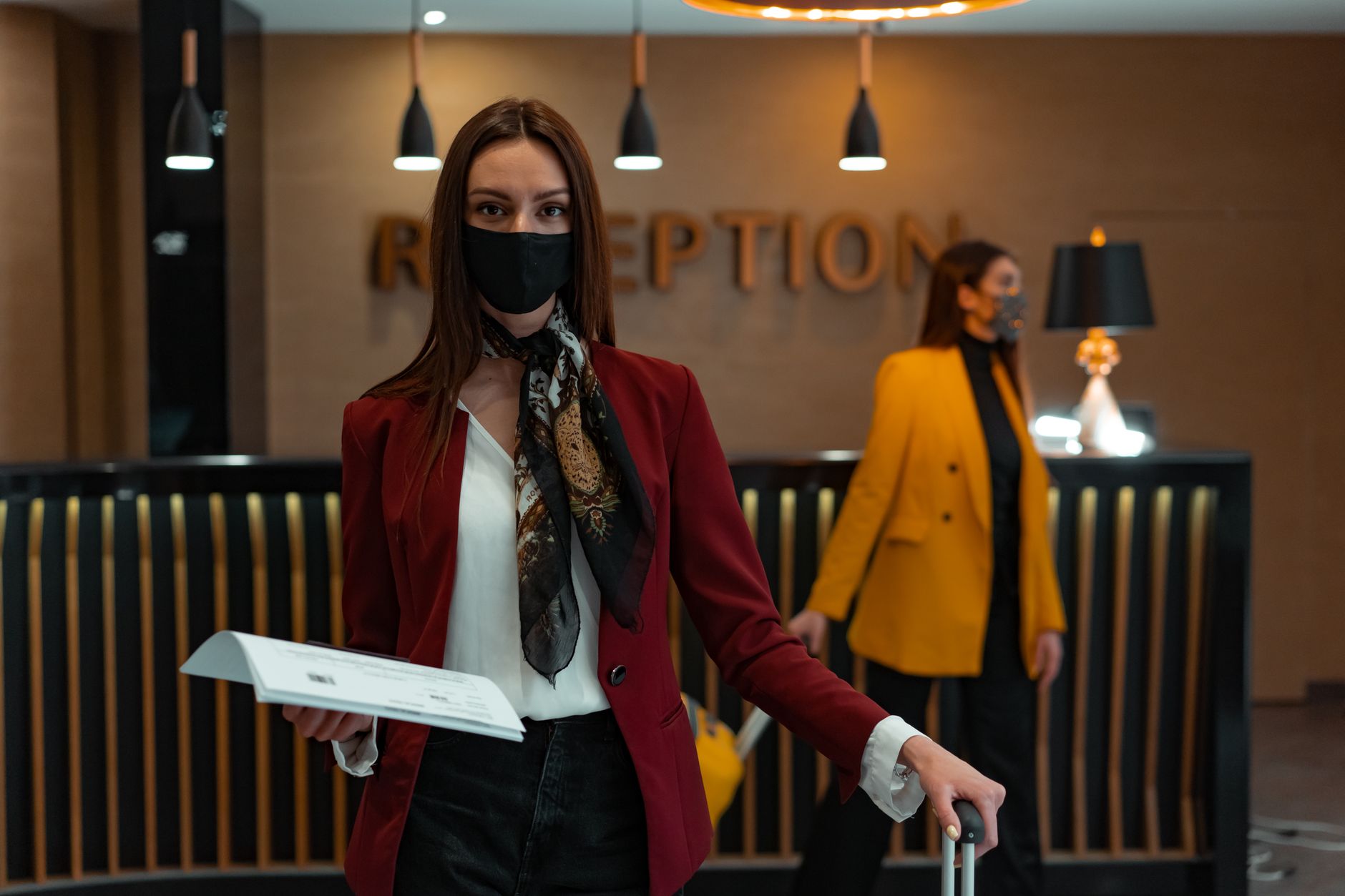
Aloft Langkawi Pantai Tengah posted about the robot on LinkedIn, according to YYFORCE. Social introduction can soften first impressions when the unit moves through public corridors.
U.S. brands may prefer a quieter soft launch, but the principle holds: communicate before guests encounter the machine mid-route.
Front desk scripts should explain what the robot does and does not do. Ambiguity creates complaints that belong in training, not on review sites.
If you film a welcome video, show real staff walking beside the unit, not only an empty hallway at midnight.
What tasks fit a hospitality service robot?
YYFORCE describes support for routine operational tasks without listing every SKU in the press release. Typical hotel pilots start with linen, amenities, or internal mail between floors.
Delivery robots from other vendors cover similar loops in U.S. hospitals and hotels. The Langkawi story is another data point that guest-facing properties are testing visibility deliberately.
Do not assign the first robot your messiest back-of-house route. Pick a predictable loop with clear loaders and receivers on each end.
Keep hot food and fragile glass off the first phase unless the vendor certifies compartments for your brand standards.
How does this relate to floor scrubbing programs?
Guest-facing service robots and autonomous scrubbers solve different problems. Scrubbers recover square footage overnight. Amenity robots cut repeat walks during service hours.
Flagship Aviation's 2026 airport expansion showed large properties often run both sweep-scrub portfolios and staff-focused automation. Hotels mirror that split on a smaller footprint.
Schedule scrubbers when lobby traffic is lowest and amenity robots when elevators are staffed enough to handle guest questions.
One finance package can cover both, but service plans should list different consumables and route owners per machine type.
What should U.S. hoteliers copy from Malaysia?
You do not need an identical YYFORCE contract to copy the evaluation discipline. Task, reliability, adoption, and guest feedback travel across borders.
Marriott-affiliated properties still follow brand standards and local labor rules. A Malaysia pilot informs RFP questions; it does not replace your own pilot data.
Ask vendors how they record guest interactions that block sensors, a lesson hospital AMR pilots also learned in 2026.
Limit phase one to one building wing with measured elevator wait times before you promise property-wide coverage.
Where does a vendor-neutral integrator fit?
YYFORCE supplies workforce technology and robotics for this deployment. Your U.S. site may also evaluate Pudu or other delivery lines, plus Gausium or Pudu scrubbers for ballrooms and back corridors.
Service Robot Co. selects robots across manufacturers, structures purchase or lease financing, maps facilities, trains teams, and supports fleets through RoboCare with a nationwide network of regional service engineers.
Public reporting names YYFORCE and Aloft Langkawi. It does not name Service Robot Co. We help domestic operators run the same scorecard without locking every job to one OEM.
What should you measure in the first 90 days?
Track completed amenity trips per day and compare them to the manual walks you logged in discovery.
Survey staff weekly on whether the robot changed who carries linens or minibar restocks.
Capture guest comments at checkout that mention the robot, positive or negative, with date and floor.
Log reliability events that required human retrieval of a stuck unit in an elevator or vestibule.
After 90 days, decide whether to add a second route or pair an overnight scrubber on the same property. Let adoption data lead, not press release cadence.
Frequently asked questions
Sources
Service Robot Co. is not affiliated with, sponsored by, or endorsed by the companies mentioned in this article.