
Looking at Robust.AI? Talk to us first.
One company picks the machine, leases it, deploys it, trains your crew and services it.
- All 50
- US states served
- 10 min
- 24/7 triage
- 24/7
- emergency response
Updated October 2026
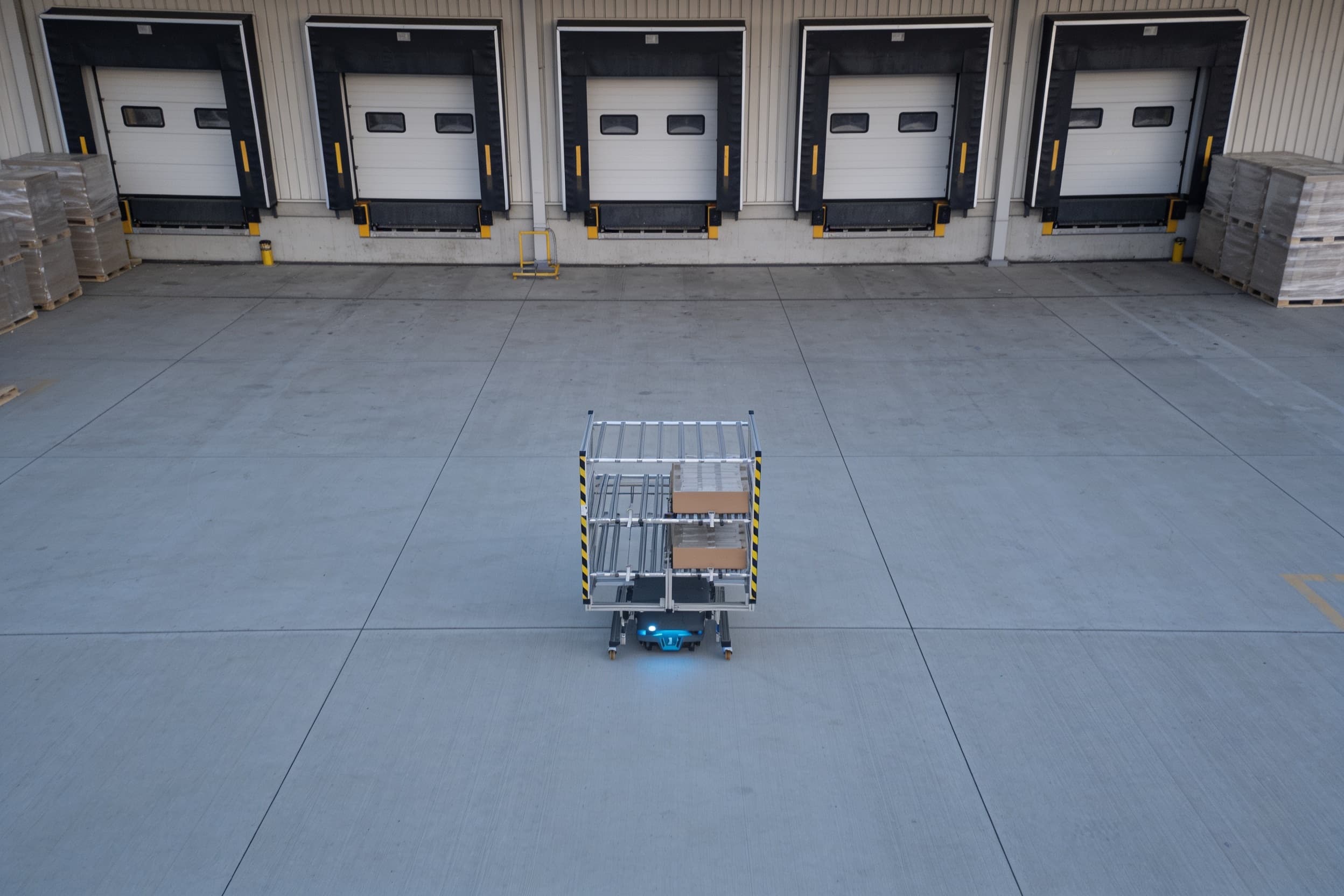
Robust.AI, founded in 2019, makes Carter, a camera-based collaborative cart robot for warehouses. Service Robot Co. is a different kind of company. We pick the right machine for your site, lease it on a 3-year lease with a $1 buyout, deploy it, train your crew and service it.
Who is Robust.AI?
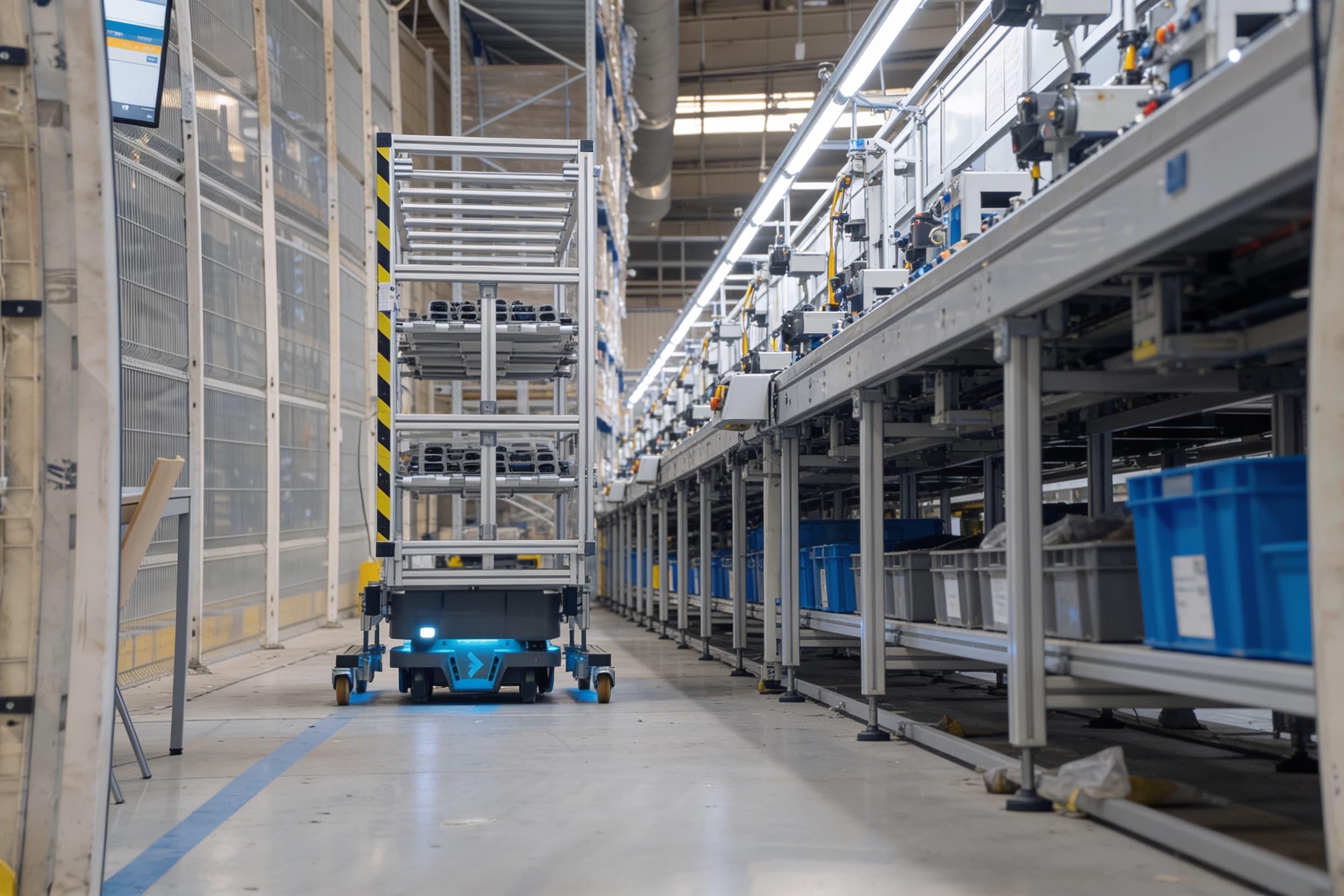
Robust.AI says it was founded in 2019 and that its flagship robot Carter combines a 360-degree array of visual cameras with a familiar cart form factor. Source
On August 17, 2026 it announced Marin Tchakarov as CEO, with co-founder Anthony Jules becoming Chief Innovation Officer. The release gives the change as an appointment, with no further reason. Source
Robust.AI is a different company from the AI-security firm Robust Intelligence and from AI robustness research, which share part of the name. Source
Service Robot Co. is not affiliated with Robust.AI, and this page is not from Robust.AI.
What does the company say about itself?
Outside sources, quoted and linked. Check each point on your own sites.
Robust.AI’s August 2026 release says the new CEO takes over as the company “marks the deployment of more than 100 Carter”
In a general post about warehouse robotics timelines, Robust.AI lists among common deployment issues: “Months of delays before measurable gains appear.”
Where does it fit on your site?
Where does a cart robot fit?
Robust.AI describes Carter as a collaborative mobile robot that works alongside people in dynamic warehouse environments, with workflows such as picking, conveyor loops, putaway and point-to-point transport. A cart-style robot suits 3PL and fulfillment floors with many tasks and changing orders. We check your aisles, traffic and workflows first, then decide if a cart fits. Source
What does no infrastructure change really mean?
The company says Carter needs no infrastructure changes. Even so, a site still needs network coverage, charging spots, floor markings for traffic and a plan for people crossing paths with the robots. We walk your floor, list what is needed and agree who does each item before go-live. Source
How does fleet software connect to your systems?
Robust.AI says it will launch a platform that turns Carter’s data into operational intelligence. Whatever the software, someone must connect it to your warehouse system, set permissions and handle updates. We scope that interface with your IT team up front and name the owner on both sides. Source
What do your people keep, and what about delays?
Your pickers keep the picking, and the robot keeps them moving. Robust.AI’s own post notes that deployments can hit delays from integrations and staff turnover. We plan training for new hires, handle service after go-live and keep one phone number for questions. Source
Why talk to an integrator first?
Going direct to one maker gets you that maker’s machine. Service Robot Co. starts from your site instead. We pick the right machine for it, lease it to you, deploy it, train your team and service it. One company owns the result.
Integrator, dealer or buying direct: how they compareHow does the lease work?
A 3-year lease with a $1 buyout at the end. You see the terms before you commit.
Assess
A free site assessment of the floors, routes and hours you want to cover. We look at the layout, the people and the work.
Lease
We pick the right machine for your site and quote a 3-year lease with a $1 buyout at the end.
Deploy and train
We map the site, set the routes and no-go areas and train your team to run the robot day to day.
Service
One number when something stops. Support, service engineers, check visits and a warranty are listed below.
What should you ask before you sign?
Ask these of Robust.AI, of us, or of anyone selling you a robot.
- Which workflows run at go-live, and which come in later phases?
- Who connects the fleet software to my warehouse system, and who owns it afterward?
- What network, charging and floor-marking work does my site need?
- Who trains new hires after the first rollout?
- Who services robots on site, and how fast does a specialist respond?
- What software or platform fees continue after go-live?
- What happens to my fleet and support through a leadership change?
- Would another kind of robot fit part of this job better?
RoboCare™
Service nationwide.
- 24/7 support.
- 10-minute technical-specialist triage.
- Regional service engineers in every state we service.
- 3 check visits a year.
- 12-month warranty.
Who should go direct to Robust.AI instead?
Going direct is the right call for some buyers. We would rather say so than take a lease that does not fit.
- You want cart-style collaborative picking specifically and are happy to work directly with its maker.
- You are a third-party logistics operator with a team that can own rollout and training.
- You want to see the maker’s new fleet software platform before choosing a machine.
- If no robot fits your site yet, we will say so at the assessment.
Common questions
Start with a free site assessment.
Tell us the site and the job. We walk it, tell you which robot fits and quote the lease before you commit.
Find the robot that fits your site.
Free site assessment. We tell you what actually works before you spend a dollar.