Key takeaways
- Buying direct gives you one brand and one relationship, and leaves setup, crew training and repairs with you.
- A dealer sells you the machine, and its service reach depends on the territory it covers.
- An integrator picks the machine across brands, then leases, deploys, trains and services it under one contract.
- Robot makers change hands in public, so ask every provider in writing what happens to your support if yours does.
- Four questions sort providers fast: who shows up, how fast, how often, and what happens if the maker changes hands.
What is the difference between an integrator and buying direct?
Buying direct means you deal with one manufacturer and take on setup, crew training and repairs yourself. A dealer sells you the machine. An integrator such as Service Robot Co. picks the machine across brands, leases it to you, deploys it, trains your crew and services it.
Those are three different company models, and each answers the question "who do I call when the robot stops?" in its own way. This guide walks through each model, what became public about three robot makers when their ownership or finances changed, and the questions worth asking any provider before you sign.
None of the three is wrong in every case. A grounds manager with one site, one brand already chosen and a technician on staff may be well served by going straight to the maker. The trouble starts when the job is bigger than one brand, one site or one person's spare time.
What does buying direct from a manufacturer involve?
You sign with the maker. That gives you one relationship and usually the deepest knowledge of that one machine. It also makes the maker's catalog your whole menu, and everything around the machine falls to you: surveying the site, mapping it, training your crew, charging and storage, and arranging repairs.
Direct models differ from maker to maker. According to BusinessDen, Scythe Robotics leases its M.52 mower to landscapers instead of selling it, and the base fee covers the mower, maintenance and operator guidance, with a separate charge for each acre mowed autonomously. FireFly's own website lists a leasing program, a service team page, parts ordering and a warranty claim form, and its support section shows a regional service technician with a truck.
Details like these matter because a direct relationship is only as strong as that one company's reach. If the nearest technician is a long drive from your site, or the training calendar is full, nobody else is accountable. Ask the maker which technician covers your site by name, and what happens when that person is already on another job.

Where does a dealer fit in?
A dealer sits between you and the maker. The dealer sells you the machine and, depending on the brand, may handle the site survey, setup and warranty work. How far that help reaches depends on the territory the dealer covers.
MowScout, an independent review site, says in its July 2026 guide to the Husqvarna CEORA that the machine needs a commercial dealer for site survey, EPOS setup and service. The same guide says that in a region with thin Husqvarna commercial coverage, support response is a real risk. That is one reviewer's view of one maker's dealer network, not a rule about every dealer. It does show the question to ask: who is the dealer for my area, and who covers the gap when that dealer is busy?
Dealers are typically organized around the brands they carry. Ask how a dealer would advise you if your site fit a different maker's machine better, and who would give you that advice if the answer is no one.
What does an integrator do differently?
An integrator starts with your site, not a catalog. At Service Robot Co. we walk your properties, work out what is open turf, floor or lane and what is detail work, and then pick the machine that fits, whichever company makes it. After that we lease it to you, deploy it, train your crew and service it.
The practical result is one contract and one phone number. The company that chose the machine is the company that answers when it stops, so there is no gap between the person who recommended it and the person who services it. Because an integrator is not tied to a single maker, the choice of machine can follow the site rather than the other way round.
That does not make an integrator the only sensible path. It makes it the path where selection, lease, deployment, training and service all sit with one company.
What happens if the robot maker changes hands?
Robot makers are young companies, and their ownership and finances change in public. Three examples show how differently that can play out for a customer who already installed the machines. We report what each source says and draw no conclusion about any company's finances.
On March 11, 2026, Autonomous Solutions, Inc. announced that it had acquired Scythe Robotics. The release says Scythe and its team will continue to operate as an equipment brand within ASI Landscaping, and Scythe's cofounder said customers mowing with the M.52 today will benefit from ASI's scale. BusinessDen reported on March 30, 2026 that neither side disclosed the price, that the M.52 is Scythe's only current model and that 75 landscapers use it.
FireFly Automatix, now styled FireFly Robotics, took a different path. Renaissance Capital reported on March 16, 2026 that the company withdrew its planned initial public offering. In a registration statement filed with the SEC on October 7, 2026, FireFly Robotics, Inc. describes a direct listing on Nasdaq and includes the sentence "There is substantial doubt regarding our ability to continue as a going concern." The same filing says a supplier of motors used in its mower reels experienced delays in April 2025, and that the company depends on a limited number of suppliers for certain components. A filing like this is a risk disclosure for investors. It is not a forecast, and it does not describe how any one customer is being served today.
Robotics & Automation News reported on June 9, 2025 that Aldebaran, the original creator of the NAO and Pepper robots, had entered judicial liquidation, and that a group was acquiring its intellectual property and core engineering team to launch a new company, NAO Robotics SA. In the same report, RobotLAB, a company that supports NAO robots, said its customers would experience zero disruption and that it services more than 6,500 NAO robots. That is RobotLAB's own account, and the article does not check it independently.
The three stories share one thing. In each, the future of the maker changed or was publicly in question, and the customer's practical worry was the same: will the service line still pick up? Ask every provider, in writing, what happens to your support, parts and training if the maker is sold, merges or closes. An integrator that works across brands has more room to answer well, because the machine can change while the service relationship stays.
What should I ask any robot provider before I sign?
Four questions do most of the work, and they apply to a maker, a dealer and an integrator alike: who shows up, how fast, how often, and what happens if the maker changes hands.
Who shows up means a named company with a technician in your region, not a ticket queue. How fast means a response time in writing, both for a first reply and for a person on site, with weekends and holidays included. How often means scheduled visits before anything breaks, because a robot that is never checked fails on its own schedule. The fourth question is the one from the previous section.
Then ask the contract questions. What does the warranty cover and for how long? What does the end of the lease look like? Who trains new crew members when your staff turns over? Can you see a site like yours that has run a full season? The checklist below puts them in one place.
Who installs and services robots near me?
The answer depends on which model you pick. With a maker, it is that maker's technician network. With a dealer, it is the dealer's territory. With an integrator, it is the integrator's regional service engineers. Ask each one for the company name and the region your site falls in, and ask what happens when that technician is already on another job.
A search for "near me" mostly shows dealers and local equipment shops, because those are the businesses with a street address. A manufacturer can sit in another state and still serve you well, and a local shop can sit around the corner and only know one brand. Distance is a poor test. A response time in writing is a better one.
Service Robot Co. has regional service engineers in every state we service, and a free site assessment tells you if your site falls inside that coverage.
How does Service Robot Co. work?
Service Robot Co. is a commercial robot integrator for US businesses. We pick the right machine for your properties across manufacturers, lease it to you on a 3-year lease with a $1 buyout at the end, deploy it, train your crew and service it. One company handles selection, lease, deployment, training and service.
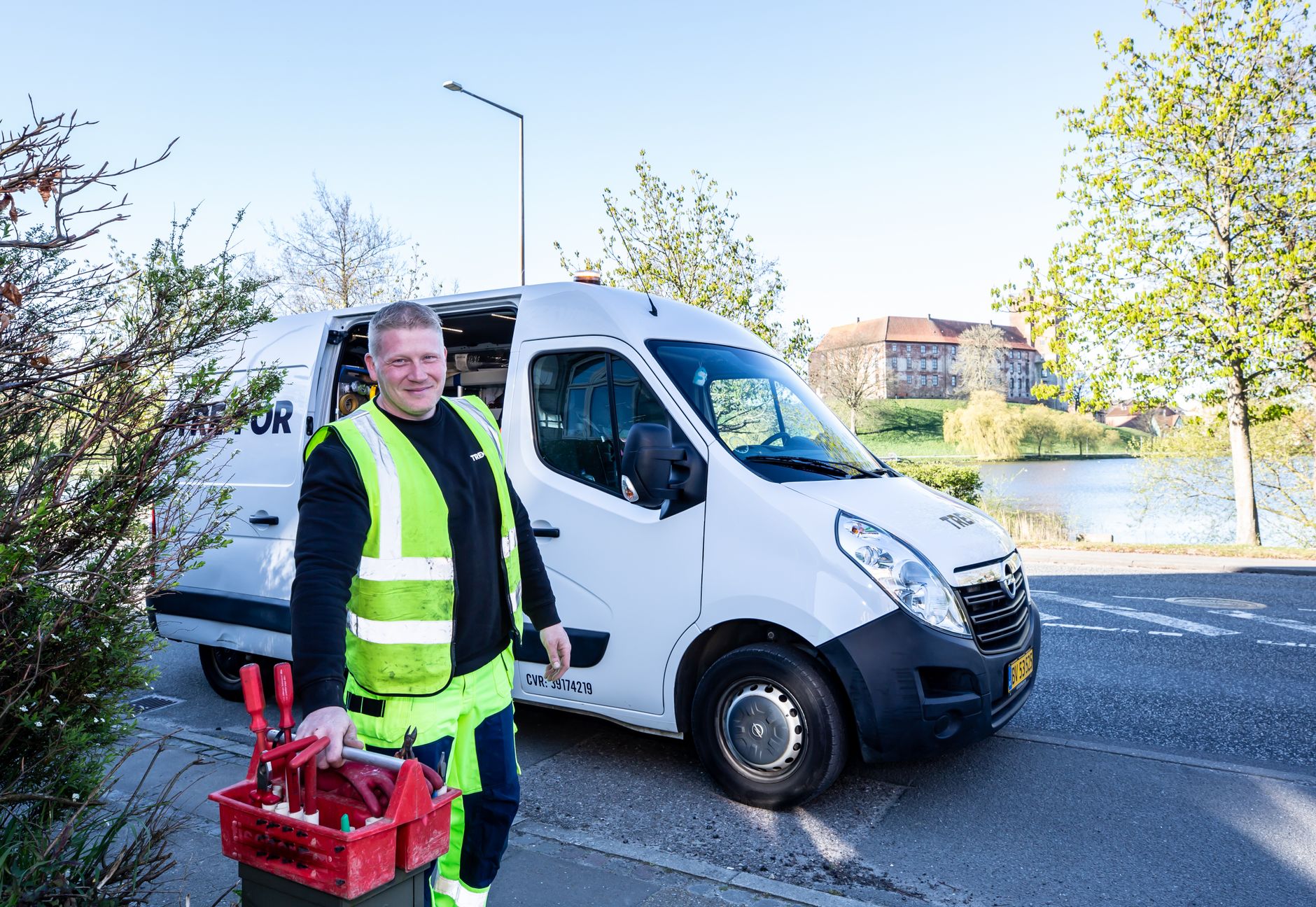
Service sits behind every deployment: 24/7 support with 10-minute specialist triage, regional service engineers in every state we service, three check visits a year and a 12-month warranty. The lease is one fixed payment, quoted after a site assessment.
We are not tied to one brand, and we do not claim a partnership with any robot maker. The machine is chosen for your site, and you hear about the choice before anything is signed.
Want help picking the right robot? Talk to us
If you are weighing a direct deal with a maker or a quote from a dealer, bring it to us along with the site. We will tell you what we would check first, run through the questions in this guide with you, and say plainly if a different machine would suit the property better.
Book a free site assessment with Service Robot Co. and we will walk the property with you.
Frequently asked questions
Want a robot working for you?
Tell us the job and the site. We will recommend the robot, quote the lease, and keep it serviced.
Sources
- Scythe Robotics: Scythe acquired by ASI (press release, March 11, 2026)
- BusinessDen: Behind the deal, Utah firm buys Longmont autonomous mower startup (March 30, 2026)
- SEC: FireFly Robotics, Inc. registration statement on Form S-1 (filed October 7, 2026)
- Renaissance Capital: FireFly Automatix withdraws IPO (March 16, 2026)
- FireFly Robotics (FireFly Automatix) company website
- Robotics & Automation News: RobotLAB pledges zero disruption to servicing Aldebaran robots (June 9, 2025)
- MowScout: Husqvarna CEORA commercial guide (updated July 2, 2026)