
a 45,000-square-foot restaurant with three delivery robots on its dining floor
A Restaurant's Three Delivery Robots Cover 18 Miles a Day, Reported
A 45,000-square-foot restaurant put three delivery robots on its dining floor. Vendor-reported: 18 miles covered daily, more than 3.7 tons of food carried.
Deployment at a glance
- 18 miles
- covered per day by three robots, vendor-reported
- 3.7+ tons
- of food carried over two weeks, vendor-reported
- 3
- delivery robots working one dining floor
- 45,000 sq ft
- restaurant floor the fleet served
Based on a documented real-world deployment. Figures are from public reporting; the organization is not named.
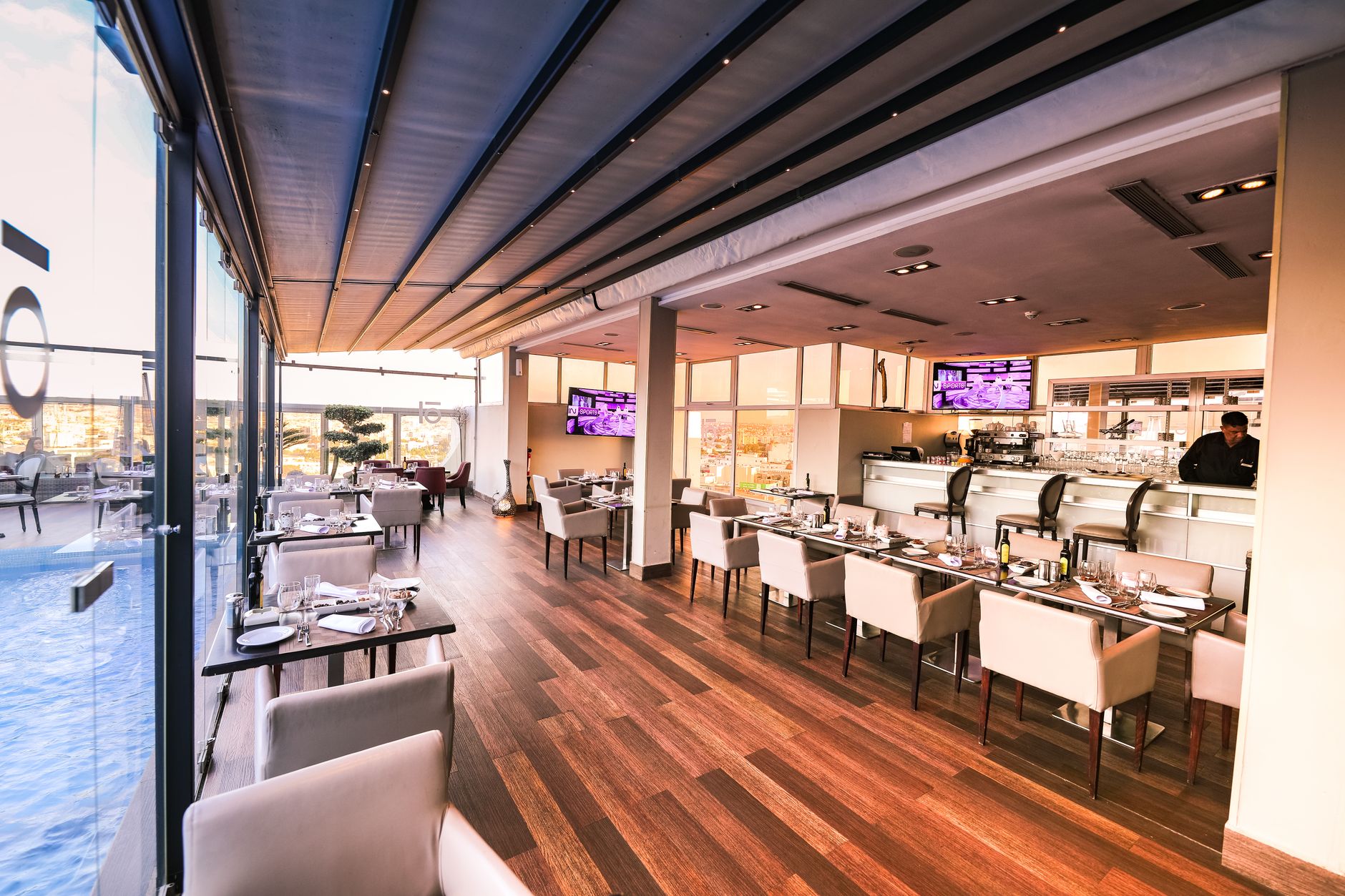
A Large Floor Full of Long Walks
Picture a 45,000-square-foot restaurant where the kitchen sits a long way from the farthest tables. Every plate that leaves the pass has to travel that distance, and every empty dish has to travel back. On a busy service, those trips add up fast.
Most of that movement falls on servers and runners who are already juggling orders, guests and the host stand. Walking eats minutes that could go to reading a table or checking in with a party. Peak hours squeeze the same work into a shorter window, and a delayed or spilled dish can slow the whole room.
- Long kitchen-to-table distances across a large dining floor
- Repeated trips carrying food and dirty dishes by hand
- Peak-hour surges that stretch staff thinly
Three Robots, One Dining Floor
The reported setup placed three delivery robots on the dining floor, where they carried food between the kitchen and the tables. Each run a robot handles is a run a server does not have to make by hand.
A deployment like this usually follows a clear sequence. The steps below describe that general pattern rather than the exact timeline at this site.
- Map the kitchen-to-table routes and note where the floor gets crowded at peak
- Match the robot model to the floor layout, aisle widths and traffic
- Train staff on loading, handoffs and what to do when a path is blocked
- Set up a service plan so one unit that needs attention does not stall the shift
Reported Volume Across Two Weeks
The headline figures are 18 miles covered per day by the three robots together, and more than 3.7 tons of food carried over two weeks. Both come from the integrator's reporting on this deployment, so read them as vendor-reported rather than independently audited.
Those totals show what a small fleet can cover on a large floor when it runs every shift. They work well as a planning reference, and anyone weighing a similar setup should ask any integrator how distance and tonnage were measured before setting a target.
What This Means for a Restaurant Weighing Delivery Robots
This site is an anonymized example, not a Service Robot Co. client. We are an OEM-neutral commercial robot integrator for US businesses, so we select the right robot across manufacturers for a given floor rather than pushing one brand.
We then handle the rest of the lifecycle: financing, deployment, integration, staff training and service through a nationwide US engineer network. Restaurants can review restaurant delivery robot lease options on a 3-year lease, with one fixed payment quoted after a site assessment. One vendor covers the full path, from a food running robot or server assistant robot to the service visits that follow.
Frequently asked questions
Want a robot working for you?
Tell us the job and the site. We will recommend the robot, quote the lease, and keep it serviced.