
a university hospital in Ghent, Belgium
How a Belgian Hospital Cut Terminal Room Disinfection From 24 Hours to 20 Minutes With UV-C
A Belgian university hospital replaced chemical terminal disinfection downtime with 20-minute UV-C cycles so isolation rooms return to service immediately.
- 20 min
- UV cycle cited
- 24 hr
- Prior downtime
- OR start
- First rollout
- Tablet
- Remote control
Based on a documented real-world deployment. Figures are from public reporting; the organization is not named.
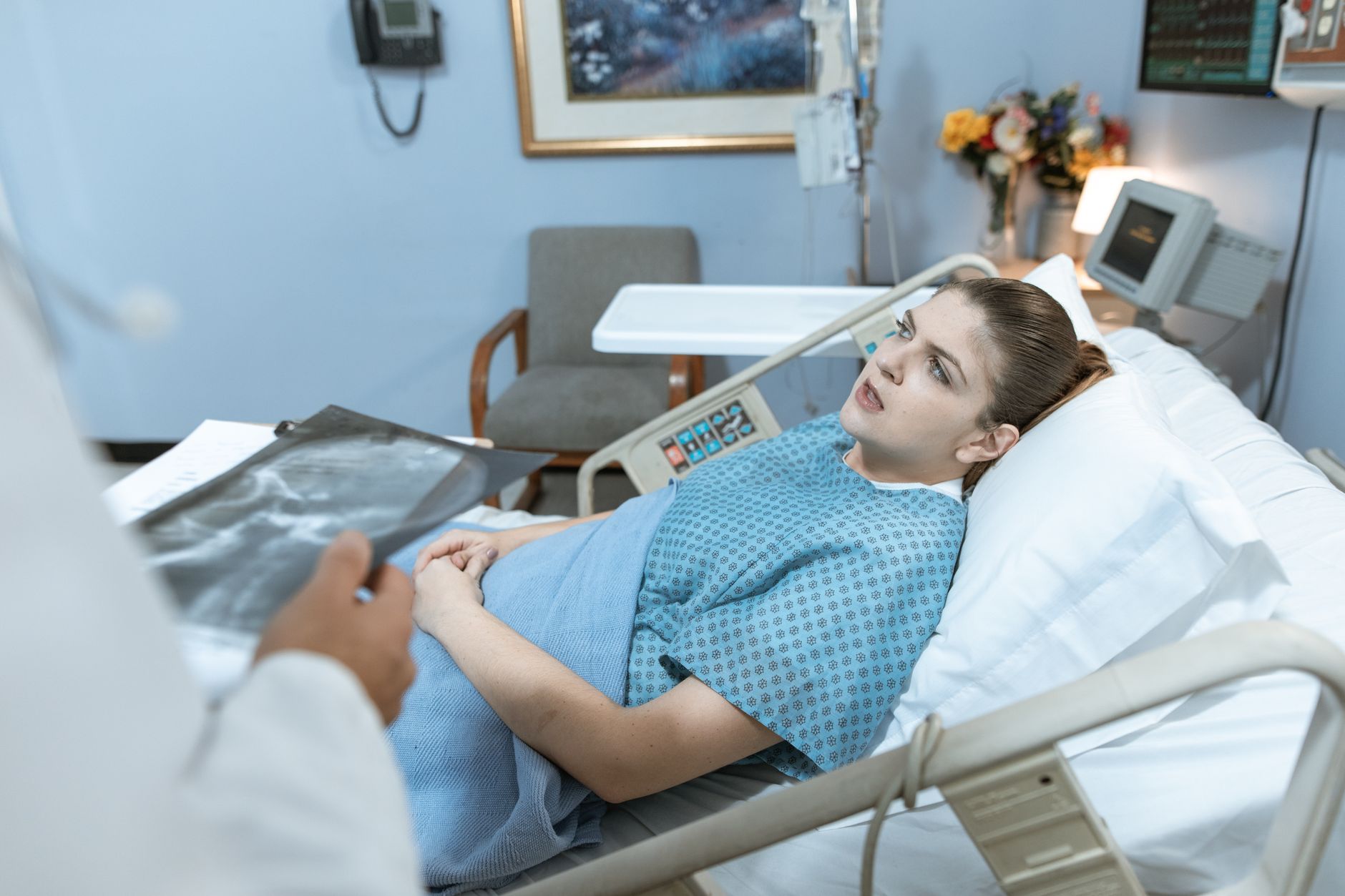
Chemical terminal disinfection slowed turnover
Isolation rooms and operating areas at this university hospital needed terminal disinfection that protected immunocompromised patients without keeping beds offline longer than necessary.
Published hospital comments describe chemical fogging workflows that required about 24 hours of room rest before reuse, an awkward fit when census and surgery schedules move quickly.
- Long room closures after chemical terminal disinfection
- High-risk hematology and pulmonary isolation patients
- Need to reduce chemical exposure for cleaning staff
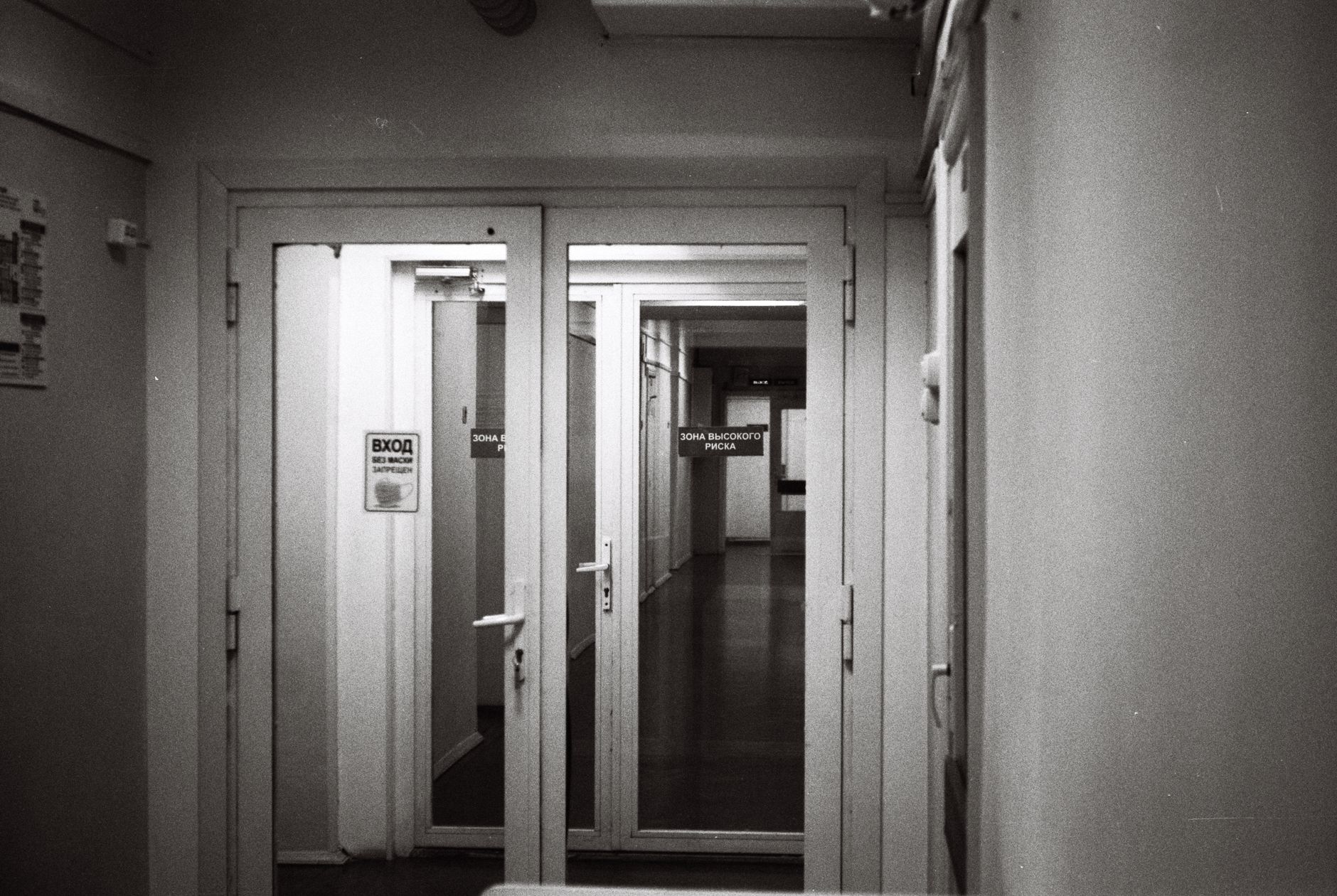
UV-C robot operated from outside the room

The infection prevention team introduced a UV-C disinfection robot that staff control from outside the room with a tablet because direct UV exposure is unsafe for people in the space.
Rollout began in operating theaters and isolation rooms on hematology and pulmonary units where thorough terminal disinfection matters most. Leadership told press the hospital financed the robot and software internally and may expand the program if results hold.
- Train environmental staff on clearance and tablet control
- Start in OR suites and selected isolation rooms
- Run UV exposure across surfaces and air volume in the space
- Release rooms immediately after the robot leaves
- Plan broader deployment if early units perform as expected
Shorter cycles and faster room return
Hospital leadership told press the robot finishes terminal disinfection in about 20 minutes compared with the prior chemical process that tied rooms up for roughly a day.
Cleaning staff quoted in the same materials said the work is less burdensome and faster than before, while UV exposure ends when the robot departs so the room can take the next patient without an extended waiting period.
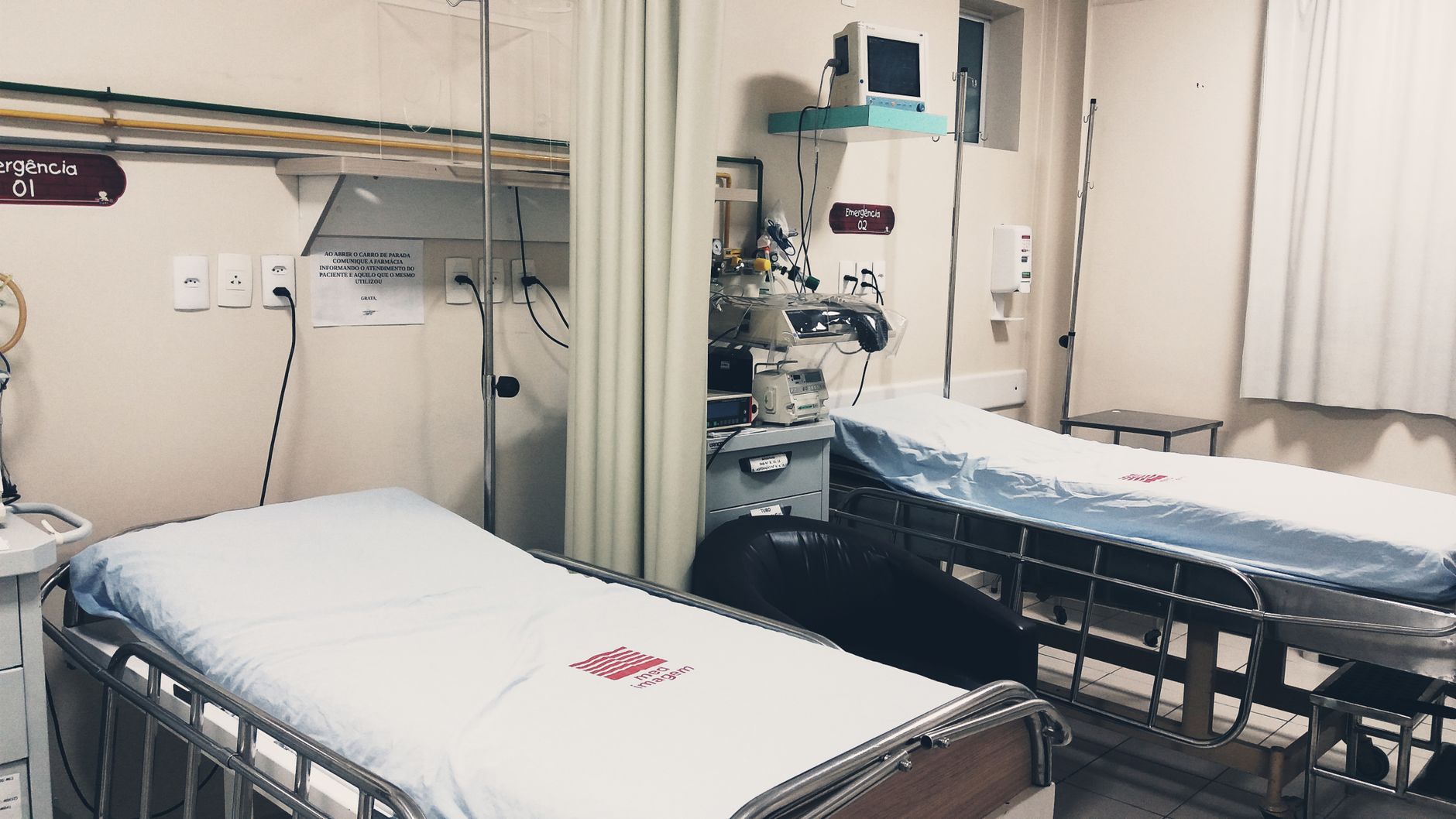
What US hospitals can take from the pattern
This Belgian story is documented overseas press, not a Service Robot Co. customer claim. The operational lesson is familiar: UV-C can shorten terminal turnaround when manual cleaning is already complete and rooms can be cleared.
Service Robot Co. stays OEM-neutral on disinfection platforms, maps room types, supports buy or lease financing, trains EVS leads, and services units under RoboCare nationwide. A free site assessment clarifies which isolation and OR routes should pilot first.