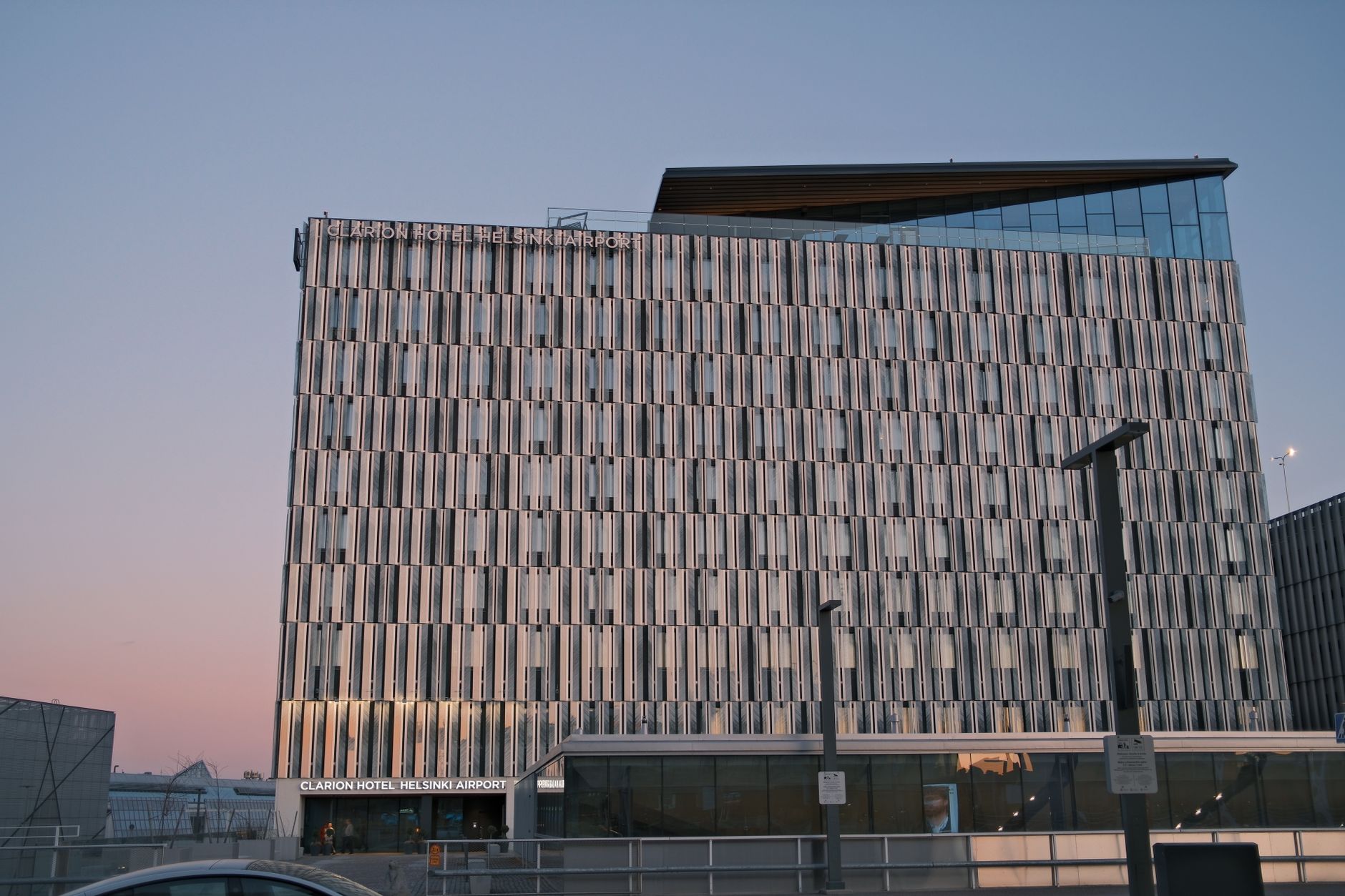
a mid-size airport-market hotel in Northern California
How a California Airport-Area Hotel Reclaimed 10+ Weekly Vacuum Hours
Documented airport-market hotel: autonomous corridor vacuuming cut 10+ weekly staff hours, lifted cleanliness scores toward 90%, and returned about one minute per room.
- 10+ hr
- Weekly vacuum
- 90%
- Clean score
- 1 min
- Per room
- 1.5 hr
- Daily robot
Based on a documented real-world deployment. Figures are from public reporting; the organization is not named.
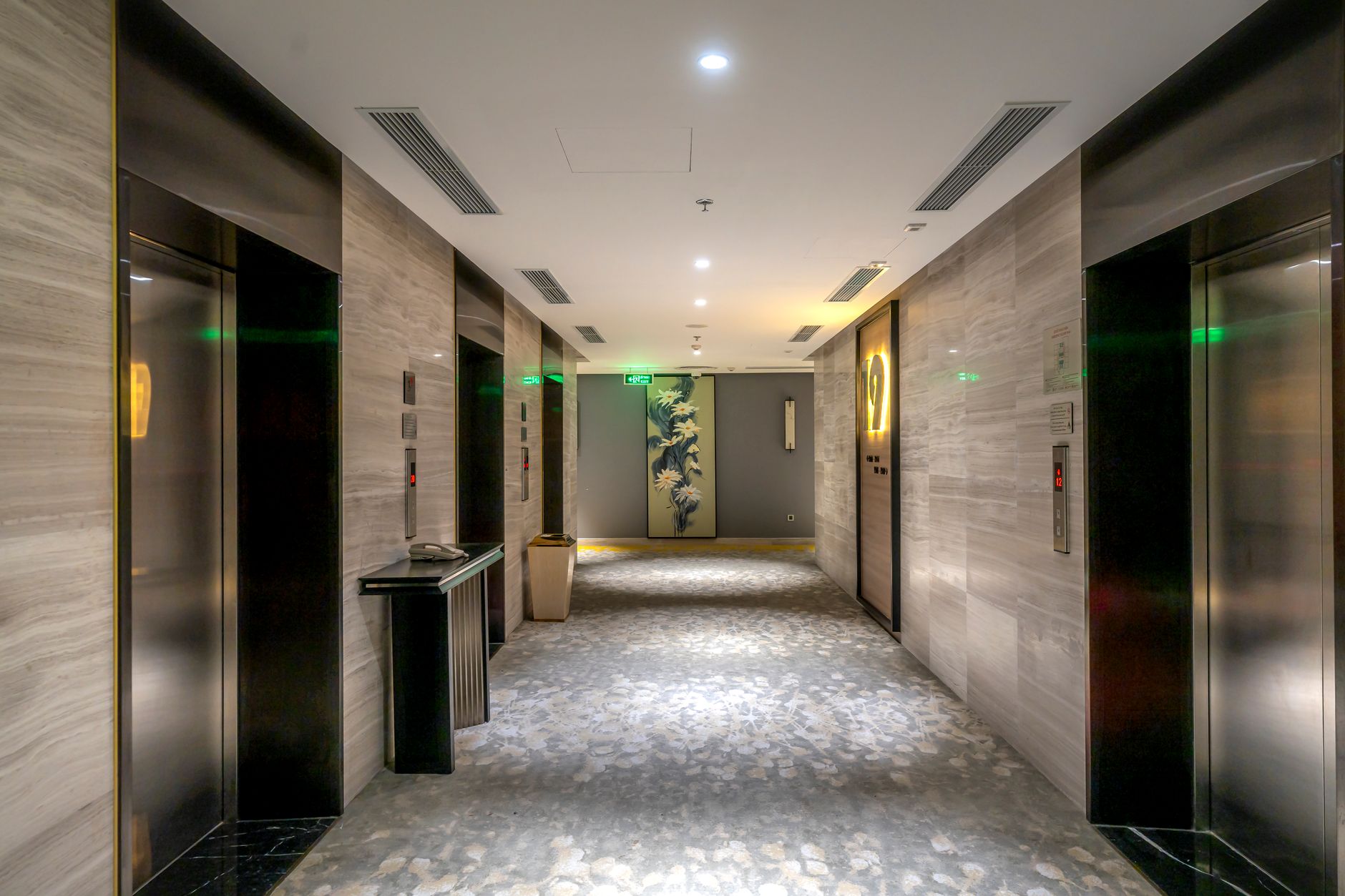
Corridor vacuuming ate room-turn time
A mid-size airport-market hotel in Northern California needed higher guest cleanliness scores while janitorial staffing fluctuated. Published reporting says housekeeping spent more than ten hours each week vacuuming hallways and open areas, work that did not require detail skill but still pulled people off room turns.
When shifts ran thin, maintenance staff were often pulled in to help cover common areas, dragging on productivity and morale. Housekeepers also had limited minutes per room, yet corridor vacuuming cut into that window.
- More than ten weekly hours on hallway vacuuming
- Room cleaning windows squeezed by corridor work
- Staffing gaps forced maintenance into common-area cleaning
Autonomous sweeping on a daily corridor loop
Leadership piloted an autonomous vacuum sweeper to handle repetitive hallway and open-area passes while humans focused on guest rooms and detail work. The unit ran on a predictable daily schedule, including afternoon hallway passes after many guests had left for the day.
Published deployment notes describe about ninety minutes of autonomous vacuuming per day once staff integrated robot management into routine rounds. Greens, lobby detailing, and laundry support stayed on the human plan.
- Map corridors and open areas with clear stay-out zones
- Run autonomous passes after peak guest traffic when possible
- Keep room attendants on in-room standards and touch-up work
- Train one lead to start, monitor, and empty the sweeper daily
Measured cleanliness and time back
After deployment, published reporting cites guest cleanliness scores reaching ninety percent, up from the low eighties earlier in the pilot period. Automating hallway vacuuming helped housekeeping reclaim about one minute per guest room, meaningful when many rooms must be turned in roughly twenty minutes.
Staff who had been on vacuum duty gained time for lobby deep cleaning and laundry support. The hotel also reduced how often vacuum noise overlapped active guest hours by shifting some passes later in the day.
What this means for your property
This anonymized example shows how corridor automation can protect room-turn standards when labor is tight. Service Robot Co. did not run this specific hotel; we help US properties select OEM-neutral cleaning robots, finance them, map routes, train staff, and service units nationwide under RoboCare.
If hallway vacuuming is stealing hours from room attendants, start with one mapped loop, measure minutes returned per room, and expand buy or lease plans only after scores and guest feedback stabilize.