
a California golf club that ran robotic greens mowers, as documented in a USGA case study
Reported 36 Percent Cut in Greens Mowing Labor at a California Golf Club
How one California golf club ran five robotic greens mowers, the greens labor it reported saving, and the return it projected inside three years.
Deployment at a glance
- 5
- robotic greens mowers in the fleet
- 11 to 7
- morning setup crew, as reported
- 36%
- reported cut in greens mowing labor
- 3 years
- projected return, not yet a realized result
Based on a documented real-world deployment. Figures are from public reporting; the organization is not named.
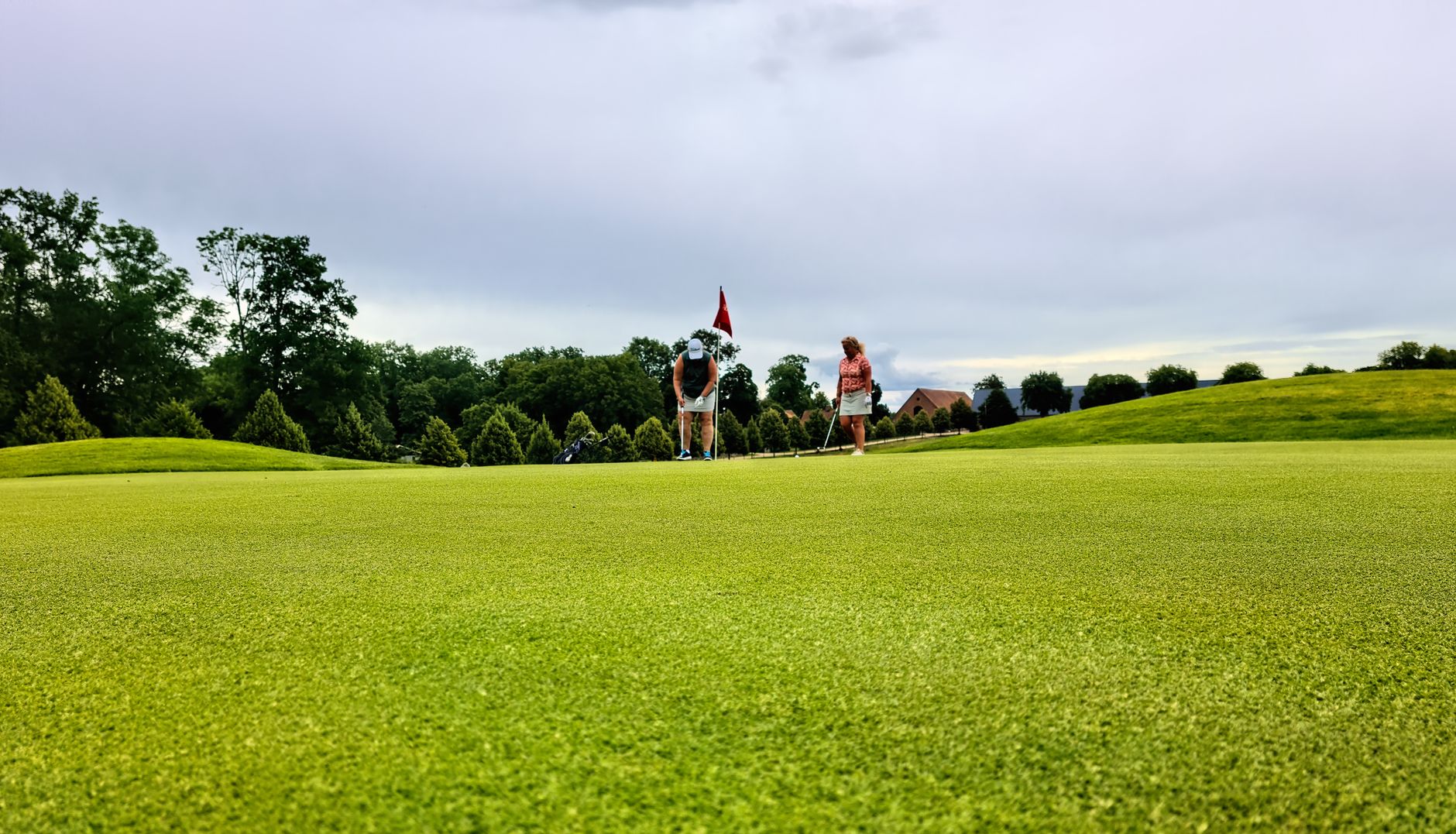
Greens labor that would not shrink on its own
Greens are the most demanding turf on a golf course. They are cut low, cut often, and judged closely by every golfer who putts across them. For a superintendent, the morning setup crew is the visible cost of getting that surface ready before the first group arrives.
At the California club at the center of this study, the morning setup crew numbered 11 employees. Mowing and the work around it consumed a large share of the early hours, and it had to be finished on time every day.
The superintendent faced a choice familiar to many clubs: keep the crew at its existing size, or move routine cutting to a machine and point people at the work only people can do well. Robotic greens mowers offered a way to take repeatable cutting off the crew without changing the surface golfers expected.
Five mowers on the greens, and a crew redeployed
The club put five robotic greens mowers to work, focused on the greens rather than the wider course. Greens were the job where a robot could handle repeatable cutting while staff kept their attention on the finer work of the surface.
Each mower mowed and rolled in one pass, so cutting and finishing happened together rather than in two operations. The club said that reduced traffic around the greens, and it reported that the change improved playing conditions.
The morning crew shrank from 11 to 7. The people who remained moved onto greenside tasks such as ball mark repair, hand raking greenside bunkers and changing hole locations, so the crew's hours went into tasks the course still needed.
- Put robotic mowers on the greens first, where cutting repeats daily
- Run each mower in one pass that both cuts and rolls
- Shrink the morning setup crew from 11 people to 7
- Move freed staff to ball mark repair, bunker raking and hole changes
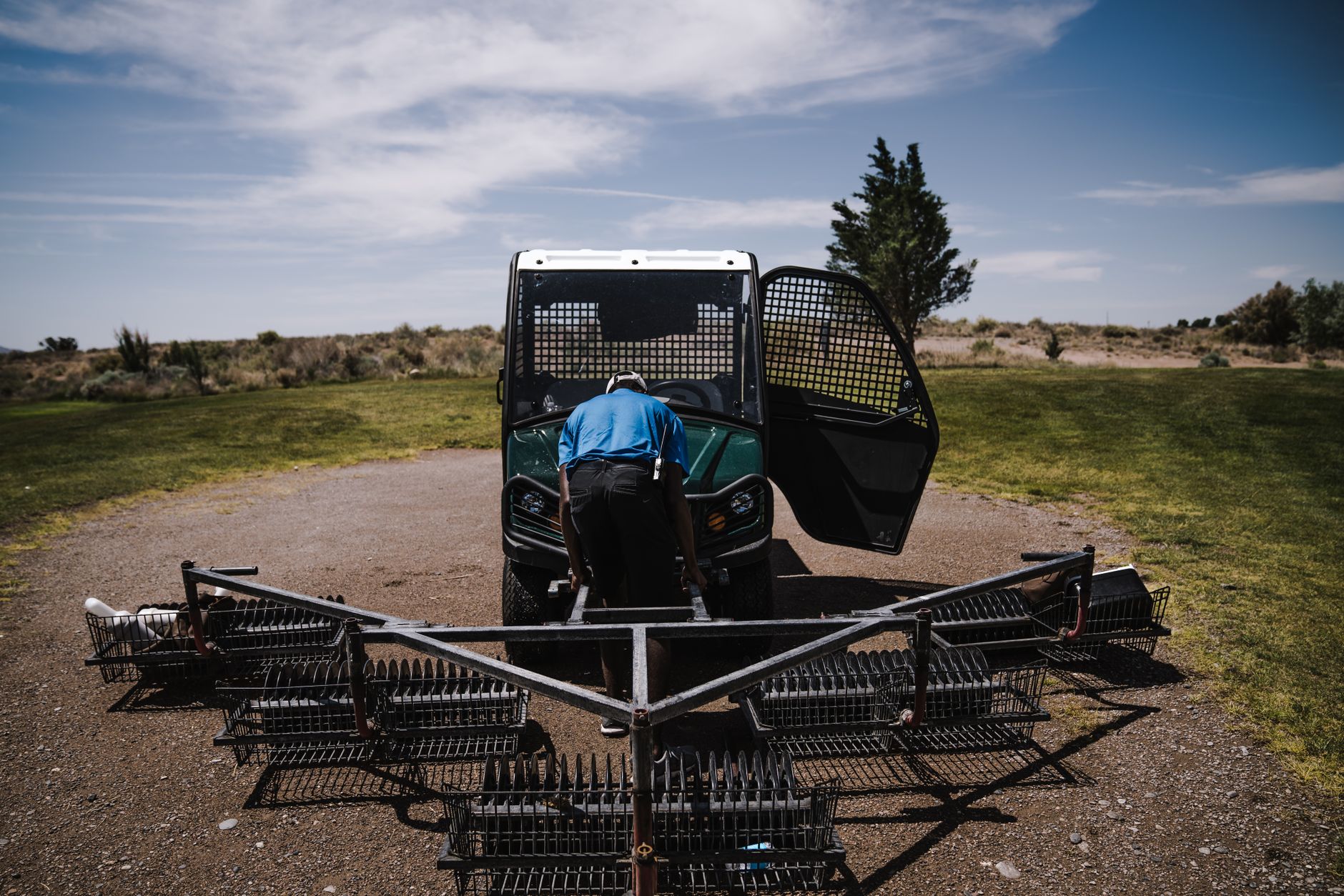
The reported result and the projection behind it
The headline figure is a 36 percent reduction in greens mowing labor. It is reported for the club, from a 2017 account, so it describes what the club recorded at that point and should not be read as a live measurement today.
The morning crew change is the most visible shift on the schedule, going from 11 people to 7. Those hours were not simply deleted. They moved toward ball mark repair, hand raking greenside bunkers and changing hole locations.
The return on investment is a projection rather than a finished outcome. The club was projected to earn back its large upfront cost within three years, on the basis of the labor saving. A superintendent building a similar case should treat three years as a working estimate and test it against local labor costs, weather and the hours the robots actually free.
Where a greens robot earns its place, and how to start
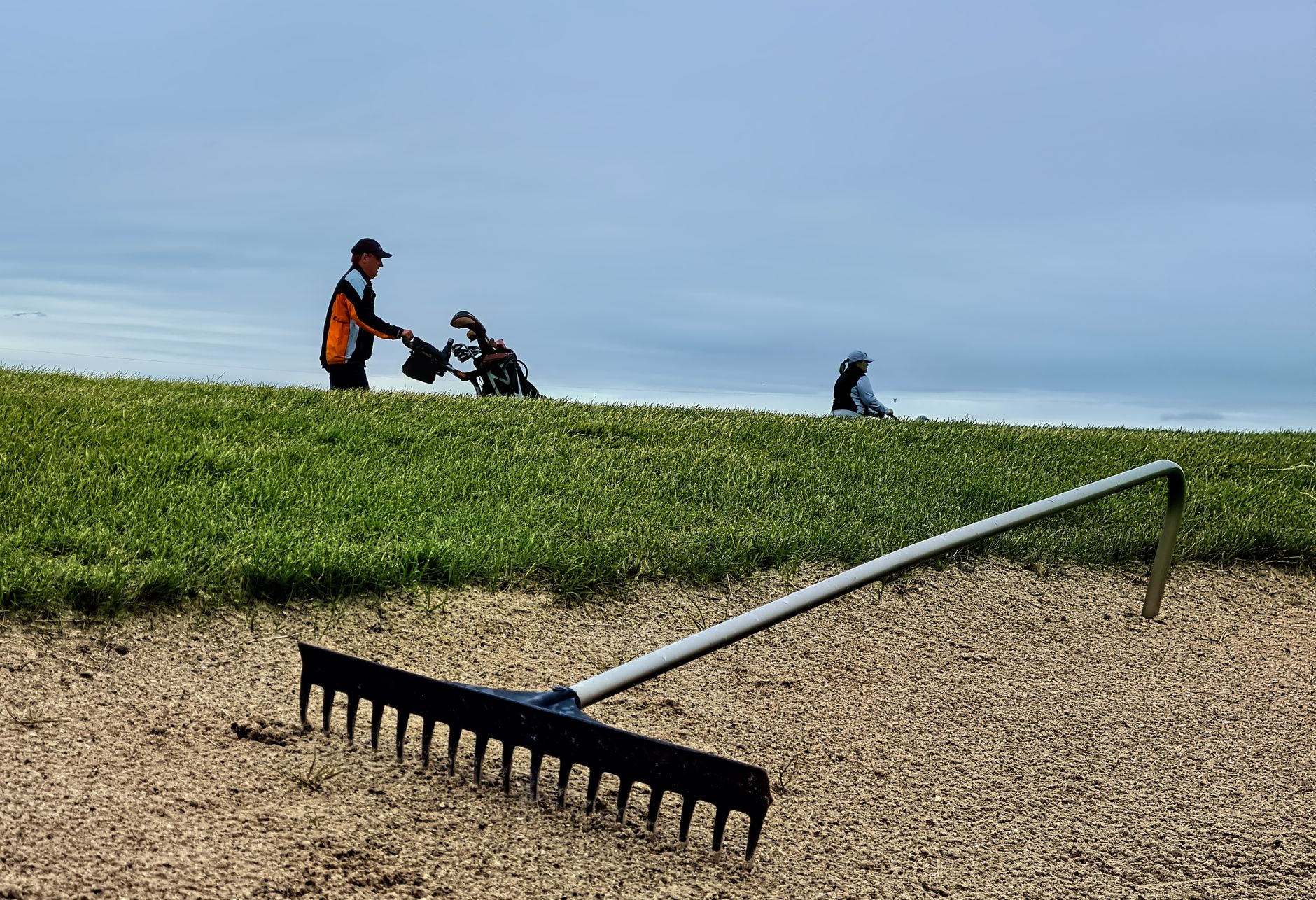
Greens were the right first test in this story because the work repeats, the surface is valuable and the morning window is tight. Service Robot Co. approaches a site the same way. We assess the course, find where labor and turf quality collide, and recommend the robot that fits that job, from whichever manufacturer suits it best.
We are a full service, OEM neutral commercial robot integrator for US businesses. We select robots across manufacturers, then deploy, set up and service each unit through a nationwide US engineer network, so one partner, one number covers the whole lifecycle. A club that wants to test the idea can start with one leased unit.
We lease every robot we deploy, on a three year lease with the lease quoted after a site assessment. That assessment maps the course and sets out the lease terms before anything is agreed. For commercial robot leasing aimed at greens, turf and grounds teams, asking about robot lease options is the natural first step.
Frequently asked questions
Want a robot working for you?
Tell us the job and the site. We will recommend the robot, quote the lease, and keep it serviced.