
a California golf club whose agronomy director tracks fairway and rough mowing hours
A California Golf Club Estimates 2,000 Fairway and Rough Hours Saved a Year
A California golf club's agronomy director estimates about 2,000 hours saved a year as robot mowers take over fairway and rough work, freeing hours for prep.
Deployment at a glance
- 2,000
- Estimated fairway and rough hours saved a year
- 30 acres
- Approximate fairway area under robot mowing
- 3
- Large fairway units in the deployment
- All holes
- Robot managed, apart from the greens
Based on a documented real-world deployment. Figures are from public reporting; the organization is not named.
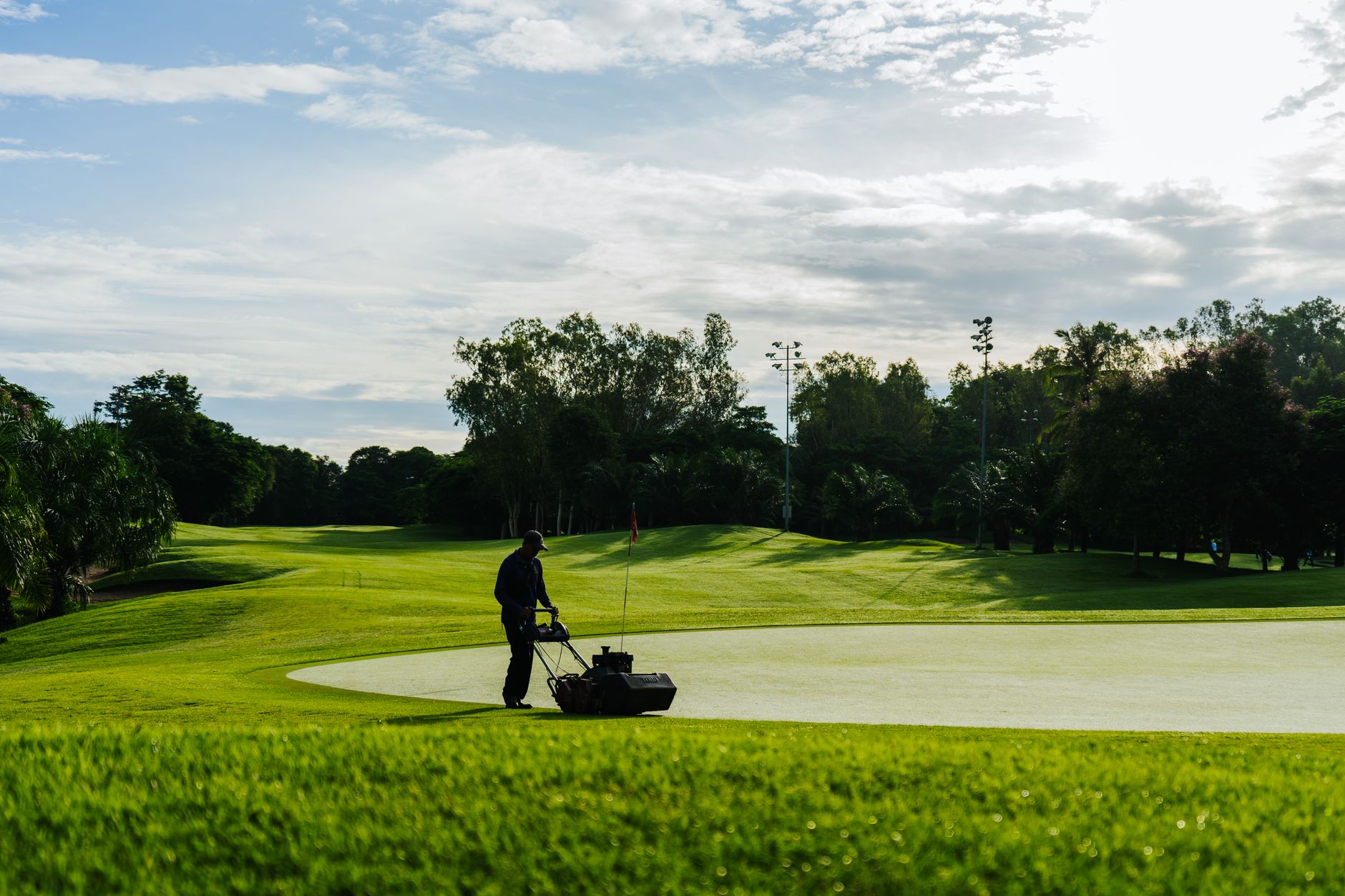
Hours that competed with course prep
Fairway and rough mowing takes a large share of a grounds crew's hours, and it competes for the same early window as course setup. Every hour on a mower is an hour not spent on the work that readies a course for play.
The agronomy director at this California club tracks those hours closely. The open question was how many could move off the crew and into prep without changing how the course plays.
- Crew hours split between mowing and course prep
- Fairways and roughs both drawing on the mowing calendar
- Mowing hours tracked by the agronomy director
A mixed fleet across fairways and roughs
The club did not hand the whole course to a single machine. Roughs and common areas run on autonomous mowers, while three large fairway units cover the fairways, and the director describes those fairway units as not fully autonomous. That split shapes how the crew plans its week.
Coverage grew over time. Robot managed rough was observed at an October 2024 event, and a later trade report says every hole except the greens is now robot managed.
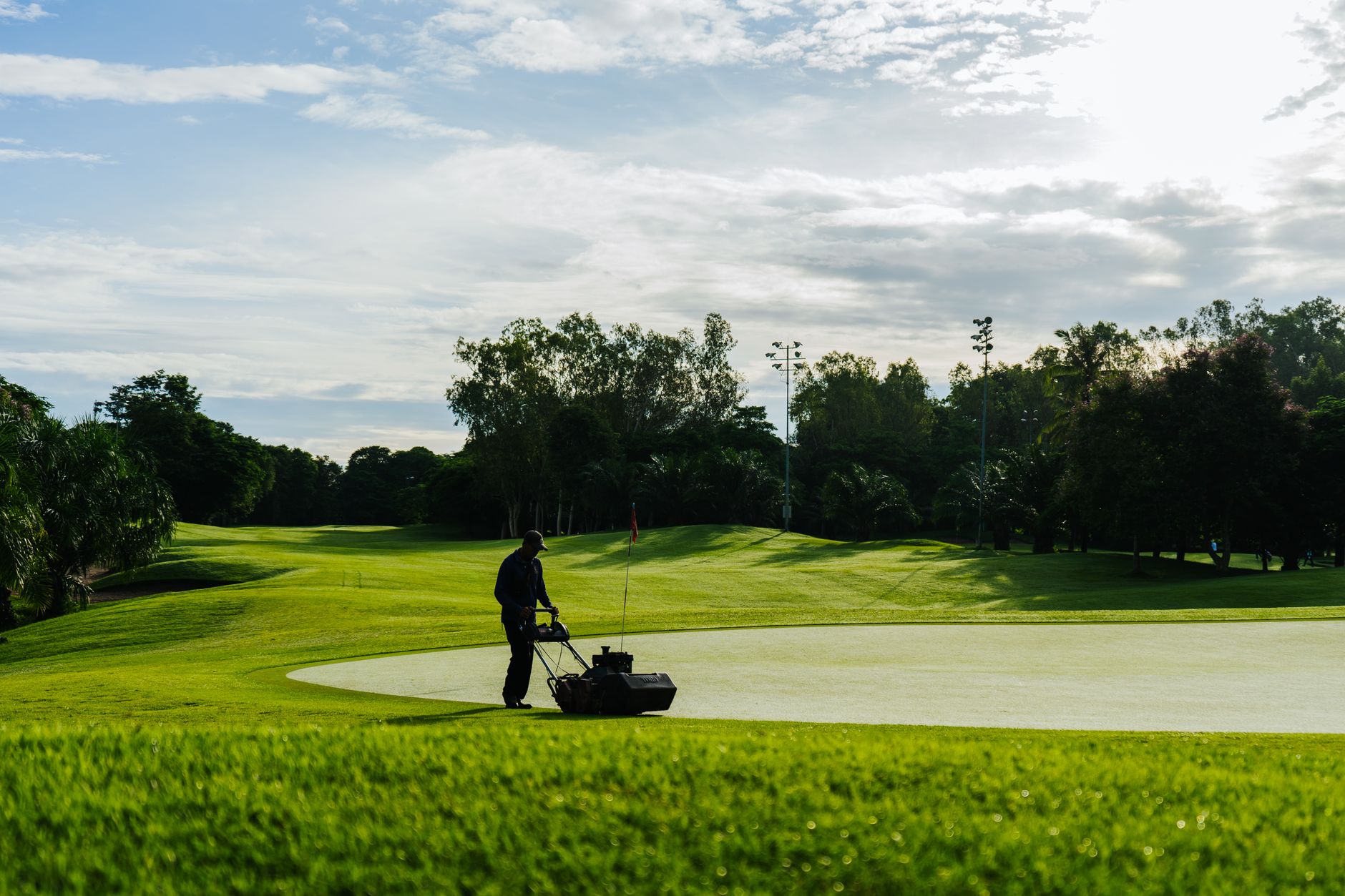
What the director estimates
The agronomy director estimates about 2,000 hours saved a year across fairways and roughs. It is the director's tally of mowing time that no longer falls to the crew, and it anchors the whole case.
Those hours matter most for what they make possible. Released time can go to course prep, the balance the director weighs against crew hours spent mowing.
The figure reflects one club's acreage, turf and machine mix, so any other course should measure its hours before it sets expectations.
Because the fairway units are not fully autonomous, the hours saved come from a mixed fleet and not from a fully unattended course.
Scoping mowing hours for a course like yours
Service Robot Co. is an OEM neutral integrator for US businesses. We compare mowers from several manufacturers against the work a crew really does, then deploy, train and service each unit through a nationwide US engineer network. One partner covers the full lifecycle, from the first site visit onward.
Robot leasing for business runs on a 3 year lease with one fixed robot lease payment, quoted after a site assessment. A visit to the course shows which areas make sense to automate first and what the crew hours could look like.
Toro's GeoLink Autonomous Fairway Mower Series is one option to compare. As of November 2026, its product page describes manual and autonomous modes, which suits courses that want hands on and hands off operation in one fleet.
Frequently asked questions
Want a robot working for you?
Tell us the job and the site. We will recommend the robot, quote the lease, and keep it serviced.