
a California golf club that moved its rough and fairway mowing to autonomous mowers
A California Golf Club's Autonomous Mowers Save an Estimated 2,000 Hours a Year
How a California golf club moved rough and fairway mowing to autonomous mowers, and roughly 2,000 yearly hours its superintendent estimates were saved.
Deployment at a glance
- 2,200
- Hours a year of rough mowing before, superintendent's count
- 2,000
- Hours a year saved, superintendent's estimate
- Two
- Mowing areas moved to autonomous mowers
Based on a documented real-world deployment. Figures are from public reporting; the organization is not named.
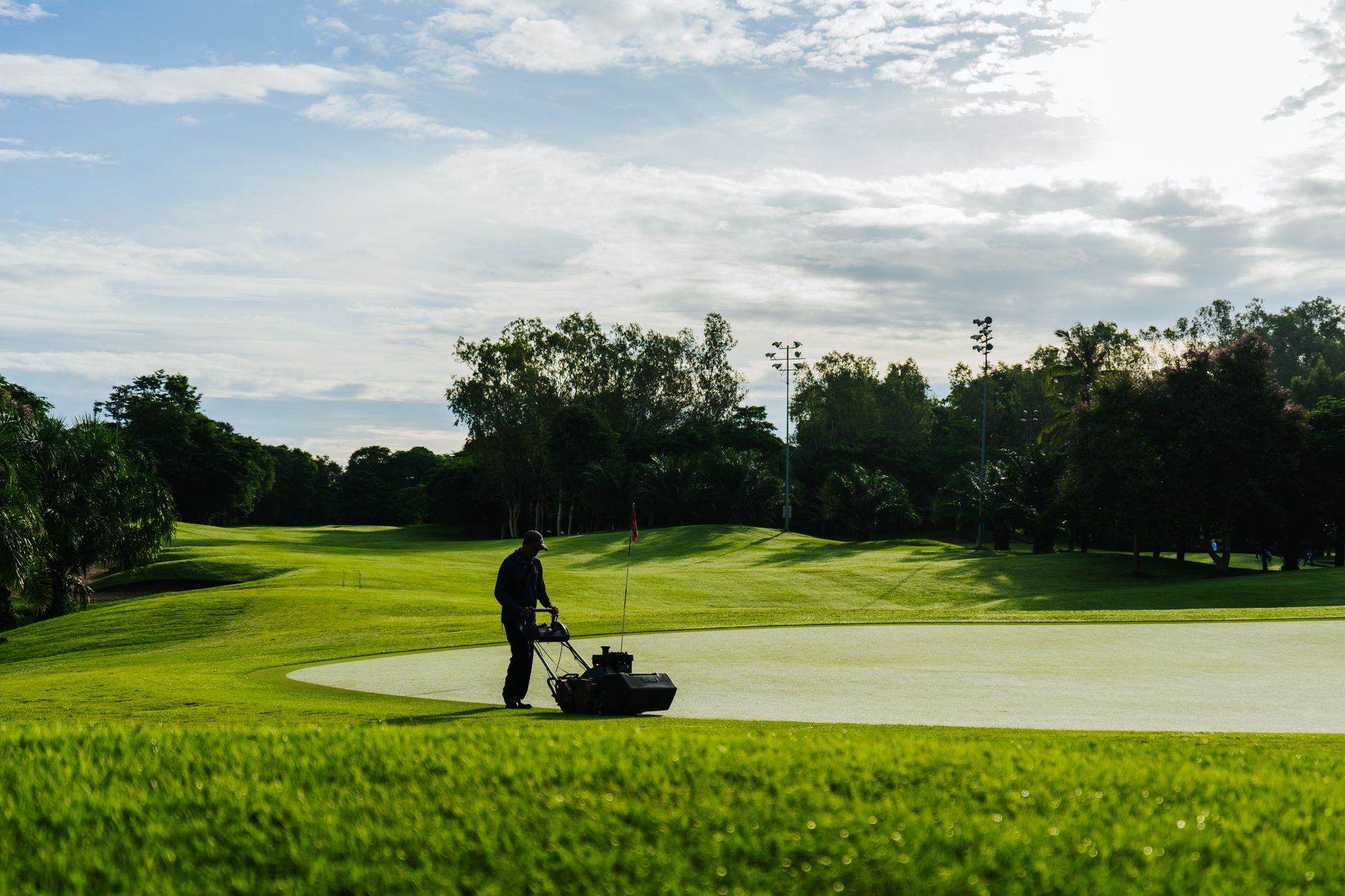
Rough mowing that ate the calendar
Rough mowing is long, repetitive work, and on a course with a lot of it the hours pile up fast. At this California golf club, the superintendent worked out what the job actually cost in time. His calculation put about 2,200 hours a year into rough mowing and clipping blowing with traditional mowers.
Every hour on the rough was an hour not spent somewhere else on the property. Fairways, greens, bunkers and course setup all draw on the same crew, so a task that absorbs this many hours shapes what the team can do with the rest of its time. The superintendent needed a way to return some of that time to the crew.
Handing the rough to a fleet of autonomous mowers
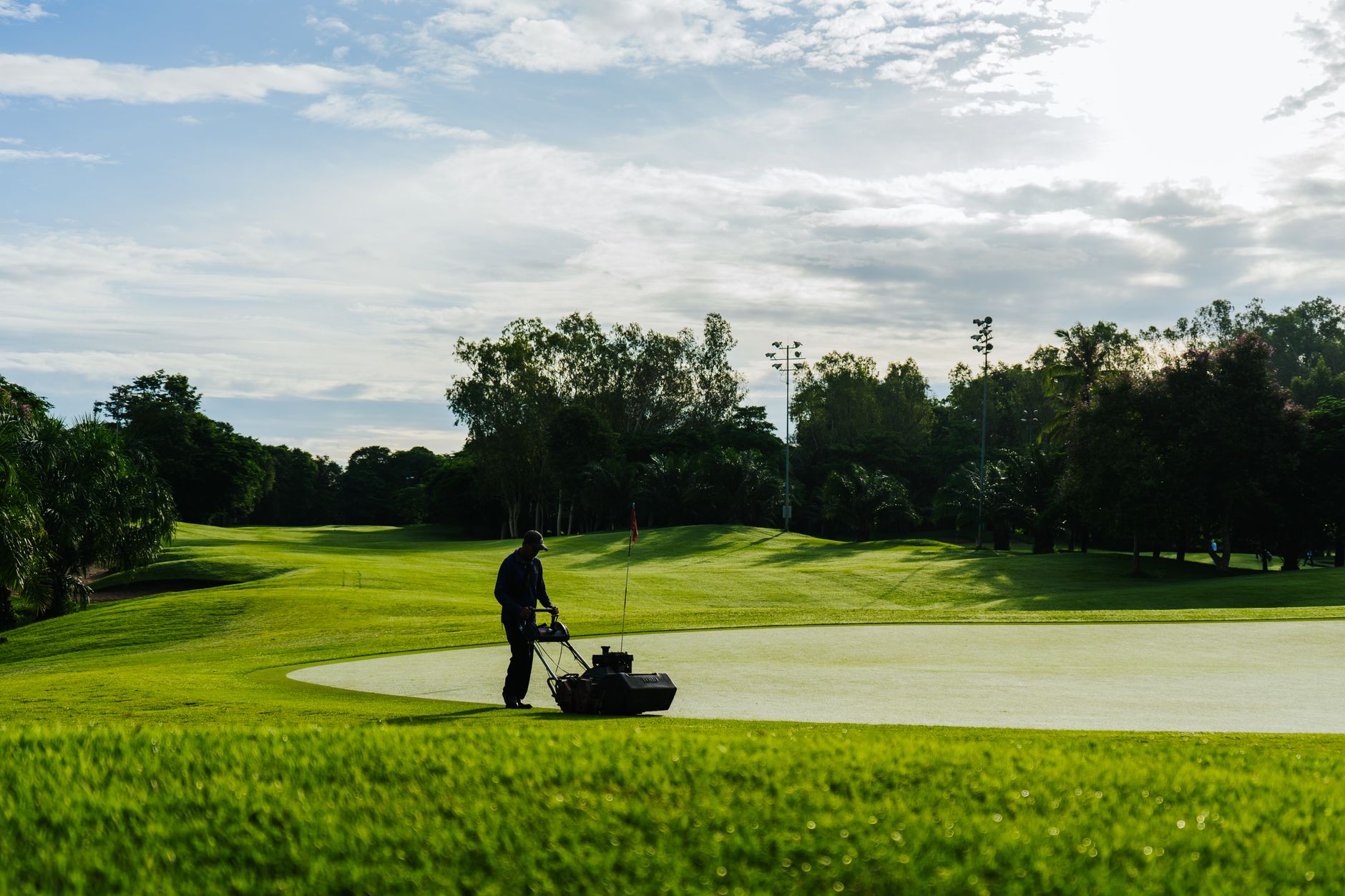
The club moved its rough and fairway mowing to autonomous mowers. The machines took over the repetitive passes that had filled the crew's week, and staff time shifted toward work that still needs a person's eye and hands.
Results like these rarely come from the machines alone. Robot deployment and integration depends on careful setup, from mapping boundaries and the areas the mowers should avoid to choosing mowing windows that work around play and maintenance. Planning those steps before the first pass is what turns a fleet into a routine the crew trusts.
- Map the rough and fairway boundaries, plus the areas the mowers should avoid
- Set mowing windows around play, events and maintenance
- Train the crew to supervise the fleet and handle routine checks
- Agree on how service calls are raised and how quickly they are answered
What the superintendent's numbers show
The headline figure is the superintendent's own calculation. It puts about 2,000 of the roughly 2,200 hours a year that rough mowing once consumed back into the club's hands. That is the number a budget committee will want to see first.
Those hours matter because they can be redirected. Rough and fairway mowing both moved to autonomous mowers, so the change reached more of the course than a single pass across the rough would suggest. The practical gain is crew time on the property.
The account of the deployment was shared through a mower maker's showcase, so readers should weigh that setting alongside the superintendent's estimate. The club's own hours are the figures to watch, and any comparable course should measure its current hours before it projects a return.
What this means for a robot lease decision
The lesson here is method more than magnitude. Acreage, turf type, weather and the shape of the rough all change the math, so the same 2,000 hours will not appear on every course. What carries over is the habit of measuring what a task costs in hours today, then matching machines to the share of that work they can take.
Service Robot Co. is a full-service, OEM-neutral commercial robot integrator for US businesses. We select the right robots across manufacturers, then finance, deploy, integrate, train and service every unit through a nationwide US engineer network, so a customer works with one partner and one number. Commercial robot leasing runs on a 3-year robot lease with one fixed robot lease payment quoted after a site assessment.
A course weighing autonomous mowers can start with one leased unit in a robot pilot program, then widen the fleet once the routine holds up. Every robot reaches a customer through a lease, and the path begins with a site assessment rather than a generic quote.
Frequently asked questions
Want a robot working for you?
Tell us the job and the site. We will recommend the robot, quote the lease, and keep it serviced.