
a Canadian warehouse run by a global logistics provider
Canadian Logistics Warehouse Saves 300+ Labor Hours With Floor Scrubbers
A Canadian warehouse run by a global logistics provider saved over 300 labor hours with autonomous floor scrubbers from summer 2020 to April 2021.
Deployment at a glance
- 3.5M+
- Sq ft cleaned in total, summer 2020 to April 2021
- 300+
- Labor hours saved versus conventional cleaning
- Apr 2021
- End of the reporting window that began in summer 2020
Based on a documented real-world deployment. Figures are from public reporting; the organization is not named.
A Warehouse That Never Quite Stops
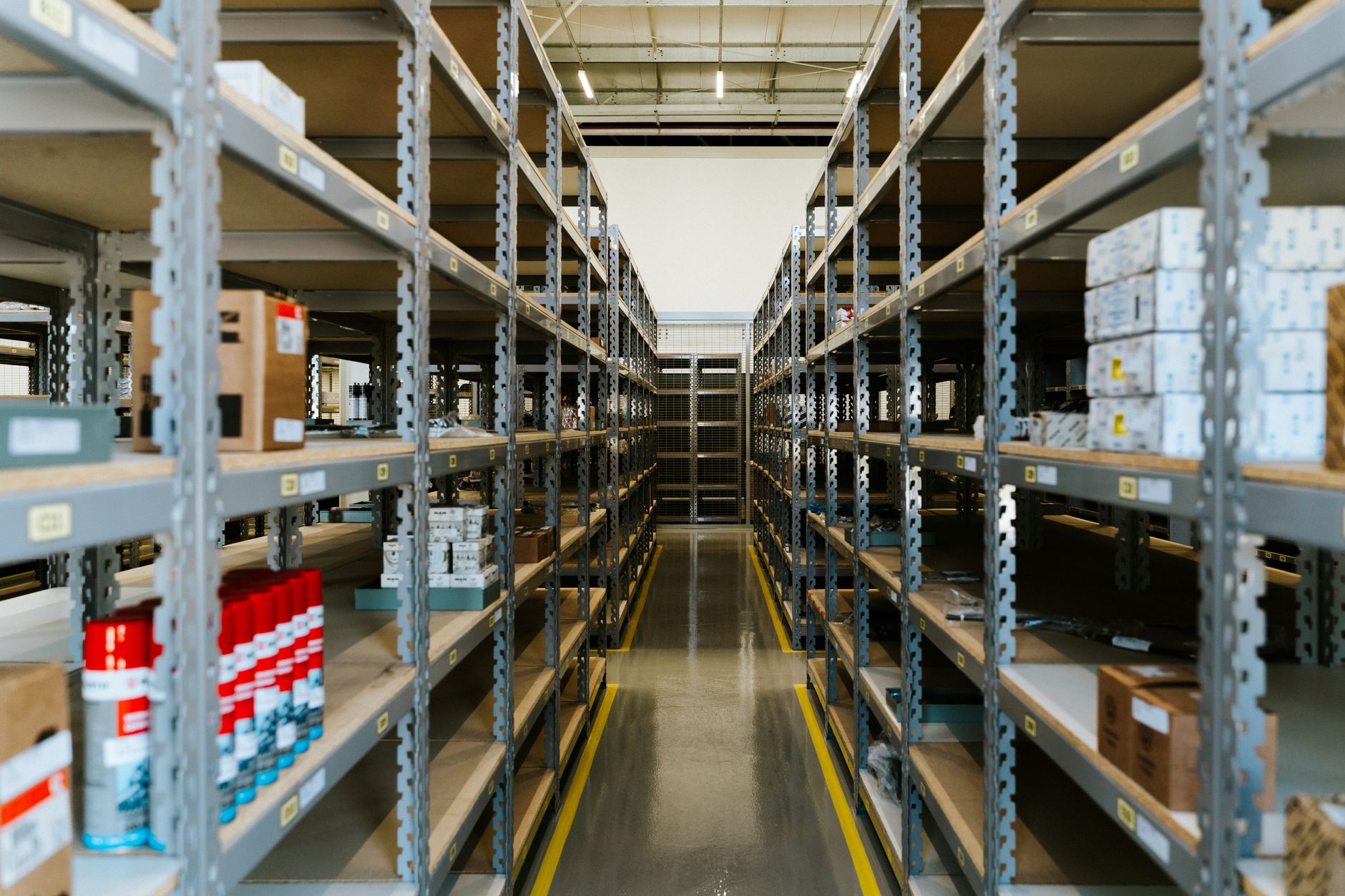
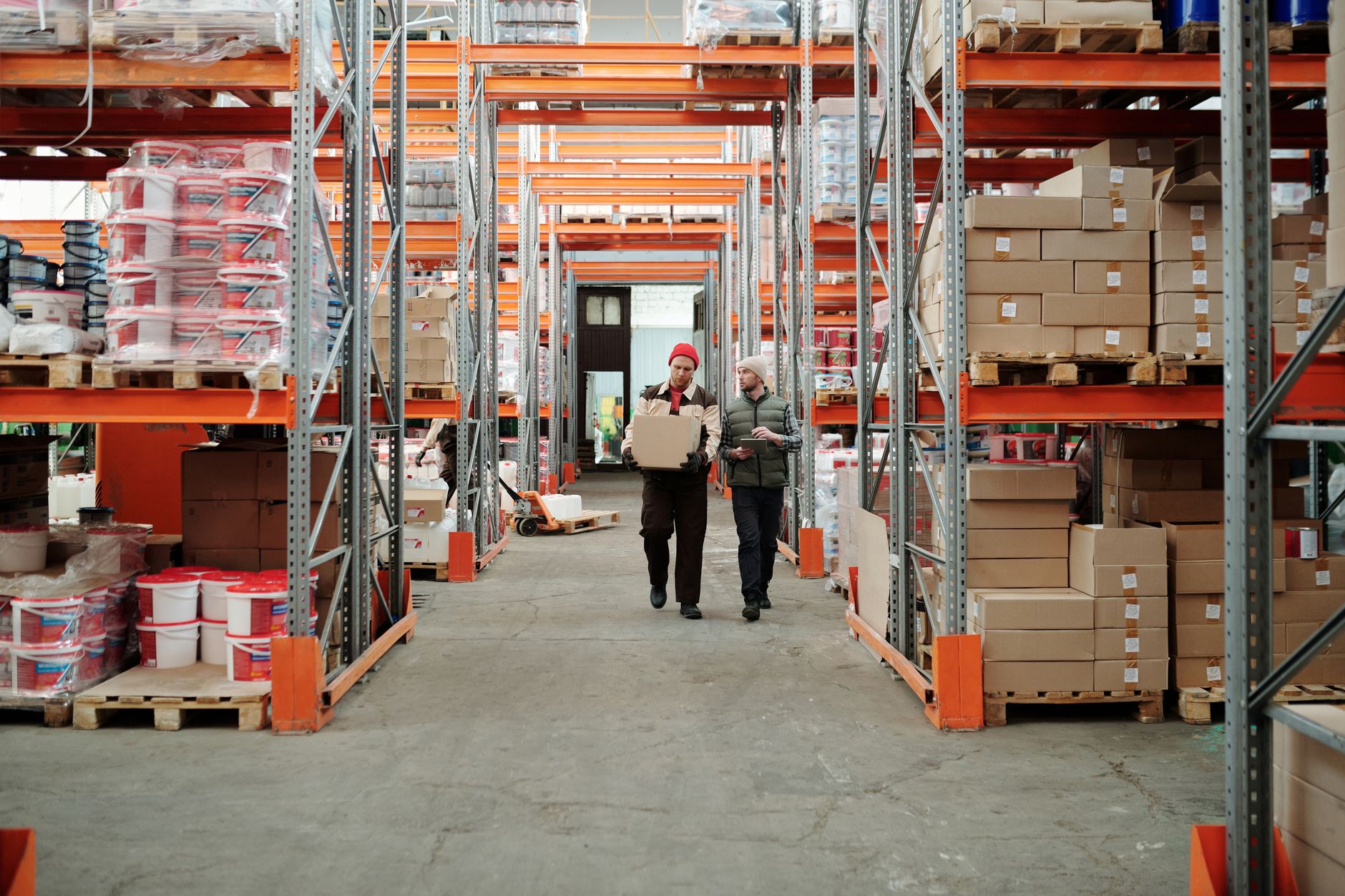
A distribution warehouse is a hard place to keep clean. Forklifts and pallet trucks cross the same aisles all day, and spills, dust and debris build up faster than a crew working in short windows can clear them. Floor condition affects safety, product handling and how the building looks to carriers and customers who walk through it.
Conventional cleaning draws heavily on labor, and it has to be scheduled around operations that rarely pause. Every hour a crew spends behind a floor machine is an hour taken from other facility work, and staffing those shifts is hard to keep steady. For a global logistics provider running several sites, that labor adds up across the whole network.
- Heavy traffic from forklifts, pallet jacks and carts
- Short cleaning windows around live shifts
- Labor hours that compete with other facility tasks
- Even floor condition across large open areas
Starting at One Site and Growing From There
The program began at the operation's main warehouse and head office facility. The robot was an autonomous floor scrubber, a machine that cleans its route once a person presses start. Staff involvement at the beginning of each run stayed small, which mattered in a building where cleaning had to fit around active work.
After the first site, the program extended to additional Canadian facilities, so the same machine type and routine could be repeated across the network. Expansion of this kind is easier when each new site starts from a method the team has already seen work.
A rollout that follows this pattern usually moves through a few steps:
- Survey the floor layout, traffic routes and cleaning windows
- Match the scrubber to the floor and the task
- Train staff on starting, monitoring and routine checks
- Extend to further sites once the first one runs reliably
What the Program Measured
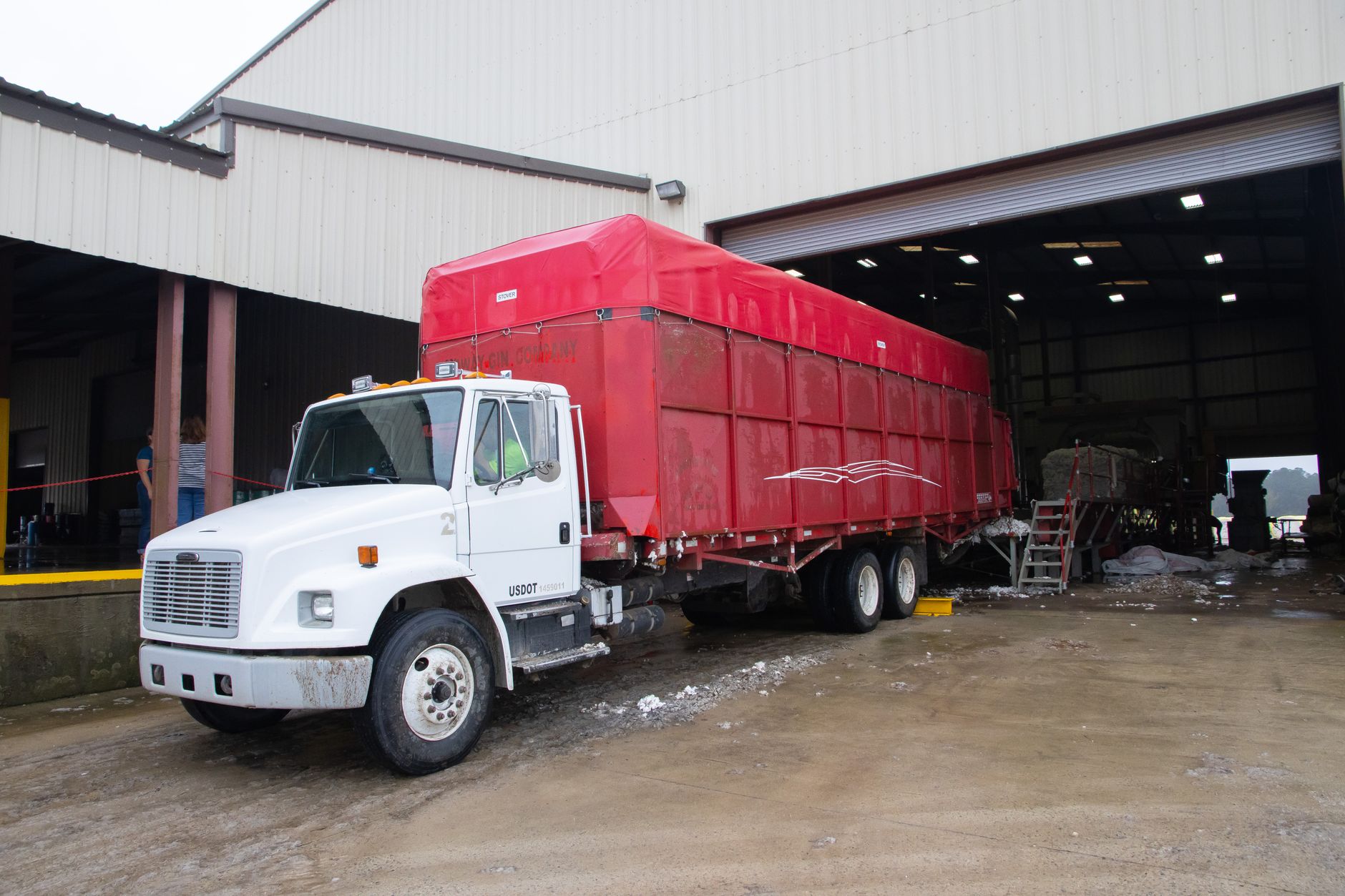
Between summer 2020 and April 2021, the robots cleaned over 3.5 million square feet. Over that same period, more than 300 labor hours were saved compared with conventional cleaning methods.
These totals are cumulative across the deployment, not a figure for one building. They describe the program as a whole, so they should not be divided by site to produce a per building average.
Labor hours are the number a facility manager can carry into a staffing plan. Floor area cleaned shows the other side of the picture, because it reveals how much ground the machines covered in the same stretch of time.
What This Means for a Facility Like Yours
Service Robot Co. was not involved in this deployment. The lessons it offers still line up with how we work with US businesses: choose the right robot for the floor first, then take care of the rest of the lifecycle under one roof.
We are a full service, vendor neutral robot integrator. We select units across manufacturers, finance them through a three year lease with one fixed payment quoted after a site assessment, then deploy, integrate, train and service every unit through a nationwide US engineer network. A business can start with one leased unit and widen the fleet once the results hold across its floors.
For a site weighing an autonomous floor scrubber lease, the site assessment is where fit gets settled: layout, traffic, cleaning windows and staff time. Those are the same kinds of questions this program had to answer, and one partner handling deployment and service keeps the answers in one place.
Frequently asked questions
Want a robot working for you?
Tell us the job and the site. We will recommend the robot, quote the lease, and keep it serviced.