
a large urban public school district in Colorado running 20 autonomous floor scrubbers across its schools
A Colorado Urban School District Runs 20 Autonomous Floor Scrubbers for 5,500+ Hours
Fleet scale and uptime at a large urban Colorado school district running 20 autonomous floor scrubbers, with more than 5,500 hours of run time reported.
Deployment at a glance
- 20
- autonomous floor scrubbers across the district's schools
- 5,500+
- hours of autonomous run time, vendor reported
- 14 + 6
- two waves: 14 units in 2021, six more added in 2022
- 35
- fleet hours a day together, per a 2025 industry article
Based on a documented real-world deployment. Figures are from public reporting; the organization is not named.
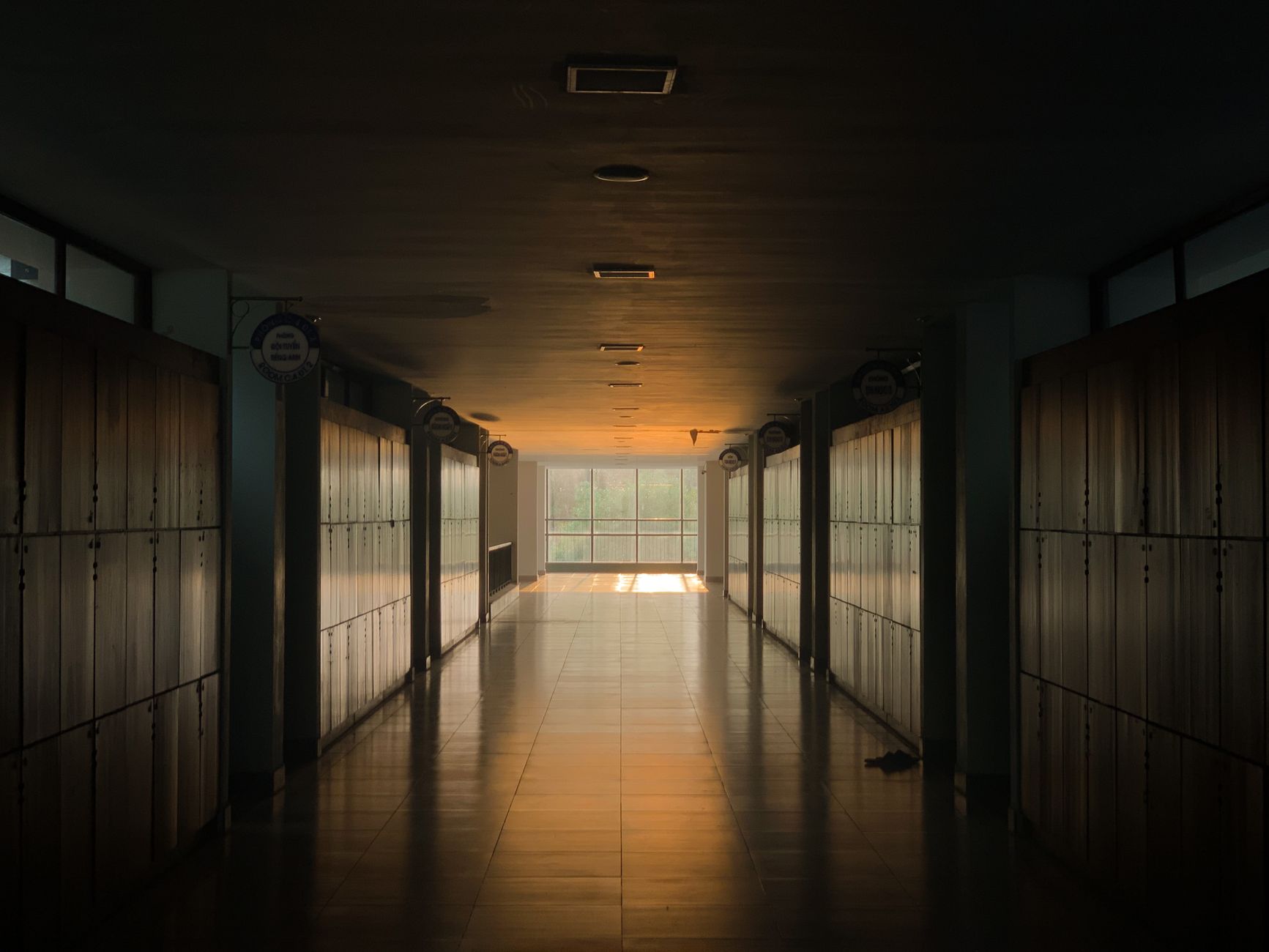
A fleet sized floor care problem across many school buildings
Keeping floors clean across a large urban school district is less about any one room and more about the sum of them. Corridors, gymnasiums, cafeterias and classrooms all take traffic every school day, and the custodial crews responsible for them work inside tight windows that open before students arrive and close as the building empties.
Adding people to that schedule is slow and hard to sustain. Floor scrubbing is repetitive, physically demanding work, and a district spanning many buildings cannot simply assign a machine's worth of coverage to one site. What it needs is steady coverage that repeats night after night, whatever the staffing picture looks like. That is the gap a campus cleaning robot lease is meant to close.
- Large interior floor area spread across many school buildings
- Narrow custodial windows around the school day
- Repetitive floor scrubbing that competes with other custodial tasks
- Demand for consistent cleanliness in every building
Two waves of scrubbers that grew the fleet to twenty
The district brought in robotic floor scrubbers from a single supplier in early 2021. The first group was 14 machines running the supplier's autonomy software, and they went to large buildings, mainly comprehensive high schools.
In summer 2022 six more units joined, bringing the fleet to 20. Growing in two steps gave the operation time to settle its routines before the fleet reached full size, and the overnight floor care those routines support could be checked against a smaller group first.
The supplier's materials describe staff moving on to other tasks rather than routine floor work, which is the arrangement a fleet of this kind is meant to support.
- Early 2021: 14 autonomous floor scrubbers deployed
- Summer 2022: six more added, for 20 in total
- Floor routes run autonomously across school buildings
- Staff time redirected toward tasks beyond routine floor work

Coverage and uptime, measured as the vendor reports them
Across the 20 machines, the summary the vendor published reports more than 5,500 hours of autonomous run time. That is a measure of coverage: how long the fleet worked the floor. It is not a count of labor saved, and it should not be read as paid hours returned to the district.
A 2025 industry article describes the scrubbers collectively cleaning for about 35 hours a day. It gives no cumulative total for the year, so the daily figure is best read as the shape of the fleet's routine rather than a running tally.
Fleet scale is what makes the uptime story matter. With twenty machines on a schedule, one unit being out of service is a smaller problem than it would be for a single machine, and large facility coverage holds up better when no single scrubber carries the whole load.
What fleet scale and uptime mean for a robot lease
Service Robot Co. did not deploy this district's fleet. The questions it raises are the ones our team works through with a business weighing an autonomous floor scrubber lease: how many machines, which floors, which hours, and who keeps the fleet running when a unit is down.
We are a vendor neutral robot integrator. We select the right robots across manufacturers, then finance, deploy, integrate, train, and service every unit through a nationwide US engineer network. The lease runs for a term of three years, with one fixed lease figure quoted after a site assessment that maps the floors and run hours before anything is committed.
Spare unit coverage, a backup robot program, onsite dispatch and remote triage all bear on uptime, and go live support carries a fleet through its first weeks. One partner, one number covers the whole lifecycle, which is the most direct way to keep a fleet's hours real.
Frequently asked questions
Want a robot working for you?
Tell us the job and the site. We will recommend the robot, quote the lease, and keep it serviced.