
a county-run regional sports park in Florida
A Florida County Sports Park's Autonomous Mower Covers 100 Acres
A Florida county-run regional sports park put an autonomous mower on its fields, covering 100 acres and easing the grounds crew's workload day to day.
Deployment at a glance
- 100
- acres of sports fields mowed autonomously
- 2 to 3
- times a week parks staff run the mower
- 20 years
- expected service life, per officials' projection
Based on a documented real-world deployment. Figures are from public reporting; the organization is not named.
Keeping Regional Park Fields Mown Without Stretching the Crew
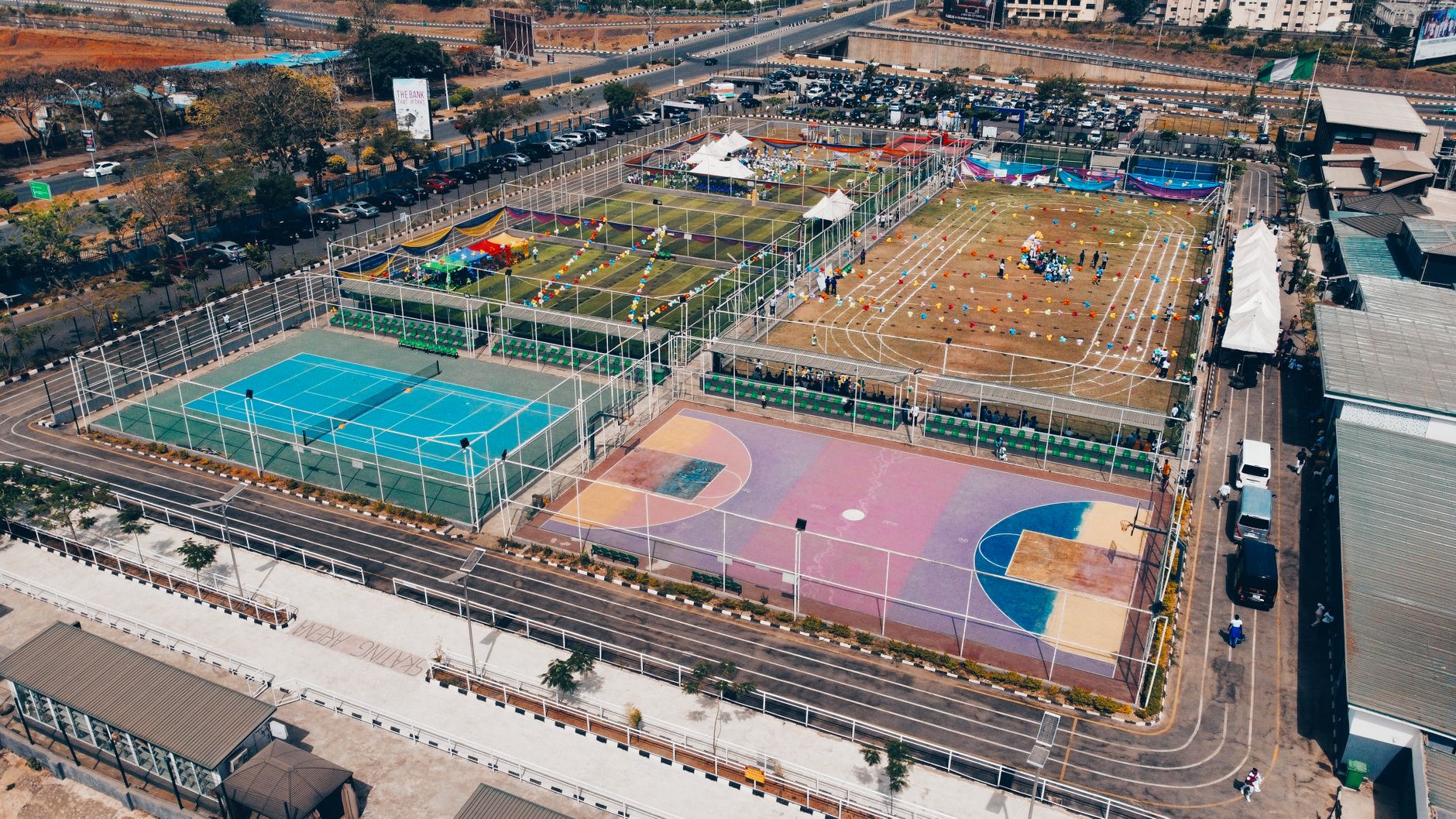
A regional sports park is demanding ground. Fields, practice areas and an amphitheater all need regular mowing to stay playable and presentable, and every hour a grounds crew spends behind a mower is an hour taken from other work.
The county that runs this park needed mowing to keep pace without asking a small parks team to do more of the same. Officials said traditional mowing takes a long time, and they went looking for a machine that could carry a share of that routine load.
Bringing a Driverless Mower Onto the Fields
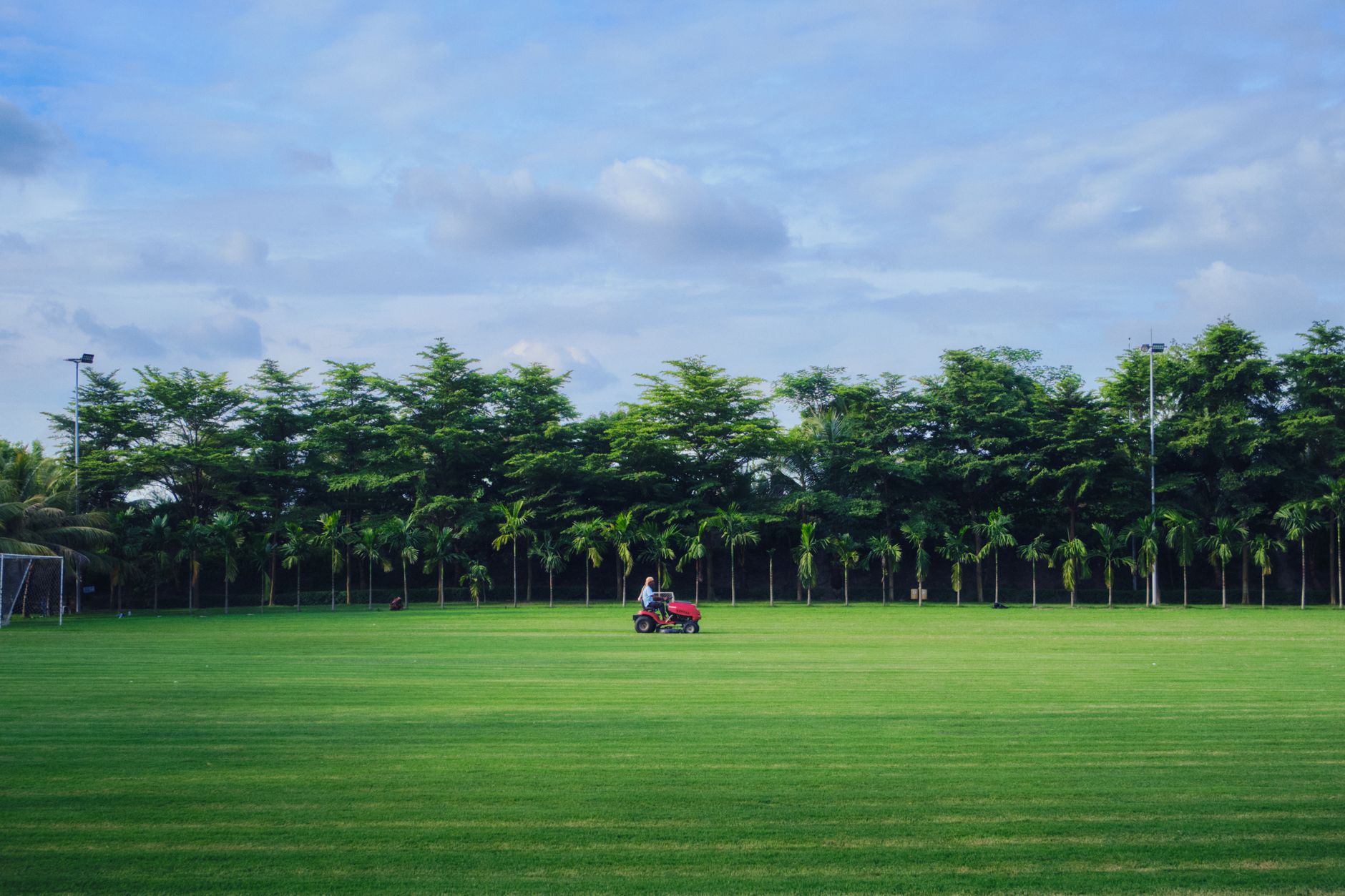
The county commission approved funding for the machine in May. The deployment stayed deliberately narrow: the autonomous mower works only the park's fields and amphitheater, and parks staff run it two to three times a week.
Safety rests on sensing rather than on a driver. An infrared camera detects obstructions, and when it sees one the machine stops or slows. The cut is described as nearly silent.
- County commission approves funding for the machine in May.
- Mower assigned to the park's fields and amphitheater, and used nowhere else.
- Parks staff run the mower two to three times a week.
- Infrared camera detects obstructions and stops or slows the machine.
What the Park Reports
The headline figure is coverage: 100 acres of sports fields mowed autonomously. Officials say the machine takes a fraction of the time traditional crews need.
Officials also project that the mower could pay for itself within 10 years, and they expect it to serve for about 20 years. Those figures are the county's own projections.
Where Robot Leasing Fits a Grounds Operation

A county can fund a machine like this through its budget and approval steps. Many operators prefer commercial robot leasing instead, because a fixed robot lease payment makes costs easier to forecast and keeps a large up-front bill out of a single budget cycle.
Service Robot Co. is a vendor neutral robot integrator for US businesses. We select robots across manufacturers, then finance, deploy, integrate, train and service each unit through a nationwide US engineer network, so one partner covers the whole lifecycle. Our robot lease options run on a 3-year lease with one fixed payment quoted after a site assessment.
The park in this study is not a Service Robot Co. client, and nothing here implies a link to the robot supplier. A grounds operator, a warehouse manager or a hospital facilities team all follow the same path: assess the site, match the machine, then go live with support.
Frequently asked questions
Want a robot working for you?
Tell us the job and the site. We will recommend the robot, quote the lease, and keep it serviced.