
a Fortune 50 corporate campus of 14 buildings covering more than 2 million sq. ft.
A Fortune 50 Campus Scales 50 Autonomous Cleaning Robots Across 14 Buildings
How a Fortune 50 corporate campus of 14 buildings put 50 autonomous cleaning robots on daily floor care and reported an 18.7% efficiency gain.
Deployment at a glance
- 14
- buildings on one corporate campus
- 2M+
- square feet of campus floor space
- 50
- autonomous cleaning robots in daily service
- 18.7%
- efficiency gain, as reported
Based on a documented real-world deployment. Figures are from public reporting; the organization is not named.
Keeping 2 million square feet clean without tying up staff
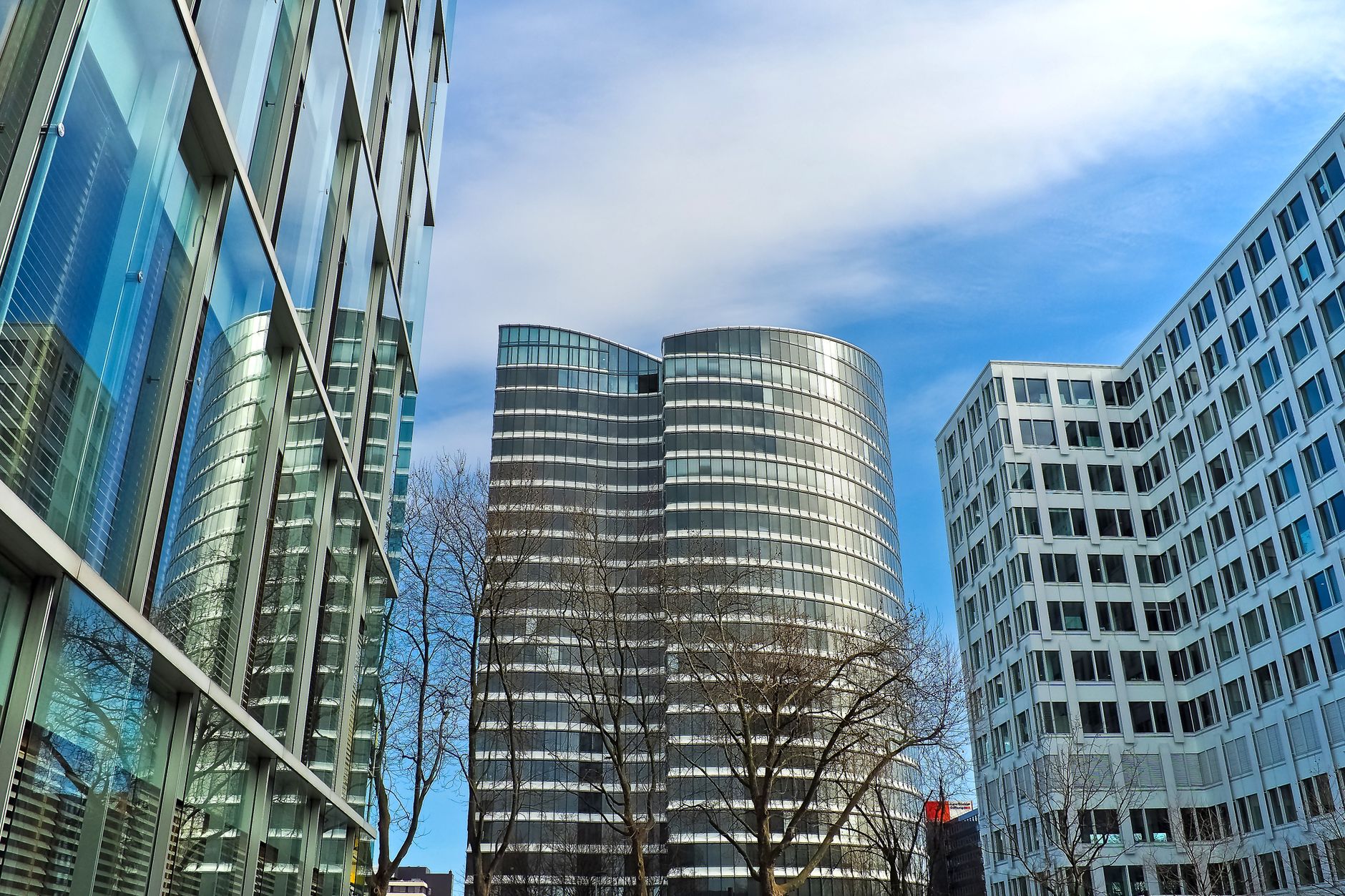
A corporate campus of this size is not one building with one crew. This one covers fourteen buildings and more than 2 million square feet, with offices, kitchens, restrooms and shared corridors that all need floor care on a schedule. Much of that work is repetitive, the same long passes over hard floor again and again.
The harder question was where skilled janitorial time went. Every hour spent guiding a machine down a corridor was an hour not spent on the high touch surfaces people notice most. Large facility coverage is a staffing question as much as a floor question.
A phased rollout from pilot to daily janitorial operations
The deployment began with a pilot before the fleet moved into daily janitorial operations. Robots took over the repetitive floor cleaning, leaving staff free to concentrate on offices, kitchens and restrooms. The campus ended up with 50 autonomous cleaning robots spread across its 14 buildings, deployed through an integrator.
Handing a whole campus to a fleet is a sequencing problem before it is a hardware problem. Routes, building access and floor types are the kinds of details a phased rollout tests in a limited area before extending building by building. That discipline lets the team check handoffs before the fleet grows.
- Pilot phase in a limited area before the fleet moved into daily operations
- Robots take over repetitive floor cleaning across the campus
- Janitorial staff redirected toward high touch areas such as offices, kitchens and restrooms
- Fleet of 50 autonomous cleaning robots spread across 14 buildings
- Deployment carried out through an integrator
An 18.7% efficiency gain, reported at campus scale
The headline result is an 18.7% efficiency gain, as reported for the campus deployment. This study keeps that figure exactly as reported and does not convert it into hours or money.
The gain sits alongside a shift in where janitorial time went. Robots carried the repetitive floor passes across 14 buildings, and staff moved toward offices, kitchens and restrooms. Scale is the real test, since 50 machines across more than 2 million square feet only work when routes, building access and handoffs hold together day after day.
For facility leaders, the lesson lies less in the single percentage than in the discipline of the rollout behind it.
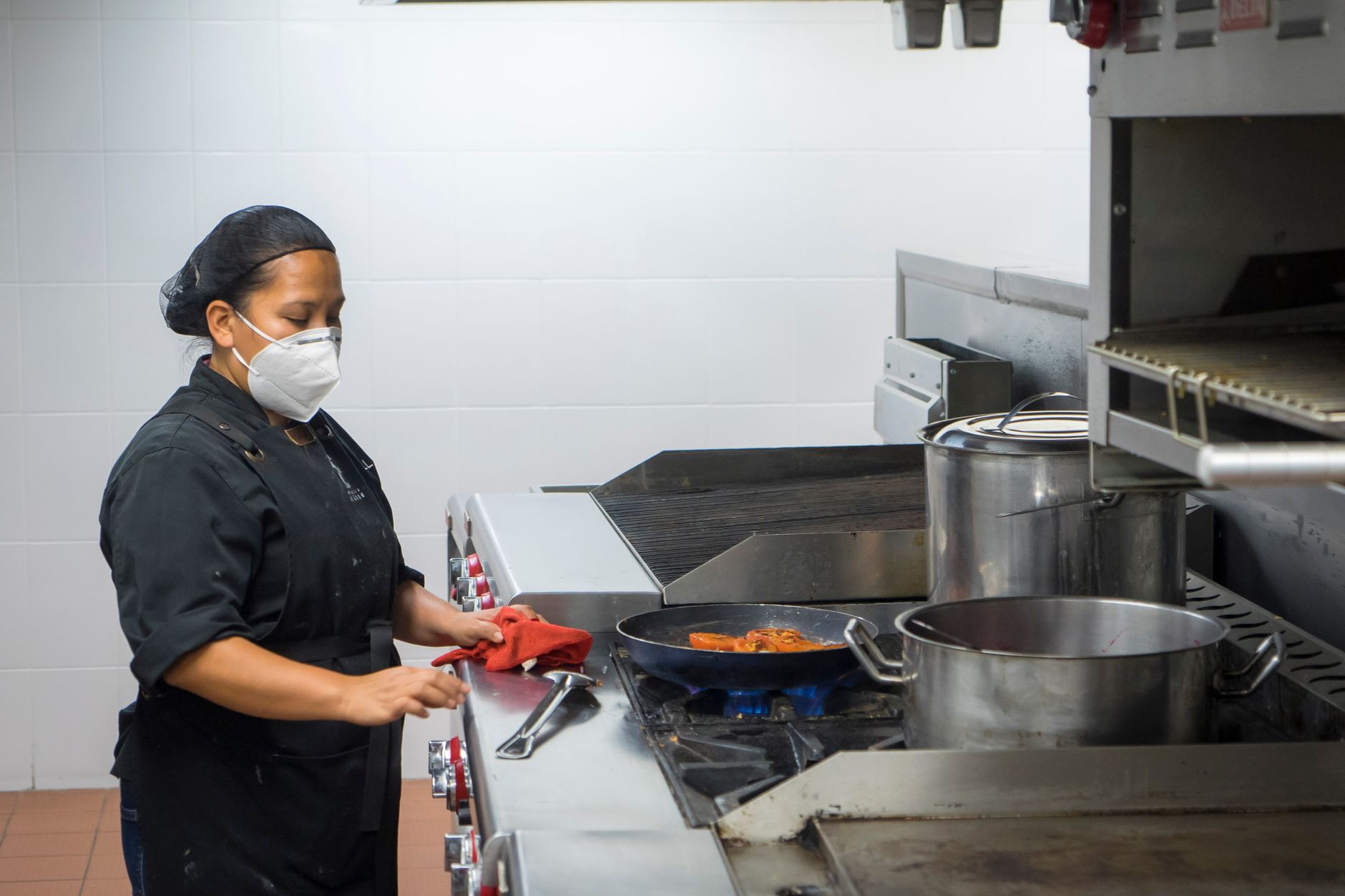
What a rollout this size asks of its robot partner
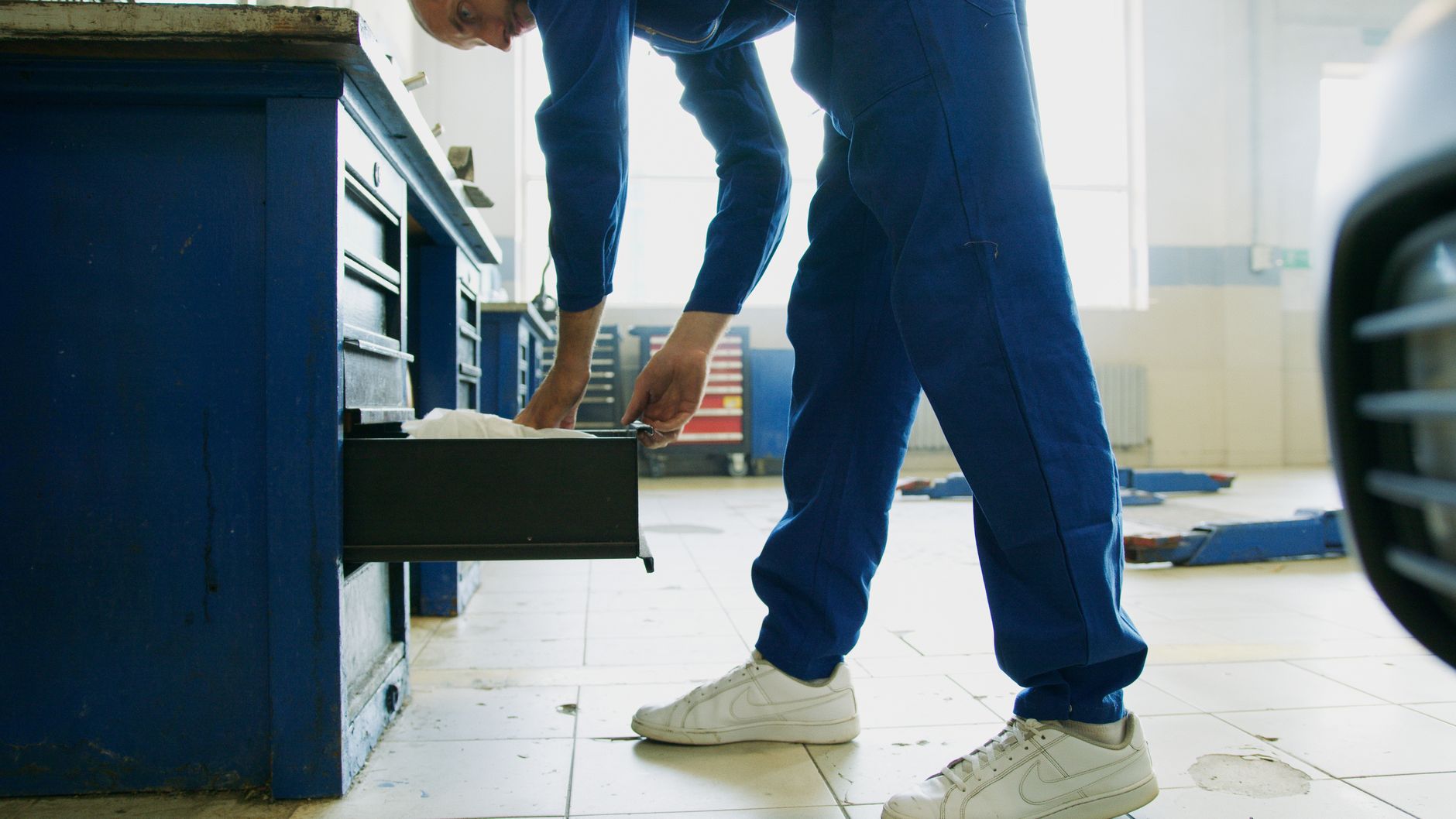
Service Robot Co. is a full service, OEM neutral commercial robot integrator for US businesses. We select the right robots across manufacturers, lease them through lease financing programs, then deploy, integrate, train and service every unit through a nationwide US engineer network. One vendor covers the whole lifecycle, from the first site walk to ongoing service.
A facility team weighing commercial cleaning robot leasing would begin with a site assessment, then receive one fixed lease quote for a three year lease term. Many teams start with a single leased unit on one floor and extend from there, the same pilot first sequence this campus followed. The robots are only part of the job, since routes, handoffs and service response decide whether scale holds.
Frequently asked questions
Want a robot working for you?
Tell us the job and the site. We will recommend the robot, quote the lease, and keep it serviced.