
a multinational industrial manufacturer with multiple production sites
Autonomous Tugger at a Multisite Manufacturer: 60 Labor Hours a Week, Vendor Reported
See how an autonomous tugger system handled internal material runs at a multinational manufacturer, and what the vendor reports for weekly labor hours saved.
Deployment at a glance
- 60 hrs
- labor hours saved each week, as reported by the vendor
- Weekly
- recurring tugger runs handed to autonomous vehicles
- 3 years
- lease term, fixed payment quoted after assessment
Based on a documented real-world deployment. Figures are from public reporting; the organization is not named.
Material moves that never stop
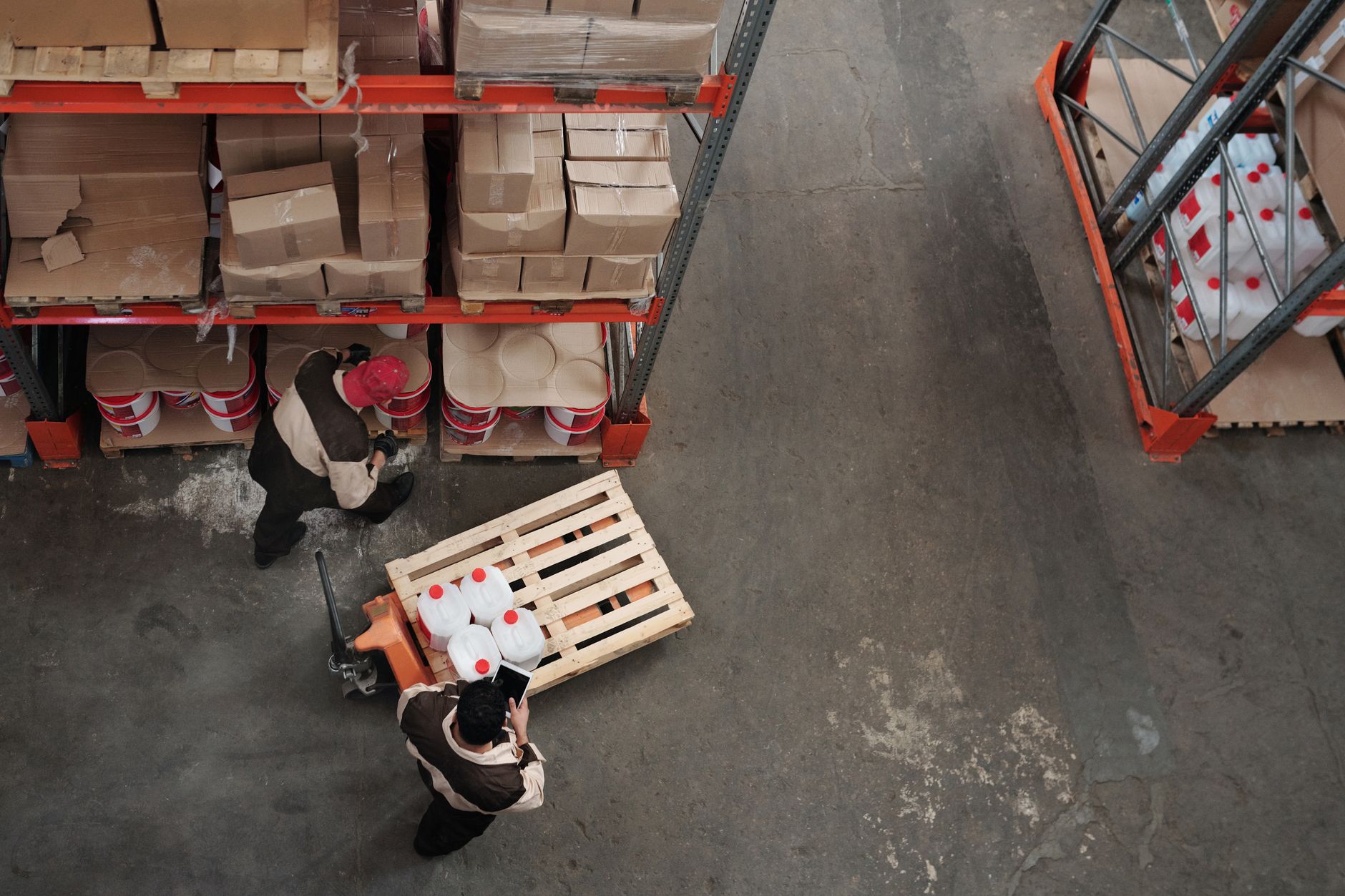
A multinational industrial manufacturer with multiple production sites depends on a steady flow of carts, bins and parts between storage areas and the lines they feed. Those internal runs are short, repetitive and easy to underestimate. Together they absorb a meaningful share of a shift.
Manual runs tie the schedule to whoever is free in a given hour. The operation needed those trips to happen on time and in sequence, and it needed people's hours for work that calls for judgment. The case study frames autonomous vehicles as a way to address both problems.
From route survey to a predictable loop
The deployment placed an autonomous vehicle system on the internal tugger runs. The vendor's published case study describes the system taking over recurring moves so that people could return to other work.
Projects like this usually move in deliberate stages rather than all at once. Route mapping and dock planning come first, then a limited set of runs goes live, and coverage widens once operators trust the schedule. Training for the people who load carts, dispatch vehicles and clear exceptions tends to decide how smoothly the system settles in.
- Survey the plant and map tugger routes and dock points
- Select runs that repeat on a predictable schedule
- Start with a limited route set and widen coverage in phases
- Train operators on loading, dispatch and exception handling
- Set up service coverage before the first full shift
Sixty labor hours back each week
The headline result is 60 labor hours saved each week. The vendor reports this figure in its published case study, and it is the vendor's own reported number for one deployment at one multinational manufacturer.
Sixty hours a week is a recurring block of capacity. Planners can schedule against time like that and point it at work that needs judgment, instead of counting on a one time gain. Treat it as a reported outcome to test on your own routes, not as a promise.
What this means for a tugger project

Service Robot Co. is a full service, OEM neutral commercial robot integrator for US businesses. We select the right robots across manufacturers, then finance, deploy, integrate, train and service every unit through a nationwide US engineer network, so a plant works with one partner and one number. This study describes another company's deployment, and Service Robot Co. did not run it.
For a plant weighing material handling robot leasing, the lessons here are practical. Map the routes before choosing vehicles, and pick the runs that repeat. Service Robot Co. offers commercial robot leasing on a lease of three years, with one fixed lease payment quoted after a site assessment, a phased deployment that keeps the line running, and spare unit coverage with on-site dispatch when something needs attention.
Frequently asked questions
Want a robot working for you?
Tell us the job and the site. We will recommend the robot, quote the lease, and keep it serviced.