
a golf club running three autonomous mowers on solar-powered charging
A Golf Club Runs Three Autonomous Mowers on Solar Power Across 225,000 m²
A golf club runs three autonomous fairway mowers on solar-powered charging across more than 225,000 m² of turf. See how the fleet was chosen and set up.
Deployment at a glance
- 225,000 m²
- Course area maintained by three mowers
- 3
- Autonomous fairway mowers on the course
- 6
- Solar panels, two at each charging station
- Back nine
- Newer back nine, plus all turf except tees and greens
Based on a documented real-world deployment. Figures are from public reporting; the organization is not named.
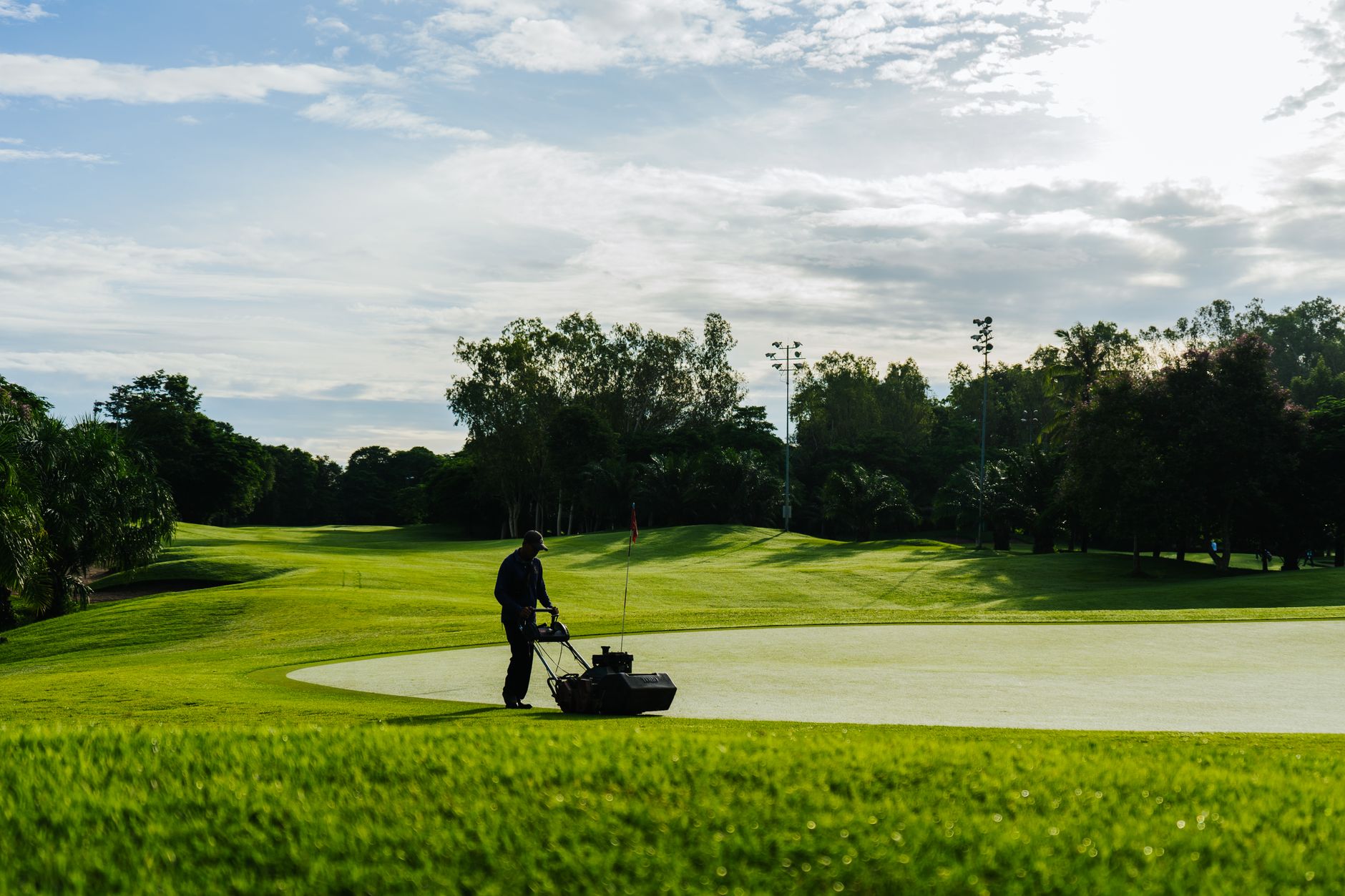
Routine mowing on a large course
Fairway mowing is one of the most repeated jobs on a golf course. It returns every week of the season, and it draws crew hours away from work that needs a skilled eye, such as the tees and greens.
A club of this size keeps a large area of turf at height and in good order. The question for its management was how much of that routine cutting a small fleet of robots could carry, and whether the machines could do the work consistently across the course.
Testing the mowers and building the charging
The club tested before it installed. Demonstrations looked at cut quality, navigation accuracy and striping consistency, and the mowers went in only after those trials. Three units of the robot supplier's mower were put to work.
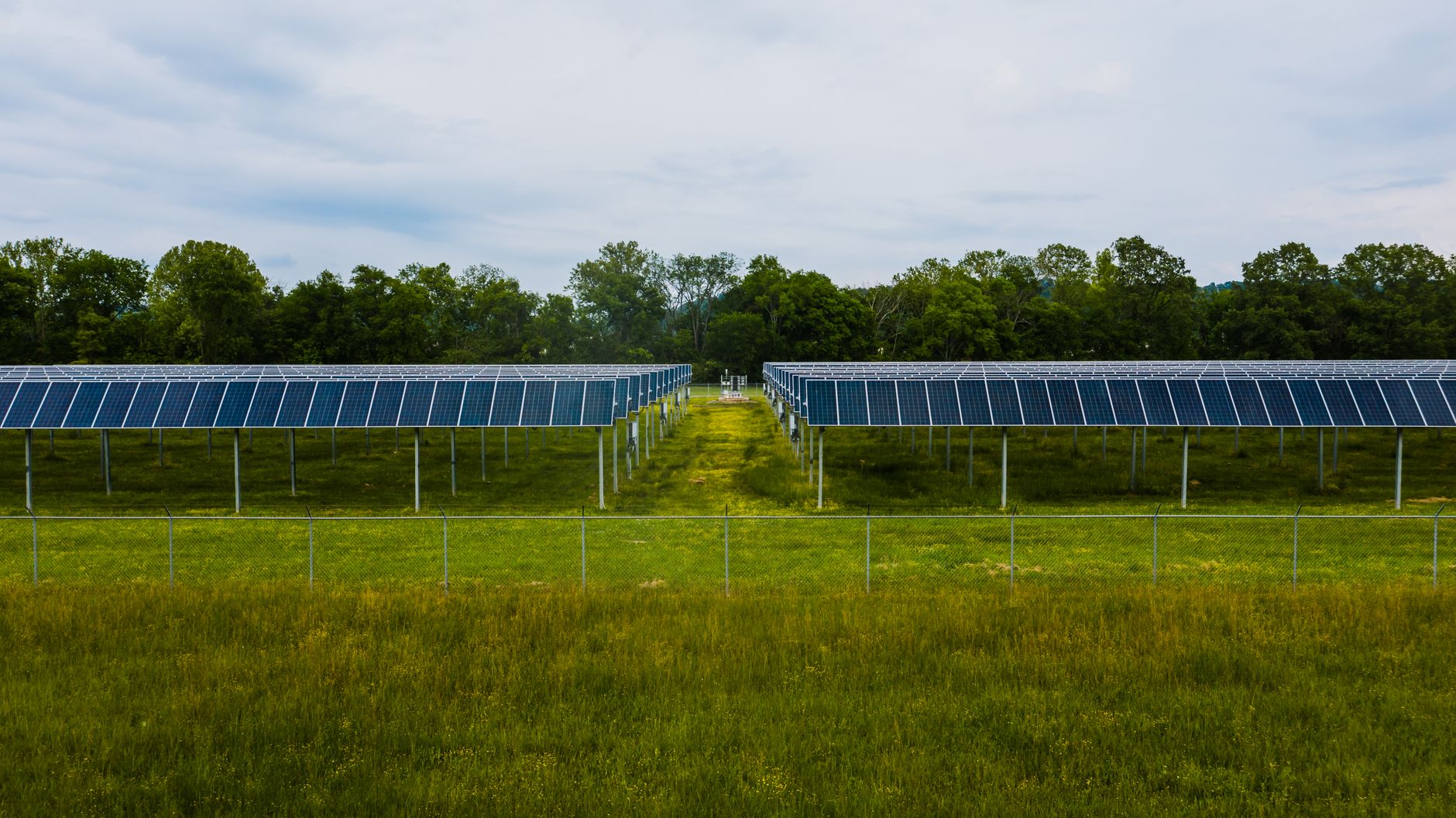
Charging was part of the build from the outset. Three autonomous charging stations were set up, each with two solar panels and integrated battery storage. A delivery partner with autonomous specialist experience carried the project through.
- Run demonstrations on cut quality, navigation accuracy and striping consistency.
- Install three mowers from the robot supplier.
- Build three charging stations, each with two solar panels and integrated battery storage.
- Set the fleet to cut the newer back nine and all turf except tees and greens.
Coverage, charging and what comes next
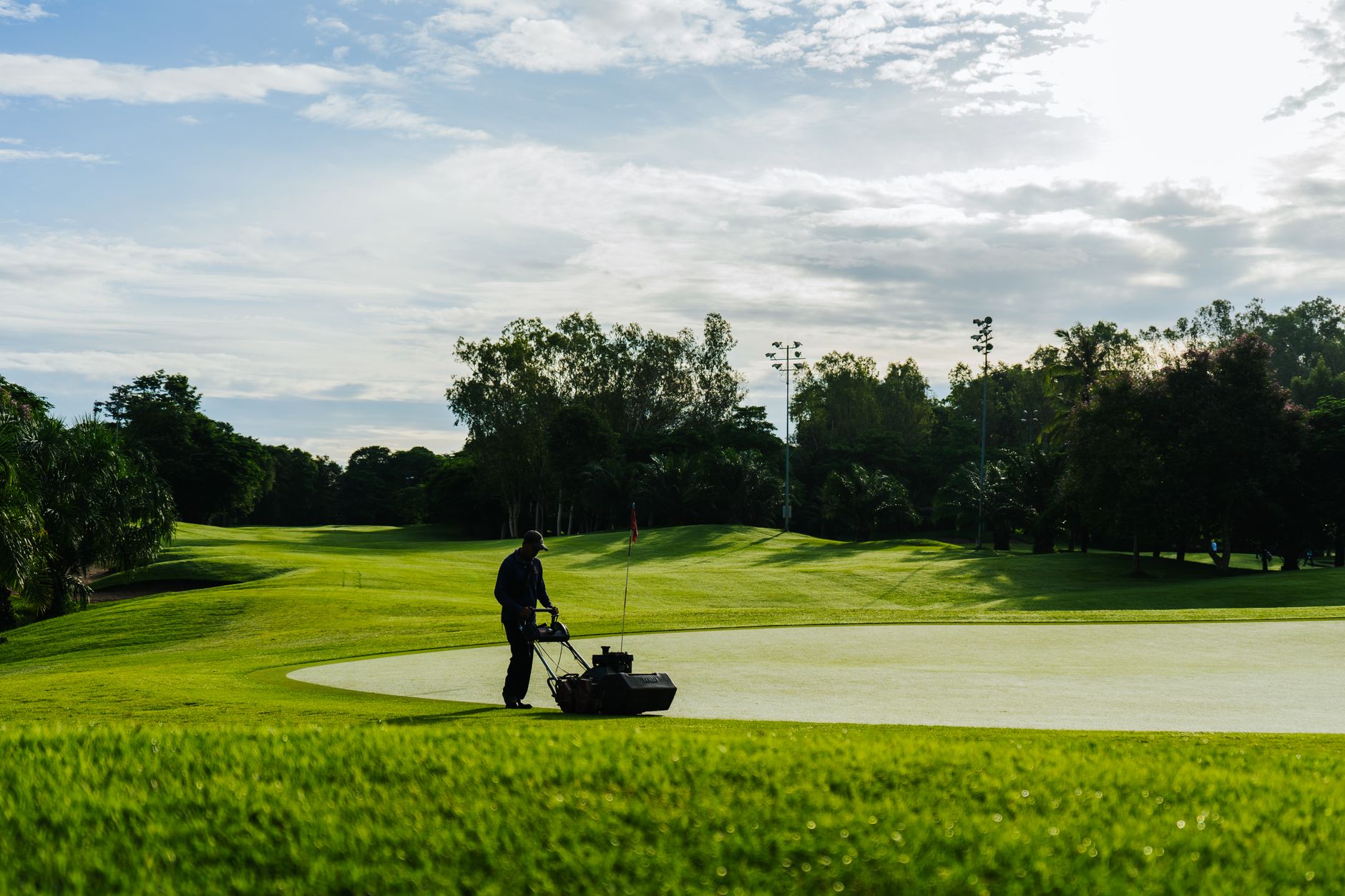
Three mowers keep more than 225,000 square meters of course in cut. They work the newer back nine and every area except tees and greens, leaving the tees and greens to the crew.
Power comes from the sun, with integrated battery storage carrying the fleet through periods without it. The mowers run without a grid connection, so the charging stations do not depend on the site's electrical supply.
The club is now exploring extending robotic mowing to other course areas. The figures here describe coverage and scheduling, not cost. A superintendent weighing a fleet should work out crew hours from the club's own mowing calendar, and plan the robots' runs around when the turf needs cutting.
Where a lease fits a fleet like this
This deployment was not carried out by Service Robot Co. We are a full service, OEM neutral commercial robot integrator for US businesses. We select robots across manufacturers, finance them, deploy and integrate them, train staff, and service every unit through a nationwide US engineer network, with one partner for the whole lifecycle.
For a course weighing a fleet, the financing question sits beside the machine question. Service Robot Co. leases robots on a 3 year lease, with one fixed payment quoted after a site assessment. That assessment is where charging, coverage and crew scheduling get mapped, the same questions this club worked through before its mowers went out. The lease structure stays the same whether the site is a course or a warehouse floor.
Frequently asked questions
Want a robot working for you?
Tell us the job and the site. We will recommend the robot, quote the lease, and keep it serviced.