
a golf course run by a superintendent who adopted a robotic mower system
A Golf Course's Robotic Mowers: Reported $9,600 Labor and $6,000 Diesel Savings
A superintendent reports about $9,600 a year in labor and $6,000 a year in diesel saved by robotic mowers, plus overnight cutting and less noise.
Deployment at a glance
- $9,600
- a year in labor, as the superintendent reports
- $6,000
- a year in diesel, as the superintendent reports
- 12
- about a dozen more units planned for next year
Based on a documented real-world deployment. Figures are from public reporting; the organization is not named.
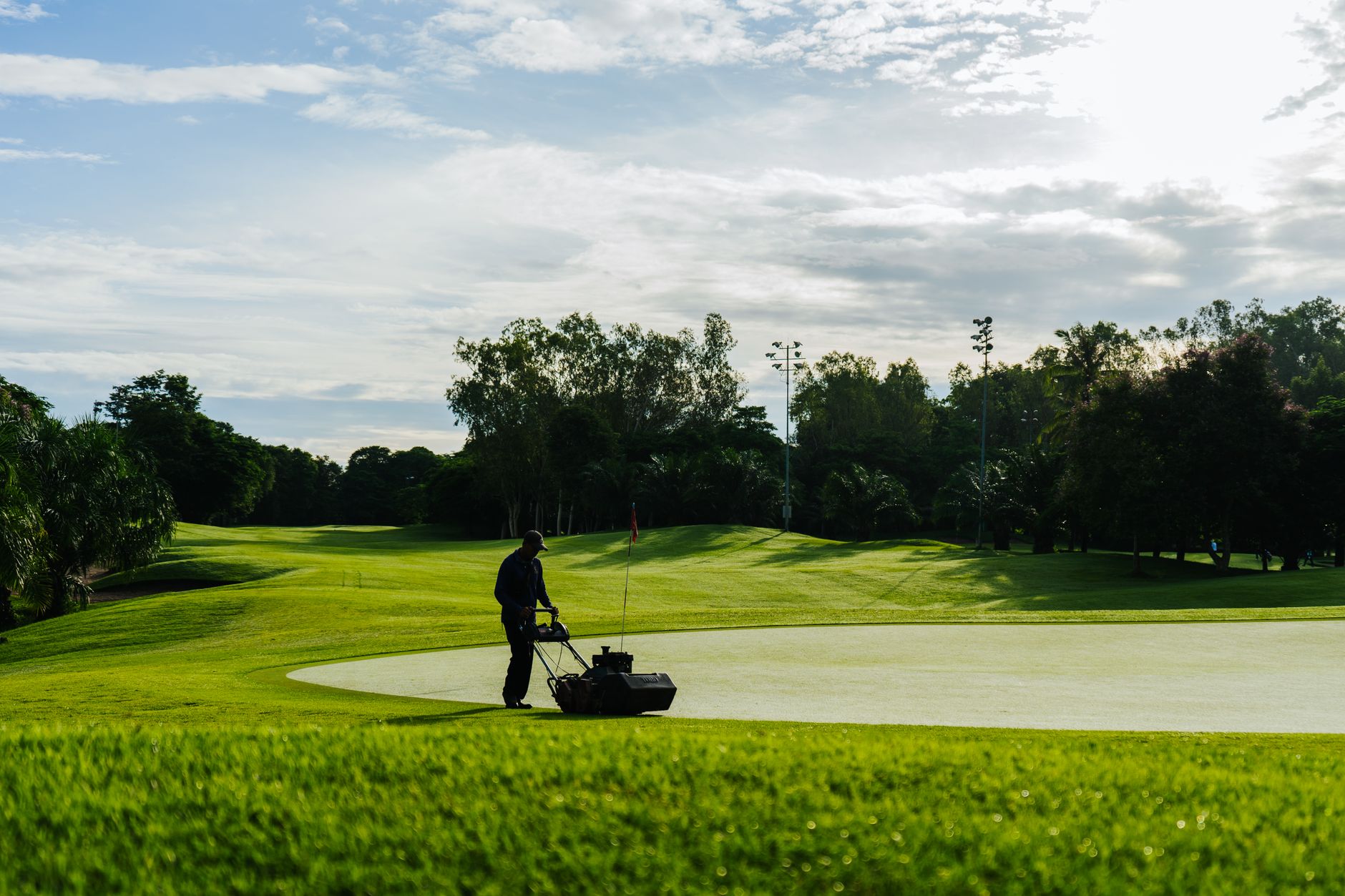
Mowing takes a large share of the budget and the crew
Mowing is one of the biggest costs on a golf course. Trade press has said it can make up almost half of a course budget, and every mowing hour draws on the same crew that handles the rest of the property.
Labor is harder to find and more expensive to keep, and diesel adds its own weight to the bill. Industry analysis frames automation as a response to those pressures, with savings mostly showing up in labor, fuel, parts and service.
For this course, the superintendent wanted mowing to happen when golfers were not on the grounds, and wanted the diesel and labor hours back in the budget.
- Labor costs and crew roles that are hard to fill
- Diesel fuel for ride on mowing
- Noise during play hours
- Mowing time that competes with other course work
A robotic mower fleet widened in stages
The superintendent adopted a robotic mower system and set the machines to cut overnight. Overnight cutting keeps the mowers out of the way of golfers and keeps the course quiet during play.
The fleet is set to grow. About a dozen more units are planned for next year, which would bring the whole course under robotic mowing, and the superintendent expects labor savings to build as the fleet scales.
- Adopt a robotic mower system
- Cut overnight to keep mowers out of play
- Add about a dozen more units next year
- Track labor and diesel savings as the fleet grows
Reported savings of $9,600 in labor and $6,000 in diesel
The superintendent reports about $9,600 a year in labor savings and about $6,000 a year in diesel savings from the robotic mowers. These are the superintendent's figures, presented as reported.
The superintendent also points to overnight cutting and lower noise as operational benefits. Extra labor savings are expected to come as the fleet grows, so next year's expansion will shape the total.
Broader material points the same way. A manufacturer's lifecycle material cites up to 50% lower turf maintenance costs, a vendor figure rather than a result from this course.

What this means for a course weighing commercial robot leasing
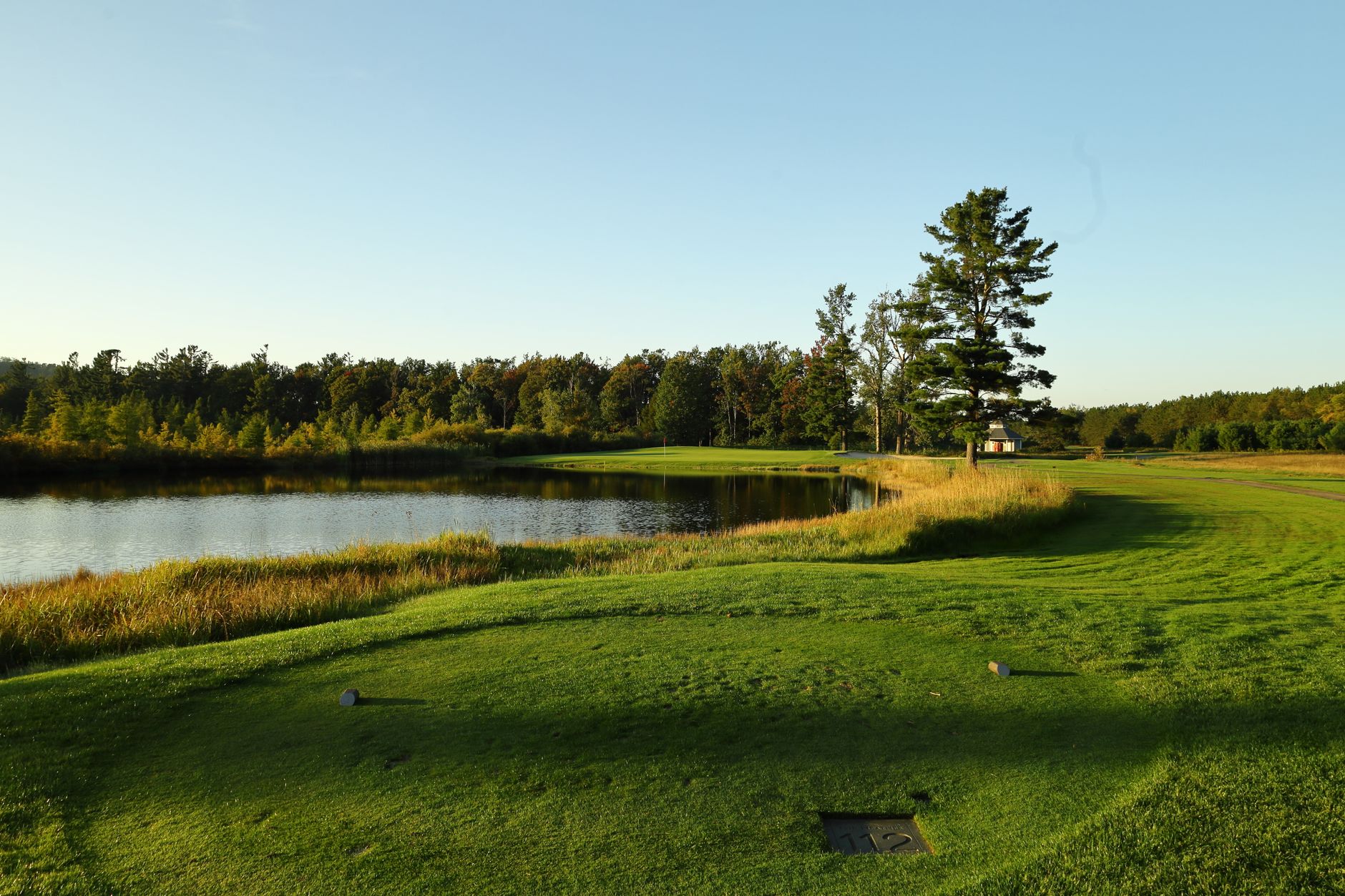
A course with a similar mowing budget faces the same first questions: which machines suit the turf and terrain, how many units to begin with, and who keeps them running. Service Robot Co. is a vendor neutral robot integrator, so selection starts with the site rather than with one manufacturer's catalog.
The sequence starts with a site assessment and mapping. A lease financing program on a 3 year lease is then quoted as one fixed robot lease payment after the site assessment, so a club can start with one leased unit and grow. We handle turnkey robot deployment and integration, go live support, training and service through a nationwide US engineer network, so one partner covers the whole lifecycle.
The lessons also carry a caution. One manufacturer ended an autonomous greens mower program in 2020, leaving superintendents with plans they could not finish, and steep slopes and complex areas still need people. A robot maintenance service plan and a clear split between robot ground and crew ground help protect the program.
Frequently asked questions
Want a robot working for you?
Tell us the job and the site. We will recommend the robot, quote the lease, and keep it serviced.