
a grocery distributor's yard operation
A Grocery Distributor's Yard Cuts Its Autonomous Truck Fleet by 36 Percent
A large U.S. grocery distributor's yard cut its autonomous yard truck fleet from 22 units to 14, a 36 percent reduction reported by the vendor.
Deployment at a glance
- 36%
- Reported cut in the yard truck fleet
- 22 to 14
- Yard trucks in the fleet before and after
- 14
- Yard trucks left in the fleet
Based on a documented real-world deployment. Figures are from public reporting; the organization is not named.
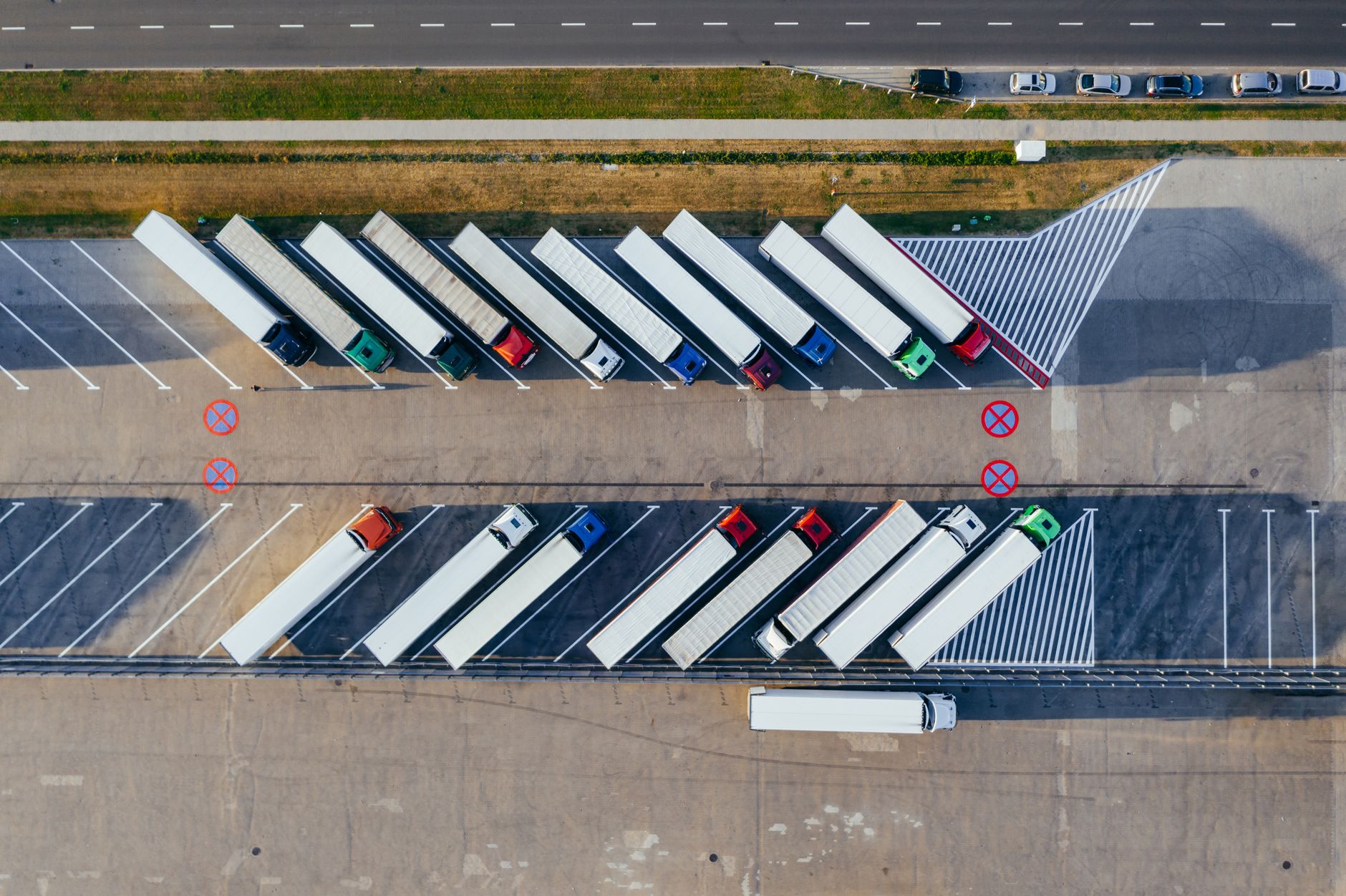
A yard where trailers waited on moves
Tractor-trailers at this grocery distributor's yard spent long stretches waiting. Trailer drops and pickups depended on yard trucks moving trailers into position, and a late move could hold a tractor in place while the next load stalled behind it.
Vendor material on autonomous yard trucks describes the same pressure. Hitching and unhitching trailers, and waiting for open spaces and moves, are the friction these machines are built to reduce.
The site also ran with minimal technology and no real forecasting layer. Without one, judging how many yard trucks the operation needed was hard to do with confidence.
- Trailer drops and pickups waiting on yard moves
- A fleet sized without a forecasting layer
- Minimal technology running the yard day to day
One operating system for the whole yard
The operation moved to an autonomous yard operating system supplied by the robot supplier. The platform connects trucks, trailers, drivers, gates, docks, yard trucks and charging infrastructure, so the yard works from one shared picture instead of separate tools.
Two parts carry most of the weight. An embedded yard management system gives real time visibility and control, and an AI based digital twin models the yard so planners can test decisions before they reach the floor.
The platform reaches past vehicle control. Its scope covers fleet sizing, labor planning, gate throughput, inventory accuracy, safety, EV charging and cost, so fleet count became a planning output rather than a fixed starting assumption.
- Fleet sizing for yard trucks
- Labor planning across yard shifts
- Gate throughput and dock flow
- Inventory accuracy
- Safety
- EV charging
- Cost

Fewer yard trucks, with gains reported elsewhere
The headline outcome is the fleet. The yard truck fleet went from 22 units to 14, a 36 percent reduction, and that count is the metric this study builds on.
Throughput and safety were also reported as improved. Those gains are described here without figures, so the fleet count carries the numbers in this case.
A smaller fleet also means fewer machines to charge, inspect and keep running through each shift. For a yard manager, the work shifts from covering a large fleet to keeping a leaner one dependable.
What a leaner fleet asks of its service partner
Service Robot Co. is a full service, OEM neutral commercial robot integrator for US businesses. We select the right robots across manufacturers, then finance, deploy, integrate, train and service every unit through a nationwide US engineer network. That gives a customer one partner for the full lifecycle, from robot deployment and integration through go live support.
This study is a documented example we analyze. Service Robot Co. did not run this deployment, and nothing here describes a Service Robot Co. client.
For a yard, fleet count drives the scope of any robot lease. We start with a site assessment, and one fixed robot lease payment is quoted after that assessment on a three year lease. A site can start with one leased unit, prove the workflow, and grow the fleet when the results support it.
Service runs through the same engineer network from the first unit to the last. Engineers handle deployment, training and repairs, with on site dispatch when a unit needs hands on attention.
Frequently asked questions
Want a robot working for you?
Tell us the job and the site. We will recommend the robot, quote the lease, and keep it serviced.